
Your cart is currently empty!
Former CIA Agent Says Your TV Could Be Used to Listen In on You
For most people, the idea of government surveillance still feels tied to phones, laptops, and social media accounts. We know our devices collect data, we know apps track behavior, and we know intelligence agencies have long been interested in digital communications. But the claim that your television could be quietly listening inside your own living room strikes a very different nerve. A TV is not something people associate with espionage or covert monitoring. It sits in shared family spaces, switched on for entertainment, background noise, or comfort after a long day. That sense of safety is exactly why allegations about smart TVs being used as surveillance tools continue to unsettle people years after they first surfaced.
Contents
show
That unease has returned after renewed attention around past CIA hacking revelations, amplified by claims from a former CIA agent who suggested the agency has the technical ability to access consumer devices, including televisions, whenever it wants. While such claims are difficult to independently verify, they closely echo information made public in a massive WikiLeaks document release. Those files, which were reported on extensively at the time, described alleged CIA efforts to compromise everyday technology. Among the most unsettling projects was one with a name borrowed directly from science fiction, a name that made the idea of a spying television feel disturbingly believable.
The Fictional Monster That Made the Allegation More Chilling
The alleged surveillance tool was given the name “Weeping Angel,” a direct reference to the terrifying creatures from the British science fiction series Doctor Who. In the show, Weeping Angels appear as harmless winged statues. They only move when no one is looking at them, striking the moment you blink or turn away. Their entire threat comes from the illusion of stillness and safety.
According to reporting on the leaked documents, the CIA and the UK security agency MI5 chose the name deliberately. The symbolism mirrored how the tool was intended to work. A television that appears to be switched off, lifeless and inactive, while quietly remaining capable of recording audio, fits the same unsettling logic. Nothing appears wrong until attention shifts elsewhere.
The cultural reference intensified public reaction. This was not just another dry cybersecurity report filled with technical jargon. It was a story that tapped into a shared fear of being watched without knowing it. By invoking a well known fictional monster, the documents turned an abstract hacking allegation into something people could vividly imagine sitting in their own living rooms.
What the WikiLeaks “Vault 7” Files Claimed
In 2017, WikiLeaks released thousands of documents in a leak it called “Vault 7.” The organization claimed the files detailed internal CIA hacking tools and capabilities, showing how the agency maintained access to a wide range of consumer devices. According to WikiLeaks, the goal was to ensure the CIA could hack as many popular platforms as possible.
The documents described alleged attacks targeting smartphones running iOS and Android, computers using Windows and macOS, and even smart TVs manufactured by companies such as Samsung. Security researchers who reviewed the material explained that these attacks did not usually involve cracking encryption directly. Instead, they relied on endpoint attacks, which capture information on the device itself after it has already been decrypted.
In its own press materials, WikiLeaks described the CIA using these techniques “to bypass the encryption” of popular messaging apps. Researchers were quick to clarify that the apps themselves were not broken. Instead, the attack waited until messages were readable on screen. While the distinction mattered technically, for most users the implication felt the same. Private conversations could still be exposed.
How the Alleged Samsung Smart TV Hack Was Supposed to Work
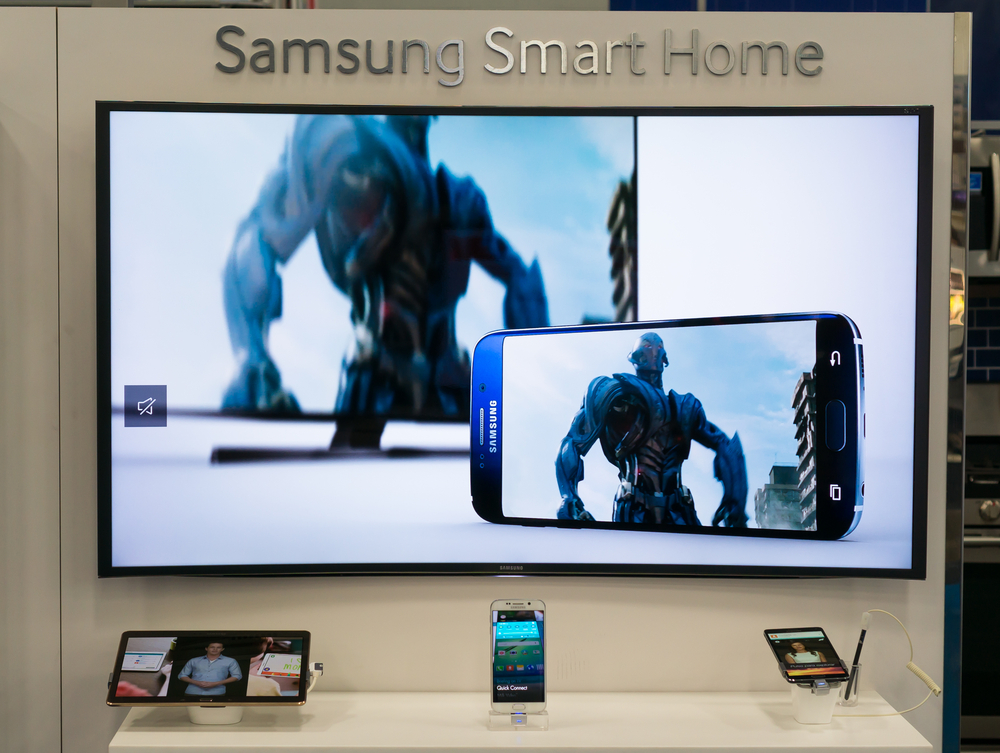
One of the most widely discussed claims in the Vault 7 documents involved Samsung smart TVs, specifically the F8000 series released in 2013. According to the leaked files, the CIA worked alongside MI5 to develop malware that could turn these televisions into listening devices.
The tool reportedly relied on a feature known as “Fake-Off” mode. In this state, the television would appear to be powered down. The screen would go dark, and indicator lights would turn off, giving the impression the device was no longer active. Internally, however, the software could continue running and recording audio from the surrounding environment.
Based on the documents, the microphone used for recording was believed to be located in the television’s voice enabled remote control rather than the screen itself. If accurate, this setup would allow conversations in the room to be captured without triggering immediate suspicion. A user could believe their TV was fully off while it remained quietly operational.

The Critical Technical Limits Often Overlooked
Despite the frightening nature of the allegations, the documents also outlined major technical limitations that were often lost in headlines. At the time the files were written, the televisions could not be hacked remotely over the internet. Physical access to the device was required to install the malware, reportedly through a USB connection.
The hack also only worked on specific firmware versions. It was successfully tested on versions 1111, 1112, and 1116. Newer updates blocked the method entirely. The documents explicitly warned that “Firmware version 1118 [and higher] eliminated the current USB installation method.” This suggested Samsung software updates were already closing the vulnerability.
Additional problems remained unresolved. The tool could not force Wi-Fi to stay active while the TV appeared to be off, real time eavesdropping was not yet possible, and visual indicators could not always be completely hidden. Taken together, the files described an experimental capability rather than an effortless or universal spying system.
What Happened After 2014 Remains a Mystery
One of the most frustrating aspects of the story is how little is known about what happened next. The leaked documents only provided a snapshot of development work up to around 2014. They did not confirm whether the tool was ever deployed in real world operations.
There is no public evidence showing whether newer Samsung TVs were targeted, whether other brands were explored, or whether the CIA found a way to install similar tools remotely. It is also unclear whether all of the vulnerabilities described were eventually patched or abandoned.
Experts note that intelligence agencies rarely disclose whether experimental tools are ever operationalized. Even when weaknesses are patched, new ones can replace them. That uncertainty is what continues to fuel speculation years later.
Samsung’s Own Privacy Scandal Added to the Fear
Public concern deepened in 2015 when Samsung faced backlash over its own smart TV privacy policy. The policy warned users that voice commands could be transmitted to third party partners and advised against discussing sensitive personal information near the device.
Although this controversy was unrelated to the CIA allegations, the timing made the situation worse. To many consumers, it reinforced the idea that their televisions were listening, regardless of who was doing the listening. The distinction between corporate data collection and government surveillance blurred quickly.
In response to renewed reporting on the CIA documents, Samsung issued a statement saying, “Protecting consumers‘ privacy and the security of our devices is a top priority at Samsung.