
Your cart is currently empty!
Stunning Space Image Reveals a Cosmic Butterfly Light Years Away
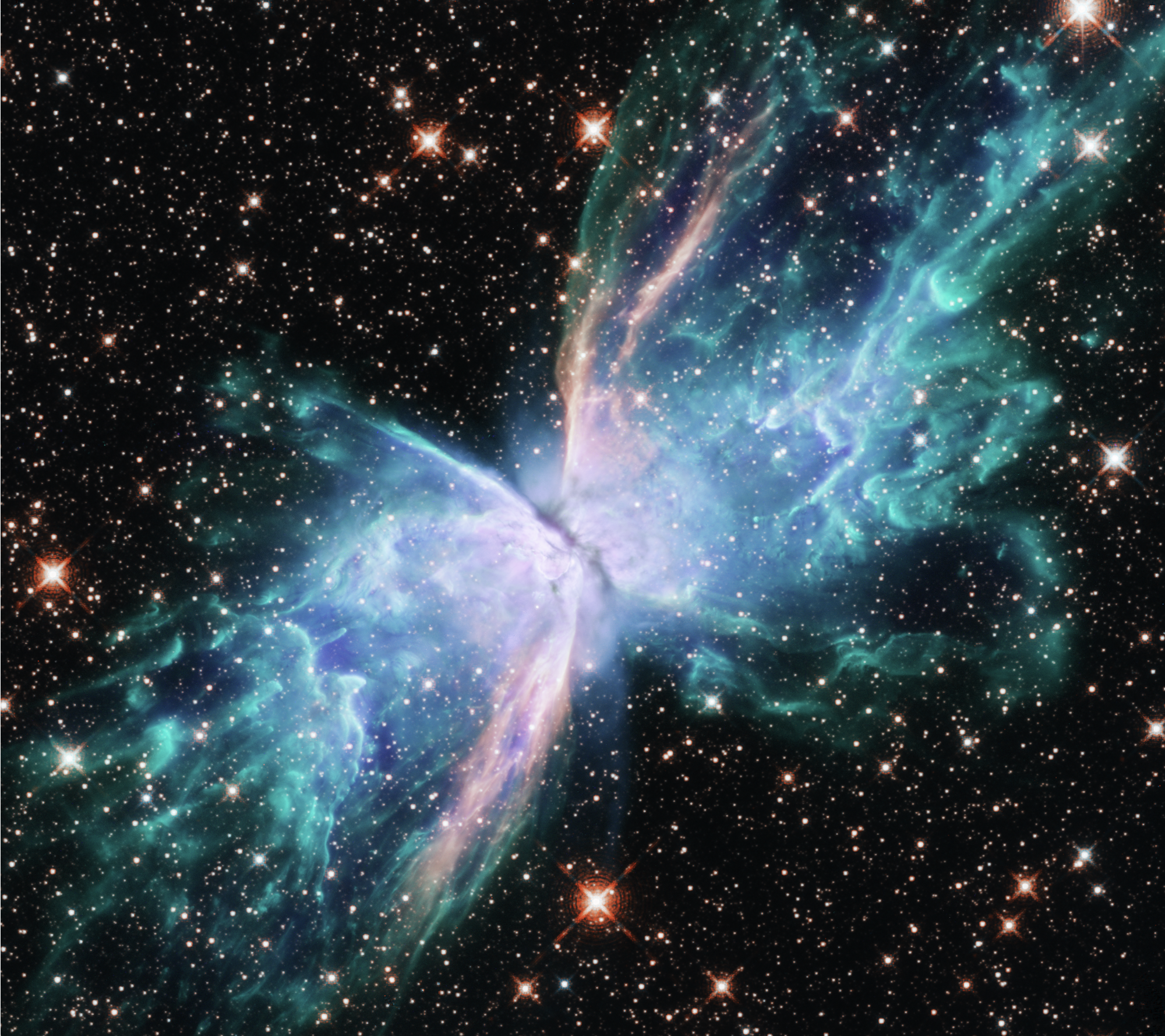
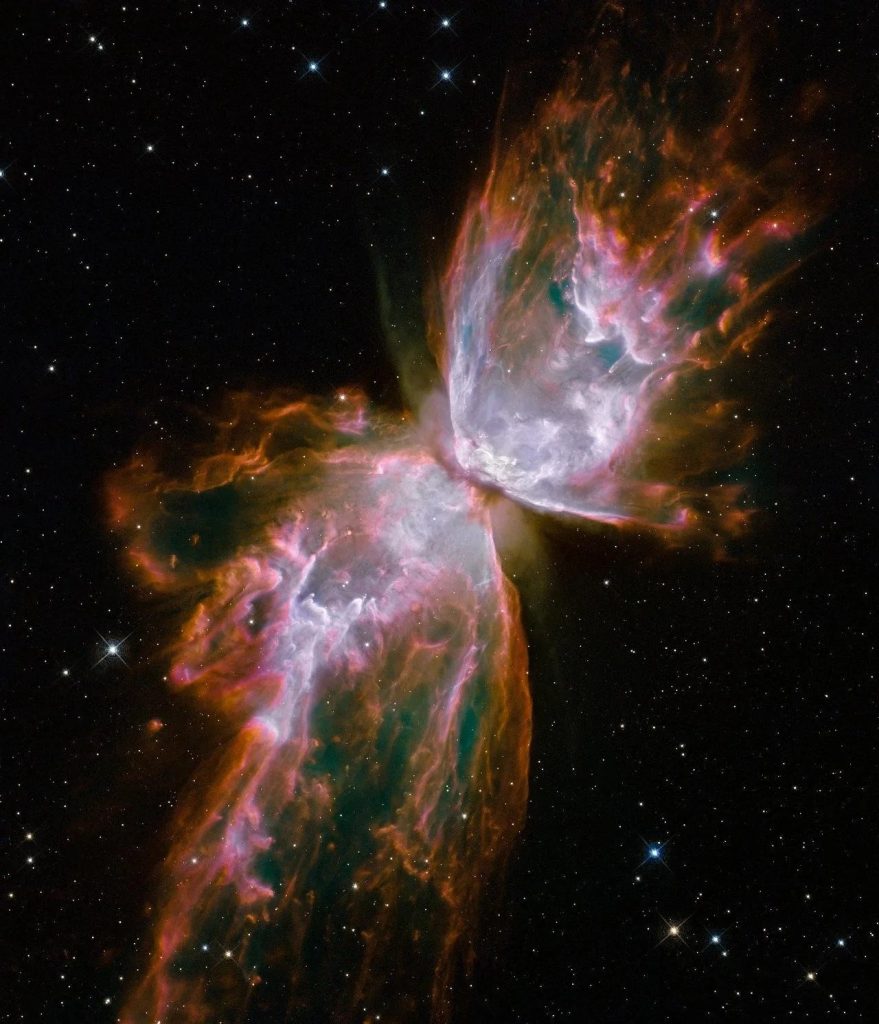
The universe has a way of surprising humanity just when we think we have seen it all. A newly released image from a powerful telescope in Chile has revealed what scientists and space enthusiasts alike are calling a cosmic butterfly, a breathtaking vision of glowing gas and dust spread across deep space. The image feels less like a scientific diagram and more like a piece of abstract art painted across the cosmos.
Contents
show
The image shows a dramatic celestial structure with wing-like shapes stretching outward from a bright central core. Its symmetry and vivid detail have quickly captured global attention, turning a complex astronomical object into a moment of shared wonder across social media and news platforms. Many viewers say the image makes space feel more personal and emotionally accessible.
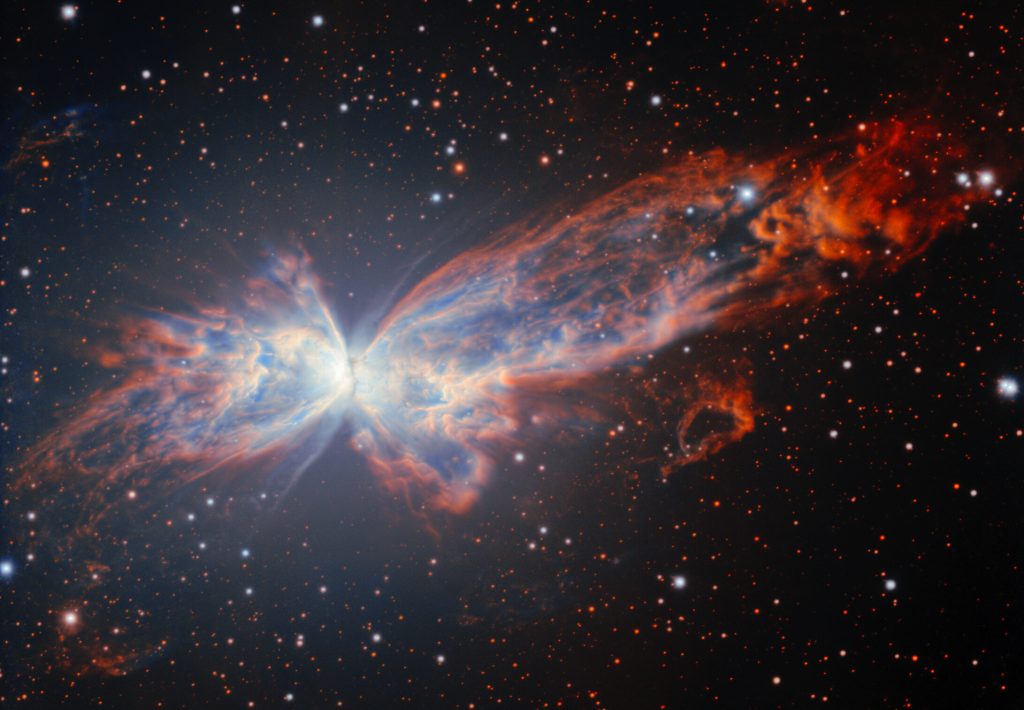
Behind the beauty lies years of scientific effort, advanced technology, and international collaboration. According to Phys.org and CBS News, this image represents one of the most detailed views ever captured of the bipolar nebula known as NGC 6302. It demonstrates how patience, precision, and innovation can transform faint light into meaningful discovery.
A Cosmic Butterfly Emerges From Deep Space
The object featured in the image is officially known as NGC 6302, but its striking shape has earned it the nickname the Butterfly Nebula. Located thousands of light years away, the nebula appears to have two vast wings made of glowing gas. These wings stretch outward in opposite directions, creating an almost mirror like balance that feels deliberate despite being entirely natural.
Scientists explain that this shape is the result of intense stellar processes. At the heart of the nebula lies a dying star that once resembled our own sun. As it reached the end of its life, it expelled massive amounts of material into space, shaping the elegant yet violent structure seen today.
What makes this image particularly special is the clarity with which these features can be seen. Fine filaments of gas, subtle color variations, and sharply defined edges reveal how turbulent and energetic the star’s final moments truly were. Each visible strand represents powerful forces acting over thousands of years.
The cosmic butterfly also challenges the idea that space is static or empty. Every glowing region shows motion, pressure, and interaction between matter and radiation. Together, these elements remind viewers that the universe is alive with change, even in its quietest corners.
The Chilean Telescope Behind the Image
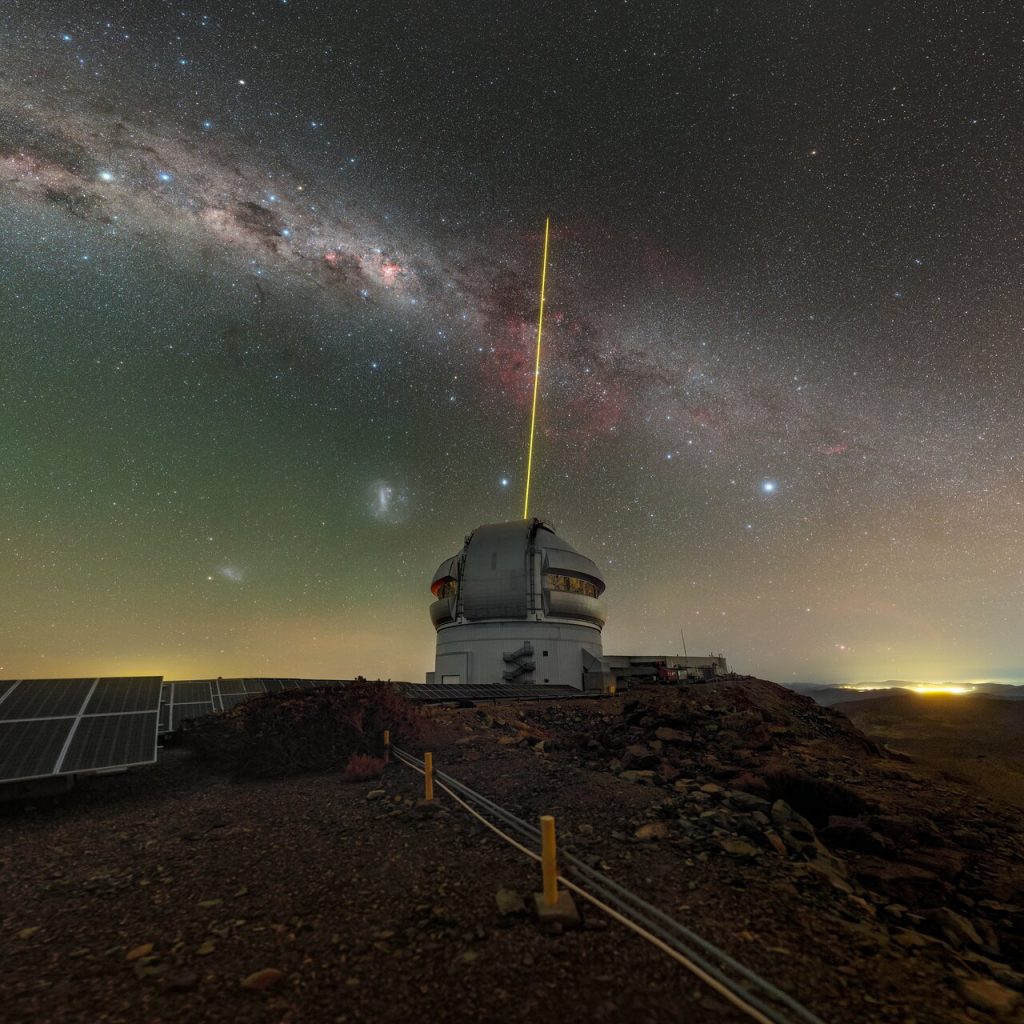
The image was captured using a state-of-the-art telescope located in Chile, a country known for hosting some of the most advanced astronomical observatories on Earth. Chile’s dry climate, high altitude, and minimal light pollution create near-perfect conditions for observing distant cosmic objects. These natural advantages have made the region a global hub for astronomical research.
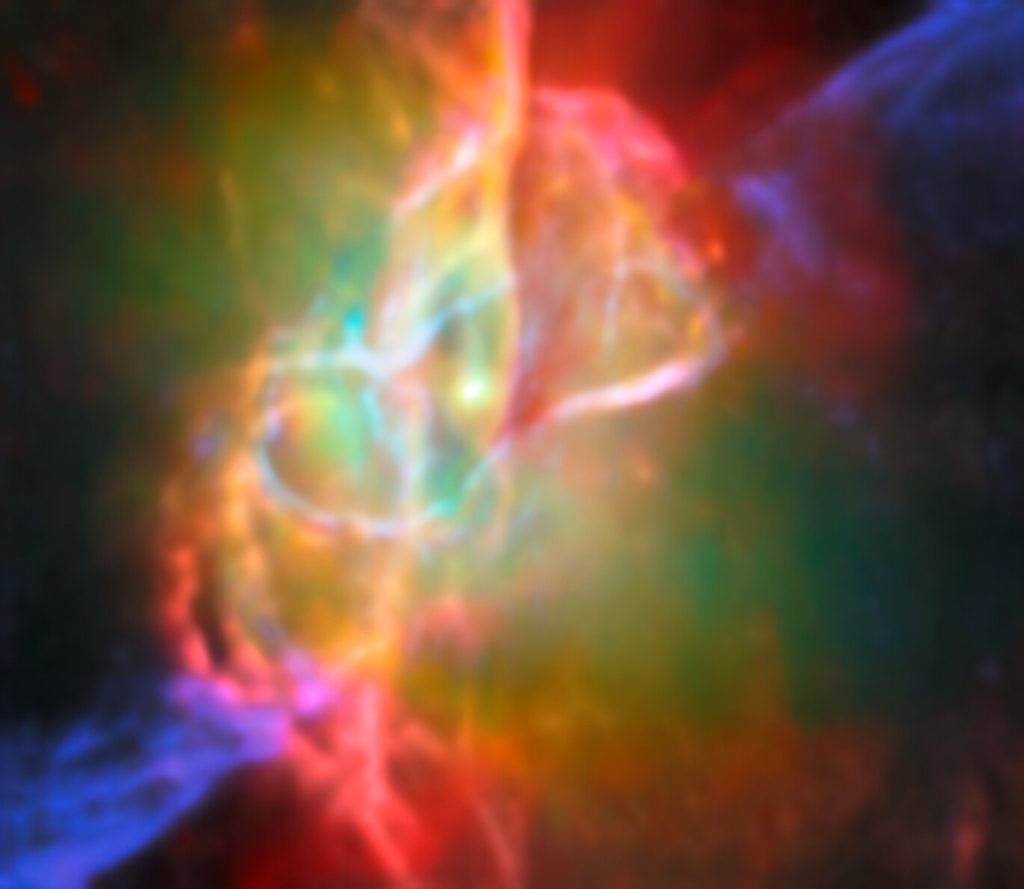
According to Phys.org, the telescope uses highly sensitive instruments capable of detecting multiple wavelengths of light. This technology allows astronomers to see structures that would otherwise remain invisible to human vision. Different wavelengths reveal different layers of the nebula, adding depth and scientific value to the image.
CBS News reported that researchers spent extensive time processing and refining the data after it was collected. Colors were carefully assigned to represent specific elements and temperatures within the nebula. The result is an image that balances accuracy with visual impact.
This careful process highlights the growing intersection between science and art in astronomy. While the primary goal is research, the resulting images often inspire emotional responses. They invite the public to engage with science not just intellectually, but visually and emotionally as well.
Why NGC 6302 Fascinates Scientists
Beyond its visual appeal, NGC 6302 holds immense scientific value. Astronomers study bipolar nebulae like this one to understand how stars shed mass and energy during their final evolutionary stages. These processes influence the structure of galaxies over time.
One of the most intriguing aspects of the Butterfly Nebula is the temperature of its central star. Scientists have identified it as one of the hottest known stars in the Milky Way. Its intense radiation sculpts the surrounding gas, pushing it outward into dramatic lobes.
The nebula also contains a complex mix of chemical elements. Oxygen, nitrogen, and carbon-rich compounds are scattered throughout the structure. These materials later become part of new stars, planets, and potentially even life-bearing systems.
Studying images like this helps researchers refine theoretical models. It also offers a glimpse into the distant future of our own solar system. One day, our sun may create a similarly beautiful nebula as it reaches the end of its life.
How the Image Went Viral Worldwide
Soon after its release, the cosmic butterfly image began circulating rapidly online. Major news outlets, science publications, and casual social media users shared the image widely. Its immediate visual impact made it accessible even to those with no background in astronomy.
The New York Post highlighted the emotional reaction the image sparked. Many readers were struck by how closely the nebula resembled a butterfly, a symbol often associated with transformation and renewal. This symbolism added another layer of meaning for viewers.
Comments across platforms reflected awe, curiosity, and introspection. Some people described feeling small in a comforting way, while others expressed renewed interest in space exploration. The image became a conversation starter rather than just a news item.
This viral response demonstrates how space imagery can connect people. In a divided digital landscape, a single cosmic image created a moment of shared wonder. It reminded audiences that curiosity is a universal human trait.
What This Image Means for Future Discoveries
Although the Butterfly Nebula itself has been known for decades, this image represents a significant leap forward. Advances in telescope sensitivity and data processing allow astronomers to revisit known objects with fresh perspective. Each new image can reveal previously hidden details.
As technology continues to improve, scientists expect to uncover more complex structures within nebulae and galaxies. These discoveries may answer long standing questions about how stars form and die. They may also raise entirely new questions for future research.
There is also a strong educational impact. Stunning images like this often inspire students to explore science, physics, and engineering. Visual storytelling has become a powerful gateway into scientific learning.
Ultimately, the cosmic butterfly shows that discovery is an ongoing process. Even familiar regions of space still have secrets to reveal. Seeing them more clearly deepens both scientific knowledge and human appreciation.
A Moment of Reflection Beneath the Stars
The release of this image encourages reflection on humanity’s place in the universe. From a small planet orbiting an average star, we can observe events unfolding thousands of light years away. This ability reflects centuries of curiosity and progress.
It also underscores the importance of global cooperation. Scientists, engineers, and institutions across continents contributed to the technology and analysis behind this image. Their shared efforts highlight what collaboration can achieve.
For everyday readers, the cosmic butterfly offers a quiet moment of perspective. It invites people to pause, look upward, and reconnect with a sense of wonder often lost in daily routines. Such moments can be grounding as well as inspiring.
As telescopes continue to probe deeper into space, images like this will keep reshaping how we see the universe. Each revelation reminds us that beauty and discovery often go hand in hand, waiting patiently to be noticed.
Featured Image Credit: NASA, ESA, Joel Kastner (RIT)