
Your cart is currently empty!
The Man Who Turned Antarctic Ice Into A Telescope Just Won The Nobel Prize
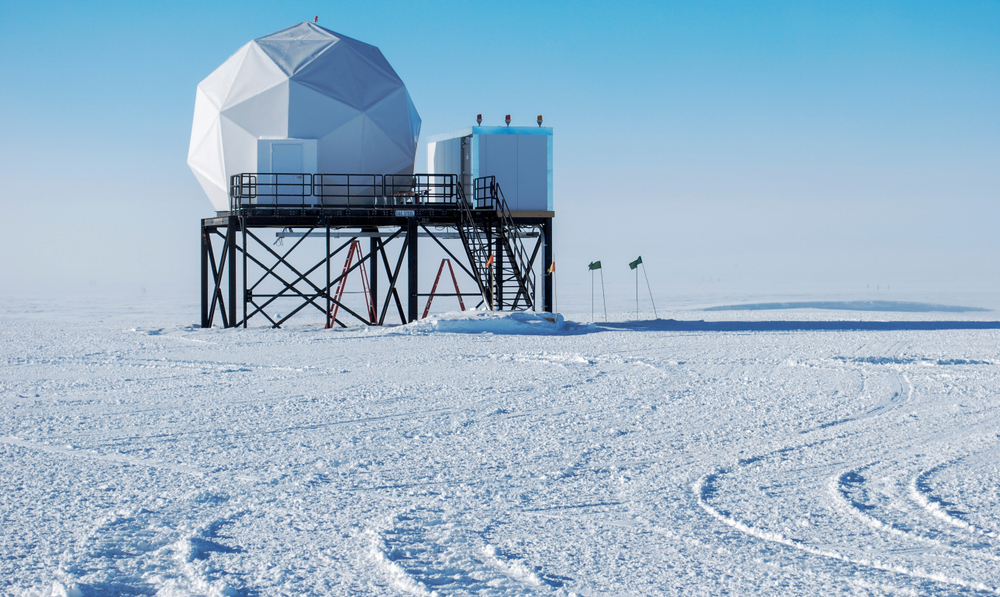
A physicist has just won the 2026 Nobel Prize in Physics for helping build a telescope unlike anything most people have ever seen. Instead of sitting on a mountain or orbiting Earth, this extraordinary observatory is buried deep beneath the frozen landscape of Antarctica, where thousands of sensors wait for tiny flashes caused by particles…
Did Life on Earth Start in Space? What Scientists Are Finding in Asteroid Samples
Life had to start somewhere. Before the first cell could reproduce, before DNA could carry instructions and before anything resembling a living organism existed, chemistry had to somehow assemble enough useful information to get the process moving. Scientists still do not know exactly how that happened, and a new calculation has put some extraordinary numbers…
Scientists Found the One Thing That Can Finally Kill Earth’s Toughest Animal
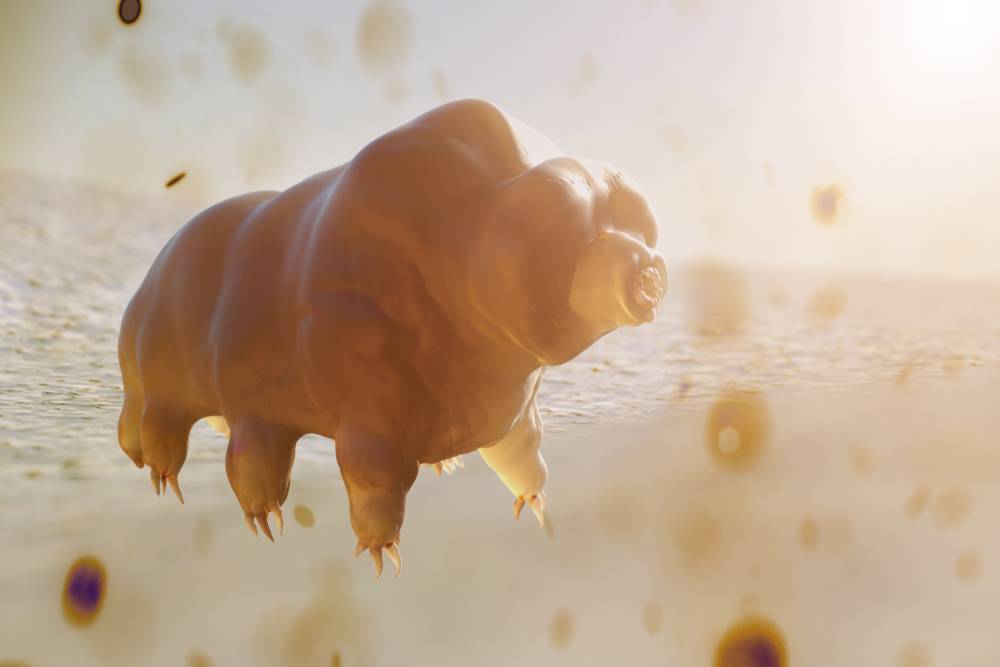
Tardigrades have survived conditions that sound impossible for a tiny animal. They have endured freezing temperatures, extreme dehydration, radiation exposure, and even the vacuum of outer space. For years, these microscopic creatures have represented one of science’s clearest examples of survival against the odds. Now, researchers have discovered something that can stop these famously tough…
A Discarded SpaceX Rocket Is Hurtling Toward the Moon at 5,400 MPH — What Happens on Impact?
Right now, somewhere between Earth and the Moon, a dead rocket is falling toward a collision nobody planned. It will hit at 6:35 universal time on August 5, 2026, in a sunlit stretch of ancient crust near a crater called Einstein, and astronomers can already tell you that almost to the second. Here’s the strange…
James Webb Telescope Just Confirmed a Cosmic Mystery That Physics Cannot Explain
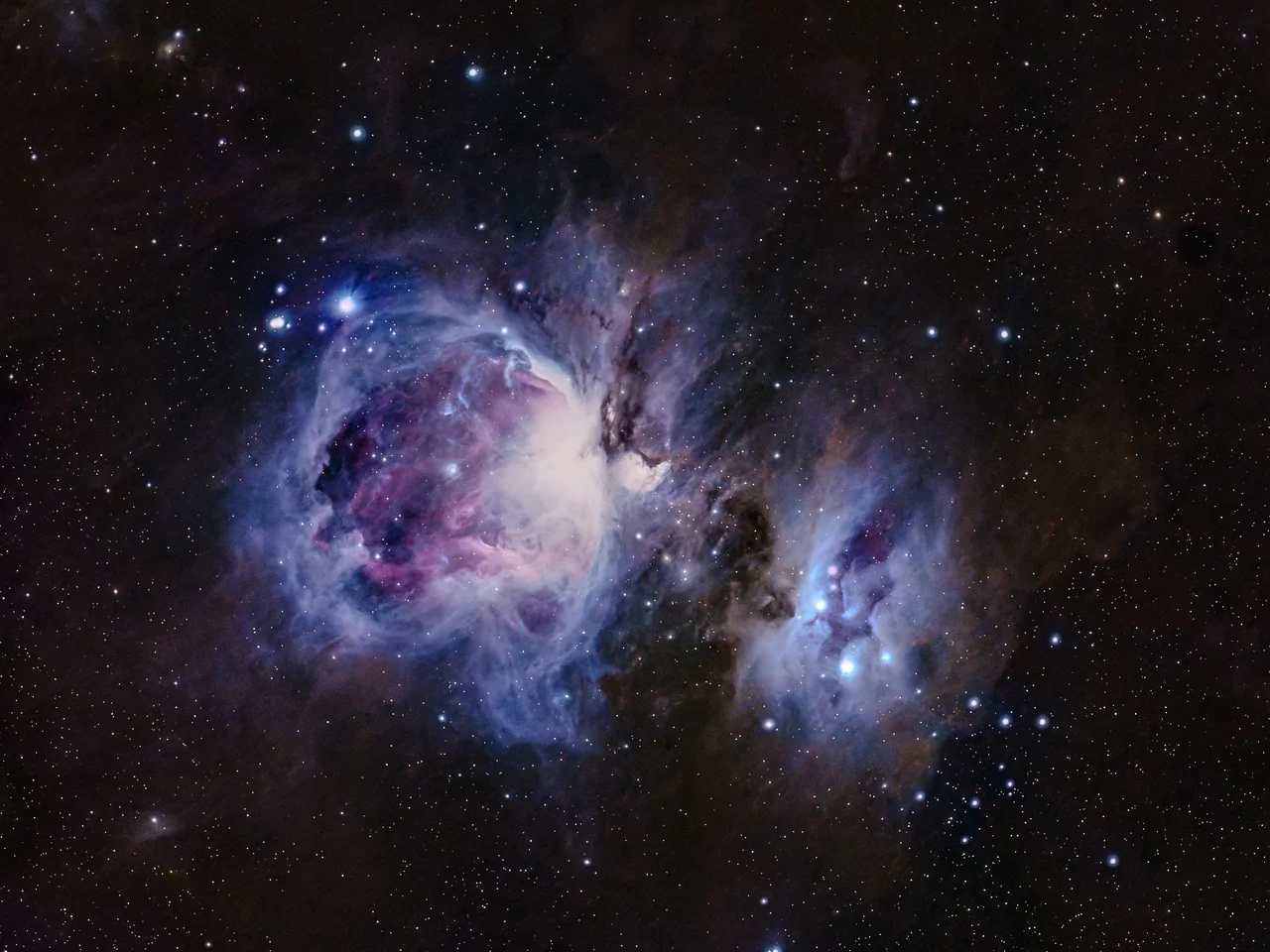
For decades, astronomers believed they were steadily building a complete understanding of the cosmos. Every new telescope, every deep space observation, and every scientific breakthrough seemed to bring humanity closer to answering some of the universe’s biggest questions. Researchers felt increasingly confident that the fundamental laws governing cosmic expansion were well understood. That confidence was…
After 49 Years in Deep Space, Voyager 1 Goes Quiet on One More Front
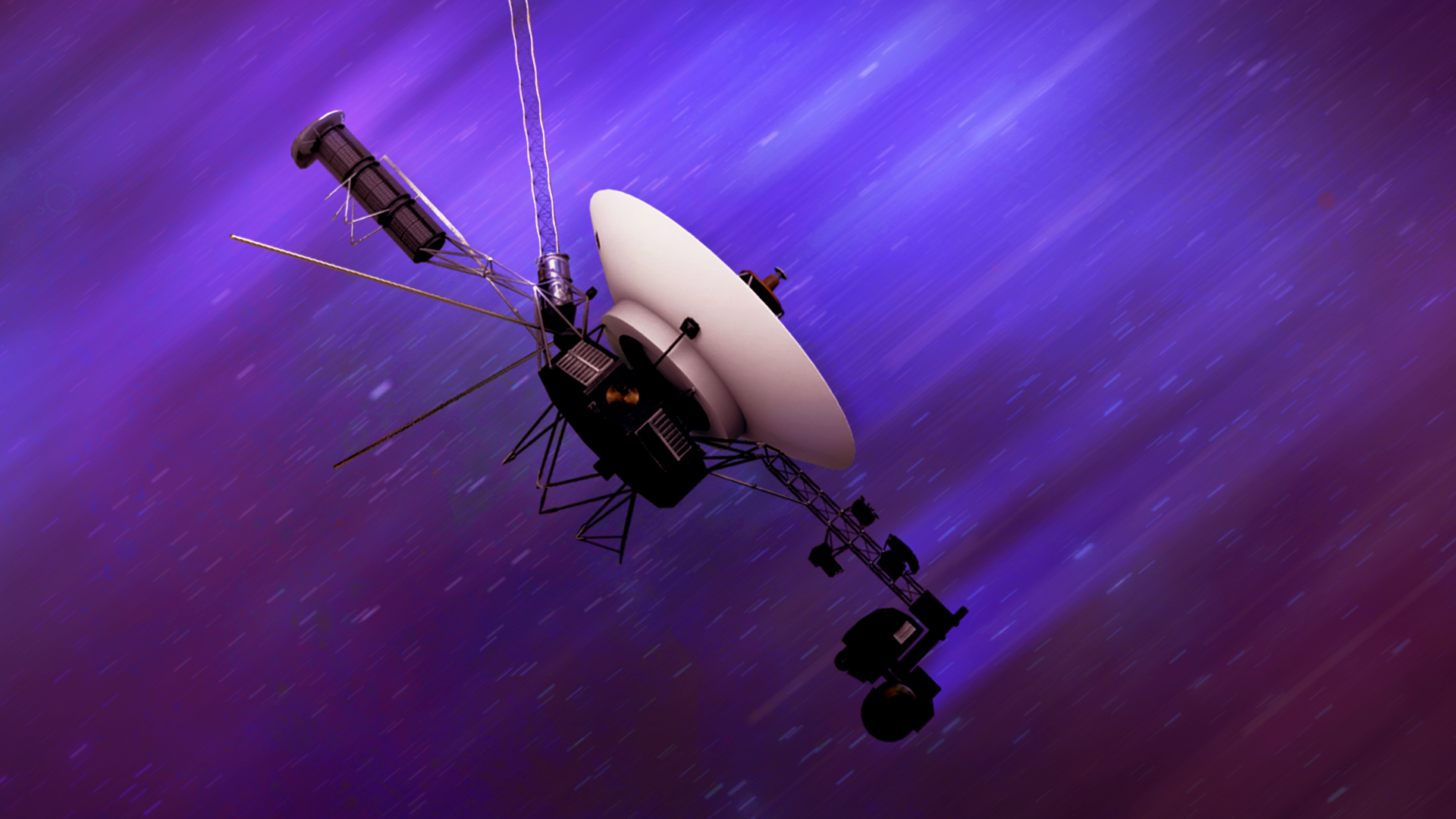
Somewhere past the edge of our solar system, a spacecraft the size of a small car hurtles through interstellar space at more than 51,000 miles per hour. Built in an era before personal computers, assembled by hand, and launched before most people alive today were born, Voyager 1 has kept going longer than almost anyone…
Scientists Discover Darkness Moves Faster Than Light
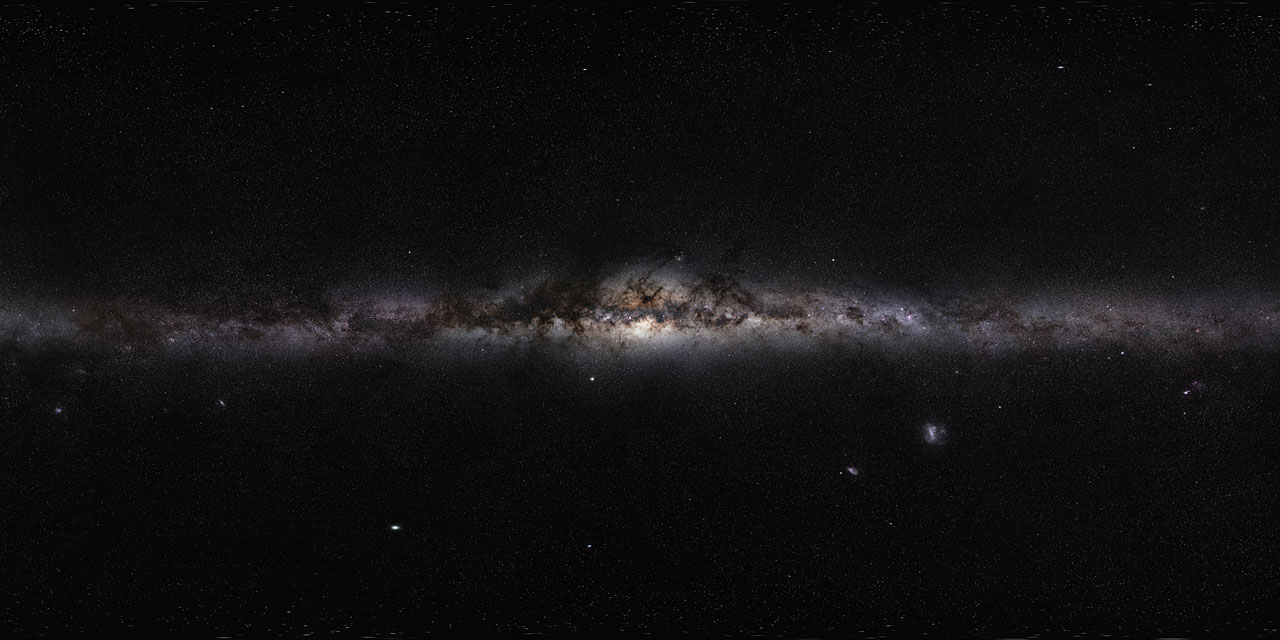
For decades, one idea has stood unchallenged in popular science: nothing travels faster than the speed of light. It is a statement repeated in classrooms, documentaries, and everyday conversations as a kind of universal truth. The number itself, 299,792,458 meters per second, has come to represent a boundary that nature simply does not cross. But…
What Artemis astronauts might experience after just 10 days in space
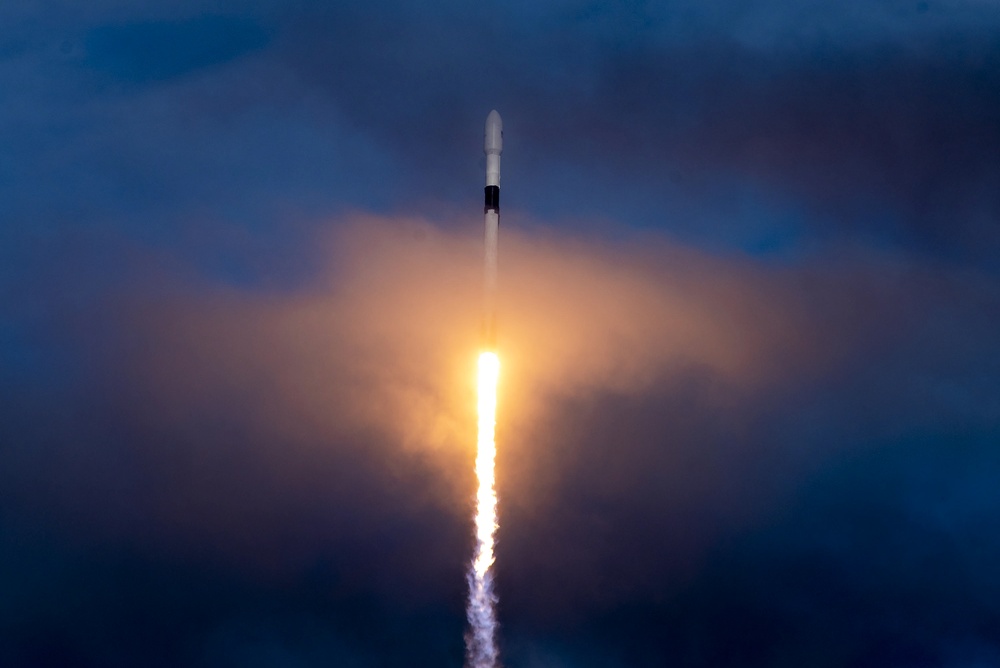
The journey to the Moon is often presented as one of humanity’s greatest achievements, something that blends cutting-edge technology with an almost dreamlike sense of exploration. But as the Artemis II crew prepare to return to Earth after more than a week in space, the focus begins to shift away from the mission itself and…
How a 27-Year-Old Rewrote the Story of the Universe Section
Adam Riess helped build one of the most important scientific theories of the last century. His measurements changed how physicists understand the cosmos, earned him a Nobel Prize in Physics, and shaped the story humanity tells itself about how everything ends. Now he wants to tear that story apart. At 55, Riess sits in his…
NASA’s Voyager Spacecraft Discovered a ‘Wall of Fire’ at the Edge of Our Solar System

In 1977, NASA launched two spacecraft on a mission that would outlast every prediction. Voyager 1 and Voyager 2 left Earth to study the outer planets, but their journey never stopped. Decades later, Voyager 1 had traveled farther than any human-made object in history, drifting through regions of space no instrument had ever sampled. And…