
Your cart is currently empty!
Ancient Dinosaur Discovery Connects Extinction and Environmental Change

When visitors step into the Smithsonian’s National Museum of Natural History this holiday season, they will encounter more than a striking fossil behind glass. They will come face to face with a fragment of deep time, a survivor of processes that shaped Earth long before humans existed. The near-complete skull of a Pachycephalosaurus, a dome-headed dinosaur that lived roughly 67 million years ago, offers a rare and intimate glimpse into a vanished world.
Contents
show
While dinosaur fossils often inspire awe through sheer size or spectacle, this specimen invites a quieter and more reflective response. Preserved within its bones is a story about ecosystems, extinction, and planetary change. In an era defined by accelerating climate shifts and biodiversity loss, the skull’s arrival at the museum feels timely, reminding us that Earth has undergone dramatic transformations before and that life’s resilience has always existed alongside fragility.
A Rare Window Into the Final Days of the Dinosaurs
The Pachycephalosaurus skull was discovered in 2024 in the Hell Creek Formation of South Dakota, a geologic layer famous among paleontologists for capturing the last 1.5 million years of the Cretaceous Period. These rocks preserve evidence from the very end of the age of dinosaurs, just before an asteroid impact triggered one of the most significant mass extinctions in Earth’s history.
According to Matthew Carrano, curator of Dinosauria at the National Museum of Natural History, the fossil represents animals that lived remarkably close to this catastrophic event. Unlike many fossils that come from broader and less precise time ranges, this skull is anchored to a narrow slice of Earth’s timeline. It belonged to a dinosaur that walked among forests, rivers, and floodplains shortly before global environmental collapse reshaped the planet.
Pachycephalosaurus fossils are exceptionally rare within Hell Creek. Smithsonian researchers estimate they account for less than one percent of the dinosaur remains found there. By comparison, fossils of Triceratops and Tyrannosaurus rex are far more abundant. This imbalance underscores how unevenly the fossil record captures ancient life and why discoveries like this skull are scientifically invaluable.
Why Pachycephalosaurus Remains So Mysterious
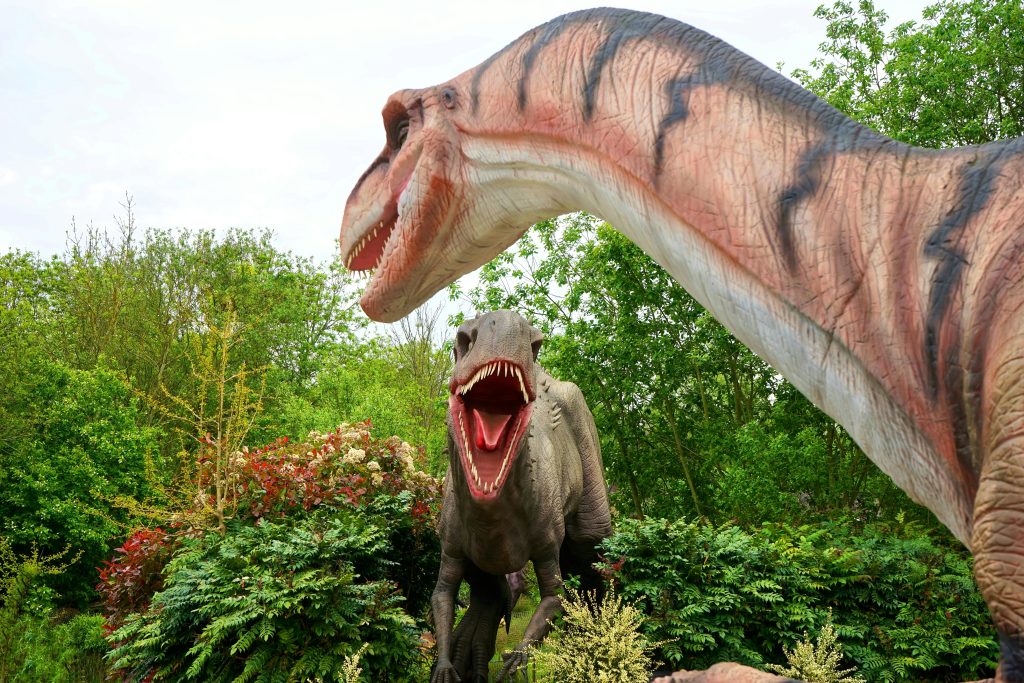
Pachycephalosaurus is one of the most recognizable dinosaurs thanks to its thick, domed skull, which can resemble half a bowling ball. The name itself comes from Greek words meaning thick-headed lizard. Paleoartists and documentaries often depict these animals charging headfirst into rivals, using their reinforced skulls like battering rams.
Yet much about the dinosaur’s life remains uncertain. Most known specimens consist of isolated domes rather than complete skulls or skeletons. Facial bones, teeth, and delicate structures usually break apart before fossilization. As a result, researchers have long debated basic questions about Pachycephalosaurus behavior, growth, and even how many species actually existed.
The newly acquired skull stands out because of its completeness. It contains 32 cranial bones, many still connected in their original positions, along with several teeth and even replacement teeth forming within the jaws. Carrano has described it as the most spectacular specimen of its kind in the museum’s collection. For the first time, scientists can study the animal’s face, dentition, and skull architecture as a unified whole.
This level of preservation opens doors to understanding how Pachycephalosaurus fed, how its skull developed over time, and how individuals may have differed between juvenile and adult stages. Some paleontologists suspect that what were once classified as separate species may actually represent younger forms of Pachycephalosaurus. This skull could help resolve those debates.
The Hell Creek Formation and Ancient Ecosystems

The Hell Creek Formation is more than a fossil hotspot. It is a detailed record of an ancient ecosystem on the brink of collapse. During the late Cretaceous, the region that is now the northern Great Plains supported lush environments with rivers, wetlands, and diverse plant life. Dinosaurs shared these landscapes with early mammals, reptiles, and birds.
Studying fossils from Hell Creek allows scientists to reconstruct how these ecosystems functioned and how they responded to stress. Evidence from the formation shows changes in vegetation, water systems, and species composition leading up to the asteroid impact. These shifts did not occur overnight. They unfolded over thousands of years as global conditions evolved.
For climate scientists and environmental historians, Hell Creek offers an important reminder that extinction events are complex processes. While the asteroid impact was sudden, the vulnerability of ecosystems was shaped by longer-term environmental factors. Understanding those dynamics helps modern researchers think more clearly about how current climate pressures might interact with existing ecological stresses.
The Pachycephalosaurus skull adds another data point to this broader picture. Its rarity suggests the species may have been less abundant or more ecologically specialized than its contemporaries. If so, that specialization could have made it more vulnerable to rapid environmental change.
From Private Land to Public Trust

The journey of the skull from the ground in South Dakota to a museum display case in Washington, D.C., reflects ongoing conversations about fossil stewardship. The specimen was excavated on private land and later purchased at a Sotheby’s auction by philanthropists Eric and Wendy Schmidt for $1.7 million. They subsequently donated it to the Smithsonian.
Fossils often sit at the intersection of science, commerce, and public interest. While private collectors play a role in discovery, museum donations ensure that specimens remain accessible for research and education. In this case, the Schmidts’ gift also supports broader digitization efforts at the National Museum of Natural History.
Wendy Schmidt has spoken about how ancient fossils prompt reflection on humanity’s place in Earth’s long story. Her remarks highlight a growing recognition that preserving natural history is not just about curiosity, but about maintaining a shared record of planetary change. Once fossils enter public collections, they become part of a collective effort to understand where we come from and where we might be headed.
Seeing Science Happen in Real Time
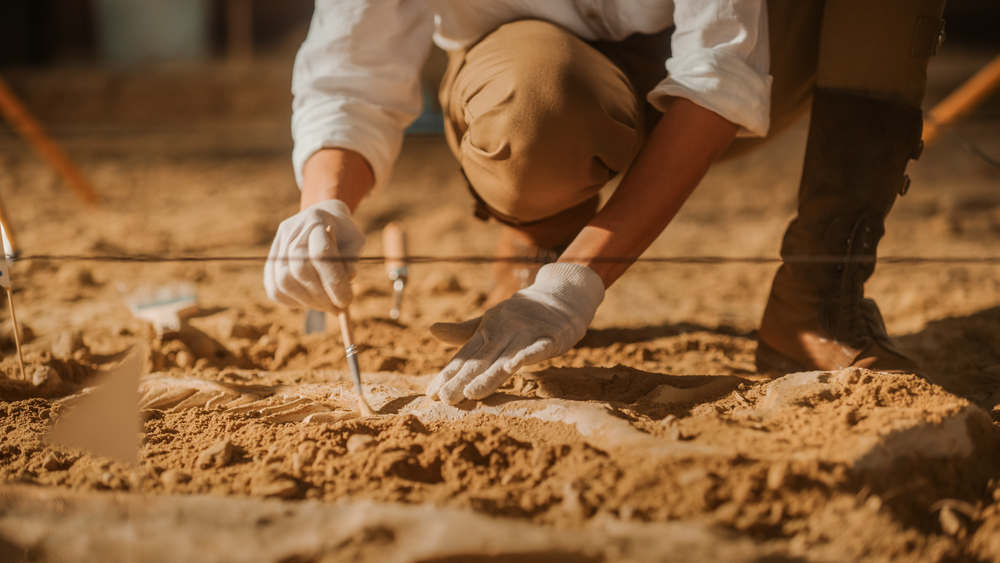
For a brief period from December 22 through December 28, visitors will be able to view the Pachycephalosaurus skull in the museum’s FossiLab, a working fossil preparation laboratory. Unlike traditional displays that present finished specimens, FossiLab allows the public to see scientists actively studying and conserving fossils.
This approach demystifies science. Visitors can observe paleontologists examining bone surfaces, stabilizing fragile areas, and discussing findings with colleagues. According to Carrano, the space allows people to get close to the fossil and appreciate details like the animal’s delicate tooth structure, which is beautifully preserved despite its age.
After the temporary display, the skull will spend years behind the scenes as researchers conduct detailed analyses. Eventually, it will join the museum’s permanent Hall of Fossils, ensuring long-term public access.
Unlocking Secrets With Modern Technology
One of the most exciting aspects of the skull’s acquisition is what it enables through modern imaging techniques. Paleontologists plan to CT-scan the specimen to examine internal structures hidden beneath its thick dome. These scans will allow researchers to study the shape and size of the brain cavity and the arrangement of bones that are otherwise inaccessible.
Digital scanning will also produce a three-dimensional model of the skull. This virtual replica can be shared with scientists around the world, expanding research opportunities beyond the museum’s walls. For rare specimens like this one, digitization is particularly valuable because it reduces the need for physical handling while increasing global access.
Such technology represents a shift in how paleontology operates. Fossils are no longer confined to single institutions. Instead, they become part of a distributed scientific network, supporting collaboration and transparency.
Deep Time Lessons for a Changing Planet
Although the Pachycephalosaurus skull comes from a world radically different from our own, its story resonates with modern environmental concerns. The dinosaur lived during a period of high atmospheric carbon dioxide, warm global temperatures, and dynamic ecosystems. These conditions supported rich biodiversity but also left life vulnerable to sudden disruptions.
The mass extinction that ended the Cretaceous Period eliminated all non-avian dinosaurs and reshaped life on Earth. While today’s climate challenges are driven by different mechanisms, the outcome of rapid environmental change can still be severe. Studying past extinctions helps scientists understand thresholds, resilience, and recovery.
Importantly, Earth eventually rebounded after the asteroid impact. New ecosystems emerged, mammals diversified, and life continued. That recovery, however, unfolded over millions of years. From a human perspective, that timescale underscores how long-lasting the consequences of environmental upheaval can be.
Fossils as Tools for Environmental Reflection
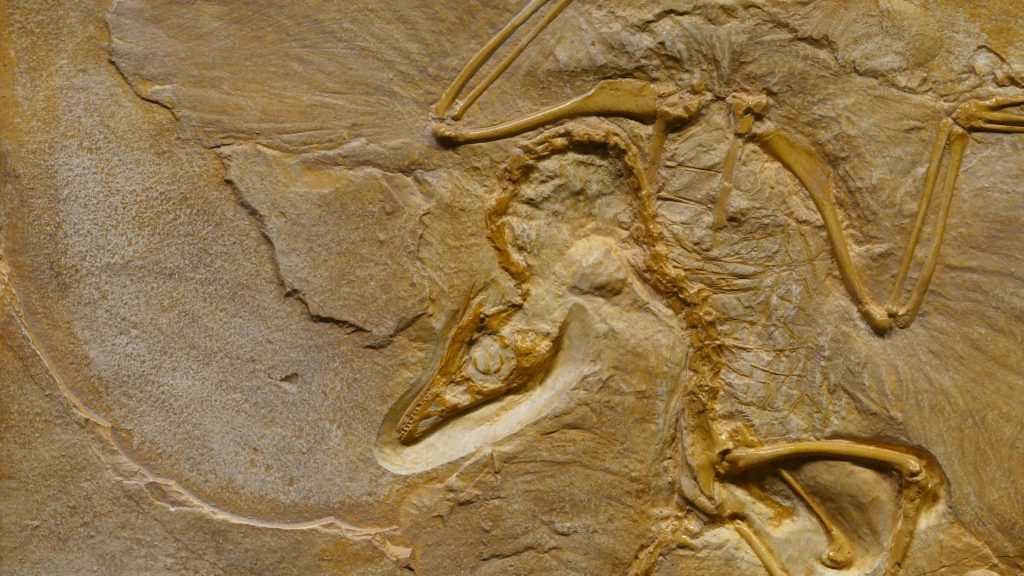
Museums play a crucial role in connecting scientific knowledge with public awareness. Fossils like the Pachycephalosaurus skull act as tangible links to Earth’s deep past. They make abstract concepts like geologic time and extinction more accessible.
When visitors stand inches away from a 67-million-year-old skull, the scale of Earth’s history becomes harder to ignore. Human civilization occupies only a thin sliver of that timeline. This perspective can foster humility and encourage more thoughtful conversations about stewardship and sustainability.
Environmental educators often emphasize that understanding the past is essential for navigating the future. Fossils provide evidence of how life responds to change, both gradual and abrupt. They remind us that while Earth will endure, the forms of life it supports are not guaranteed.
The Role of Philanthropy in Preserving Earth’s History

The donation of the Pachycephalosaurus skull also highlights how private philanthropy can support public science. Eric and Wendy Schmidt have a long history of funding environmental, scientific, and educational initiatives. Their support for fossil digitization aligns with broader efforts to democratize access to knowledge.
By funding both the acquisition and the digital preservation of the skull, the Schmidts have ensured that its scientific value extends far beyond a single display case. Researchers, students, and educators around the world will benefit from access to its data.
This model of partnership between private donors and public institutions may become increasingly important as museums face funding challenges. When guided by transparency and public interest, such collaborations can strengthen scientific infrastructure and outreach.
Why This Discovery Matters Now
The arrival of the Pachycephalosaurus skull at the National Museum of Natural History comes at a moment when questions about Earth’s future are increasingly urgent. Climate change, habitat loss, and species extinction dominate environmental discussions. While the causes differ from those of the Cretaceous extinction, the underlying theme of planetary vulnerability remains.
This fossil does not offer simple answers or direct warnings. Instead, it provides context. It shows that Earth’s systems are interconnected and that disruptions can ripple across ecosystems. It also demonstrates the value of long-term thinking, a perspective often missing in modern decision-making.
By studying ancient life, scientists gain insights that inform conservation biology, climate modeling, and ecological resilience. Public engagement with these discoveries helps translate scientific understanding into broader cultural awareness.
A Moment of Connection Across Millions of Years
For a brief week in December, visitors will be able to look closely at a skull that has survived eons of burial, erosion, and chance. That encounter represents more than a holiday exhibit. It is an invitation to reflect on Earth’s deep history and humanity’s brief presence within it.
As Carrano and his colleagues continue to study the specimen, new details about Pachycephalosaurus will emerge. Each finding will add nuance to our understanding of life before the asteroid and the complex pathways that shape evolution.
Ultimately, the skull’s greatest impact may lie not only in what it teaches scientists, but in what it inspires visitors to consider. In a world facing rapid environmental change, looking back 67 million years can sharpen our sense of responsibility for the present.
Looking Ahead Through the Lens of Deep Time
The Pachycephalosaurus skull will soon leave public view to undergo years of research, but its message will linger. Fossils remind us that Earth’s story is long, dynamic, and often unpredictable. They show that extinction and renewal are part of life’s history, but they also highlight the costs of sudden change.
As the skull eventually takes its place in the museum’s permanent exhibition, it will continue to serve as a bridge between science and society. Visitors of all ages will encounter a piece of Earth’s ancient past and, perhaps, leave with a deeper appreciation for the planet they inhabit today.
In that sense, this rare fossil is more than a scientific treasure. It is a quiet prompt to think carefully about how our actions shape the future chapters of Earth’s ongoing story.