
Your cart is currently empty!
Scientists Are Learning How to Grow Kidney Tissue That Behaves More Like the Real Organ
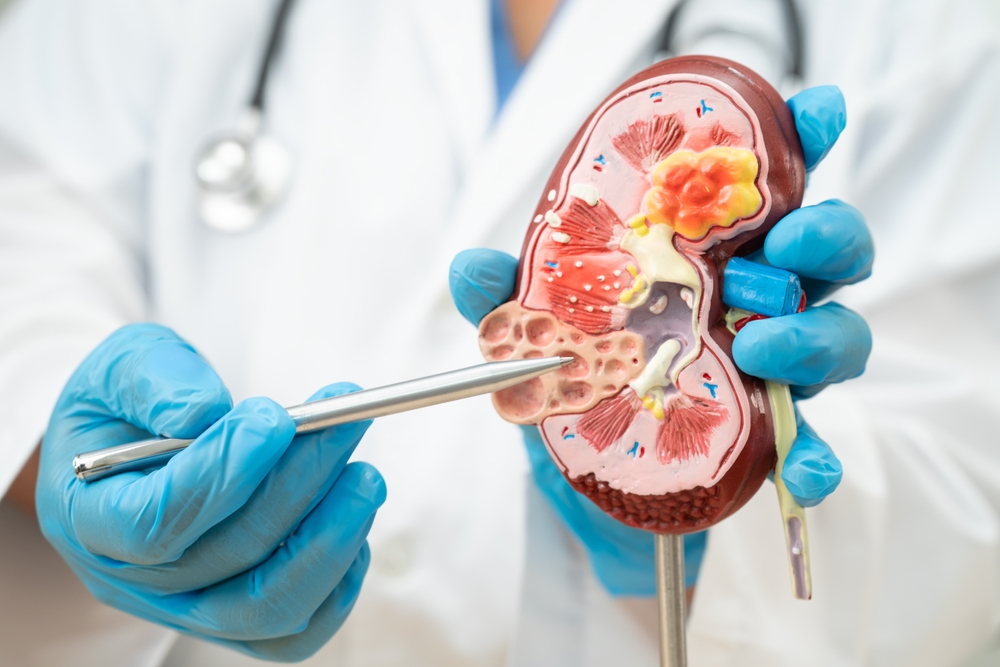
For years, lab-grown organs have sat in a strange space between hope and hesitation. For people affected by kidney disease, the promise has often sounded just out of reach, shaped by bold headlines that rarely translated into real change. Many of those stories traced back to early experiments that never moved beyond the laboratory, leaving patients and families unsure of what to believe.
Contents
show
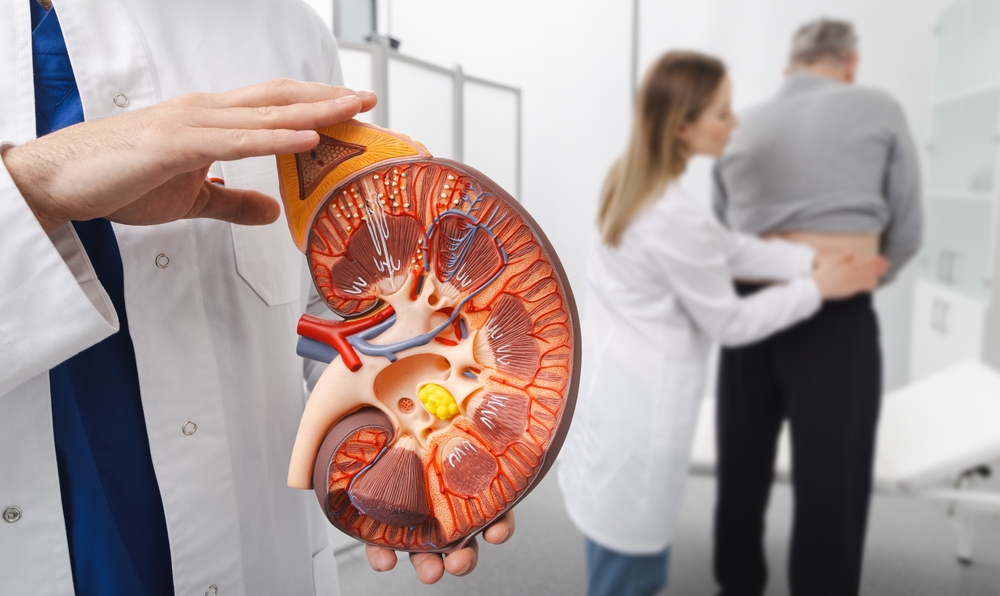
What is drawing attention now is not a single dramatic breakthrough, but a quieter shift in how kidney science is being approached. Researchers are beginning to understand the rules that guide how kidney tissue forms and functions in the human body. Instead of forcing cells to grow into simple structures, they are learning how to help those cells assemble and mature in more realistic ways. That change in approach is opening new possibilities, even as scientists remain clear about how much work still lies ahead.
Why Building a Kidney Is More Complex Than It Seems
A kidney functions because of precise organization, not brute capacity. Inside the organ, millions of microscopic filtering units are arranged in a specific order that allows blood and fluids to pass through the right cell types at the right time. Each segment performs a distinct task, and small errors in structure can disrupt essential processes like filtration and reabsorption.
Development makes this precision harder to replicate. As a kidney forms, cells respond to a carefully timed sequence of biological signals that determine both their identity and how they connect to surrounding tissue. In the lab, reproducing that timing is difficult. Cells may receive correct signals, but out of sequence, leading to tissue that resembles a kidney without functioning like one.
Scale and integration add further challenges. Human kidneys filter large volumes of blood continuously, relying on vast surface area and constant feedback from blood pressure, hormones, and hydration levels. Lab-grown tissue can mimic parts of this system, but maintaining organization as it grows and enabling real time responsiveness remain major barriers. That is why progress has depended on understanding how kidneys develop before attempting to build complete replacements.
How Scientists Learned That Kidney Cells Are Not Locked Into One Future
Kidney research long struggled with a basic problem. Scientists could grow kidney related cells, but they had little control over what those cells became. In the body, early kidney cells remain flexible, responding to cues from their environment that guide their role and position. In the lab, without a clear understanding of those cues, cells often developed unevenly, producing tissue that looked convincing but lacked organization.
Researchers at the Keck School of Medicine of USC shifted the focus from growing cells to understanding how those decisions are made. Using human stem cell derived kidney organoids, they tracked how precursor cells respond to different molecular signals during development. Their findings, published in Nature Communications, showed that these cells remain adaptable longer than expected, taking on different nephron identities depending on the signals they receive.
“Our system highlights how precursor cells are not locked into adopting a certain identity or fate, and paves the way for generating nephron cells on demand,” said lead author MaryAnne Achieng in a statement published by USC.
By adjusting signaling pathways such as BMP, WNT, and FGF, the researchers were able to guide cells toward specific roles within the nephron, from filtration and absorption to urine balancing functions. This ability to direct cell fate matters because building functional kidney tissue depends less on cell quantity and more on placing the right cells in the right positions so they can work together as an integrated system.
Teaching Immature Kidney Cells to Act Like Adult Tissue
Producing kidney like cells in the lab has never been the hardest part. The challenge has been getting those cells to mature. For years, lab-grown kidney tissue looked convincing but behaved more like early developmental tissue, limiting its usefulness for studying disease or predicting how real kidneys respond to injury.
In a separate study led by researchers at the University of Southern California, scientists examined why lab-grown proximal tubule cells stalled before reaching functional maturity. By comparing these organoids with cells from developing human kidneys, they identified missing signals that normally guide how nephron segments organize and mature. Once those signals were restored, the lab-grown cells began to behave more like functioning kidney tissue rather than static models.
That change became clear when the organoids were exposed to cisplatin, a chemotherapy drug known to cause kidney damage in patients. The lab-grown tissue showed the same pattern of drug induced injury seen in real kidneys, suggesting these models could improve how kidney toxicity is studied. “Our proximal tubule-like organoids are powerful tools to study development, congenital disease, injury and physiology,” said first author Jack Schnell in the USC release.
When Lab Grown Kidneys Start Acting Like Organs
For a long time, kidney organoids offered only a limited picture of how real kidneys function. That began to shift with research published in Cell Stem Cell and reported by Science, which described organoids with a level of internal organization not previously achieved. Rather than loosely arranged tissue, these models showed coordinated structures that more closely resemble living kidneys.
“These are probably the best we’ve ever seen,” said developmental biologist Alex Combes of Monash University, who was not involved in the study, in comments to Science. “But there’s still a way to go.”

The difference lay in how these organoids developed. They formed more complex networks of tubules, displayed gene activity patterns similar to those of newborn mouse kidneys, and released some hormones normally produced by functional kidneys. When implanted into mice, the organoids connected to blood vessels and began filtering blood, producing urine.
The limitations were still apparent. The urine was more dilute than normal because the organoids lack the structures required for concentration, highlighting how close yet incomplete the models remain. Even so, the progress has been enough to shift expectations in the field. “We’ve come so far in a short amount of time,” said stem cell biologist Joseph Bonventre of Harvard University, adding that lab-grown kidneys could become “the next big thing in renal replacement,” according to Science.
Why This Research Is Already Changing Medicine Even Without Transplants
Even without fully functional lab-grown kidneys, the science is already reshaping how kidney disease is studied and treated. One of the biggest limitations in kidney research has been the lack of human relevant models. Animal studies often fail to capture how human kidneys respond to injury, drugs, or genetic disorders, while donated human tissue is scarce and variable. Lab-grown kidney organoids are beginning to close that gap.
These models allow researchers to observe kidney processes as they unfold, rather than inferring outcomes after damage has occurred. Scientists can watch how kidney cells respond to toxins, inflammation, or genetic mutations in real time. This is especially valuable for conditions like inherited kidney diseases, where early cellular changes are difficult to study in patients. Organoids carrying specific genetic defects can replicate aspects of disease progression, offering insight into when and how damage begins.
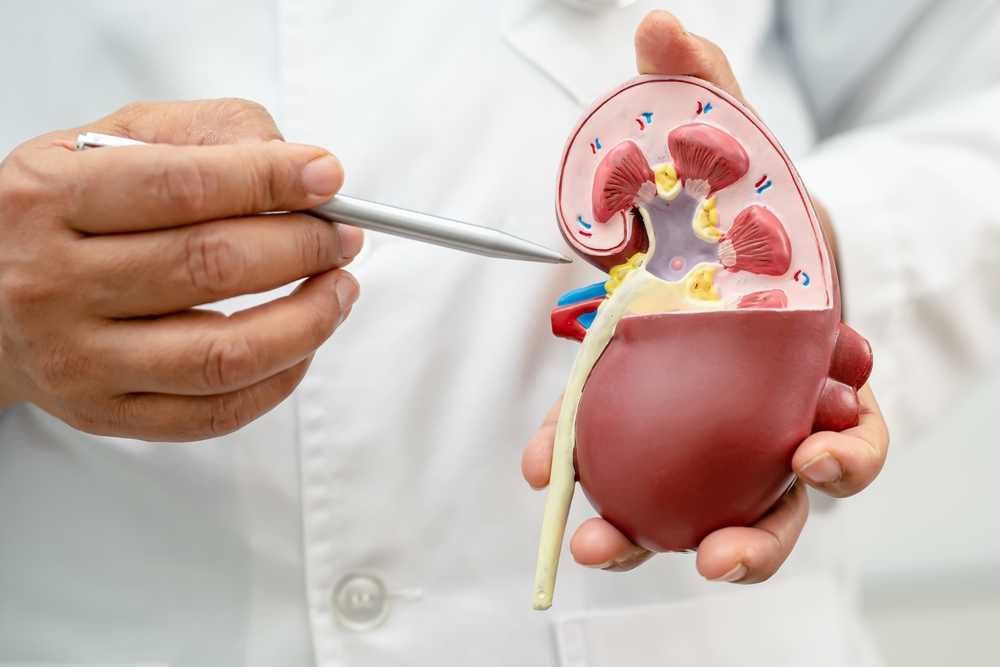
The pharmaceutical implications are significant as well. Kidney toxicity is a common reason drugs fail late in development or are pulled from the market after approval. More realistic kidney models could help identify harmful side effects earlier, reducing risk to patients and lowering the cost of drug development. In this way, lab-grown kidney research is already influencing clinical decision making and drug safety, even as the goal of transplantable organs remains further down the road.
Living in the Gap Between Progress and Practice
For patients with kidney disease, scientific progress often arrives long before it reaches daily life. Many people spend years navigating dialysis schedules, medication side effects, and uncertainty while reading about advances that feel both encouraging and distant. This gap between research and reality shapes how new discoveries are received, not as breakthroughs to celebrate immediately, but as possibilities weighed against lived experience.
That perspective matters because expectations influence decisions. Patients and families must make choices about treatment plans, transplant eligibility, and long term care without knowing whether emerging technologies will arrive in time to help them personally. Even promising research does not change the immediate need for reliable access to dialysis, donor organs, and supportive care. Understanding where lab-grown kidney science truly stands helps patients stay informed without being misled, allowing hope to exist alongside realistic planning.
In this way, progress in the lab has value beyond its technical achievements. Clear communication about what research can and cannot deliver helps people living with kidney disease feel respected rather than marketed to. As science advances, maintaining that honesty may be just as important as the discoveries themselves.
What This Moment Means for People Living With Kidney Disease
The idea of growing kidneys in a lab still sounds distant, and in many ways it is. Yet the story unfolding now is not about sudden cures or dramatic announcements. It is about steady progress built on a clearer understanding of how kidneys form, organize, and respond to stress. Researchers are no longer guessing their way forward. They are learning how to guide cells using the same biological rules that shape kidneys in the body, and that shift has already changed what is possible in research and medicine.

For people living with kidney disease, this moment calls for cautious hope rather than expectation. Lab-grown kidneys are not ready to replace dialysis or transplants, but the science is moving in a direction that prioritizes reliability over spectacle. Each advance brings better tools to study disease, safer ways to test drugs, and a stronger foundation for future therapies. What matters most is that progress is now measured by function and understanding, not headlines, and that is the kind of change that lasts.