
Your cart is currently empty!
Why Public Speakerphone Calls Are Suddenly Getting People Fined

For years, loud phone calls on speaker have been an accepted irritation of modern public life. Whether on trains, buses, or in busy stations, many people have grown used to overhearing conversations that were never meant for them. What once felt like a minor social annoyance is now becoming a legal issue in certain parts of the world.
Contents
show
A recent incident in France has gone viral after a commuter was fined for using his phone on loudspeaker in a train station. The story quickly spread across social media and news outlets, sparking heated debates about public etiquette, personal freedom, and whether fines are an appropriate response to everyday disruptions.
This article explores how a single fine turned into an international discussion, why authorities are starting to take noise pollution more seriously, and what this could mean for travelers and commuters everywhere.

When Calls Cost Money
In early 2025, a man waiting at Nantes train station answered a phone call from his sister and placed it on speaker. The conversation itself was ordinary, but the volume was loud enough for others nearby to hear clearly. According to reports from CNN, a member of the French national rail company staff approached him and warned that using loudspeaker mode in that area was not allowed.
The passenger initially believed the warning was a joke and continued his call. Shortly after, he was issued a fine of one hundred and fifty euros for disturbing the peace in a public transport area. Because he did not pay the fine immediately, the amount was later increased to two hundred euros.
French transport regulations allow authorities to penalize behavior that creates excessive noise in areas dedicated to public transport. This includes loud phone calls, music played without headphones, and other sound producing devices that disrupt shared spaces. While these rules have existed for some time, enforcement has historically been rare.
What made this case stand out was not just the fine itself, but how quickly it captured public attention. The man later stated that he planned to contest the fine, arguing that the punishment was disproportionate. His story resonated with millions who have either been annoyed by loud calls or worried they could be fined for similar behavior.
Why It Struck Nerves
The viral spread of this story reflects a universal experience. Almost everyone has encountered loud phone conversations in public places, from trains and airports to cafes and waiting rooms. For many, it is a source of constant frustration that feels impossible to escape.
According to coverage by the BBC, public reaction to the French fine was deeply divided. Some people praised the move as long overdue, arguing that shared spaces should come with shared responsibilities. Others felt the fine was excessive and worried about over policing everyday behavior.
Social media amplified the debate, with thousands of comments discussing whether speakerphone use should be considered rude, selfish, or simply a normal part of modern communication. The incident struck a nerve because it highlighted how technology has changed social norms faster than laws have adapted.
The story also resonated because it challenged an unspoken assumption. Many people assume that public spaces come with a certain level of unavoidable noise. The French fine suggested that this assumption may no longer hold, especially as cities and transport systems become more crowded.

Noise Rules Are Changing
While the French case felt shocking to many, it is not happening in isolation. Across Europe and beyond, authorities have been reassessing how noise impacts quality of life in public spaces. In some countries, laws already exist that allow fines for disruptive noise, even if they are not widely enforced.
The BBC reported that in the United Kingdom, transport bylaws prohibit using devices that cause annoyance to others. Quiet carriages on trains are a clear example of how transport systems are attempting to create calmer environments for passengers who value silence.
Portugal has also taken steps to address the issue. Authorities there have introduced fines for excessive noise on public transport, including loud phone use. These penalties can range from fifty to two hundred and fifty euros, depending on the severity of the disturbance.
Japan offers another perspective. While formal fines are rare, strong cultural expectations around public behavior mean that loud phone conversations are socially discouraged. Signs in trains routinely ask passengers to keep phones on silent and avoid calls, reinforcing a culture of mutual respect.
What Travelers Should Know
For travelers and commuters, the message is becoming clearer. Awareness of noise rules is no longer optional. What feels normal in one country may be considered disruptive in another, especially in areas designated for quiet or shared use.
CNN noted that transport authorities often rely on discretion when enforcing noise related rules. This means that behavior may be tolerated one day and penalized the next, depending on complaints from other passengers or staff intervention.
Commuters should also recognize that public sentiment appears to be shifting. Surveys consistently show that a majority of people find loud phone calls in shared spaces annoying. This growing frustration creates pressure for authorities to take action, even if that action feels sudden or strict.
Being mindful of volume, using headphones, and stepping away from crowded areas for phone calls are simple steps that can prevent conflict and potential penalties. These small adjustments can significantly improve the experience for everyone sharing the space.
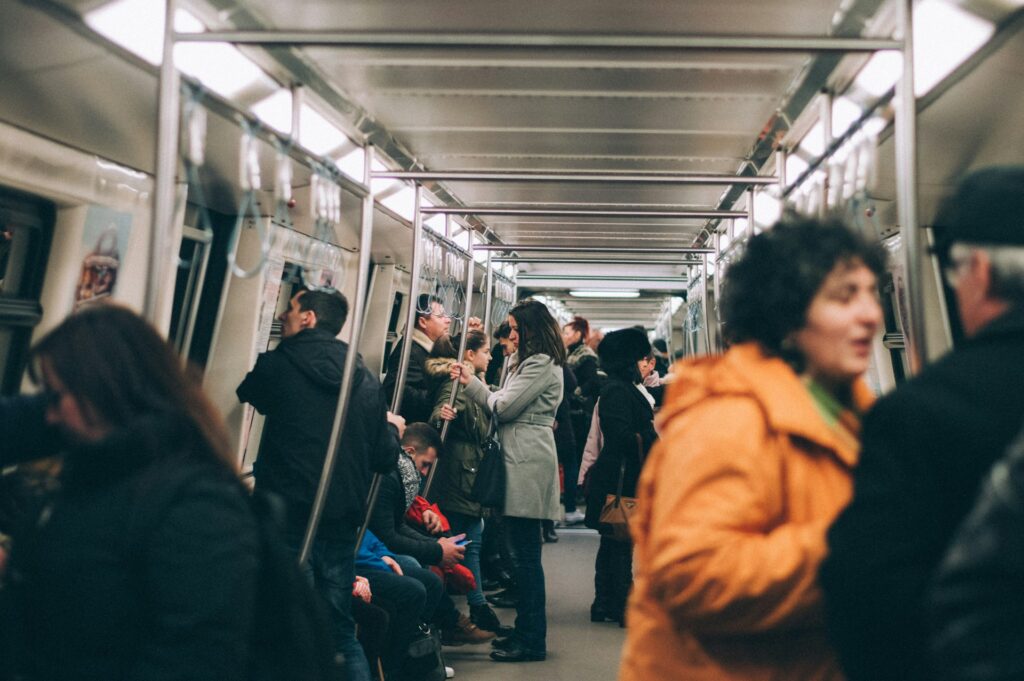
Changing Public Norms
The French fine raises an important question. Are we witnessing the start of stricter norms around public behavior, or is this an isolated incident that will fade from memory. Experts suggest that as urban environments grow denser, tolerance for disruptive behavior is likely to decrease.
The BBC highlighted that noise pollution is increasingly recognized as a public health concern. Constant exposure to unwanted noise can increase stress, reduce concentration, and negatively impact mental wellbeing. From this perspective, enforcing quieter environments is not just about etiquette but about health.
At the same time, critics argue that fines risk targeting individuals unfairly and could be applied inconsistently. Without clear guidelines, passengers may feel anxious about what behavior is acceptable, leading to unnecessary tension in public spaces.
Ultimately, the future may lie in a balance between education and enforcement. Clear signage, public awareness campaigns, and designated quiet areas could help set expectations without relying solely on fines.

Respect in Public Spaces
This viral incident offers an opportunity to reflect on how we coexist in shared environments. Public spaces function best when individuals consider the comfort of those around them. While laws can enforce behavior, genuine courtesy often comes from empathy rather than fear of punishment.
The debate sparked by this fine shows that many people are craving calmer, more respectful public environments. Whether through social norms or legal measures, the conversation is pushing society to reconsider what is acceptable behavior in shared spaces.
As technology continues to blur the boundaries between private and public life, moments like this remind us that convenience should not always come at the expense of others. A little awareness can go a long way in making daily life more pleasant for everyone.