
Your cart is currently empty!
How a Forgotten Password Put a $600 Million Bitcoin Fortune on the Brink

For most people, forgetting a password is a brief annoyance that can usually be solved with a reset email or customer support request. In a world where digital access is often recoverable, passwords feel temporary and replaceable. But for one man deeply tied to the origins of cryptocurrency, forgetting a password has become a decade-long ordeal with consequences that are almost impossible to comprehend. What began as a simple mistake has slowly transformed into one of the most high-stakes personal financial situations in the history of digital money.
Contents
show
Stefan Thomas, a well-known figure in the cryptocurrency world, is locked out of a digital wallet containing 7,002 Bitcoins. At current prices, that amount is worth roughly $600 million. The wallet is stored on a highly secure IronKey USB device that allows only ten incorrect password attempts before permanently erasing its contents. Thomas has already used eight of those attempts, leaving just two remaining chances to recover his entire fortune before it is wiped from existence forever.
San Francisco based programmer Stefan Thomas has over $620 million in #Bitcoin locked on an IronKey USB drive.
— Bitcoin Teddy (@Bitcoin_Teddy) December 28, 2025
He was paid 7,002 BTC in 2011 for making an educational video.
He lost the password in 2012 and has used 8 of his 10 allowed attempts
He has only two more… pic.twitter.com/xLLREbUQfB
The Early Crypto Genius Who Helped Bring Bitcoin to the Masses
Stefan Thomas was not simply an early investor who happened to be in the right place at the right time. He was one of the people actively helping others understand Bitcoin when the concept of decentralized digital money was still confusing and unfamiliar to most. His work focused on education and accessibility, making complex technology understandable to everyday users.
In 2011, Thomas created the animated explainer video titled “What is Bitcoin?”, which quickly became one of the most widely shared introductions to the cryptocurrency. For many early adopters, this video was their first clear explanation of how Bitcoin worked and why it mattered. It stripped away technical jargon and presented the idea in a way that felt approachable and practical.
He also launched WeUseCoins.com, which became the largest online resource for Bitcoin beginners at the time. The website offered guides, explanations, and updates that helped thousands of people navigate the emerging crypto space. Long before Bitcoin entered mainstream conversation, Thomas was already helping shape how the public understood it.
From German Coding Prodigy to Blockchain Heavyweight in the Us
Born in 1986 near Munich, Germany, Stefan Thomas showed a talent for technology from an early age. As a teenager, he was already writing code and experimenting with open-source software. His academic path reflected that passion, culminating in a computer science degree with top honors from the Technical University of Munich.
Around 2011, Thomas discovered Bitcoin and quickly became convinced it had the potential to reshape global finance. At a time when many dismissed cryptocurrency as a novelty, he saw it as a tool that could remove barriers and give more people access to financial systems traditionally closed to them.
By 2012, Thomas moved to the United States to pursue larger opportunities in blockchain development. He went on to become Chief Technology Officer at Ripple and later served as CEO and co-founder of Coil. He also co-invented the Interledger Protocol and worked on projects like Codius and Mojaloop, which aimed to improve financial access for underserved communities around the world.
This man has 7,002 $BTC in a password-protected hard drive and lost the password to it. 😱
— Whale.Guru (@Whale_Guru) January 15, 2024
Stefan Thomas has 2 tries left before the hard drive encrypts itself and the #Bitcoin is lost forever. 🔐 pic.twitter.com/zerdBaZeVD
How $2,000 in Bitcoin Quietly Turned Into a $600 Million Fortune
In 2011, Bitcoin had little mainstream recognition and was valued at just a few dollars per coin. That same year, Stefan Thomas was paid 7,002 Bitcoins for creating his explainer video. At the time, the total value of that payment was roughly $2,000, a modest sum that reflected Bitcoin’s uncertain future.
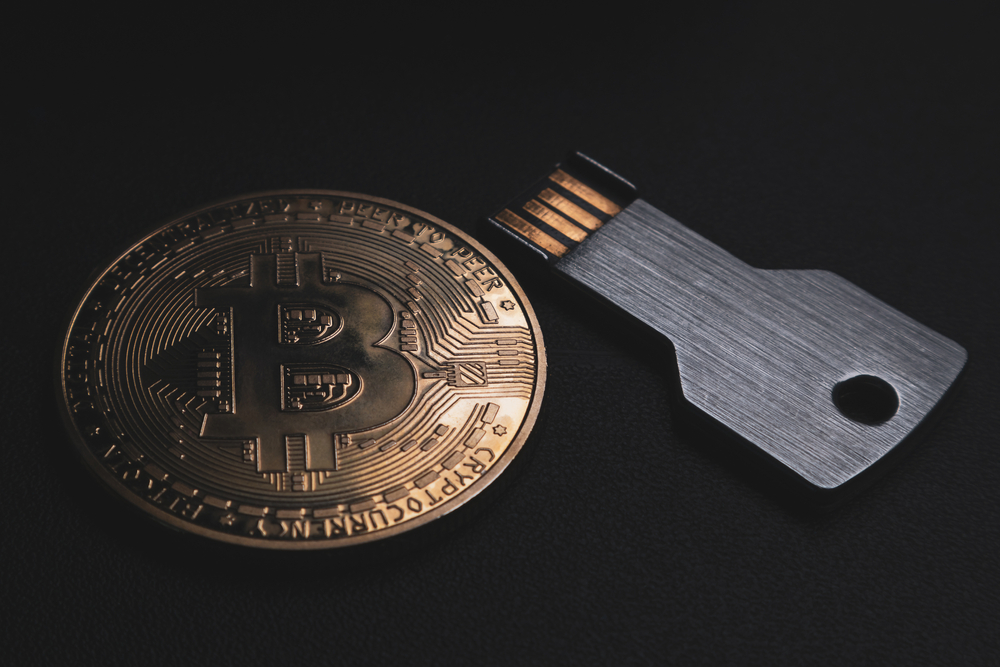
Rather than selling the coins, Thomas stored them for long-term safekeeping. He placed them on an IronKey USB device, a hardware wallet known for its strong encryption and security features. To protect access, he wrote the password down on a piece of paper, believing that would be enough to keep it safe.
Over time, that piece of paper was lost. As Bitcoin’s value surged year after year, the forgotten password went from a minor oversight to a staggering problem. With Bitcoin now worth around $87,000 per coin, the wallet’s contents have grown into a fortune of roughly $600 million, yet remain completely inaccessible.

The IronKey Dilemma and Two Guesses That Could Change Everything
The IronKey USB device holding Thomas’s Bitcoin was designed with extreme security in mind. After ten incorrect password attempts, the device permanently erases all data stored on it. This feature protects against hacking but offers no flexibility for human error.
Thomas has already used eight of the allowed attempts. That leaves only two guesses remaining before the device wipes itself clean. One wrong move would permanently erase hundreds of millions of dollars, not through theft or fraud, but through an automated security process doing exactly what it was designed to do.
After years of unsuccessful recovery efforts, Thomas has described the situation as “a high-stakes situation with no easy solution”. The phrase captures both the technical challenge and the emotional toll of knowing that one small mistake could erase a lifetime-changing fortune forever.

Hackers, Recovery Offers, and a Controversial Last Hope
As the story gained attention, cybersecurity experts and ethical hackers began offering potential solutions. Some believed that advances in technology could eventually bypass IronKey’s limitations without triggering its self-destruct mechanism.
One cybersecurity firm, Unciphered, claimed it had developed a method capable of simulating up to 200 trillion password attempts without activating the wipe feature. According to reports, the company contacted Thomas and offered to help recover the Bitcoin using this approach.
Thomas declined the offer, explaining that he had previously made verbal agreements with two other recovery teams, promising them a share of the Bitcoin if they succeeded. Accepting another offer could have complicated those commitments both legally and ethically. As of now, there has been no confirmation that the IronKey has been unlocked.

What This Story Says About Crypto, Security, and Human Error
Stefan Thomas’s situation has become one of the most well-known cautionary tales in cryptocurrency history. It highlights the reality that decentralized finance gives individuals full control over their assets, but also places full responsibility on them as well.
There is no customer support line or password reset option for private Bitcoin wallets. Security systems operate the same way regardless of the value they protect, whether it is $20 or $600 million. The technology does not adapt to regret or memory lapses.
Millions of Bitcoins are believed to be permanently lost due to forgotten passwords, discarded hard drives, or inaccessible wallets. Thomas’s story underscores how a single overlooked detail can have consequences that last for decades.
A Modern Digital Tragedy Still Unfolding
Today, Stefan Thomas’s fortune remains locked behind an IronKey device and two remaining password attempts. The outcome remains unknown, leaving observers wondering whether the wallet will eventually be unlocked or erased forever.
The story resonates because it blends extraordinary wealth with a deeply human mistake. It shows that even experts who helped build the system are not immune to its unforgiving rules.
As digital assets become more common, Thomas’s experience stands as a reminder that preparation and caution matter just as much as innovation, and that in the digital age, memory itself can be priceless.