
Your cart is currently empty!
Whole Milk Will Soon Be Back in School Cafeterias After New Law Is Signed
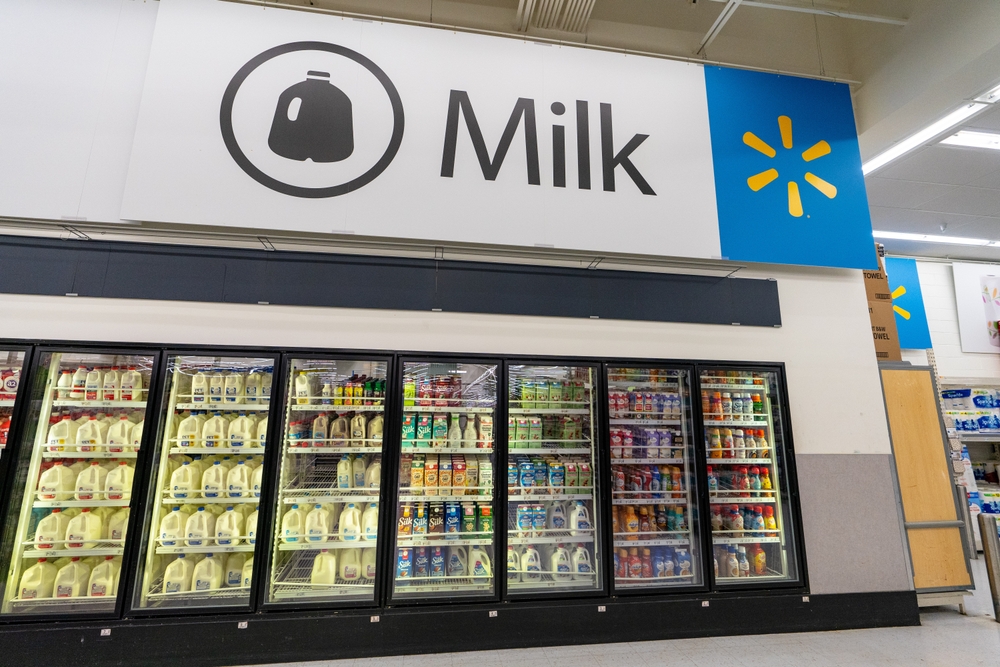
For the first time in more than a decade, whole milk is officially returning to American school cafeterias, signaling a major shift in federal nutrition policy and reopening a debate that has quietly followed students, parents, and educators since the early 2010s. The decision comes after years of criticism aimed at Obama era school meal standards that removed full fat milk from lunch trays in the name of fighting childhood obesity. Supporters of the change argue that the policy never worked as intended, claiming it discouraged children from drinking milk at all and pushed many toward juice, sweetened beverages, or skipping milk entirely. With President Donald Trump signing the Whole Milk for Healthy Kids Act into law on January 14, schools across the country are now preparing to reintroduce an option many students have not seen since early elementary school.
Contents
show
The move also reflects a broader transformation in how nutrition is discussed in the United States, particularly when it comes to children. For decades, dietary fat was treated as a primary health threat, and school lunches became one of the most visible places where that philosophy played out. Over time, however, public trust in ultra processed low fat foods has eroded, while interest in simpler, less manipulated options has grown. As whole milk returns to school lunchrooms, the conversation has shifted away from strict nutrient limits and toward questions about real world eating habits, food waste, and whether rigid rules actually improve children’s health outcomes.

Rolling Back Obama Era School Nutrition Standards
The Whole Milk for Healthy Kids Act reverses key elements of the 2010 Healthy, Hunger Free Kids Act, a sweeping overhaul of school meals introduced during the Obama administration. That earlier law reshaped cafeterias nationwide by reducing sodium, increasing whole grains, and eliminating whole and 2 percent milk in favor of low fat and fat free options. At the time, the changes were praised by public health advocates as a necessary intervention in the fight against childhood obesity and diet related disease, and schools were required to comply in order to participate in federal meal programs.
As the years passed, school districts began reporting unintended consequences. Milk consumption dropped in many schools, while waste increased as students discarded cartons they did not want to drink. Parents and nutrition workers observed that some children simply opted for juice or flavored beverages instead of skim milk, undermining the policy’s original goal. Critics argued that the rules focused too narrowly on fat content without considering overall diet quality, student preferences, or how children actually behave when given limited choices.
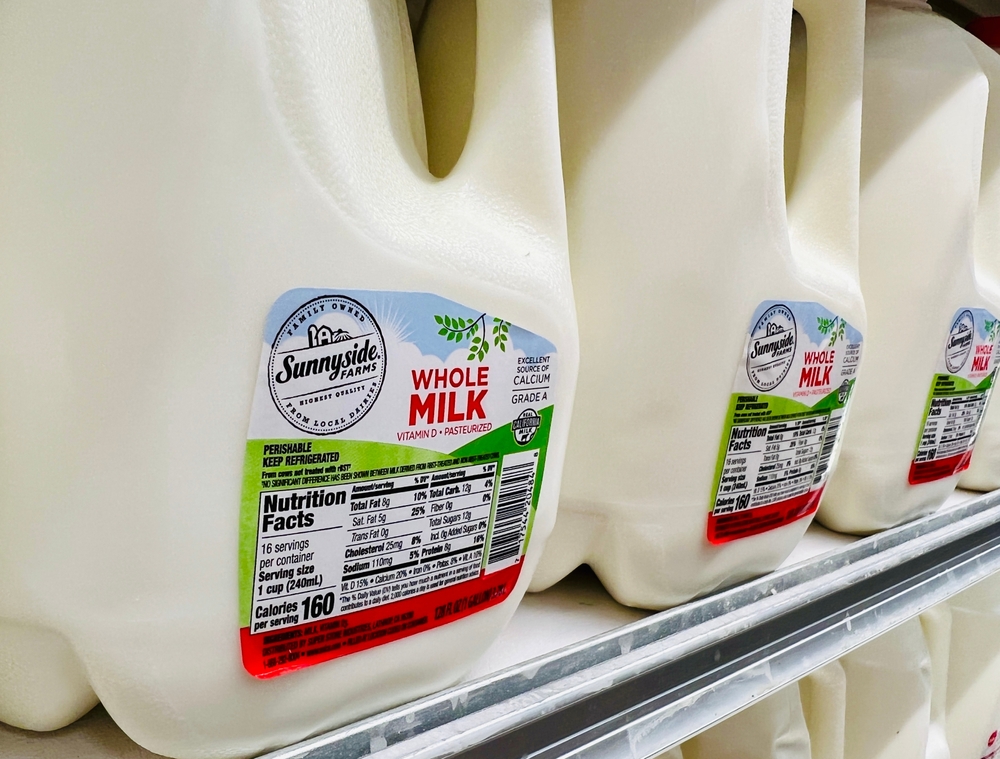
Under the new law, schools participating in the National School Lunch Program are once again allowed to serve whole milk and 2 percent milk alongside existing low fat and fat free options. Fortified nondairy beverages that are nutritionally equivalent to fluid milk are also permitted, expanding access for students with allergies or dietary restrictions. The legislation passed Congress by unanimous consent, a rare moment of bipartisan agreement that suggested dissatisfaction with the old rules crossed political lines.

The Role of the New Dietary Guidelines
The timing of the legislation closely follows the release of the 2025 to 2030 Dietary Guidelines for Americans, which introduced notable changes in emphasis compared to previous editions. The new guidelines nearly double recommended protein intake and urge Americans to avoid what they describe as highly processed foods. They also call on consumers to limit products containing “artificial flavors, petroleum-based dyes, artificial preservatives, and low-calorie non-nutritive sweeteners.”
While the guidelines continue to recommend limiting overall saturated fat intake, they now explicitly support full fat dairy products that contain no added sugars. This marks a significant shift from earlier guidance that broadly favored low fat or fat free dairy for nearly everyone over age two. Nutrition officials now frame whole foods with minimal processing as compatible with a healthy diet, even when they contain naturally occurring fat.
Supporters of the new law argue that aligning school meals with the updated guidelines brings federal policy closer to current scientific thinking. They point to growing skepticism toward heavily modified low fat products and argue that the guidelines acknowledge dietary complexity rather than treating individual nutrients as inherently harmful. In this context, the return of whole milk is framed as a correction to past overreach rather than a step backward.

Support From Agriculture Officials and Dairy Producers
Following the signing of the law, Agriculture Secretary Brooke Rollins celebrated the decision, declaring that “whole milk is back.” Rollins said the move supports child nutrition and aligns with the newly released dietary guidelines, while also recognizing the role of dairy producers in sustaining rural economies. She emphasized that nutrient dense foods like whole milk remain an important part of a healthy diet and said the change reflects what many families already believe.
Dairy farmers and industry groups have pushed for this change for years, arguing that the removal of whole milk ignored consumer preferences and unfairly targeted milk fat. Gregg Doud, CEO of the National Milk Producers Federation, said when the House passed the bill that the earlier decision “wasn’t aligned with consumer choice.” For producers, access to school meal programs represents a stable and significant market, and the policy shift is seen as both an economic and symbolic victory.
The USDA has actively promoted the change, releasing guidance to schools and posting a promotional image encouraging Americans to drink whole milk. The department has also said it will rewrite Child Nutrition Programs to ensure school meals align with the new dietary guidelines, suggesting that additional adjustments to school food policy may be coming in the near future.
Implementation Will Take Time in Schools
Although the law takes effect immediately, whole milk will not appear in cafeterias overnight. The National School Lunch Program serves nearly 30 million children each day, and school districts must navigate practical challenges before making changes. Administrators are expected to assess student interest, negotiate with suppliers, and determine whether budgets can absorb the higher cost of whole milk compared to skim options.
Cost remains a major concern for many districts already operating under tight financial constraints. Whole milk is typically more expensive, and availability varies widely by region depending on local supply chains. According to the School Nutrition Association, which represents more than 50,000 school nutrition professionals, these factors will largely determine how quickly schools are able to offer the newly approved options.
There is also uncertainty about whether whole and 2 percent milk can be served at breakfast. USDA guidance currently references expanded options for lunch only, leaving some schools waiting for further clarification. Rollins has said it should take only a few weeks before milk starts moving into schools, but timelines are expected to differ significantly from district to district.
Nutrition Experts Remain Divided
The return of whole milk has reignited long standing debate within the nutrition and medical communities. Supporters argue that whole milk is more filling, may reduce snacking, and helps with absorption of fat soluble vitamins. They also note that milk fat is naturally occurring and less processed than many reduced fat alternatives.
Others urge caution, pointing out that children already consume more saturated fat than recommended and warning that increased access to full fat dairy could complicate heart health messaging. The American Heart Association has expressed concern about the new dietary guidelines and continues to recommend low fat and fat free dairy products.
Amy Reed, a registered dietitian nutritionist and spokesperson for the Academy of Nutrition and Dietetics, has said that whole fat milk is not harmful for most children, though some may need lower fat options for health reasons. Whether students will choose whole milk over juice or sweetened drinks remains uncertain, and researchers say the impact on consumption patterns will take time to evaluate.
A Broader Cultural Shift Around Food
Beyond nutrition science, the policy change reflects a wider cultural reassessment of food in the United States. Consumers have grown increasingly wary of ultra processed products, while interest in simpler foods with fewer additives has increased. This shift has influenced grocery shopping habits, restaurant menus, and now federal dietary guidance.
The debate over milk also highlights how nutritional advice evolves. Policies once considered settled can be revisited as research advances and public attitudes change. For many families, the return of whole milk feels less like a political statement and more like a practical adjustment that reflects how children actually eat.
For students, the change will be straightforward. A familiar carton will reappear in lunch lines, offering a choice that had been missing for years. Whether that choice leads to measurable health improvements remains to be seen.
The Takeaway
The reintroduction of whole milk into US schools is about more than dairy. It underscores how nutrition policy balances science, behavior, economics, and culture. Supporters see the change as restoring flexibility and aligning with modern dietary thinking, while critics worry about mixed messages surrounding saturated fat.
As schools adapt and families make choices, the larger lesson may be that no single food determines health outcomes. Long term patterns, access to balanced meals, and realistic policies are likely to matter far more than whether a carton of milk is skim or whole.