
Your cart is currently empty!
How a Simple Blue Light Helped Slash Tokyo’s Railway Suicide Rate by 84%
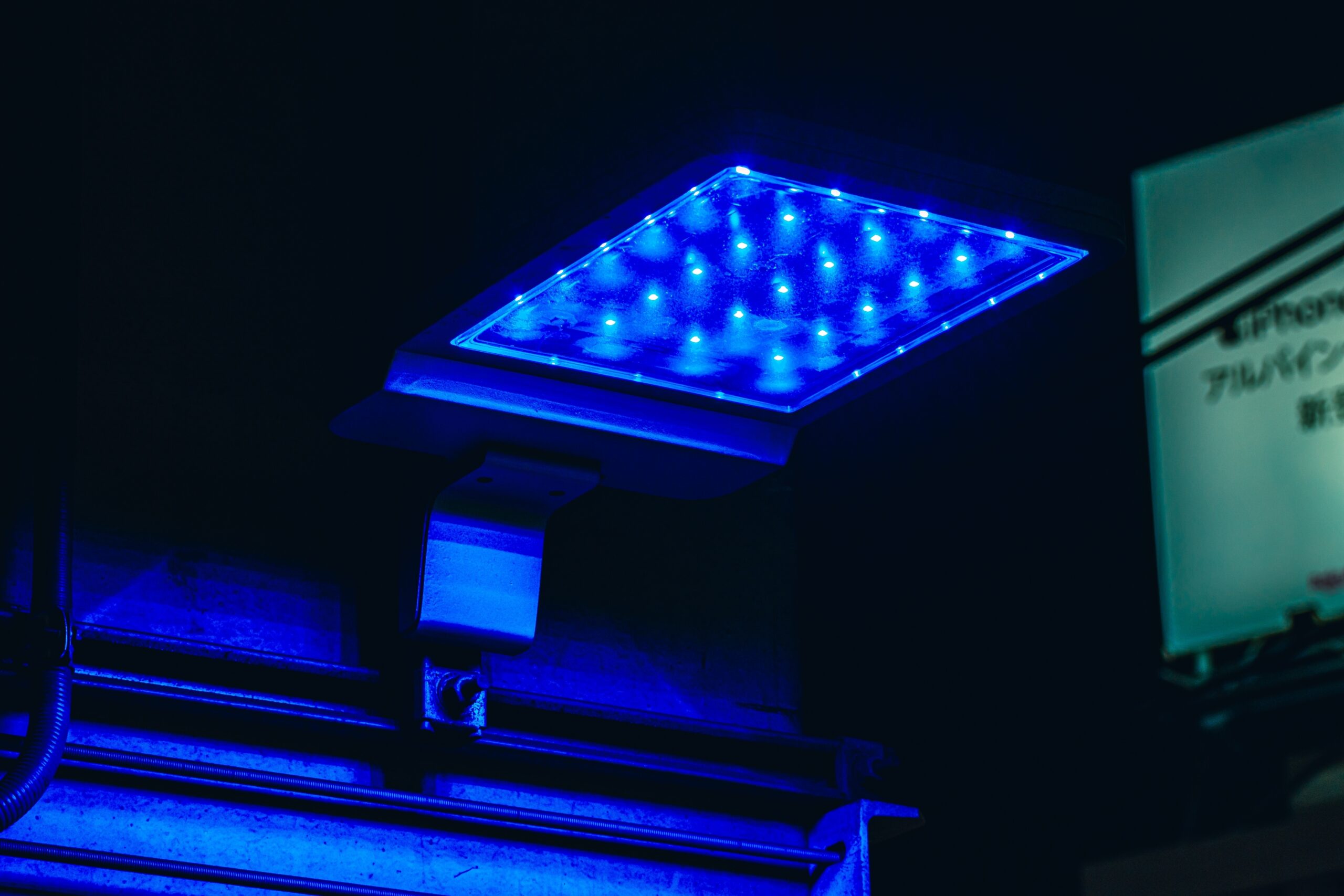
In a city defined by relentless speed and efficiency, a silent crisis has long haunted the edges of Tokyo’s train platforms. Facing the devastating toll of railway suicides, officials desperate for a solution looked beyond steel barriers and engineering feats to an unexpected frontier: the human subconscious. The result is a bold experiment in behavioral psychology, where the strategic placement of deep-blue lights aims to interrupt a fatal impulse, suggesting that the most powerful safety mechanisms might not be physical walls, but the subtle manipulation of the atmosphere itself.
Contents
show
A Psychological Nudge Against Tragedy
Japan creates a high-pressure environment, and historically, this has contributed to significant suicide rates among OECD nations. A disturbing number of these tragedies occur at railway stations, where individuals leap from platforms into the paths of oncoming trains. Beyond the heartbreaking loss of human life, these incidents inflict severe psychological trauma on witnesses and cause substantial financial disruptions, delaying tens of thousands of commuters.
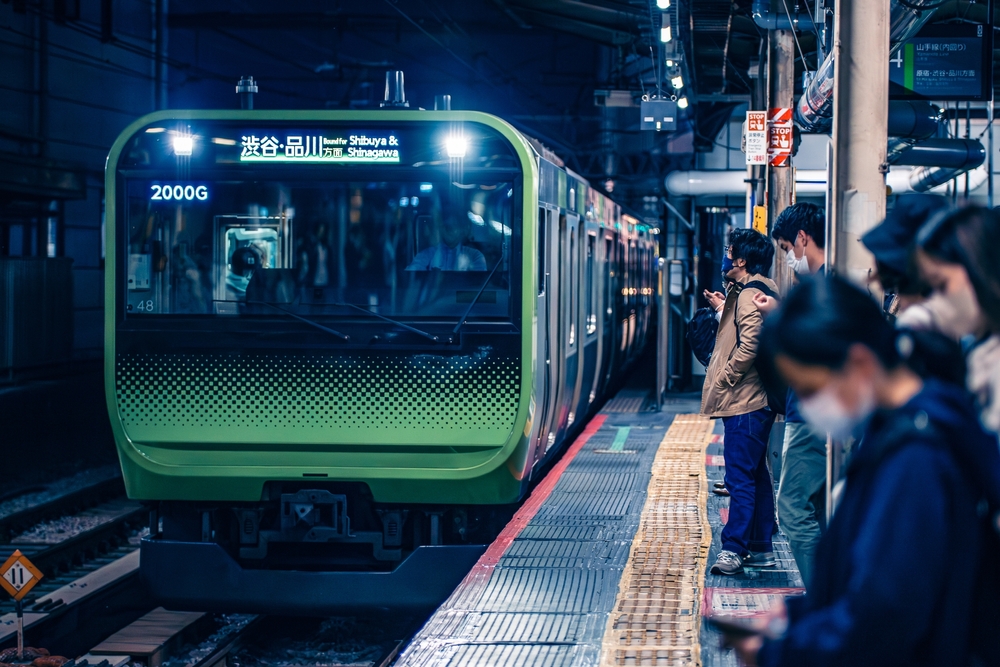
Facing this crisis, the East Japan Railway Company sought a solution that looked beyond physical barriers. In 2009, they turned to a psychological “nudge” by installing deep-blue LED panels at stations along the busy Yamanote Line. These lights were strategically placed at the far ends of platforms, which are typically the most isolated areas and the most frequent sites for suicide attempts.
The logic behind this intervention is rooted in color psychology. Blue is universally associated with the sky and sea, elements believed to induce a state of physiological and psychological calm. The hope was that this soothing glow might disrupt a distressed person’s impulse in a critical moment. The results were startlingly effective. A study conducted by researchers at the University of Tokyo analyzed data over a ten-year period and found that suicide attempts dropped by 84 percent at stations where these blue lights were installed.
Illuminating the Grey Areas
While the dramatic reduction in suicide attempts grabbed international headlines, the scientific reality is nuanced. The installation of blue lights is a practical application of “nudge theory,” a behavioral science concept pioneered by Nobel laureate Richard Thaler and Cass Sunstein. The objective is to subtly alter the environment to influence decision-making without forcing a specific behavior. However, researchers caution against viewing these lights as a standalone miracle cure.
Masao Ichikawa of the University of Tsukuba re-examined the initial data and identified significant statistical variance. His analysis noted that the “confidence interval” was extremely wide, meaning the actual reduction in attempts could range anywhere from 97 percent down to just 14 percent. This wide gap suggests the result is statistically unstable. Ichikawa also pointed out a practical flaw: the lights are often invisible or turned off during the day, yet incidents occur at all hours.
Furthermore, the effectiveness may stem from light intensity rather than the specific blue hue. A study by Shiga University of Medical Science analyzed nearly 1,000 incidents and discovered a correlation between suicide attempts and weather patterns, specifically after sequences of cloudy or rainy days. This supports the theory that light exposure acts as a mood regulator, similar to treatments for Seasonal Affective Disorder.
Stephen Westland, an expert in color and design at the University of Leeds, offers another perspective. His research suggests that while blue light might induce relaxation, it does not necessarily curb impulsiveness or risk-taking behavior. Therefore, while the lights are a cost-effective safety measure, they likely function best as part of a broader strategy rather than a singular solution to a complex psychological issue.
A Stopgap in Blue Light
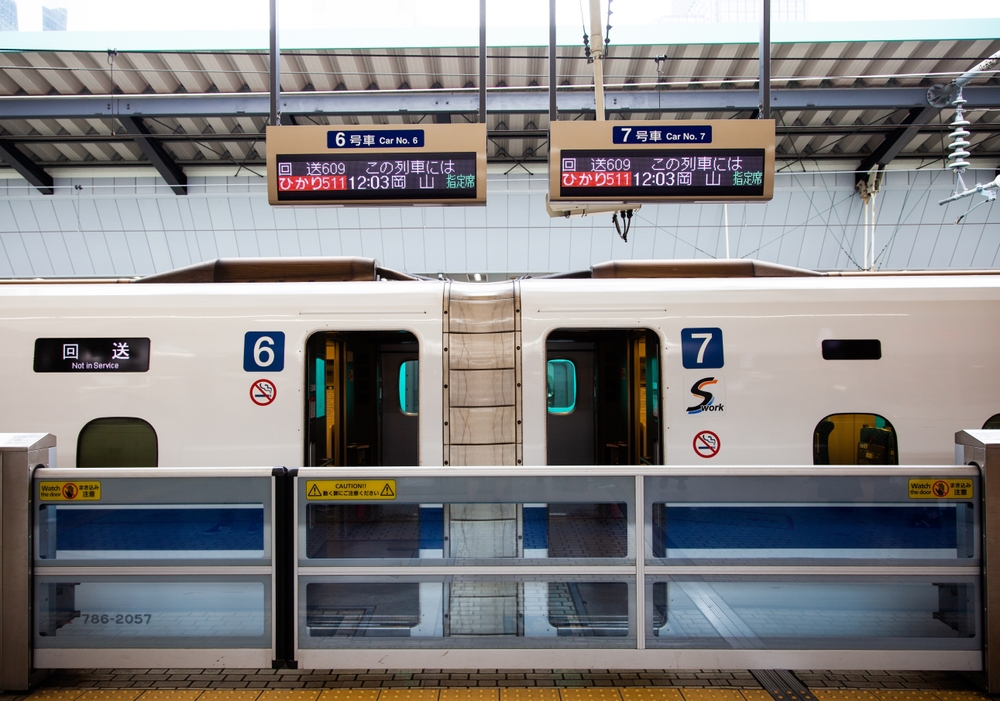
Despite the intrigue surrounding blue lights, experts remain adamant that physical barriers provide the most reliable protection. Michiko Ueda, a professor who studies suicide factors in Japan, is unequivocal in her stance. She asserts that platform screen doors are superior to lighting effects when it comes to saving lives. Masao Ichikawa echoes this sentiment, noting that while the blue light effect is debated, the efficacy of physically blocking access to the tracks is undeniable.
The problem is logistics. Installing chest-high barriers or full-height screen doors across Tokyo’s 243 stations is a massive undertaking with a projected cost of $4.7 billion. Beyond the financial burden, structural limitations pose a significant hurdle. Approximately 70 percent of Japan’s busiest stations lack either the platform width or the structural integrity to support heavy automatic doors.
Railway companies have experimented with other physical deterrents, such as “grade separation” to raise tracks above street level and “Z-gates” that force pedestrians to slow down and weave through fencing. Even airbags on locomotives were considered to cushion impacts. Yet, compared to these capital-intensive engineering projects, blue LED panels serve as a vital, cost-effective stopgap while the network slowly upgrades its physical infrastructure to meet the 2032 installation goals.
Beyond the Visual: Calming the Rush with Audio Cues
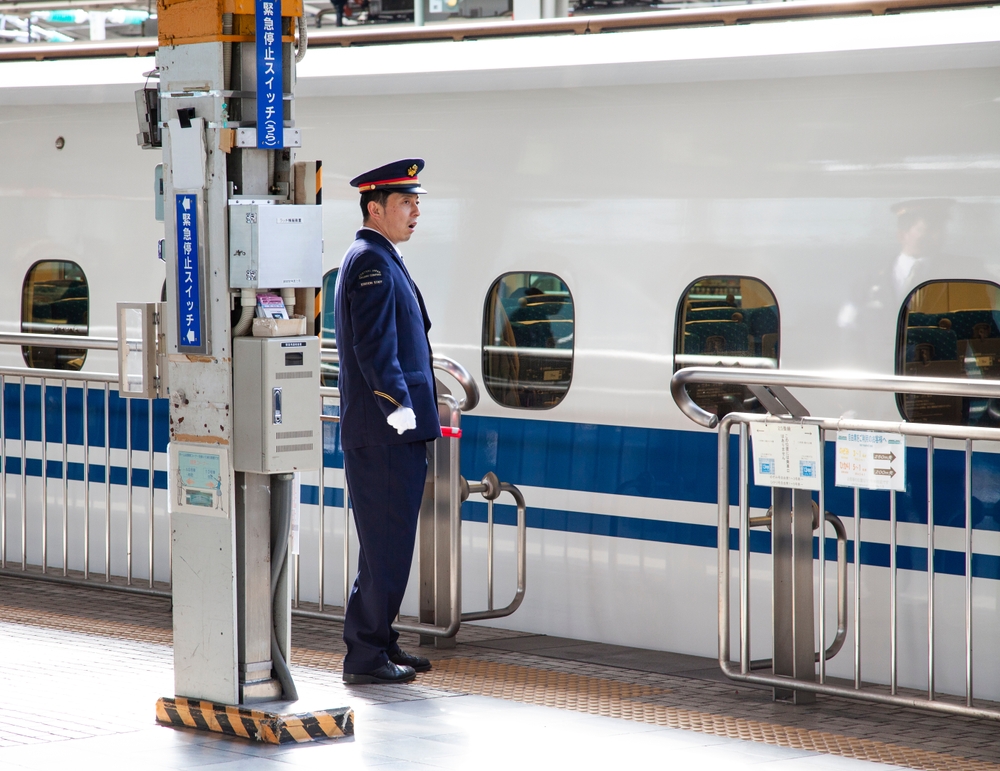
Japanese rail operators also meticulously manage the auditory environment to unconsciously guide passenger behavior. For years, the daily commute was defined by nerve-grating buzzers that signaled a train’s departure. These harsh tones often triggered a panic response, causing harried salarymen to sprint down stairs and rush through closing doors, which significantly increased the risk of accidents.
To mitigate this high-stress atmosphere, major operator JR East commissioned Yamaha and composer Hiroaki Ide in 1989 to replace the buzzers with hassha melodies. These are short, distinct jingles designed to notify commuters of imminent departures without inducing anxiety. Research indicates that a seven-second melody is the optimal duration to reduce stress while maintaining the tight schedule required by the world’s busiest transport hubs.
The implementation of these “departure melodies” has been a measurable success in public safety. A study conducted at Tokyo Station found a 25 percent reduction in passenger injuries caused by rushing after the melodies were introduced on certain platforms.
Today, specific stations are even identified by their unique themes, such as the jaunty “Seaside Boulevard” or a stylized version of the theme from the film The Third Man at Ebisu Station. However, the shift was not without friction. Residents living near open-air stations initially complained of noise pollution, weary of hearing the same seven-second loops repeated endlessly throughout the day.
Preventing Loitering and Human Error
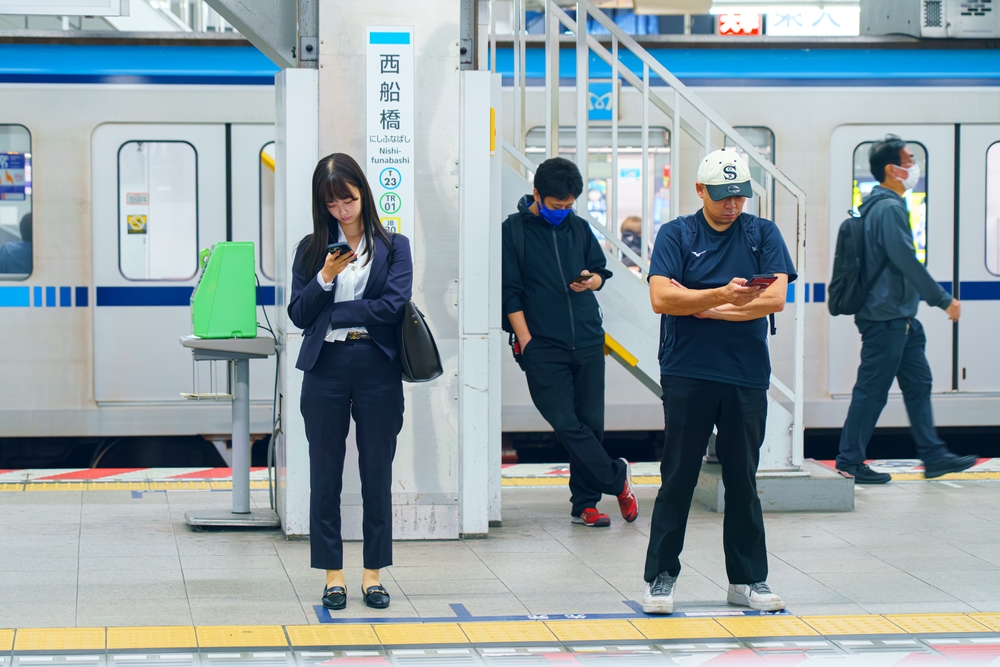
Japan’s mastery of behavioral psychology extends beyond soothing lights and sounds to more targeted measures aimed at specific demographics and employee safety. To combat youth loitering and vandalism, some stations have deployed ultrasonic deterrents. These unobtrusive devices emit a high-frequency tone at 17 kilohertz, a pitch generally audible only to those under the age of 25 due to age-related hearing loss known as presbycusis. While older commuters pass by unaware, young people find the sound uncomfortable and instinctively quicken their pace to escape the noise. This effectively keeps thoroughfares clear without the need for security patrols or confrontation.
Rail employees are also subject to rigorous behavioral protocols to ensure passenger safety. Conductors and platform attendants utilize a technique called shisa kanko, or “point and call.” By physically pointing at a signal or gauge and verbalizing the intended action, workers engage a larger portion of their brain compared to simple glancing. This method heightens situational awareness and accuracy. Studies have shown that this deliberate combination of physical motion and vocalization reduces human error by as much as 85 percent. Although this technique has been adopted in modified forms by transit authorities in places like New York City, it remains a distinct hallmark of Japan’s dedication to safety through psychological and physiological engagement.
Designing for Life
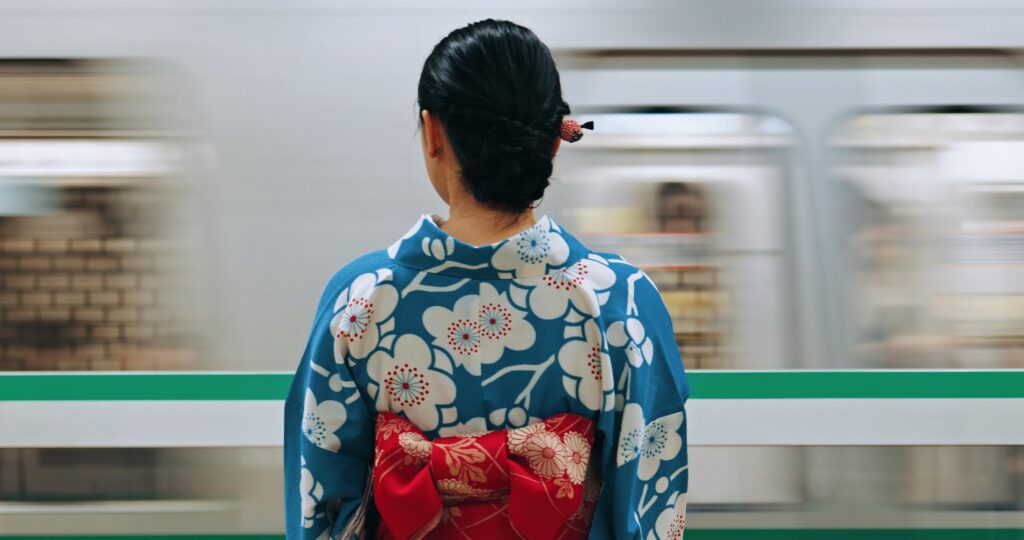
Japan’s innovative application of “nudge theory” has sparked interest far beyond its borders. Railway operators in the United Kingdom, Belgium, and Switzerland are now testing similar blue light installations, hoping to replicate the statistical success observed in Tokyo. The appeal is understandable; in a world where major infrastructure upgrades require billions of dollars and decades of construction, the prospect of saving lives through a cost-effective change in lighting spectrum is compelling for public safety officials worldwide.
However, experts caution against viewing these measures as a panacea. Michiko Ueda and other researchers emphasize that environmental nudges are supplementary tools rather than standalone solutions. The data regarding blue lights remains complex, and the root causes of the crisis—ranging from economic pressure to mental health struggles—cannot be resolved by an LED panel alone. While the lights may offer a momentary pause or a physiological reset, they function best as a safety net rather than a cure.
The true lesson from Japan’s railways lies in the willingness to experiment with every available tool to protect passengers. By weaving together physical barriers, calming auditory cues, and psychological nudges, transit authorities are creating an ecosystem that actively values human life. This multi-layered approach serves as a powerful reminder that preventing tragedy requires constant innovation, rigorous analysis, and a compassionate attention to the details of the public space.
Source:
- Tetsuya Matsubayashi, Yasuyuki Sawada, Michiko Ueda, Does the installation of blue lights on train platforms prevent suicide? A before-and-after observational study from Japan, Journal of Affective Disorders, Volume 147, Issues 1–3, 2013, Pages 385-388, ISSN 0165-0327, https://doi.org/10.1016/j.jad.2012.08.018.