
Your cart is currently empty!
Rare Amazon Tribe Footage Sparks Online Theories as Experts Urge Caution
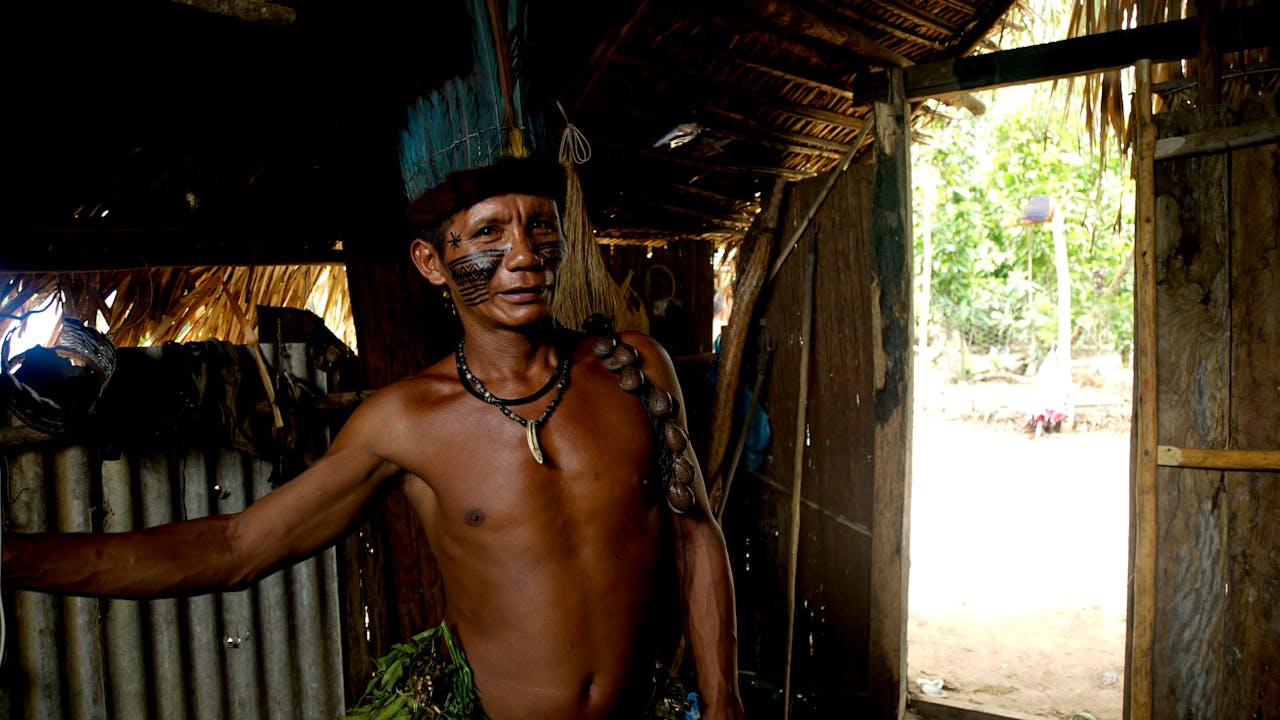
The release of unusually clear footage from the Peruvian Amazon has drawn widespread attention, not only for what it shows but for the debate it quickly ignited. Viewers began closely examining details on screen and questioning long held descriptions of the Mashco Piro, one of the region’s most well known Indigenous communities. As the clip circulated across platforms, discussion shifted toward interpretation, with online audiences attempting to determine what the images revealed about contact, isolation, and modern influence.
Contents
show
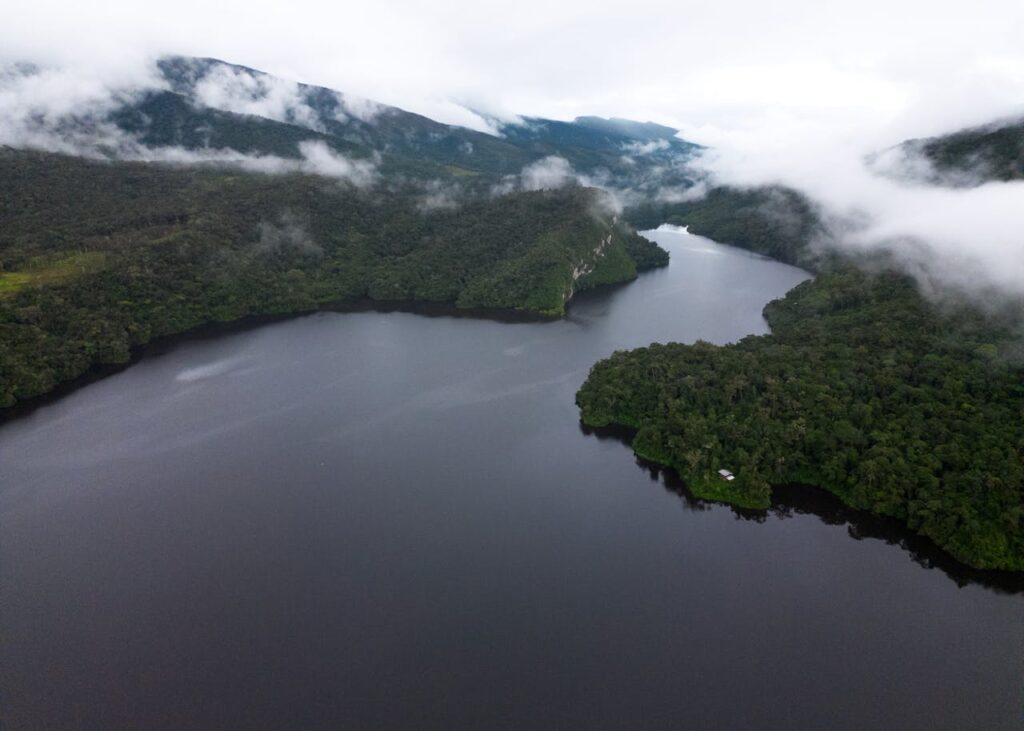
What has largely been sidelined in that conversation is the broader context that makes such footage sensitive in the first place. For Indigenous communities with limited or no sustained interaction with the outside world, visibility carries real world implications, particularly when it comes to health. Decades of research and historical experience show that even brief exposure to outsiders can introduce infectious diseases with devastating consequences. Understanding this reality reframes why the footage matters, placing emphasis not on speculation, but on the responsibility that comes with observing and sharing stories from communities whose wellbeing depends on distance and protection.
A Rare Glimpse Draws Global Attention
The footage that has circulated online offers a clearer view than the public has previously seen of the Mashco Piro, an Indigenous community living in a remote area of the Peruvian Amazon and estimated to number around 750 people. Earlier images of the group were typically distant and indistinct, leaving much of their daily life obscured. This release stood out because it allowed viewers to see faces, movement, and interaction in sharper detail, which immediately set it apart from prior documentation.
The video was shared by conservationist Paul Rosolie and later discussed during an episode of the Lex Fridman podcast published on YouTube on January 14. Speaking with Fridman, Rosolie explained why the footage appeared so different from earlier images, noting, “The only thing you’ve ever seen are these blurry images … from 100 meters away … and we’re sitting there with, you know, 800mm with a 2x teleconverter.” The use of long range camera equipment made it possible to observe the community from a distance while capturing moments that would otherwise remain unseen.
In the sequence, members of the group emerge from the forest and step onto a sandy riverbank. Rosolie describes how they initially move together in a tight formation, holding weapons as they assess the presence of people filming from afar. Over time, their behavior appears to change. Individuals slow their approach, spread out, and show signs of curiosity rather than immediate alarm. Rosolie draws attention to a specific moment in the footage, saying, “As they come closer, they start laying down their … See, he’s laying down his bow and arrow. They understand.”
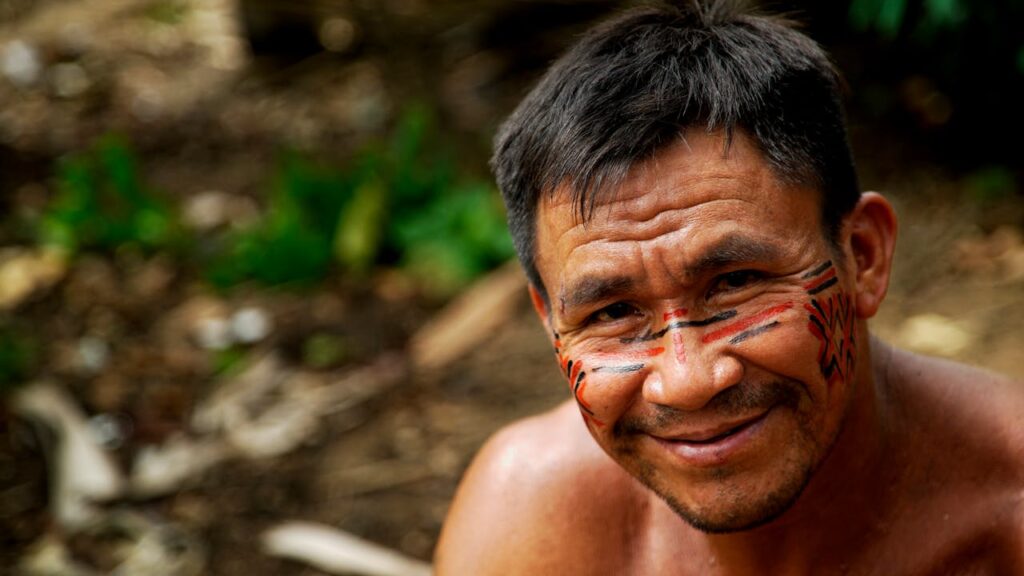
What has resonated most with viewers is not a single action, but the accumulation of subtle details. Changes in posture, pacing, and group dynamics unfold over a short period, offering a perspective rarely available to the public. For audiences accustomed to grainy stills and long distance shots, that level of clarity has played a significant role in driving both interest and debate around the video.
Inside the Footage That Sparked Widespread Debate
The images at the center of the online discussion present a clearer look at the Mashco Piro than most audiences have encountered before. The Indigenous community lives in a remote stretch of the Peruvian Amazon and is widely estimated to include around 750 people. Until now, public documentation of the group had largely consisted of distant, low quality images that revealed little beyond silhouettes. This footage changed that by offering a more defined view of how the community moves and interacts, which quickly elevated interest far beyond earlier sightings.
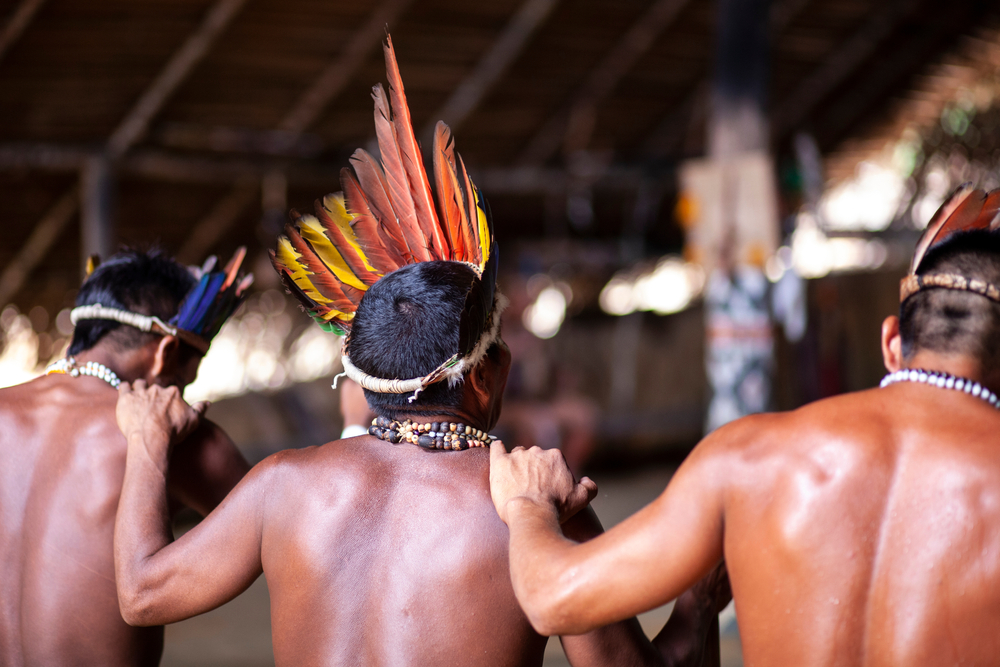
The video was shared by conservationist Paul Rosolie, who has worked in the Amazon region for decades, and was later discussed during an episode of the Lex Fridman podcast released on YouTube on January 14. During the conversation, Rosolie addressed why the images appeared markedly sharper than previous recordings. He explained that earlier photographs were typically captured from significant distances, adding, “The only thing you’ve ever seen are these blurry images … from 100 meters away … and we’re sitting there with, you know, 800mm with a 2x teleconverter.” The use of specialized long range equipment allowed for clearer observation while maintaining physical distance.
Within the footage, members of the Mashco Piro emerge from the forest and gather along a sandy riverbank. Rosolie narrates how they initially approach as a group, holding weapons as they monitor the people filming from afar. As the encounter continues, their behavior appears to shift. The formation loosens, movements slow, and signs of curiosity replace immediate tension. Rosolie points to a moment he believes reflects that change, saying, “As they come closer, they start laying down their … See, he’s laying down his bow and arrow. They understand.”
Rather than one defining moment, it is the progression of small changes that has drawn sustained attention. Viewers are able to observe posture, spacing, and group dynamics unfold in real time, details that were rarely visible in earlier material. For an audience accustomed to brief and indistinct glimpses, this level of visual clarity has played a central role in fueling both fascination and interpretation surrounding the footage.
How Media Context Shapes Public Understanding
The rapid circulation of the footage highlighted how easily images can move ahead of explanation. Short clips and still frames were often shared without the accompanying context that typically informs responsible reporting on Indigenous communities. Without background on who the Mashco Piro are, how the footage was obtained, or why distance is maintained, visual details were left to carry more meaning than they reasonably could.
This places added weight on how stories like this are framed. When context is thin, audiences tend to interpret what they see through familiar assumptions rather than verified information. Small visual elements can be mistaken for evidence, and speculation can fill gaps that accurate reporting would otherwise address. Providing a clear background on filming conditions, regional realities, and health considerations helps prevent interpretation from drifting into misrepresentation.

The episode illustrates a broader challenge in modern media. Images can inform, but without narrative grounding they can also distort. Careful context does not limit engagement. It sharpens it, ensuring that attention is guided by understanding rather than conjecture and that visibility does not come at the expense of accuracy or responsibility.
Why Legal Protections Remain Central to the Story
Beyond the debate sparked by the footage itself, the situation has renewed attention on the legal frameworks designed to protect communities like the Mashco Piro. Peru and neighboring Brazil have laws that restrict access to territories inhabited by Indigenous groups living in isolation or with minimal contact. These measures are intended to limit outside presence, not only to preserve autonomy but to reduce the risk of unintended encounters that can have lasting consequences.
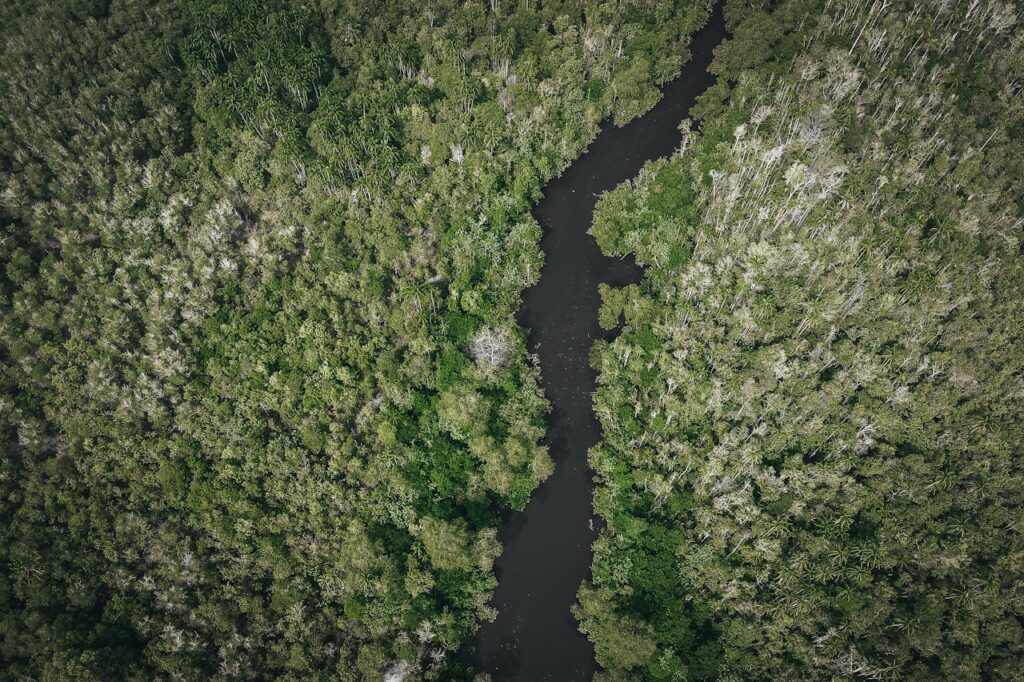
In practice, enforcing these protections is challenging. The regions involved are vast, remote, and often under pressure from logging, mining, and other forms of resource extraction. When footage draws public attention to a specific area, it can complicate enforcement by increasing interest in regions that authorities are already struggling to monitor. This makes existing protections more difficult to uphold, even when the laws themselves are clear.
The renewed focus on the Mashco Piro has prompted calls from advocacy groups and conservationists for stronger enforcement rather than relaxed oversight. From this perspective, the footage serves as a reminder that visibility does not replace protection. Legal boundaries and sustained oversight remain essential tools for ensuring that curiosity, media attention, or commercial interest do not erode safeguards that were put in place to prevent harm.
Where Curiosity Meets Responsibility
The attention surrounding the footage has revealed how quickly curiosity can shape narratives, sometimes outpacing understanding. Images alone can invite interpretation, but without context they risk reducing complex realities to surface level conclusions. In this case, speculation has often overshadowed the conditions that make communities like the Mashco Piro especially vulnerable, shifting focus away from the protections that exist for a reason.

What remains clear is that visibility carries consequences. When stories reach a global audience, they can influence movement, policy discussions, and public attitudes, even when no harm is intended. That influence places a responsibility on how such moments are covered and shared, ensuring that interest does not undermine the very safeguards meant to protect lives and health.
The lasting impact of this footage will depend less on what viewers think they saw and more on how attention is handled going forward. Responsible storytelling, grounded in verified information and respect for boundaries, offers a path forward that allows awareness without exposure and engagement without risk.