
Your cart is currently empty!
Emotions Rewire Your Body: How Stress Hormones and Brain Chemistry Shape Health

Every argument you replay in your mind leaves a trace. Every moment of deep gratitude does too. But these traces are not metaphorical, and they do not fade when your mood shifts. Something far more concrete happens inside your body each time an emotion surges through you, and scientists have spent decades mapping exactly what that something is.
Contents
show
Consider a single flash of anger. Within seconds, your inflammatory markers shift. A protein called interleukin-6 spikes in your bloodstream. Now consider the opposite experience, a wave of genuine gratitude washing over you. C-reactive protein, another inflammatory marker, drops measurably. Joy triggers increased production of nitric oxide, a molecule that relaxes blood vessels and supports cardiovascular function.
None of these reactions exists in isolation. Each emotional experience creates a biochemical signature, and when emotions repeat, their signatures compound. What begins as a fleeting feeling becomes, over time, a physical architecture. Your habitual emotions do not just color your days. They sculpt your biology with the same steady force that repetition applies to muscle.
When Stress Hormones Stick Around Too Long
Your body possesses an elegant system for handling threats. When danger appears, real or perceived, a cascade of hormones floods your system. Cortisol sharpens your focus. Epinephrine and norepinephrine accelerate your heart rate and prime your muscles for action. Blood pressure rises. Blood sugar increases to fuel potential escape or confrontation.
In short bursts, these responses save lives. Our ancestors survived predators and environmental hazards because their bodies could mobilize resources with stunning speed. Problems arise when the threat never fully passes, or when your nervous system interprets modern stressors, a difficult boss, financial pressure, and relationship conflict as mortal dangers requiring constant vigilance.
Neuroendocrinologist Bruce McEwen introduced a term for what happens when stress becomes chronic. He called it allostatic load, describing it as the price people pay for adapting to stress. Researchers have since defined allostatic load as “the long-term result of failed adaptation or allostasis, resulting in pathology and chronic illness.”
Scientists measure this biological burden through ten distinct markers. Primary mediators include cortisol levels, which reflect activity in the hypothalamic-pituitary-adrenal axis, and epinephrine and norepinephrine concentrations, which signal sympathetic nervous system activity. Secondary outcomes paint an even clearer picture of accumulated damage. Blood pressure readings reveal cardiovascular strain. Waist-to-hip ratios indicate long-term metabolic disruption. Cholesterol levels and glycated hemoglobin measurements round out the assessment.
Several patterns create high allostatic load. Frequent, repeated exposure to stress ranks among the most common. But another pattern proves equally destructive. Some people experience stressful events yet never achieve adequate recovery afterward. Their bodies remain locked in elevated stress states long after the triggering situation resolves. Without a proper relaxation response, stress hormones continue circulating, and damage accumulates.
Your Brain Builds What You Practice
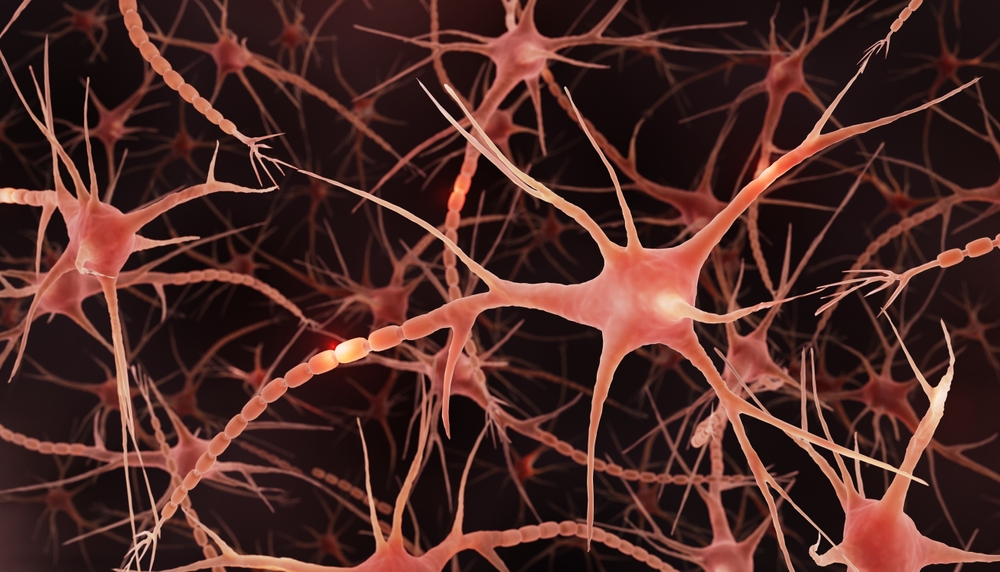
While stress hormones reshape your body’s chemistry, another process unfolds in parallel. Your brain rewires itself based on what you repeatedly think, feel, and do.
Psychologist William James suspected this truth over a century ago. In 1890, he wrote that “organic matter, especially nervous tissue, seems endowed with a very extraordinary degree of plasticity.” His insight went largely ignored for decades. Prevailing scientific opinion held that brains became fixed after childhood, incapable of meaningful structural change in adulthood.
Modern neuroscience has proven James correct. Your brain contains approximately 100 billion neurons, and these cells form connections called synapses. At birth, each neuron in the cerebral cortex has roughly 2,500 synapses. By age three, that number explodes to about 15,000 synapses per neuron. Adults retain only half as many connections, not because of decline but because of refinement.
Your brain prunes pathways you rarely use and strengthens those you travel often. Neurons that fire together develop stronger, faster connections. Those that sit idle eventually die off. Learning, whether of facts, skills, or emotional patterns, physically alters neural architecture.
Several factors influence how readily your brain reshapes itself. Sleep plays a significant role, encouraging dendritic growth and supporting brain plasticity. Regular physical activity protects existing neurons and stimulates production of new ones in the hippocampus, a region central to memory and stress regulation. Exercise also affects brain-derived neurotrophic factor, a protein that promotes nerve growth.
Age matters too. Younger brains show greater sensitivity to experience, which explains why childhood represents such a powerful window for learning and development. But adult brains retain plasticity throughout life. You never lose the capacity to form new neural pathways, though the process may require more deliberate effort as years pass.
How Anger, Fear, and Frustration Leave Their Mark

Combine chronic stress hormones with neural plasticity, and a troubling picture emerges. When negative emotions repeat, they create two simultaneous effects. Biochemically, they maintain elevated levels of inflammatory markers, stress hormones, and metabolic disruption. Neurologically, they carve deep grooves that make future negative emotions more likely and more automatic.
Research links high allostatic load to a cascade of health consequences. Cardiovascular disease risk increases, with elevated blood pressure and arterial hardening among common outcomes. Diabetes risk climbs as well. Studies show that people with diabetes tend to carry higher allostatic loads and report greater exposure to life stressors.
Mental health suffers too. Repeated stress damages the hippocampus, impairing memory function and stress regulation alike. Higher allostatic load correlates with increased risk for anxiety disorders and depression. One study found that women with breast cancer showed elevated allostatic load alongside increased cortisol levels.
Early experiences cast particularly long shadows. Childhood neglect, abuse, and trauma create elevated allostatic load that persists into adulthood. Researchers examining this phenomenon concluded that “changes in allostatic load might reflect adaptive adjustments that maximize short-term survival by enhancing stress reactivity, but at a cost to later health.”
In other words, children who grow up in threatening environments develop heightened stress responses that serve them in the short term. Their bodies learn to anticipate danger and react with speed. But this adaptation takes a toll over decades, increasing vulnerability to physical and mental illness in adult life.
Joy, Gratitude, and the Chemistry of Calm

Negative emotional patterns leave biochemical wreckage in their wake. Positive emotional patterns do the opposite. When joy arises, nitric oxide production increases, supporting blood vessel relaxation and cardiovascular health. Gratitude reduces C-reactive protein, lowering systemic inflammation. Contentment and safety signals allow stress hormones to recede, giving the body time to repair accumulated damage.
Recovery matters as much as exposure. Allostatic load increases not just from experiencing stress but from failing to recover after stress passes. People who can trigger a relaxation response, whose bodies return to baseline after threats resolve, sustain far less biological damage than those who remain physiologically activated.
Neural pathways respond to positive patterns just as they do to negative ones. Repeated experiences of joy, connection, and calm strengthen the circuits that produce those states. Over time, positive emotions become more accessible, easier to generate, and sustain. Gratitude practiced daily does not just feel good in the moment. It builds infrastructure that makes future gratitude more natural.
Social connection provides one of the strongest buffers against stress damage. Studies show that people with strong social support networks carry lower allostatic loads. One research project found that higher levels of spousal support correlated with reduced biological stress markers. Relationships that offer safety and belonging create conditions for the body to heal rather than remain on high alert.
Breaking Old Patterns and Building New Ones

Knowing that emotions shape biochemistry raises an obvious question. Can you change the patterns? Research suggests you can, though the process requires sustained effort.
Reframing how you interpret situations offers one powerful lever. If you perceive an event as threatening, your body mounts a stress response. But threat perception involves interpretation, and interpretation can shift. Public speaking terrifies many people until repeated exposure habituates them to the experience. What once triggered a full stress cascade becomes manageable through familiarity.
Physical exercise provides another intervention. Regular activity protects neurons from dying, encourages production of new neurons in the hippocampus, and supports the protein signaling that maintains healthy neural growth. Beyond direct brain benefits, exercise helps regulate mood and provides an outlet for accumulated stress energy.
Relaxation techniques address the recovery deficit that drives so much allostatic damage. Deep breathing, meditation, progressive muscle relaxation, and yoga all activate parasympathetic nervous system responses. Practiced after stressful events, these techniques help the body return to baseline rather than remaining locked in elevated states.
Sleep cannot be overlooked. Quality rest supports dendritic growth, consolidates learning, and allows essential maintenance processes to unfold. Poor sleep undermines brain plasticity and leaves the nervous system less capable of regulating stress responses.
Small Shifts Create Big Changes Over Time

Your emotional habits shape your biochemistry the way repetition shapes muscle. Every flash of anger, every surge of gratitude, every moment of fear or connection leaves a chemical trail. When emotions repeat, their trails deepen into grooves, and grooves become the channels through which future experience flows.
Genetics and early environment set initial conditions. Some people inherit greater stress reactivity. Some grow up in circumstances that prime their nervous systems for constant vigilance. But plasticity persists throughout life. Your brain never stops forming new connections and pruning old ones based on experience.
Daily choices matter more than dramatic interventions. Small doses of gratitude practiced over months create more lasting biochemical shifts than occasional bursts of positive thinking. Regular exercise accumulated over years protects neural tissue more effectively than sporadic intense workouts. Consistent sleep habits support brain plasticity far better than trying to catch up after extended deprivation.
You cannot choose your emotions directly. Feelings arise from complex interactions between physiology, environment, interpretation, and memory. But you can influence the conditions that shape emotional patterns. You can build habits that tip the balance toward recovery rather than chronic activation. You can cultivate relationships that signal safety rather than threat. You can train your body and brain toward states that sustain rather than damage.
Emotions are not just experiences that color consciousness. They are sculptors working in biological material, shaping the physical substrate of your body and brain with every repeated pattern. What you feel today becomes what you are tomorrow, written not just in memory but in chemistry, not just in mind but in matter.