
Your cart is currently empty!
Health Officials Sound Alarm On Raw Milk After Tragic Death Of New Mexico Baby
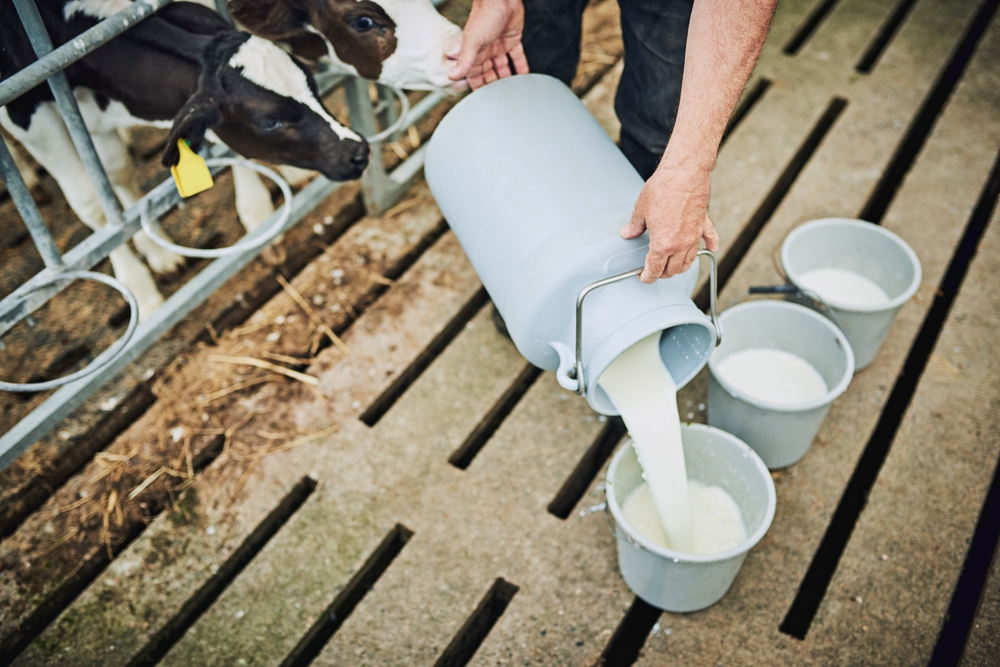
A fast-growing wellness trend is facing renewed and urgent scrutiny following the death of a newborn baby in New Mexico. Health officials confirmed that the infant died from a listeria infection, a rare but extremely dangerous illness, and experts believe the bacteria was most likely transmitted during pregnancy after the baby’s mother consumed raw, unpasteurised milk. What initially appeared to be a personal dietary choice has now become a national warning about food safety, misinformation, and preventable risk.
Contents
show
The case has deeply unsettled doctors and public health officials because it highlights how practices often promoted as “natural” or “traditional” can carry serious consequences for those least able to protect themselves. Raw milk, which has increasingly been framed online as a healthier alternative to pasteurised dairy, is now at the center of a renewed public health conversation. Experts say the tragedy reveals a widening gap between scientific evidence and online wellness narratives.
As raw milk gains popularity across social media platforms and within certain political movements, health professionals warn that decades of food safety progress are being undermined. In their view, the resurgence of raw milk reflects a broader cultural shift in which distrust of institutions and a desire for control over personal health can sometimes outweigh evidence-based guidance.
A newborn’s death that raised alarm bells nationwide
The New Mexico Department of Health confirmed that the infant died from neonatal listeriosis, a severe infection caused by the bacterium Listeria monocytogenes. Although officials did not identify the exact source of the contamination, they said the mother’s reported consumption of raw milk during pregnancy was the most likely exposure. Investigators emphasized that pinpointing a single source is often difficult with listeria, particularly when exposure occurs weeks before symptoms become apparent.
In a public statement, the department said the death “underscores the serious risks raw dairy poses to pregnant women, young children, elderly New Mexicans and anyone with a weakened immune system.” Officials stressed that this was not an isolated or abstract risk, but a real-world example of how quickly foodborne illness can turn deadly.
Listeria is especially dangerous because it can cross the placental barrier. This means a pregnant person may experience only mild symptoms such as fatigue, muscle aches, or fever, while the unborn baby faces life-threatening complications. In many cases, parents only become aware of the infection after the baby becomes critically ill shortly after birth.
Medical experts say neonatal listeriosis has a mortality rate of 20 to 30 percent, even when infants receive prompt and advanced medical care. Survivors may face long-term neurological damage, developmental delays, or chronic health issues that last a lifetime.
Why listeria is especially deadly for newborns
Listeria differs from many other foodborne bacteria in ways that make it particularly dangerous. Unlike pathogens that are slowed or eliminated by refrigeration, listeria can survive and continue to grow at cold temperatures. This makes it especially difficult to control in foods that are not heat-treated, such as raw milk.
For newborns, whose immune systems are not yet fully developed, the consequences can be catastrophic. Doctors warn that infection can lead to widespread complications, including overwhelming infections that spread throughout the body and damage vital organs.
Common outcomes of neonatal listeriosis include:
- Sepsis, a severe immune response that can cause organ failure
- Meningitis, leading to inflammation of the brain and spinal cord
- Respiratory failure, often requiring mechanical ventilation
- Permanent neurological damage, including cognitive and motor impairment
What makes these outcomes especially tragic, experts say, is that they are largely preventable. Because pregnant people may show few or no symptoms, exposure often goes unnoticed until irreversible harm has occurred. Health authorities emphasize that pasteurisation was developed specifically to protect against these silent but devastating infections.

The comeback of raw milk and the “liquid gold” narrative
Despite long-standing public health warnings, raw milk has experienced a notable resurgence. On social media, influencers and wellness advocates often portray it as a return to simpler, more authentic food practices, contrasting it with what they describe as overly processed modern diets.
Supporters frequently claim that raw milk can improve digestion, reduce allergies, enhance immunity, and provide superior nutrition. These claims are often shared alongside personal testimonials, family anecdotes, and idyllic images of farm life that resonate strongly with audiences seeking natural alternatives.
Experts caution that many of these claims are based on limited or misunderstood research. Some European studies have suggested lower rates of asthma or allergies among children raised on farms, but scientists say these outcomes are linked to complex environmental exposures, not raw milk alone. Factors such as early exposure to animals, soil microbes, and diverse diets all play a role.
Professor Kali Kniel from the University of Delaware warned that visual cleanliness and good intentions do not equal safety.“Even if it’s a clean dairy, or the animals look healthy, you cannot guarantee that raw milk is clear of pathogens,” she told the BBC. She emphasized that bacteria cannot be seen, smelled, or tasted.
What pasteurisation actually does and why it matters
One of the most persistent arguments made by raw milk advocates is that pasteurisation destroys nutrients and diminishes milk’s health benefits. Food scientists say this belief is not supported by evidence.
Pasteurisation gently heats milk for a short period to kill harmful bacteria, including listeria, without significantly altering its nutritional content. Research consistently shows that pasteurised milk retains its protein, calcium, and most essential vitamins at levels comparable to raw milk.
Experts explain that any minor nutrient changes are negligible when weighed against the public health benefits. Pasteurisation has been credited with dramatically reducing deaths from milk-borne diseases over the last century, particularly among children.“Science has shown we are not losing nutritional value during the pasteurisation process,” Kniel said. “Certainly not enough to outweigh the very real and well-documented risks of consuming raw milk.”
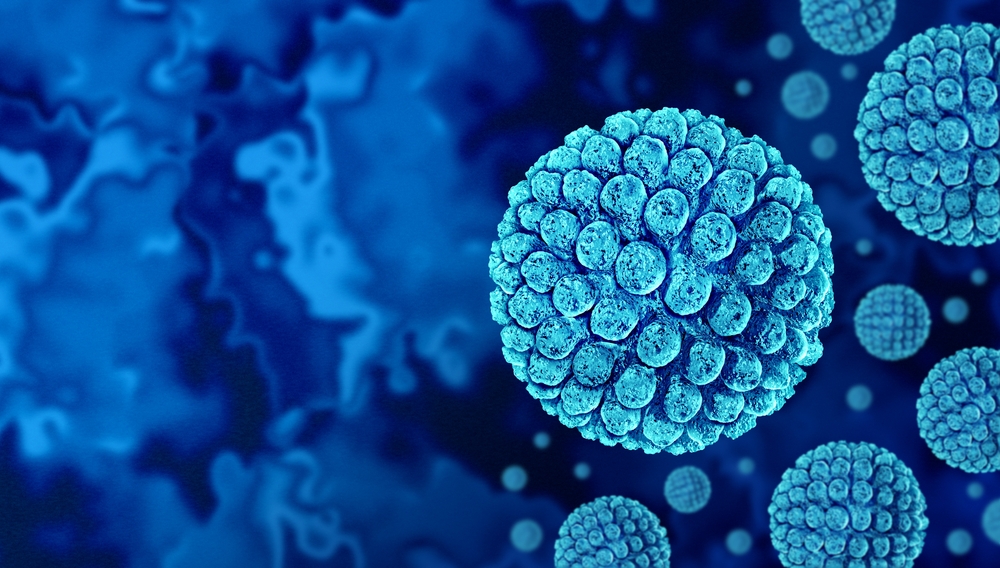
Health officials warn that listeria is only one of many dangerous pathogens associated with unpasteurised dairy products. Raw milk can serve as a vehicle for bacteria and parasites that cause severe illness, hospitalisation, and even death.
These pathogens include:
- Salmonella
- E. coli
- Campylobacter
- Brucella
- Tuberculosis-causing bacteria
- Cryptosporidium
- Avian influenza viruses
What makes raw milk particularly risky is that contamination cannot be detected by consumers. Milk can appear fresh, smell normal, and taste fine while still containing harmful microorganisms. The New Mexico Department of Health stressed that there is no reliable way to make raw milk safe at home.
Influencers, branding, and the power of personal stories
The renewed warning comes as Ballerina Farm temporarily paused raw milk sales after routine testing revealed health violations. The company is owned by Hannah Neeleman and Daniel Neeleman, who have built a following of more than 10 million people by promoting a traditional, farm-centered lifestyle.
Neeleman has previously described raw milk as “liquid gold” and shared stories of drinking it directly from the cow with her children. Public health experts say these personal narratives are powerful, but they can unintentionally create a false sense of security that overshadows scientific evidence.
They stress that even well-run farms with strong hygiene practices are not immune to bacterial contamination, particularly when products are not pasteurised.
When raw milk becomes a political issu
Raw milk has also gained traction within certain political and wellness movements, including the Make America Healthy Again movement. Supporters have urged lawmakers to legalise raw milk sales nationwide and reduce penalties for unlicensed producers, framing the issue as one of personal freedom and bodily autonomy.
Health and Human Services Secretary Robert F Kennedy Jr has previously described himself as a raw milk supporter, adding further visibility to the debate.
Public health experts argue that food safety regulations exist to protect communities, particularly those who cannot assess risk for themselves. They warn that weakening these protections increases the likelihood of preventable illness and death.
“We need to try to protect everybody so it doesn’t happen again,” Kniel said, referring to the newborn’s death.
How post-pandemic wellness culture reshaped risk perception
Experts say the renewed interest in raw milk reflects broader changes in how people view health following the Covid-19 pandemic. Years of uncertainty, fear, and conflicting information left many searching for ways to strengthen immunity and regain a sense of control over their wellbeing.
In that environment, solutions that sounded natural or traditional often gained traction, even when evidence was limited. Kniel noted that “the strong desire to reduce illness and find better nutrition, particularly in the wake of Covid, has led people to turn to some unsafe behaviours.”
The takeaway: when “natural” does not mean safer
The death of the New Mexico newborn serves as a devastating reminder that many food safety rules exist because of past loss and suffering. Pasteurisation was not introduced arbitrarily, but in response to widespread illness and death caused by contaminated milk.
Raw milk may feel nostalgic or empowering, but bacteria are indifferent to beliefs, branding, or intentions. Health officials hope that New Mexico’s warning will prompt clearer and more consistent messaging nationwide, especially for pregnant people and families with young children.