
Your cart is currently empty!
Trump Declares the U.S. Economy Has Entered the “Trump Economy” and Says He Is Proud of Its Direction
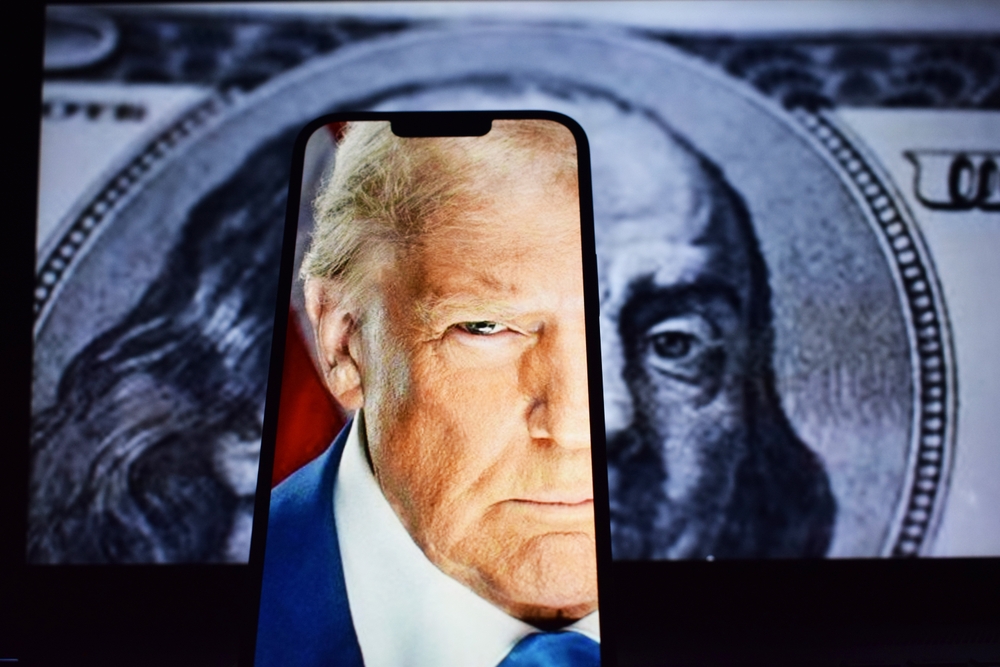
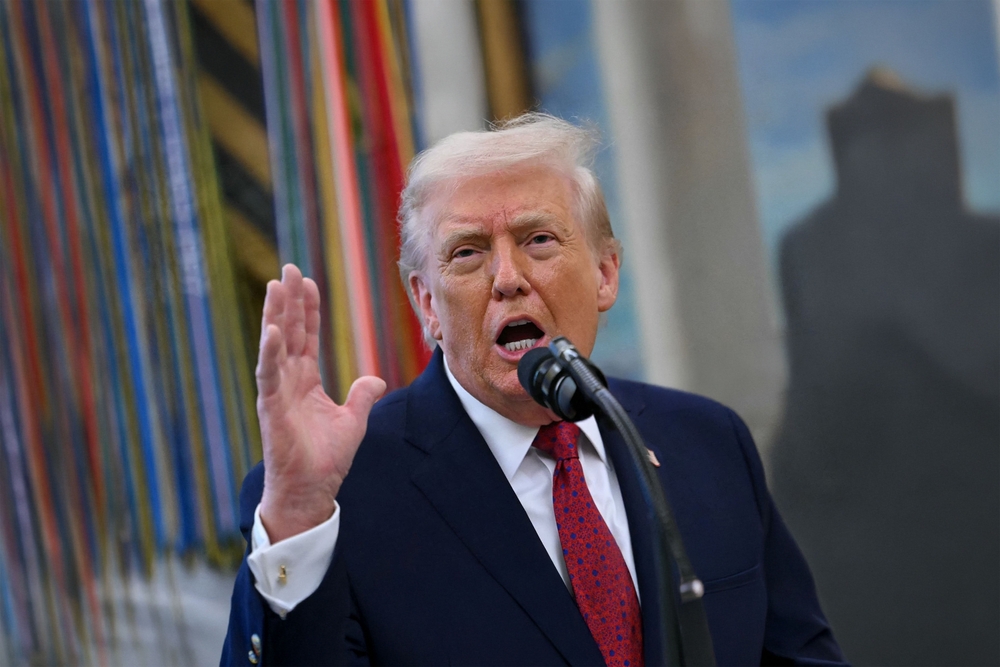
President Donald Trump is once again making the economy the centerpiece of his political identity, this time by explicitly claiming ownership over its current direction and performance. In a wide ranging interview with NBC Nightly News anchor Tom Llamas that aired during the Super Bowl, Trump declared that the United States has already entered what he calls the “Trump economy,” framing the moment as a clear shift away from the economic legacy of his predecessor. Speaking from the Oval Office, the president projected confidence and certainty, signaling to supporters and skeptics alike that the country’s financial trajectory should now be viewed through the lens of his leadership and policies rather than as a continuation of earlier trends.
Contents
show
The declaration arrives at a moment of political and economic tension. While the administration highlights growth, investment announcements, and easing inflation compared to recent peaks, many Americans continue to report dissatisfaction with the economy and concern about affordability in their daily lives. When Llamas asked directly, “At what point are we in the Trump economy?” the president responded plainly and without hesitation. “I’d say we’re there now,” Trump said, adding, “I’m very proud of it.” The certainty of that statement stands in sharp contrast to polling that suggests voters remain unconvinced, setting the stage for a high stakes debate as the November midterm elections draw closer.
Defining the “Trump Economy”
Throughout the interview, Trump repeatedly emphasized that the current economic environment should no longer be associated with former President Joe Biden. He described the conditions he inherited upon returning to office in January 2025 as deeply troubled, arguing that Democrats created the affordability crisis that continues to frustrate voters. “They’re the ones that caused the problem. I took over a mess in every way,” Trump said, presenting his administration as the force responsible for reversing years of economic mismanagement.
The president pointed to economic growth as evidence that his approach is already producing results. During the interview, Trump claimed that the gross domestic product has grown by 5.6 percent under his watch, citing the figure as proof that the economy is accelerating rapidly. While that number is not supported by finalized government data, Trump used it to reinforce a broader argument that the country has entered a new economic phase driven by his policies on trade, regulation, and investment.
Trump also suggested that political messaging from Democrats reflects this shift. “In the last four days, it’s only four days, the Democrats have not uttered the word ‘affordability,’” he said. According to the president, the absence of that language signals recognition from political opponents that the economic narrative is changing, even if they are unwilling to publicly acknowledge it.
What the Numbers Actually Show
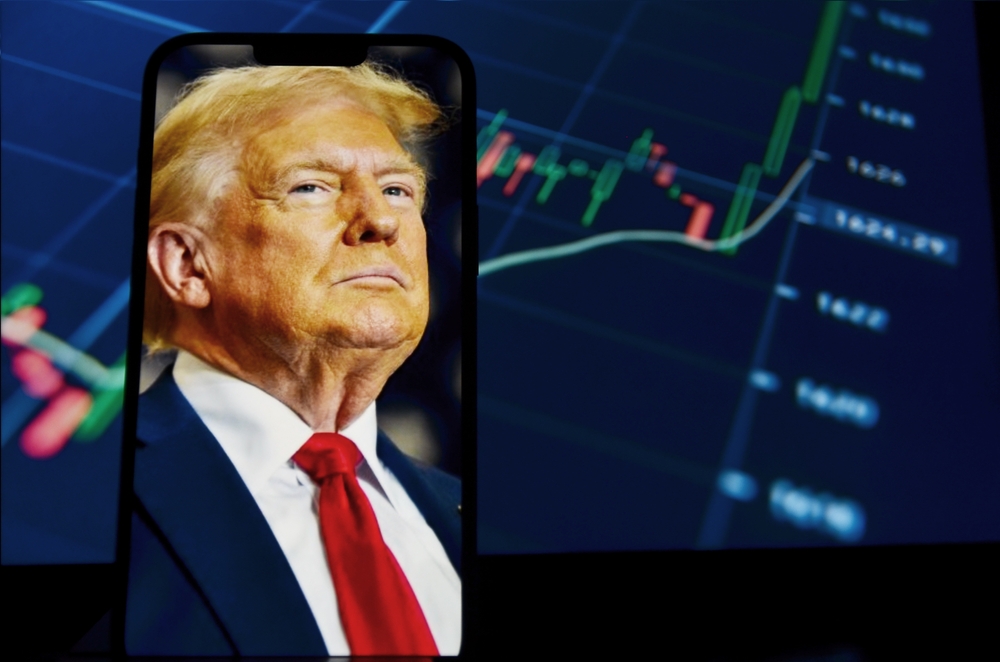
Official economic data presents a more complicated picture than the one described by the president. According to the Labor Department, the U.S. economy grew at an annualized rate of 4.4 percent in the third quarter of 2025, a strong showing by historical standards but short of the level Trump cited. The economy has not exceeded 5 percent growth in any quarter since 2021, when growth surged during the recovery from the COVID 19 pandemic.
The absence of fourth quarter data has added to the uncertainty. Because of a government shutdown, the Labor Department has not released official figures for the final quarter of 2025. Trump referenced projections from the Atlanta Federal Reserve, which have at times reached as high as 5.4 percent. White House officials later acknowledged that the president was citing projections rather than finalized measurements, a distinction economists stress is critical when evaluating economic performance.
Adding further complexity, the economy contracted during the first quarter of 2025. Analysts attributed part of that contraction to anticipated trade and tariff policies that Trump later unveiled in April, which created uncertainty in global markets and disrupted supply chains. These mixed signals have made it more difficult for the administration to present a clear and consistent economic story to voters.

Inflation, Jobs, and Everyday Costs
Inflation remains a central theme in Trump’s economic argument and one of his sharpest lines of attack against the Biden administration. During the interview, Trump said, “I inherited the worst inflation in the history of our country. It was through the roof.” Inflation did reach 9.1 percent in June 2022, marking the highest level in more than four decades, before gradually declining over the following years.
By the time Trump returned to office in January 2025, inflation had cooled to 3 percent. In December, annual inflation stood at 2.7 percent, with food prices rising 3.1 percent year over year and energy prices increasing 2.3 percent. In January 2025, food prices were up 2.5 percent compared with the prior year, while energy prices rose 1 percent. Although these figures represent significant improvement, many consumers continue to feel the strain of prices that remain well above pre pandemic levels.
The labor market has remained relatively stable throughout this period. Unemployment stood at 4.4 percent in December after hitting 4 percent last January, and it has remained below 5 percent since September 2021. Supporters of the president argue that steady employment reflects economic strength, while critics counter that job numbers alone do not address the cost of housing, groceries, and other essentials that dominate household budgets.
Voter Sentiment and Political Reality
Despite Trump’s confident messaging, public opinion surveys suggest widespread skepticism about his handling of the economy. A recent NPR, PBS News, and Marist poll found that 59 percent of respondents disapprove of the president’s performance on the economy, while only 36 percent approve. The disapproval rating increased from the previous month, indicating that economic confidence has not improved despite the administration’s claims.
Recent election results reinforce that skepticism. In off year elections last November, Democrats scored victories in Virginia, New Jersey, and New York by focusing heavily on affordability and cost of living issues. Those results highlight the disconnect between macroeconomic indicators and voter experience, particularly among households that feel left behind by economic growth.
Trump has dismissed these concerns as lingering effects of policies enacted before his return to office. He has argued that the benefits of his agenda will become more visible over time, urging voters to be patient as investment projects come online and growth accelerates. Whether that argument resonates remains an open question as the midterms approach.
Investment Claims and Campaign Messaging
Investment has become another cornerstone of Trump’s economic narrative. During the interview, he told Llamas, “There are factories and plants and thousands of businesses being built all over the country.” He went further, saying, “Actually trillions, $18 trillion is being invested in our country as we speak.” The figure exceeds numbers published on the White House website, which lists approximately $9.6 trillion in announced and pledged investments, and independent reviews have suggested that even those totals may be inflated.
When asked whether those projects would open during his term, which ends on January 20, 2029, Trump responded confidently. “Oh, yeah,” he said. “They’ll be opening up over the next year, year and a half, yeah.” The president framed the investments as evidence that global companies see the United States as the most attractive destination under his leadership.
On the campaign trail, Trump has paired these claims with highly specific examples aimed at voters. He told Llamas that gas prices in Iowa had fallen to $1.85 per gallon. Data from AAA, however, shows the state average remains above $2.56, with no counties reporting prices below $2. Such discrepancies have fueled criticism that Trump’s messaging sometimes stretches beyond verified data in an effort to connect emotionally with voters.
Looking Toward the Midterms
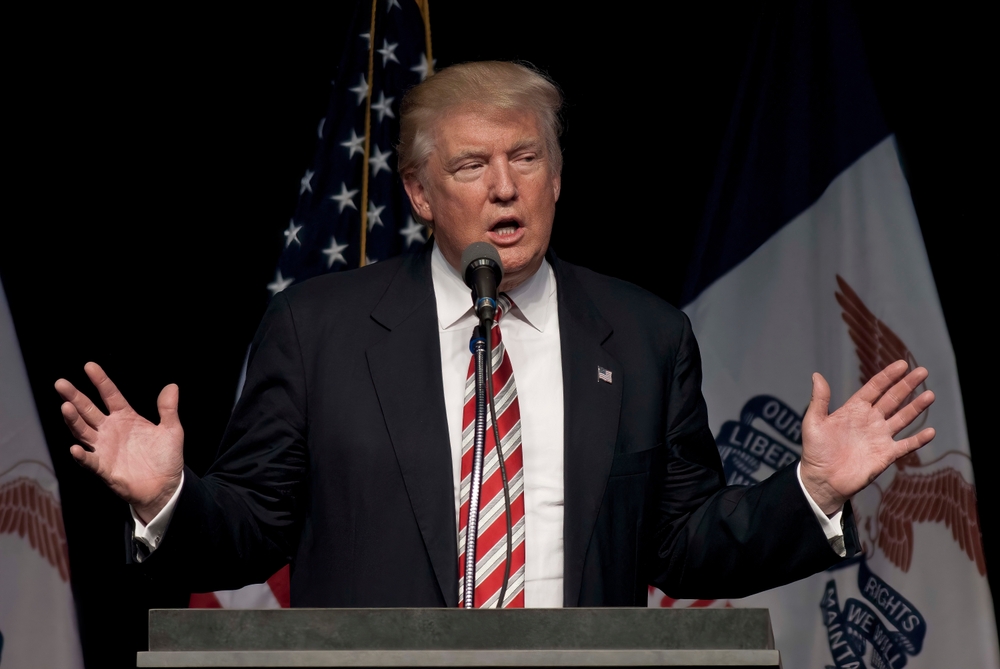
Trump has made clear that he views the midterm elections as a referendum on his economic leadership. “I think ’26 is even gonna be better,” he told Llamas, predicting stronger growth and expanding investment. He also said, “I just spoke to President Xi [Jinping] of China. Nobody has ever seen anything like what’s happening right now in America,” framing the U.S. economy as uniquely strong on the world stage.
Whether that confidence translates into electoral success will depend largely on how voters experience the economy in their daily lives. For many Americans, quarterly growth rates and investment announcements matter less than rent payments, grocery bills, and gas prices. Trump’s declaration of a “Trump economy” is both a political claim and a test of perception, one that will be decided not in interviews or projections, but at the ballot box as voters weigh optimism against their own financial reality.