
Your cart is currently empty!
Obsolete iPhone Makes Stunning Comeback as Demand Explodes
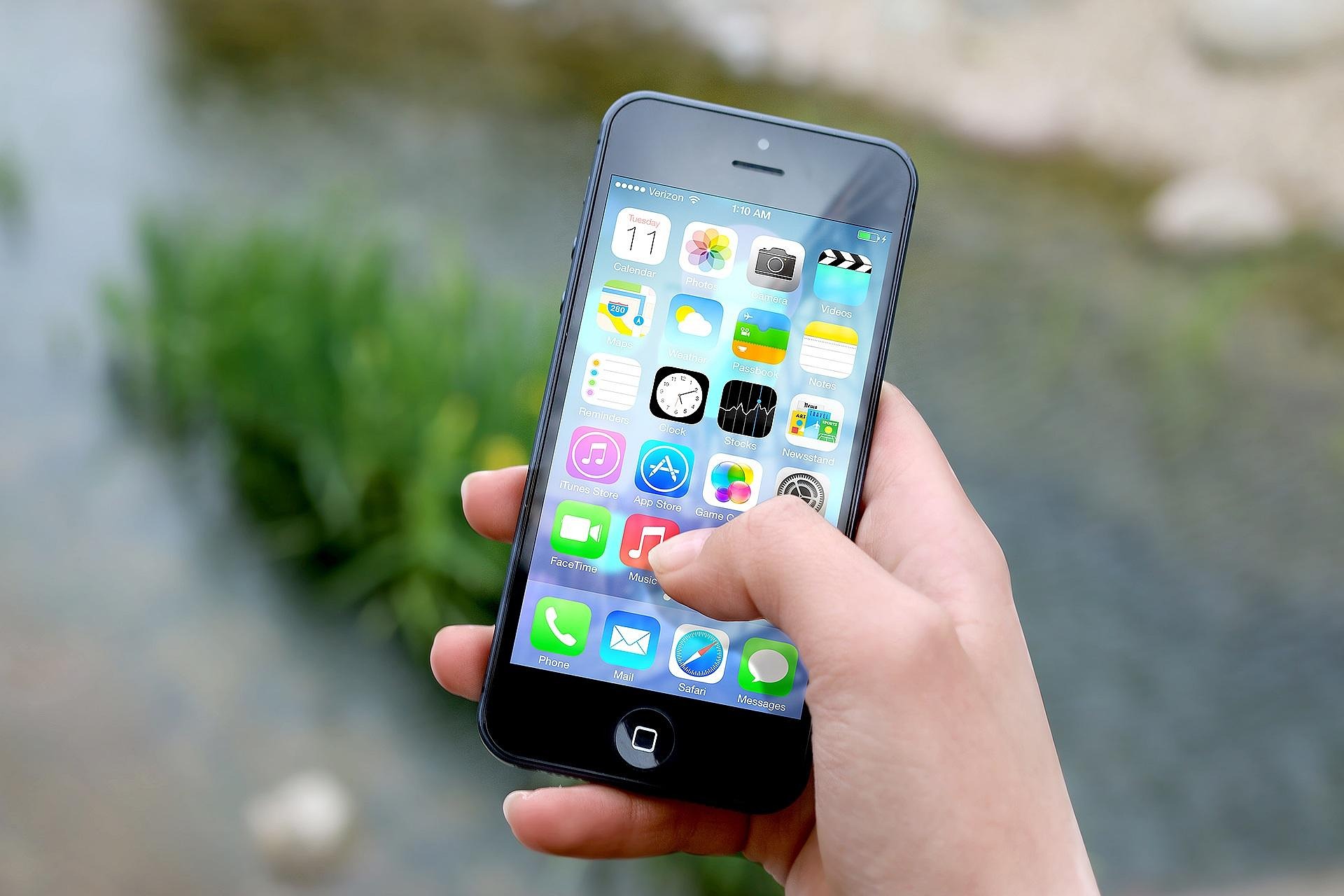
For more than a decade, the iPhone 4 was something most people forgot they even owned. It ended up buried in drawers, old handbags, and storage boxes alongside tangled chargers and cracked screen protectors. Once celebrated as a revolutionary device, it eventually became a symbol of how quickly technology moves on.
Contents
show
Now, in an unexpected twist, that same phone has resurfaced as one of the most talked about gadgets on the internet. Searches for the 2010 smartphone have surged by 979 percent, resale listings are climbing into the thousands of dollars, and social media users are proudly showing off photos taken on what many once considered junk tech. What was written off as obsolete is suddenly valuable again.
The sudden resurgence has left people asking the same question. How did a phone released in 2010 become a sought after collectible in 2025, and what does this say about nostalgia, technology fatigue, and the way we assign value to old devices?
How an Obsolete Phone Became a Viral Sensation
Apple officially considers a product obsolete when it has not been sold for more than seven years. By that definition, the iPhone 4 has been obsolete for a long time. It disappeared from store shelves in 2013 and stopped receiving software updates shortly after.
Despite that, the phone has exploded back into public conversation. According to Google Trends data cited by multiple outlets including the New York Post, searches related to buying the iPhone 4 have increased by nearly 1,000 percent. This surge did not come from tech reviewers or industry insiders. It came from social media.
On TikTok, videos featuring the iPhone 4 have racked up millions of views. Users show off its low resolution camera, thick bezels, and glass back while praising what they describe as a simpler and more intentional experience. Many compare photos taken on the iPhone 4 to images shot on the latest iPhone models, pointing out the contrast between hyper realistic modern photography and the softer, grainier look of older sensors.
Comments like “the vibe is unmatched” and “iPhone 4 is the new digital camera” appear again and again. For a generation burned out by constant updates, notifications, and algorithm driven apps, the appeal of an older device feels oddly refreshing.
The Role of Nostalgia in the Retro Tech Boom
This is not the first time old technology has made a comeback. Vintage video games, early DVDs, and even outdated music formats like CDs and vinyl have all seen renewed interest in recent years. What makes the iPhone 4 different is that it represents a specific emotional era rather than just a format.
The phone was released in 2010, a time many associate with optimism around technology. Smartphones were still exciting rather than exhausting. Social media felt less intrusive. Cameras were good enough to capture memories but not so advanced that every photo felt curated for public judgment.
For younger users who were children when the iPhone 4 launched, the device represents a tangible connection to the early days of smartphones. For older users, it brings back memories of a time before constant connectivity became overwhelming.
Psychologists and cultural commentators have long noted that nostalgia tends to surge during periods of uncertainty or burnout. The renewed interest in the iPhone 4 appears to be part of a broader desire to slow things down and reconnect with simpler experiences.
From Drawer Junk to High Dollar Listings
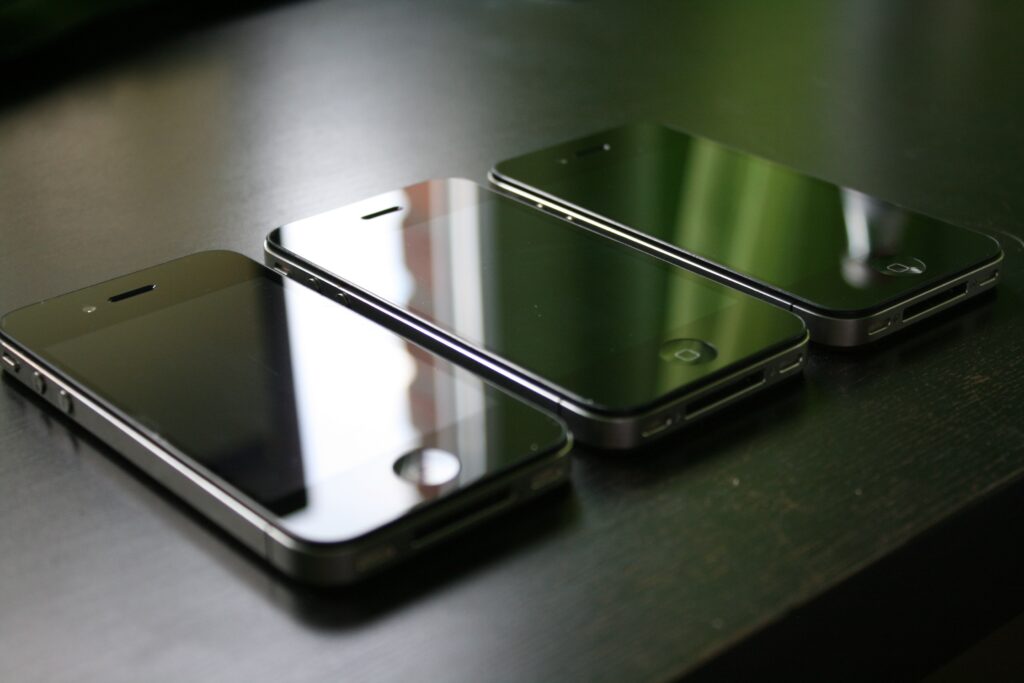
The resale market has responded quickly to this renewed interest. On platforms like eBay, listings for iPhone 4 models have appeared with asking prices as high as 12,000 dollars. While not all of these listings result in sales, there is growing evidence that certain units are genuinely selling for significant sums.
Condition plays a major role. Sealed, unused, or well preserved models command the highest prices. Devices still in their original packaging are especially valuable, as collectors prize items that remain untouched.
This phenomenon mirrors what has happened with earlier Apple products. In 2023, a first generation iPhone from 2007 sold for more than 190,000 dollars at auction. That device was unopened and considered extremely rare, often referred to as a holy grail among Apple collectors.
While the iPhone 4 is far more common than the original iPhone, its cultural significance and sudden popularity have pushed it into collectible territory. For some buyers, it is an investment. For others, it is a nostalgic artifact worth paying a premium for.
Why the iPhone 4 Feels Different From Modern Smartphones
Part of the appeal lies in what the iPhone 4 cannot do. It does not support modern social media apps in their current form. It does not bombard users with push notifications. It does not encourage constant scrolling or content consumption.
The phone’s limitations force a different relationship with technology. Photos must be taken intentionally. Text messages feel more deliberate. The experience is slower, quieter, and less demanding.
Many TikTok creators have framed the iPhone 4 as an antidote to modern smartphone burnout. Instead of chasing perfect photos and viral moments, users embrace imperfections. Blurry images and muted colors become features rather than flaws.
This shift mirrors broader trends like the resurgence of disposable cameras and point and shoot digital cameras. People are increasingly drawn to tools that prioritize experience over performance.
The Security Risks Experts Are Warning About
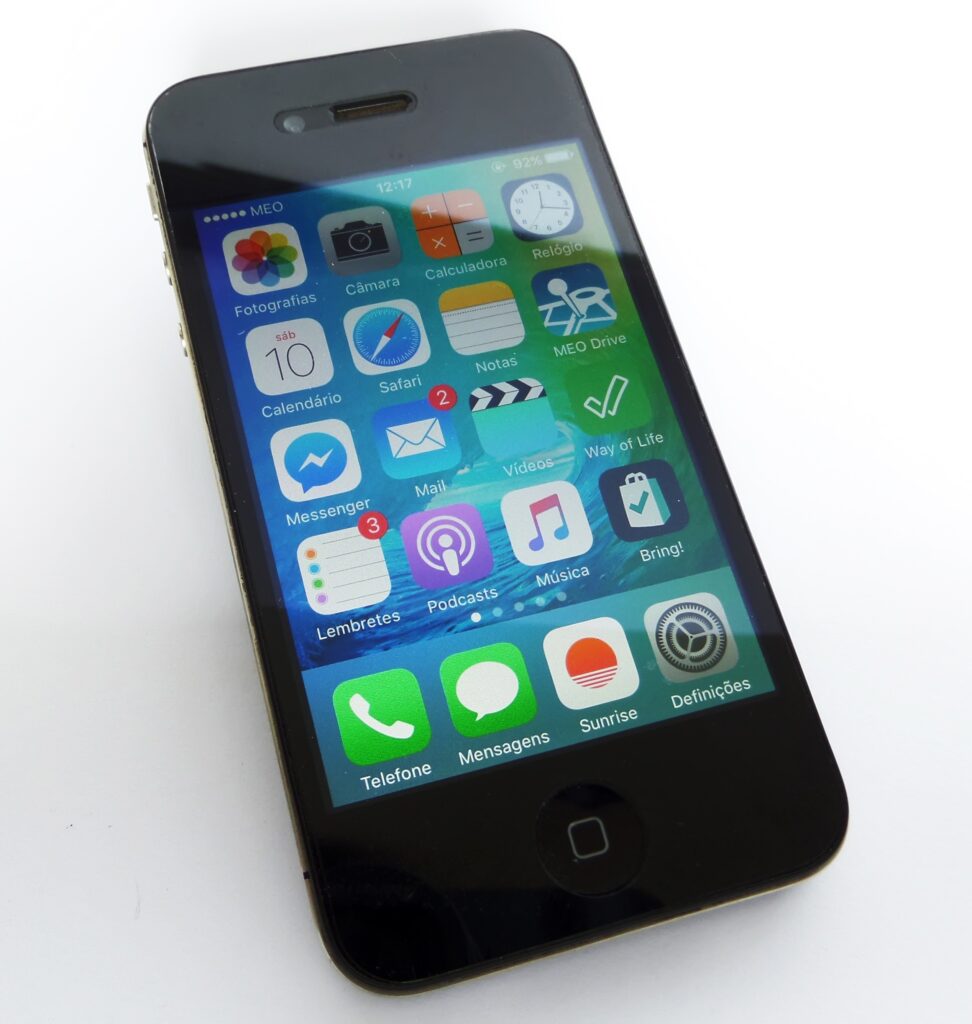
While the aesthetic appeal is undeniable, experts are urging caution. The iPhone 4 stopped receiving software updates over a decade ago. The latest operating system it supports is iOS 7.1.2, which was released in 2014.
Lee Elliott, chief product officer at tech recycling platform Compare and Recycle, has been blunt in his warnings. He advises users to assume their data is compromised as soon as the device is turned on. According to Elliott, the lack of security updates leaves users vulnerable to hacking, data leaks, and other cyber threats.
Modern apps are designed with security protocols that older operating systems simply cannot support. Logging into email, banking apps, or social media on an iPhone 4 carries serious risk. Even basic web browsing can expose users to vulnerabilities.
Why Apple Labels Devices as Obsolete
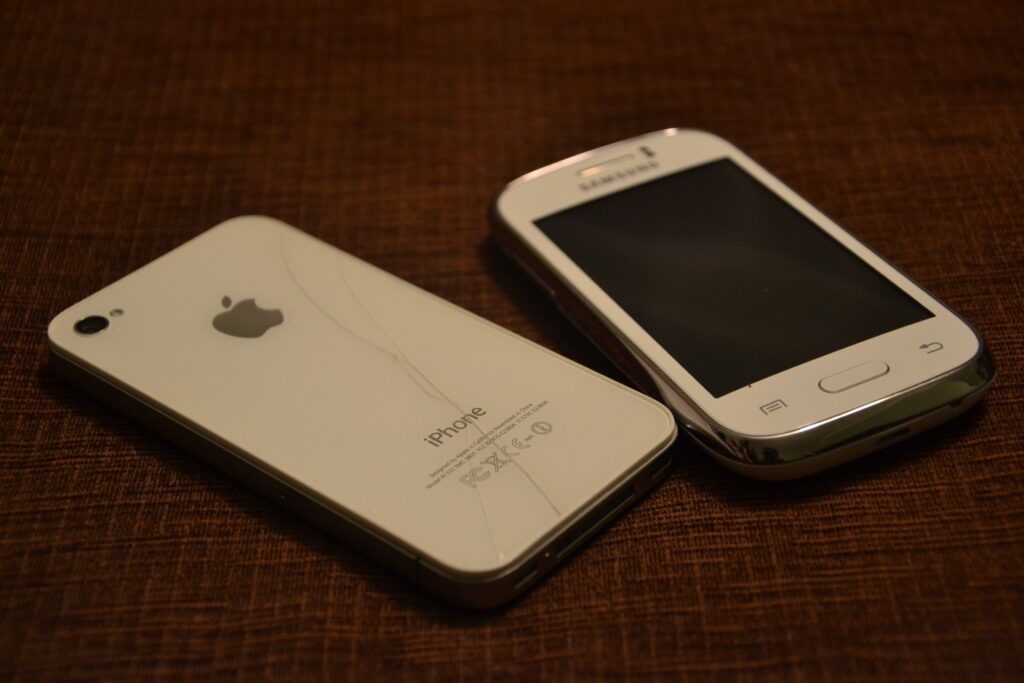
Apple’s obsolete classification is not arbitrary. Once a product has been discontinued for more than seven years, it no longer receives official support. That means no software updates, no security patches, and no access to replacement parts.
For the iPhone 4, this means repairs are difficult and often impossible. Batteries degrade over time. Screens crack. Internal components fail. Without official parts, repairs rely on third party solutions that may be unreliable.
This lack of support is one reason experts recommend keeping obsolete devices as collectibles rather than daily drivers. They are best appreciated as artifacts rather than functional tools.
The Collector Mindset Versus Everyday Use
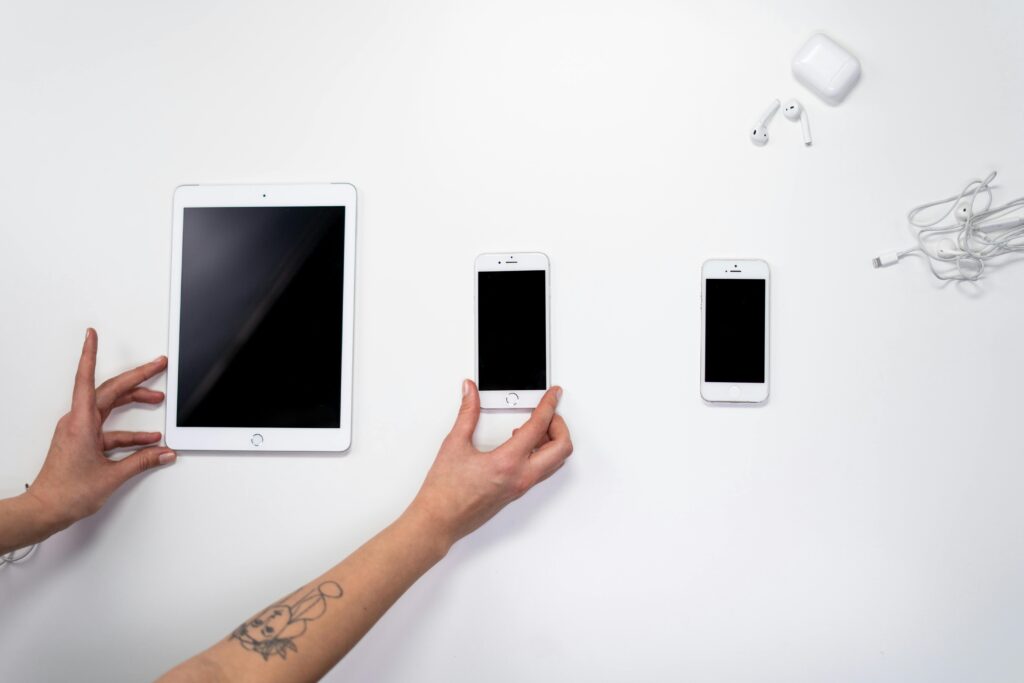
There is a clear divide between those buying the iPhone 4 as a collectible and those attempting to use it regularly. Collectors tend to prioritize condition, originality, and packaging. Their devices are rarely powered on.
Everyday users, on the other hand, are drawn to the experience. They want to take photos, listen to music, and disconnect from modern digital pressures. For these users, the risks are often downplayed or ignored.
Experts argue that this mindset can be dangerous. Even limited use can expose personal data if proper precautions are not taken. Simply inserting a SIM card or connecting to Wi Fi can open the door to security threats.
How Some Users Are Reducing the Risks
For those determined to use an iPhone 4, tech experts have outlined several precautions. These steps do not eliminate risk but can reduce exposure.
Photos should be transferred manually using a wired connection rather than cloud services. Users are advised not to log into iCloud or any Apple ID. Email, banking, and social media apps should be avoided entirely.
Browsing the web is also discouraged. Some recommend using airplane mode and not inserting a SIM card at all. In this configuration, the iPhone 4 functions more like a standalone camera than a phone.
Global Interest and Regional Differences

The resurgence of the iPhone 4 is not limited to the United States. In countries like the Philippines, interest in retro gadgets has grown steadily. Online marketplaces and collector groups feature old phones alongside other vintage tech.
While prices in these regions are often lower, rare or sealed units can still command high premiums. Local experts caution buyers to verify authenticity and condition, as demand has increased the risk of scams.
This global interest highlights how cultural trends spread quickly through social media. What starts as a niche aesthetic can become a worldwide phenomenon in a matter of weeks.
The Influence of Social Media Aesthetics
TikTok has played a central role in shaping the narrative around the iPhone 4. Short videos showcasing before and after photo comparisons have gone viral. Influencers frame the device as a creative tool rather than outdated hardware.
This reframing has been powerful. By focusing on mood, texture, and emotion, creators have transformed technical limitations into artistic strengths. The iPhone 4 becomes a statement against perfection culture.
What This Trend Says About Tech Fatigue
At its core, the iPhone 4 comeback reflects growing dissatisfaction with modern technology. Constant updates, rising prices, and increasingly complex devices have left many users feeling overwhelmed.
The success of a 16 year old phone suggests that people are craving restraint. They want tools that do less, not more. They want technology that serves them rather than demands their attention.
Should You Dig Out Your Old iPhone
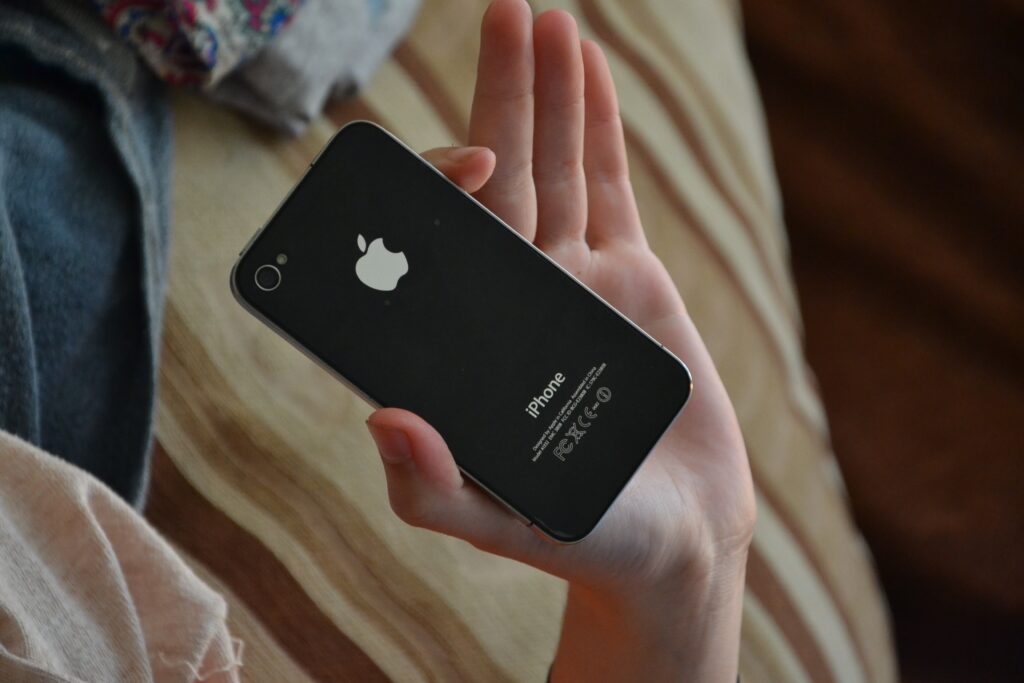
If you have an iPhone 4 sitting in a drawer, the temptation to sell it may be strong. Before doing so, experts recommend taking steps to protect your data.
Backing up your information, signing out of all accounts, unpairing connected devices, and performing a full system reset are essential. Removing the SIM card is also advised.
The Long Term Value Question
Will iPhone 4 prices continue to rise. It is difficult to predict. Trends driven by social media can fade as quickly as they appear. However, Apple products have a long history of retaining and gaining value over time.
The original iPhone’s auction success demonstrates how nostalgia and scarcity can drive prices upward. While the iPhone 4 is more common, sealed and well preserved units may continue to attract collectors.
More Than a Phone, a Cultural Time Capsule
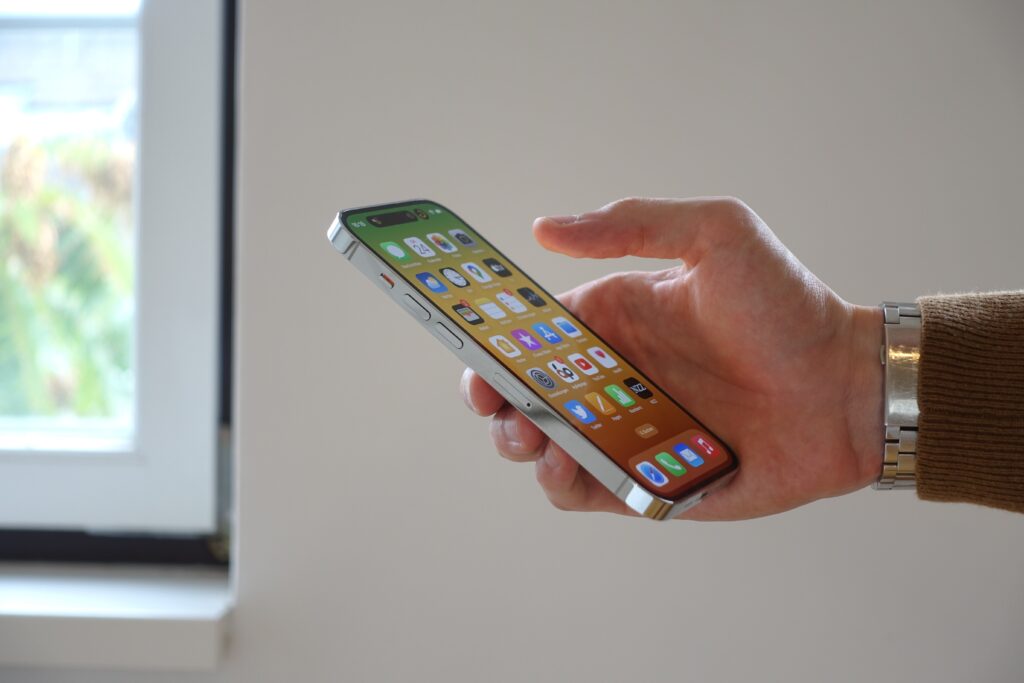
The sudden resurgence of the iPhone 4 is about more than money. It reflects a cultural moment where people are questioning their relationship with technology. What started as a viral aesthetic has become a conversation about value, simplicity, and intentional use.
For some, the iPhone 4 is a collectible worth thousands of dollars. For others, it is a reminder of a time when technology felt exciting rather than exhausting. Either way, its comeback proves that obsolete does not always mean irrelevant.
As searches continue to climb and nostalgia drives demand, one thing is clear. The devices we once discarded may still have stories left to tell.