
Your cart is currently empty!
The Quiet Habits Behind Japans 100000 Centenarians
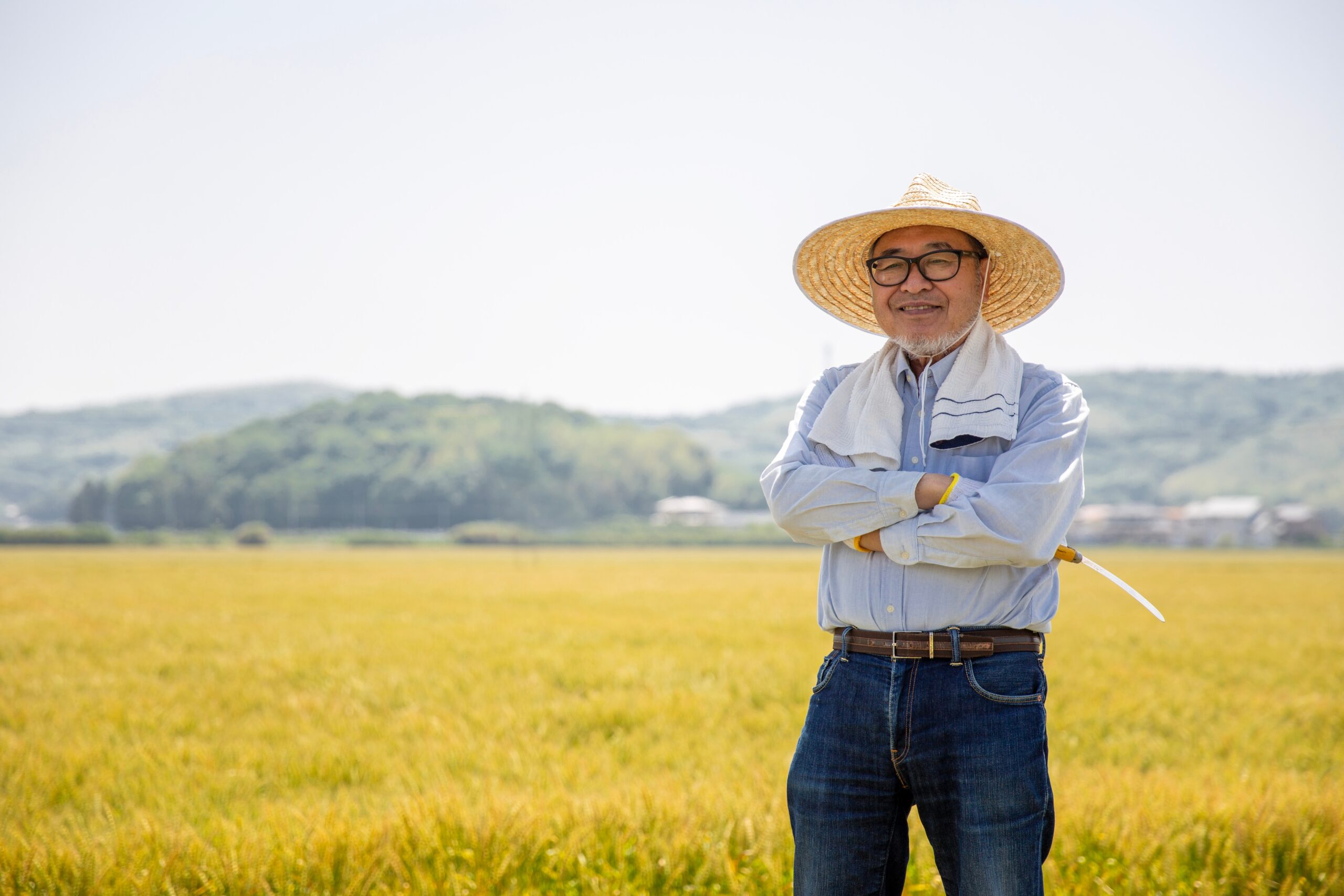
When headlines first began circulating that Japan had nearly 100,000 citizens aged 100 or older, many people expected the usual explanation. A miracle superfood. A cutting edge medical breakthrough. A secret wellness ritual hidden in a remote village. But the truth is far less glamorous and far more powerful.
Contents
show
As of September 1, 2025, Japan recorded 99,763 centenarians, marking the 55th consecutive year that the number has increased. Women make up nearly 88 percent of that total. From just 153 centenarians in 1963 to nearly 100,000 today, the transformation is not accidental. It is the result of decades of cultural habits, public policy decisions, social structures, and everyday routines that quietly compound over a lifetime.
Japan now holds one of the highest life expectancies in the world. Yet behind the celebration lies a deeper story, one that blends biology, community, mindset, infrastructure, and discipline. The real secret is not dramatic. It is steady.
A Milestone That Took Decades to Build
Japan’s centenarian milestone did not appear overnight. When the government began formally tracking citizens aged 100 or older in 1963, only 153 people qualified. By 1981, that number had grown to 1,000. In 1998 it surpassed 10,000. By 2012, it crossed 50,000. Now, in 2025, it sits just shy of 100,000.
Each year, ahead of Respect for the Aged Day on September 15, newly recognized centenarians receive a congratulatory letter and commemorative silver cup from the prime minister. In 2025 alone, more than 52,000 individuals became newly eligible for this recognition. What was once a rare achievement has become a visible and celebrated stage of life.
The oldest woman in the country is 114 year old Shigeko Kagawa from Yamatokoriyama. The oldest man, Kiyotaka Mizuno from Iwata, is 111. Their ages are remarkable, but the broader picture is even more striking. Nearly 100,000 people living into triple digits represents not just individual health, but a societal pattern.
At the same time, Japan faces a demographic puzzle. Birth rates remain low and the working age population continues to shrink. Longevity is a triumph, but it also increases demand for healthcare, pensions, and elder support systems. The country stands as both a success story and a case study in the challenges of an aging society.
The Role of Diet: Balanced, Modest, and Consistent

If there is one factor consistently associated with Japanese longevity, it is diet. Yet even here, the explanation is not extreme or restrictive. Traditional Japanese eating patterns emphasize variety, portion control, and balance rather than elimination or indulgence.
Meals often include fish rich in omega 3 fatty acids, seasonal vegetables, seaweed, soy products such as tofu and miso, mushrooms, and fermented foods. Red meat consumption is typically lower than in many Western countries, and highly processed foods historically played a smaller role in everyday meals.
One well known practice in Okinawa, a region famous for high numbers of centenarians, is hara hachi bu. This philosophy encourages people to stop eating when they feel about 80 percent full. It is not framed as dieting, but as mindfulness. Over decades, modest portion control reduces strain on the body and lowers the risk of obesity related diseases.
Japan has some of the lowest obesity rates among developed nations, particularly among women. Lower obesity rates correlate with fewer cases of heart disease, type 2 diabetes, and certain cancers. Studies also show that Japan experiences lower mortality from breast and prostate cancer compared to many Western countries.
Public health messaging has played a role as well. While many countries saw sugar and salt intake climb in recent decades, Japan implemented campaigns encouraging reduced salt consumption. These initiatives contributed to lower rates of hypertension and cardiovascular disease.
The key takeaway is not perfection. Japanese centenarians are not following elaborate meal plans or expensive health trends. They are eating in ways that feel normal, sustainable, and culturally integrated.
Movement Woven Into Daily Life
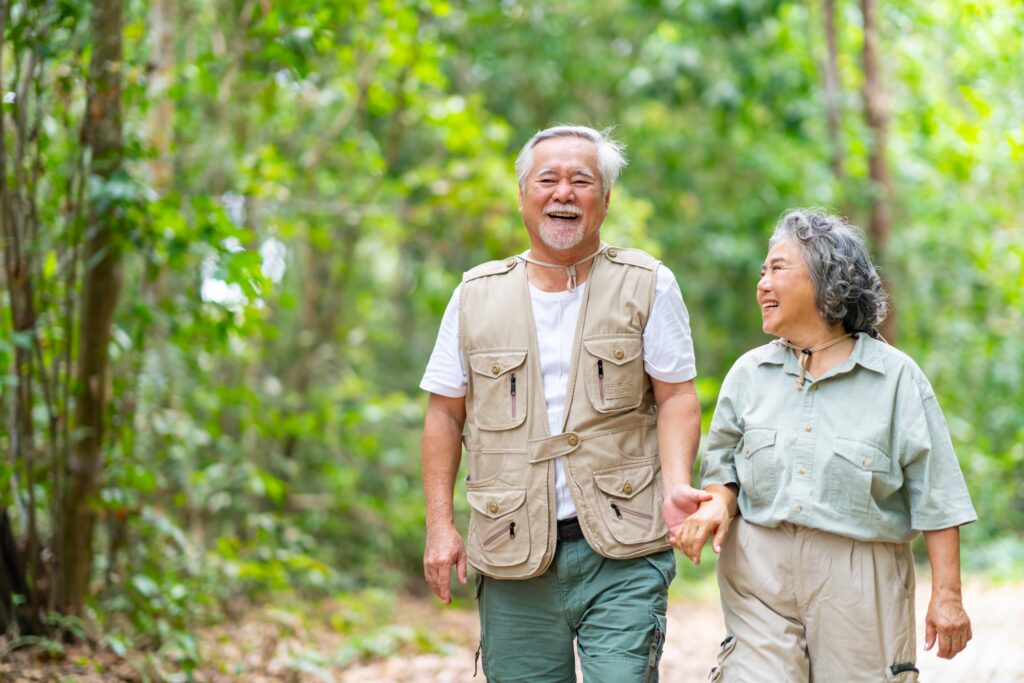
Physical activity among Japan’s elderly population rarely resembles intense gym culture. Instead, it is subtle, consistent, and embedded in everyday life.
Many older adults rely on public transportation, which involves walking to stations and climbing stairs. Urban design encourages pedestrian movement. Even in rural areas, gardening, household chores, and small scale farming keep bodies engaged.
A longstanding tradition called Radio Taiso reflects this cultural emphasis on accessible movement. First introduced in 1928, this short group exercise routine is broadcast nationwide and practiced in parks, schools, and community centers. The exercises are simple, rhythmic, and inclusive, allowing participants of all ages to join.
Regular low intensity movement has powerful effects. It maintains joint flexibility, muscle strength, circulation, and balance. It reduces the risk of falls, which are a major cause of injury among older adults worldwide. It also supports cognitive function and emotional wellbeing.
Rather than treating exercise as a separate task, Japanese culture often treats movement as a natural part of living. Over a century, those daily steps accumulate.
Purpose, Belonging, and the Biology of Connection

Longevity research in Japan consistently highlights the importance of social bonds and a sense of purpose. In Okinawa, researchers have studied centenarians since the 1970s through what is known as the Okinawa Centenarian Study. The findings repeatedly point toward strong community ties, meaningful daily roles, and relatively low stress levels.
Two cultural concepts frequently mentioned in discussions of Japanese longevity are ikigai and moai. Ikigai refers to a sense of purpose or reason for being. It might be caring for grandchildren, tending a garden, teaching a craft, or volunteering locally. Moai refers to a close knit social circle that offers emotional and practical support.
Modern science supports the protective role of connection. Chronic loneliness is associated with increased inflammation, disrupted hormone regulation, poor sleep, and elevated cardiovascular risk. Social isolation can shorten lifespan as significantly as smoking or obesity.
In Japan, older adults often remain integrated into family and community life. Elders are commonly respected for their experience and knowledge. They are less likely to be socially invisible. This emotional safety net does more than provide comfort. It reduces stress related wear and tear on the body.
The psychological dimension of aging is sometimes overlooked in public health conversations. Yet feeling useful, connected, and valued may influence health just as strongly as diet and exercise.
Preventive Healthcare and Social Infrastructure
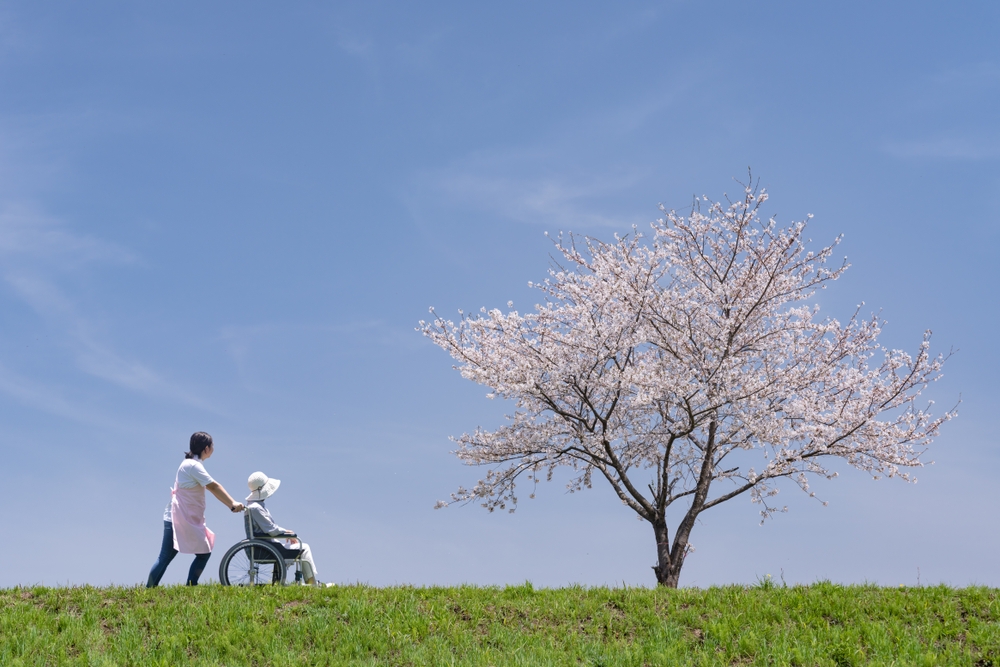
Japan’s universal healthcare system emphasizes preventive care and early detection. Regular health checkups, screenings, and community health programs allow conditions to be identified and managed before they become severe.
Access matters. When individuals can visit a doctor without overwhelming financial barriers, they are more likely to seek care early. Preventive measures reduce complications from chronic diseases and extend healthy years of life.
Public hygiene, clean water, and relatively low levels of pollution in many areas further contribute to overall health outcomes. Environmental quality is often an invisible factor in longevity, yet long term exposure to pollution and unsafe living conditions can significantly shorten life expectancy.
Japan’s infrastructure also supports older citizens through accessible public transportation, safe walking environments, and community centers that facilitate social engagement. These systems make healthy behaviors easier rather than requiring extraordinary effort.
Longevity in Japan is not simply a matter of personal discipline. It is reinforced by policy, urban planning, and cultural norms that align with healthy living.
Genetics, Record Accuracy, and Ongoing Debate
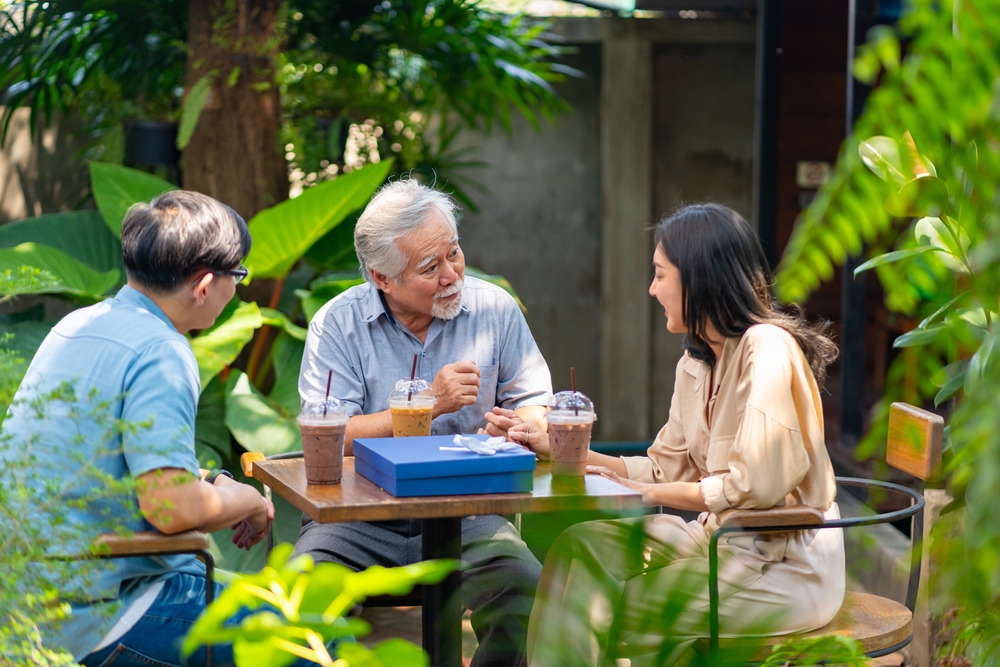
While lifestyle and policy play major roles, researchers acknowledge that genetics may also contribute to exceptional longevity. Studies of centenarian siblings suggest that certain gene variants may provide protection against inflammation and age related diseases.
Epigenetics, which examines how gene expression changes over time in response to environment and behavior, further complicates the picture. Low levels of chronic inflammation appear to be a marker of successful aging among many Japanese centenarians.
At the same time, discussions around global centenarian numbers are not without controversy. In 2010, a government audit in Japan uncovered more than 230,000 individuals listed as aged 100 or older who were unaccounted for, some having died decades earlier. In some cases, deaths had not been properly recorded, and there were suspicions that families may have continued collecting pensions.
The investigation began after the remains of a man believed to be 111 were discovered in his home 32 years after his death. These findings led to reforms in record keeping and greater scrutiny of age verification.
Although the current figures are considered far more reliable, the episode serves as a reminder that longevity statistics must be carefully maintained. Accurate data is essential for planning healthcare systems and social support programs.
The Challenge of an Aging Nation
Japan’s longevity success story exists alongside a demographic reality that cannot be ignored. As more citizens live beyond 100, fewer children are being born. The working age population is shrinking, placing pressure on pension systems and healthcare resources.
An aging society requires:
- Sustainable pension funding
- Expanded elder care services
- Technological innovation in caregiving
- Policies that encourage workforce participation among older adults
Japan has begun experimenting with robotics in elder care, flexible retirement policies, and incentives aimed at supporting families. The country’s experience may foreshadow what other nations will face in coming decades.
Longevity is both a gift and a responsibility. Societies must adapt to ensure that extended lifespans are accompanied by dignity, support, and intergenerational balance.
Lessons the World Can Realistically Apply
It is tempting to romanticize Japanese centenarians as serene figures living in perfect harmony. But copying surface level behaviors without understanding the deeper framework misses the point.
Still, there are practical lessons that transcend geography:
- Eat in moderation with an emphasis on whole foods
- Incorporate gentle daily movement rather than relying solely on intense workouts
- Build small, consistent social circles that offer mutual support
- Schedule regular health checkups and treat prevention as a priority
- Cultivate a sense of purpose through meaningful commitments
These actions are not dramatic. They require patience and repetition. They do not promise immortality. But over decades, they shape health trajectories.
Importantly, not everyone begins from the same starting line. Access to safe housing, nutritious food, healthcare, and social stability varies widely across countries and communities. Longevity should not be framed as a moral achievement of individuals alone. It is deeply connected to policy choices and social equity.
The Real Secret Is Steady Living
Japan’s nearly 100,000 centenarians did not unlock a hidden formula. They participated in a culture that values balance over excess, connection over isolation, and prevention over crisis response.
Their lives illustrate the power of accumulation. Small meals eaten mindfully. Daily walks taken without fanfare. Friendships maintained over decades. Checkups attended regularly. Stress managed through belonging and purpose.
None of these actions make viral headlines on their own. Yet together, across 100 years, they shape extraordinary outcomes.
As other nations confront rising healthcare costs, lifestyle related diseases, and social fragmentation, Japan’s example offers both inspiration and caution. Longevity is achievable, but it is built through systems that support healthy choices and communities that sustain connection.