
Your cart is currently empty!
Couple Met on Dating App, Robbed Bank On First Date

It began like many modern love stories do — with a swipe.
Contents
show
A Massachusetts woman agreed to meet a man she had connected with on a dating app. They had never met in person before. There were no red flags flashing in neon, no obvious signs of danger. Just the nervous anticipation of a first date.
But within hours, what was meant to be a simple outing turned into a police chase, a bank robbery, and eventually, a five-year prison sentence.
According to the Bristol County District Attorney’s Office and reporting from CBS affiliate WPRI, Christopher Castillo pleaded guilty to armed robbery and assault and battery on a police officer after robbing a bank during his very first date with the woman — and making her drive the getaway car.
What followed has since become a cautionary tale about trust, impulsivity, and the unpredictable risks of meeting strangers.
From Swipe to Sirens: When a First Meeting Turns Criminal

On December 5, 2016, the woman picked Castillo up at his parents’ home in Chepachet, Rhode Island. She drove approximately 30 minutes east toward North Attleboro, Massachusetts.
According to prosecutors, Castillo drank wine in the passenger seat of her Nissan Maxima as they drove — an illegal act in itself, though he was not charged for that. At the time, there was little to suggest the evening would spiral into criminal chaos.
As they approached a Bristol County Savings Bank branch, Castillo told her to pull over.
He stepped out of the car and walked toward the bank. She waited.
Minutes later, he came running back — sweating, wearing sunglasses and a hat, holding a gun and $1,000 in cash.
“F**king go,” he reportedly told her.
She later told police she panicked and obeyed.
Behind the Counter: What Happened Inside the Bank

While she waited in the car, Castillo entered the Bristol County Savings Bank branch and approached a teller.
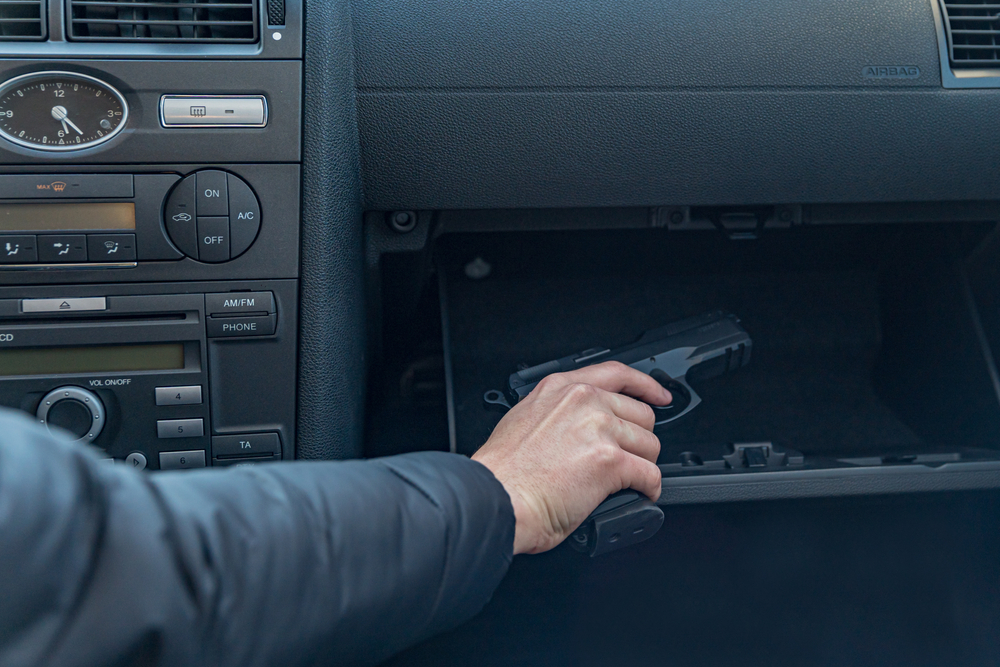
According to the district attorney’s office, he showed the teller a handgun concealed in his jacket and demanded $1,000. He told the teller he needed the money badly — that he was “really hurting.”
The teller complied.
Castillo fled with the cash and returned to the car, instructing his date to drive away.
It’s worth noting that robberies of this scale are not uncommon in the United States, though they remain statistically rare compared to other crimes. The FBI’s Uniform Crime Reporting data has consistently shown bank robberies account for a small fraction of overall criminal activity. Yet for the individuals caught in these moments — tellers, bystanders, and in this case, an unsuspecting date — the emotional impact can be profound.
Flashing Lights and Fast Consequences

According to WPRI, the woman initially drove as instructed. But once she spotted flashing police lights behind them, something shifted.
Rather than accelerating, she pulled into a parking lot and exited the vehicle.
Police approached the car and removed Castillo, who reportedly struggled violently and spat on officers. Prosecutors said he told police, “The gun isn’t even loaded.”
Officers later recovered:
- A .44 caliber handgun (an antique belonging to Castillo’s stepfather)
- The $1,000 in cash
- The hat and sunglasses matching the robber’s description
Although Castillo had initially faced charges for carrying an illegal firearm, those charges were dropped when authorities determined the weapon was an antique owned by a family member.
He ultimately pleaded guilty to armed robbery and three counts of assault and battery on a police officer. He was sentenced to three years in state prison for the robbery and two additional years in the Bristol County House of Corrections for his conduct during arrest.
The woman, meanwhile, was not charged.
Panic, Pressure, and the Law: Why She Wasn’t Charged
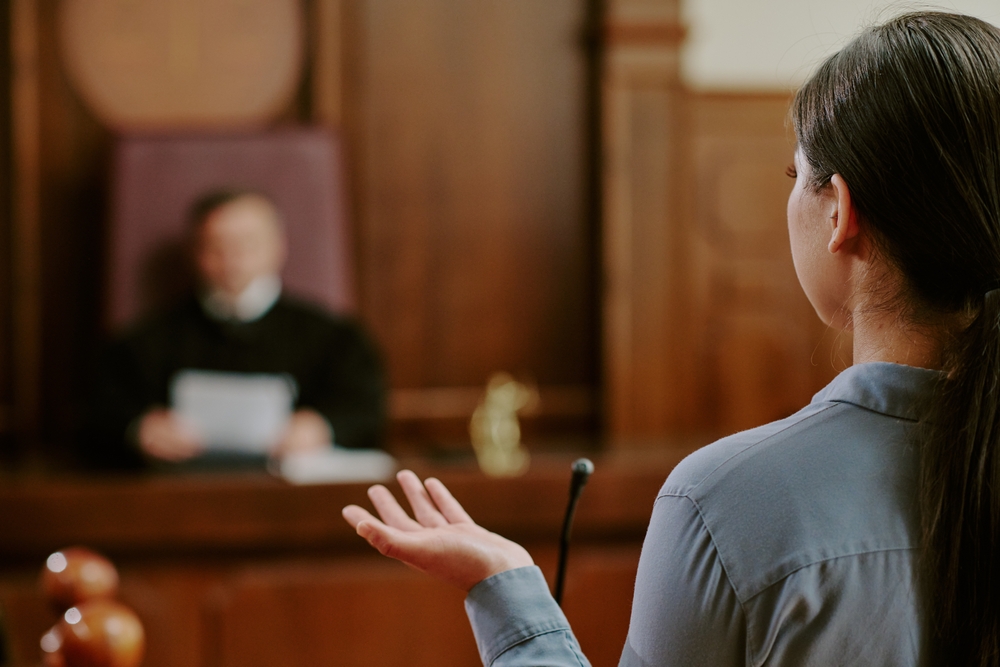
One of the most compelling aspects of this story is the woman’s role — or lack thereof — in the crime.
She drove the car. Yet prosecutors did not charge her.
Why?
Criminal law often distinguishes between intentional complicity and actions taken under duress or panic. In high-stress situations, the body’s fight-or-flight response activates almost instantly. According to the American Psychological Association, acute stress can impair decision-making and narrow cognitive focus, leading people to comply with demands without fully processing consequences.
In her statement to police, she said she panicked.
Her eventual decision to pull over once she saw police lights may have been a critical factor in how authorities interpreted her involvement. It suggested withdrawal from the situation rather than active participation.
From a relationship and behavioral standpoint, this incident also reflects a phenomenon sometimes discussed in social psychology: rapid trust formation in unfamiliar contexts.
When we meet someone through a dating app, we often fill in gaps with assumptions. We project safety, shared values, or good intentions onto someone we barely know. In most cases, that trust is harmless.
In rare cases like this one, it can become dangerous.
Desperation or Recklessness? Understanding the Motive
Castillo reportedly told the bank teller he was “really hurting.” Financial stress is often cited as a contributing factor in certain crimes, though it never justifies them.
Research from the National Institute of Justice has examined links between economic strain and criminal behavior, suggesting that financial instability can increase stress and impulsivity. However, most people experiencing financial hardship do not commit crimes.
Impulsive acts, particularly those involving weapons, often reflect a complex combination of stress, poor coping mechanisms, and flawed decision-making.
What stands out in this case is the sheer immediacy of the act — committing armed robbery during a first date suggests either premeditation or extreme recklessness.
Either scenario underscores the importance of recognizing patterns of instability early in interpersonal interactions.
The Legal Fallout and Human Cost
Years after what some have described as the “worst date ever,” Castillo is serving his sentence.
The woman’s life, presumably, has moved forward — though likely with a sharper sense of caution.
While the internet may treat stories like this as darkly humorous or shock-worthy, there are real human consequences involved:
- A bank teller placed in fear.
- Police officers assaulted during arrest.
- A woman thrust into a criminal investigation.
- A man facing years behind bars.
Behind every viral headline lies a web of disrupted lives.
Modern Dating in the Real World: Risk Without Fear

It would be easy to turn this story into a sweeping indictment of online dating. But that would ignore both data and nuance.
Pew Research Center reports that a significant portion of adults in the United States have used online dating platforms, and many long-term relationships and marriages now begin online. The vast majority of first dates do not end in criminal activity.
However, stories like this highlight the importance of practical safety measures, especially when meeting someone for the first time.
Practical First-Date Safety Tips
Experts commonly recommend:
- Meet in a public place with visible staff and other patrons.
- Drive yourself or arrange your own transportation.
- Tell a trusted friend or family member where you’re going and who you’re meeting.
- Limit alcohol consumption to maintain clear judgment.
- Trust early discomfort signals — even if you can’t immediately explain them.
In this case, the woman did drive herself — a decision that may have ultimately given her the freedom to stop and walk away once police appeared.
Trust, Caution, and Choice
This story lingers because it feels so ordinary at the start — two people meeting for the first time — before veering into something extraordinary. It reminds us that trust should unfold gradually, and that personal safety is never an overreaction.
In the end, the most powerful decision wasn’t the robbery or the attempted escape. It was the moment she pulled over and stepped away. Even when someone else makes a reckless choice, we still retain the power to make our own.