
Your cart is currently empty!
People Are Turning to “Retromancing” Because Online Dating Is Leaving Them Exhausted

Today’s world is shaped by speed, and that constant momentum has subtly altered the way people form relationships. Meals reach doorsteps within minutes, shopping is completed in seconds, and dating apps can suggest a potential match before someone has even stepped outside. For a long time, this convenience felt exciting. It offered efficiency, endless choice, and the belief that love itself could be improved through optimization. Yet for many who have spent years navigating dating apps, that same pace now feels exhausting rather than thrilling. Anticipation has been replaced by pressure. Curiosity has faded into fatigue. Romance, once something people eagerly embraced, has begun to feel like another obligation to manage.
Contents
show
Over time, as conversations start to blur and connections appear increasingly disposable, many singles are questioning whether moving faster actually leads to something better. Constant swiping, nonstop messaging, and the silent expectation of always being available often create emotional burnout instead of intimacy. You can talk to someone all day and still barely know them. You can collect countless matches and still feel isolated. In response, a slower and more nostalgic approach is gaining attention. Known as retromancing, it centers on reducing the pace of dating, bringing purpose back into romantic interactions, and rediscovering ways of connecting that feel authentic rather than staged.

Dating Burnout Is Pushing People to Rethink Modern Romance
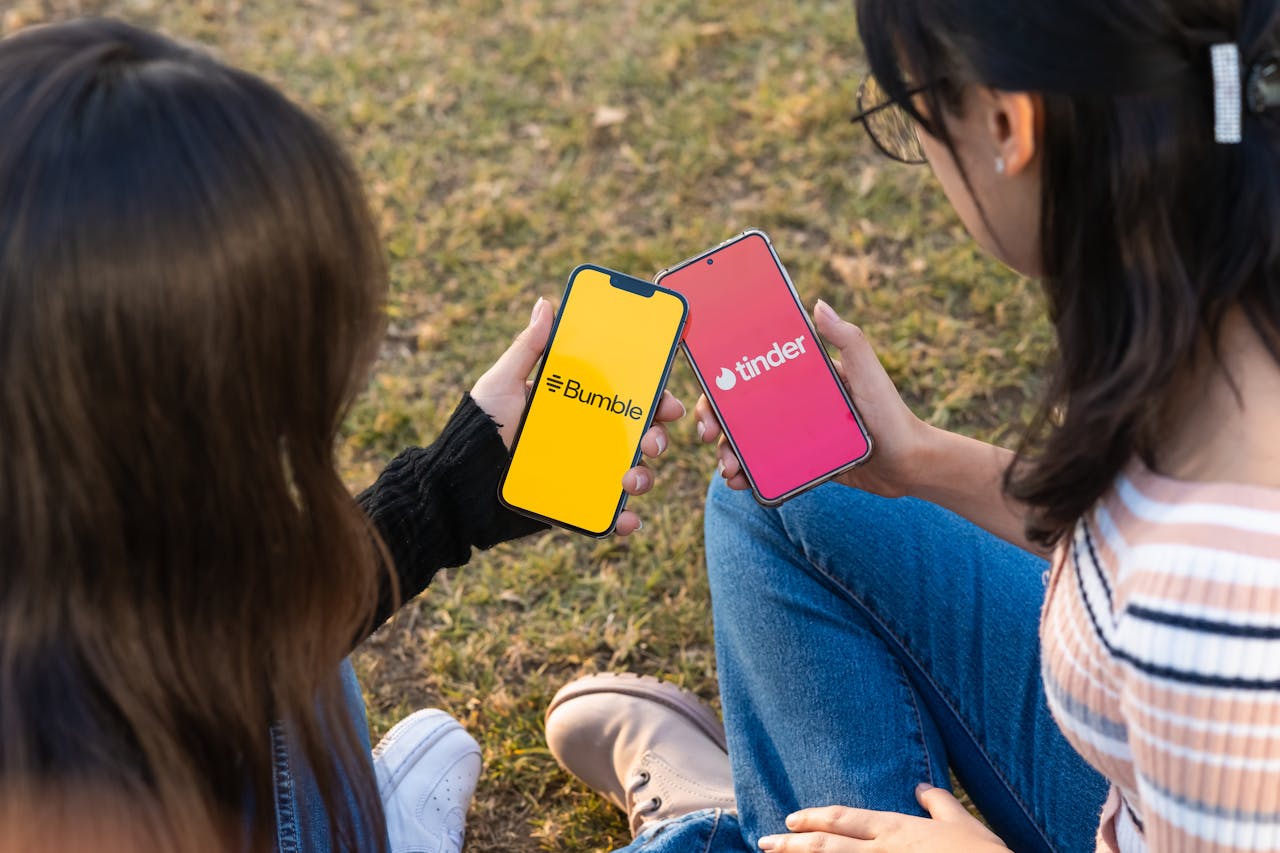
Dating fatigue has become one of the most common emotional side effects of app-based romance. Many singles describe feeling drained by conversations that never progress, confused by unclear intentions, and discouraged by how easily connections can disappear. The constant access that dating apps encourage can blur boundaries and create a false sense of closeness that does not always translate into real emotional understanding.
Instead of feeling excited about meeting someone new, people often feel pressure to respond quickly, stay interesting, and compete for attention. When communication becomes constant but shallow, it can leave people feeling lonelier than before. Talking all day does not always mean being known, and swiping endlessly does not always lead to meaningful connections.
Retromancing has emerged as a response to that exhaustion. Rather than rejecting modern dating entirely, it challenges the idea that romance should always be instant, efficient, and digitally driven. For people who feel burned out, slowing down can feel like reclaiming control.
What Retromancing Actually Looks Like in Practice
At its core, retromancing is a return to dating habits that were common before smartphones and social media shaped every interaction. As described in the reference, retromancing is about “phone calls instead of constant texting,” “handwritten notes instead of expensive gifts,” and “home cooked meals” rather than elaborate nights out. These gestures are not about impressing someone quickly. They are about showing care through time, effort, and presence.
The dating platform Plenty of Fish helped popularize the term, describing retromancing as a style of dating rooted in nostalgia and intention. According to their research, many singles are inspired by the love stories they grew up hearing from parents or grandparents. Those stories often centered on patience, effort, and gradual connection rather than instant access.
Examples of retromancing are simple but meaningful. Planning a picnic instead of booking a crowded restaurant. Calling someone just to hear their voice. Writing a note that says what a rushed text message might miss. Some people even bring back mixtapes in digital form or create thoughtful scavenger hunts for anniversaries, focusing on memories instead of spectacle.

Why Younger Generations Are Drawn to Old Fashioned Dating Habits
One of the most surprising aspects of retromancing is how strongly it resonates with younger generations. Despite being raised in a digital world, many Gen Z daters are embracing slower and more sentimental ways of connecting. Data from Plenty of Fish shows that many singles already prefer cooking a homemade meal for a date rather than going out, and others say they would rather call someone they care about than send messages throughout the day.
For younger daters, retromancing offers relief from the pressure to be constantly online. A phone call requires presence. A planned date requires intention. These moments feel different from endless messaging because they demand attention instead of multitasking.
Retromancing also allows younger people to set boundaries around technology. Instead of letting apps dictate the pace of intimacy, they choose when and how to connect. That choice can make dating feel more grounded and less emotionally draining.
Why Slowing Down Can Create Deeper Emotional Bonds
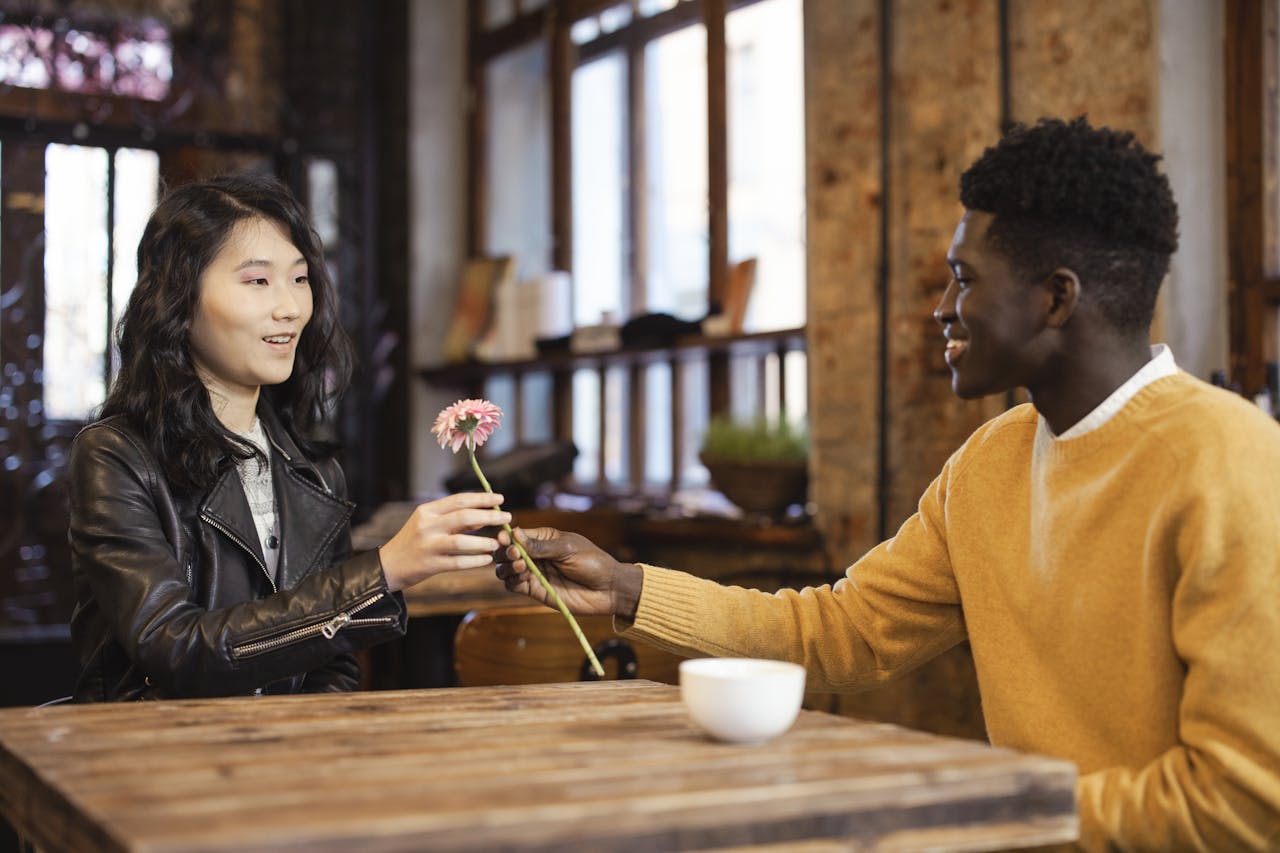
One reason retromancing feels appealing right now is its emotional impact. Dating apps often encourage constant communication, which can create the illusion of closeness without depth. Retromancing pushes back against that pattern by prioritizing quality over quantity.
Relationship experts suggest that thoughtful gestures help partners feel more valued. A phone call requires attention. A handwritten note takes time. Cooking for someone means planning and care. These actions send a clear message that says, “you matter enough for me to show up intentionally.”
By slowing down communication, people also create space for anticipation and appreciation. Instead of constant updates, there is room to miss each other and reconnect with purpose. Many people find that this slower pace allows emotional bonds to develop more naturally and with less pressure.
When Retromancing Works and When It Does Not
Retromancing is not automatically healthy, and its impact depends on intention. When practiced with sincerity, it can strengthen emotional closeness by encouraging attentiveness, consistency, and genuine effort. Over time, these habits build trust, shared memories, and gratitude, all of which play a major role in long term relationship satisfaction.
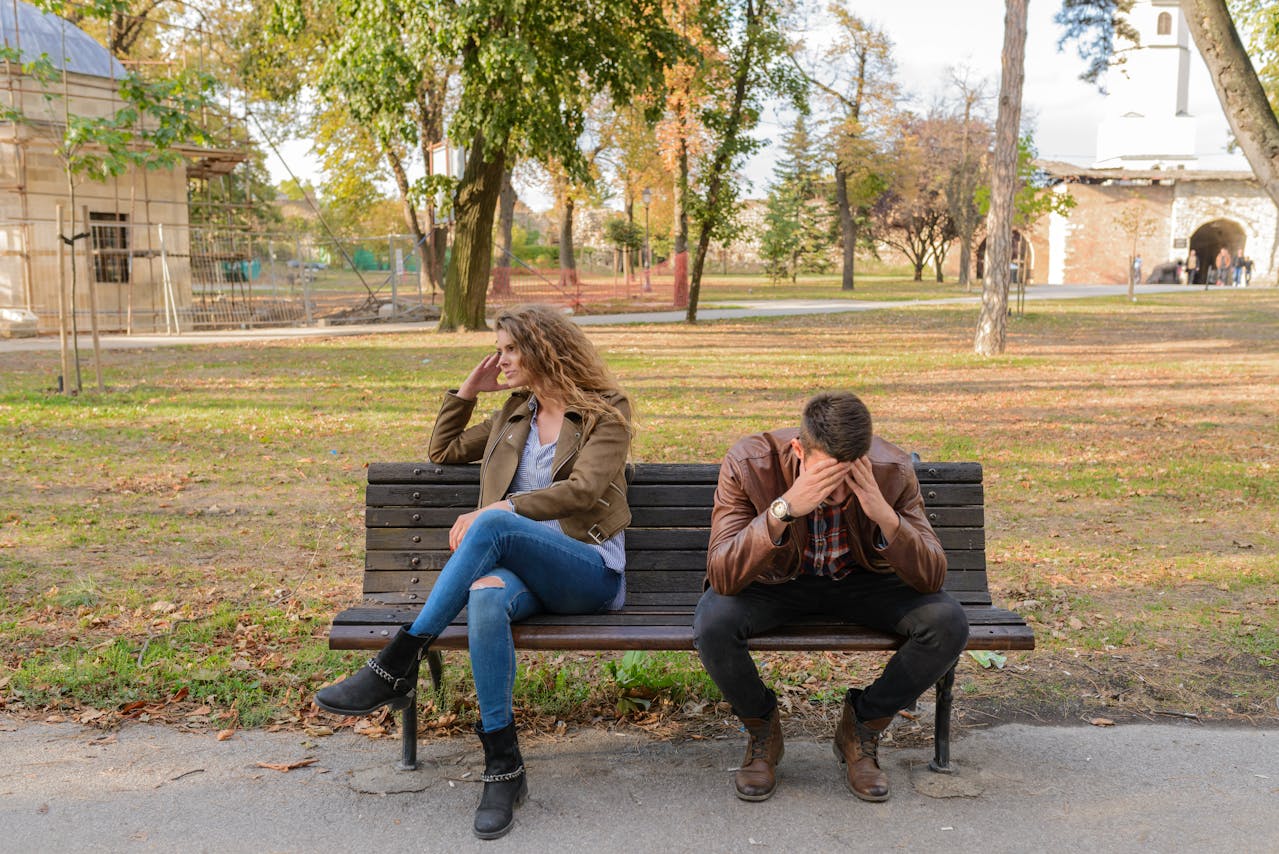
However, some people worry that retromancing can be used as an excuse for doing less. A simple date can feel romantic when there is real effort behind it, but it can feel dismissive when there is not. Writing a note because you care is very different from avoiding communication altogether.
Experts emphasize paying attention to patterns rather than isolated gestures. Someone who truly retromances shows up regularly, makes time even when it is inconvenient, and follows through on their words. Their actions align with their intentions.
Retromancing Versus Low Effort Dating
Questions often arise about whether retromancing is simply another form of low-effort dating. In a culture where spending money is frequently equated with commitment, quieter and more modest gestures can be easily misinterpreted. What truly separates meaningful intention from minimal effort is personalization and consistency over time.
Thoughtful simplicity can be deeply romantic when it reflects genuine care. A home cooked meal carries weight when it is shaped around a partner’s preferences. A walk through the park becomes meaningful when it allows space for honest conversation and emotional presence. These moments matter because they are chosen deliberately, not because they are convenient.
In contrast, low effort dating usually feels unbalanced and unclear. Messages come sporadically, plans lack direction, and gestures feel generic rather than personal. Retromancing only works when simplicity is paired with sustained effort and intention, not when it is used as a shield to avoid emotional investment.
Why Retromancing May Be Here to Stay
In an age shaped by constant screens and relentless pace, it is natural that many people long for something slower and more personal. Retromancing serves as a reminder that meaningful connection does not need to be flashy, complicated, or costly.
Instead of dismissing modern dating altogether, retromancing invites people to be selective about what they embrace and what they soften. By combining elements of old-fashioned romance with modern understanding, many singles are discovering a dating style that feels grounding rather than exhausting.
When approached with sincerity and intention, retromancing becomes less about longing for the past and more about reconnecting with what allows relationships to endure. For those worn down by online dating, that message feels both timely and necessary.