
Your cart is currently empty!
Bird Flu Detected in California Elephant Seals for the First Time
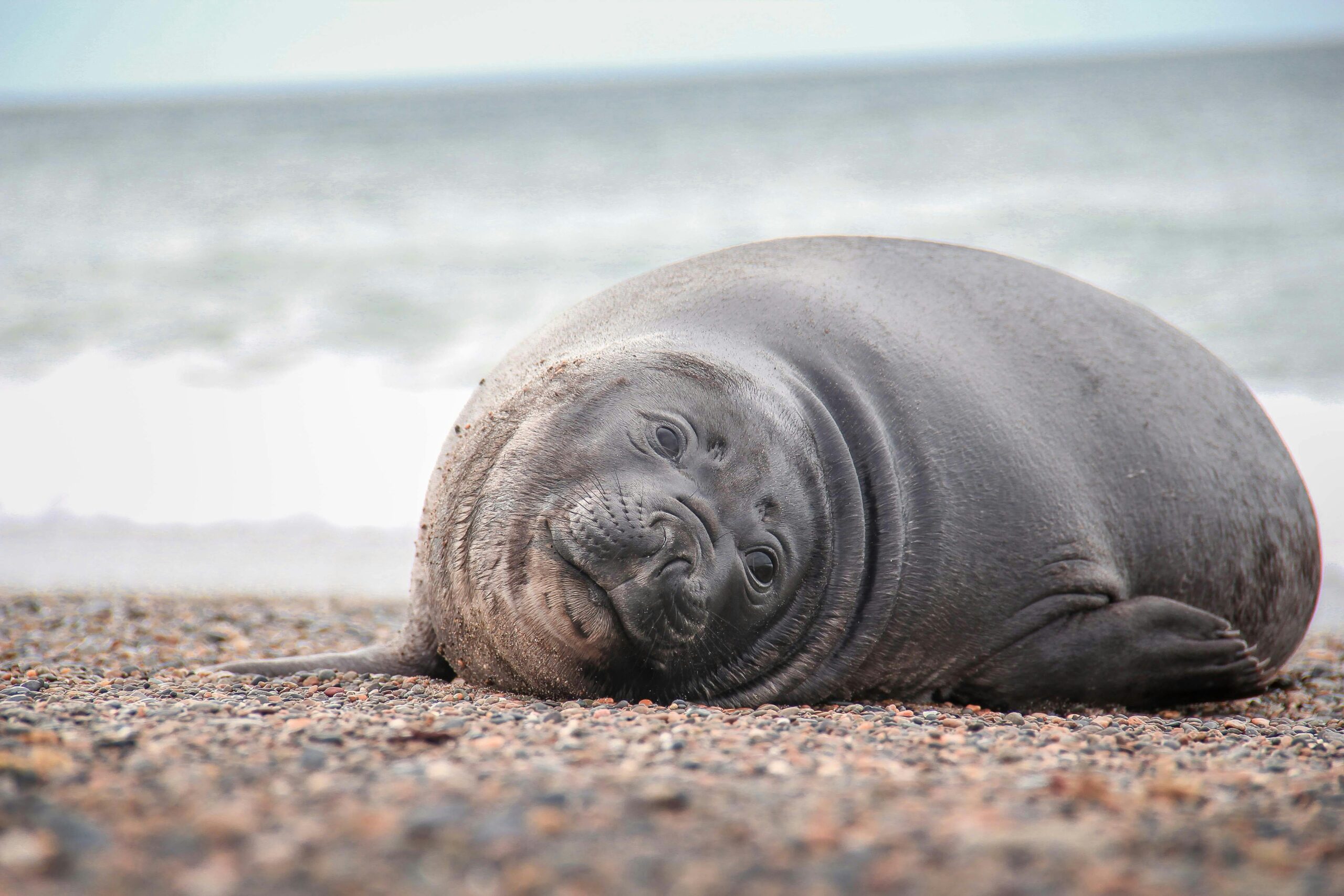
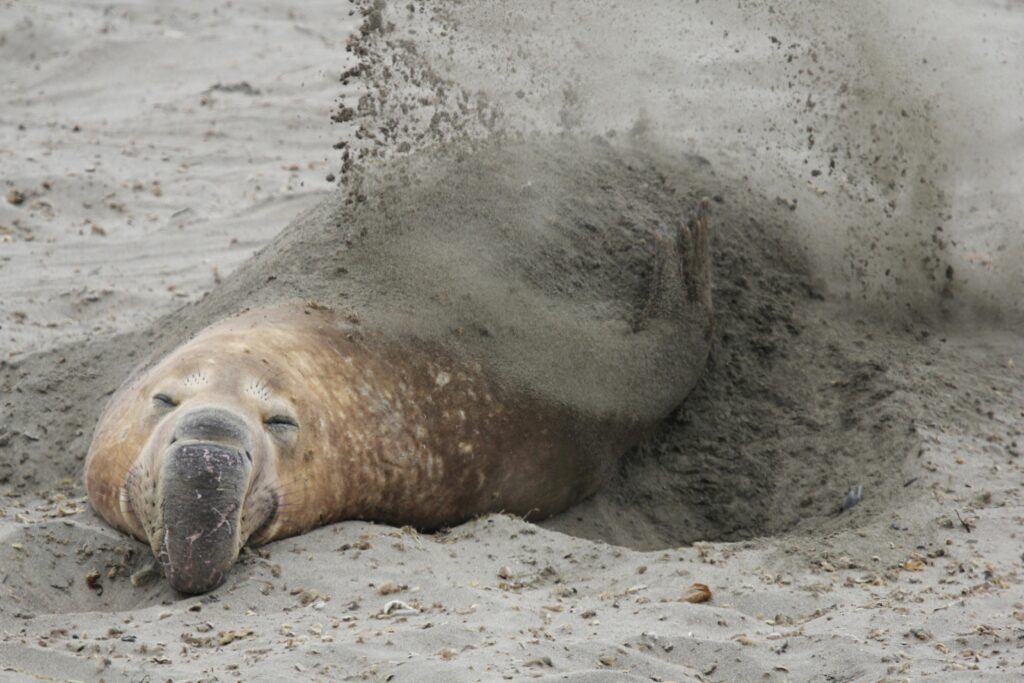
Each winter, thousands of northern elephant seals gather along the rugged coastline of California’s Año Nuevo State Park, transforming the windswept beaches into one of the most dramatic wildlife spectacles in North America. Massive males battle for dominance. Mothers nurse their pups in the sand. Visitors line designated trails to witness a cycle of life that has unfolded for generations.
Contents
show
This year, that familiar rhythm has been disrupted. Researchers have confirmed that a highly pathogenic strain of avian influenza, H5N1, has infected elephant seal pups at the park for the first time. In response, officials have canceled the park’s popular seal watching tours and closed public viewing areas out of caution, prioritizing the health of wildlife and visitors alike.
What may appear at first glance as a localized outbreak is in fact part of a much larger global story. The spread of bird flu across continents, species and ecosystems is raising urgent questions about wildlife health, environmental monitoring and the fragile boundaries between humans and the natural world.
A Sudden and Historic Detection in California
According to researchers from the University of California, Davis and the University of California, Santa Cruz, seven weaned elephant seal pups at Año Nuevo State Park have tested positive for highly pathogenic avian influenza H5N1. Several additional animals are showing symptoms, and further laboratory results are pending.
The confirmation, verified by the U.S. Department of Agriculture’s National Veterinary Services Laboratory, marks the first detected outbreak of H5N1 in marine mammals in California and the first detection in northern elephant seals. Christine Johnson, director of the Institute for Pandemic Insights at UC Davis’ Weill School of Veterinary Medicine, described the finding as exceptionally rapid detection of an outbreak in free ranging marine mammals.
The rapid response was not accidental. Researchers had been on heightened alert for months, particularly after catastrophic outbreaks in South America. On February 19 and 20, field teams observed seals displaying abnormal respiratory and neurological symptoms, including tremors, weakness and irregular breathing. Samples were quickly collected from sick and deceased animals and sent to the California Animal Health and Food Safety Laboratory System for testing.
Within days, results confirmed H5N1 infection.
As of late last week, approximately 30 seal pups had died, nearly all of them weaned pups. While the number remains relatively limited compared to outbreaks elsewhere, the early stage of detection is both a scientific breakthrough and a sobering warning.
Why Elephant Seals Are Vulnerable
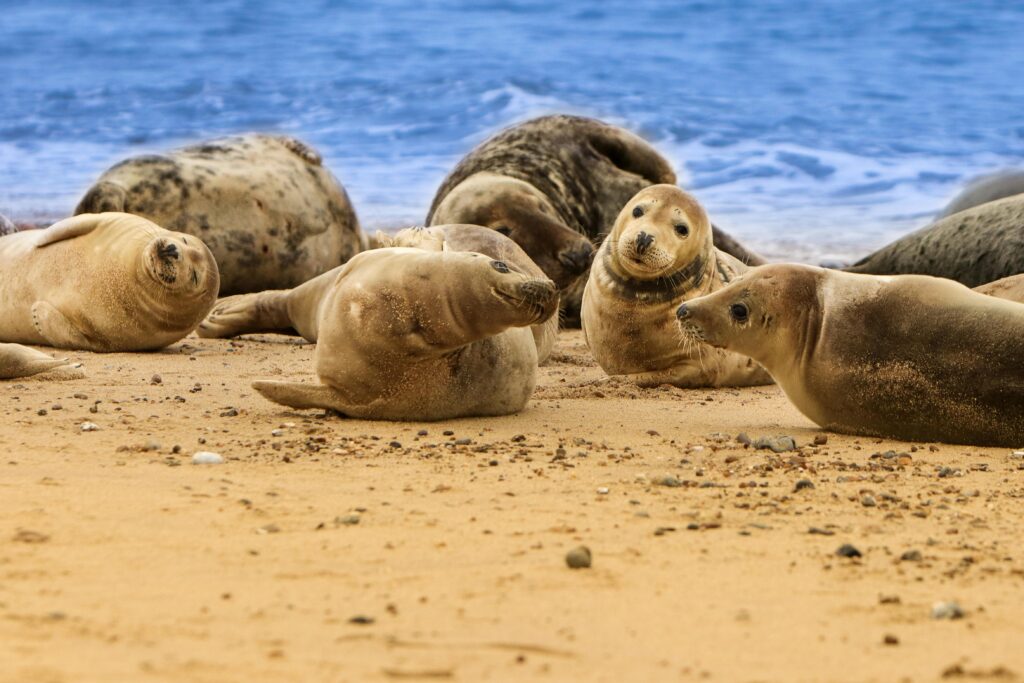
Northern elephant seals have made one of the most remarkable comebacks in conservation history. Once hunted to near extinction in the nineteenth century, their population rebounded under federal protection. Año Nuevo now hosts one of the largest mainland breeding colonies in North America, with roughly 5,000 seals arriving each winter.
Yet their dense breeding behavior may also make them vulnerable to infectious disease. During the breeding season, seals cluster tightly together on beaches known as rookeries. Pups are born within a short time frame, nurse intensely for several weeks, and then are abruptly weaned before learning to forage at sea.
Researchers are still investigating how H5N1 reached the colony. Possible transmission pathways include:
- Contact with infected wild birds that share coastal habitats
- Environmental contamination from bird droppings
- Indirect transmission through shared shoreline spaces
It remains unclear why weaned pups appear especially susceptible. One possibility is that their immune systems are still developing after maternal antibodies decline post weaning. Another is that nutritional stress following weaning may temporarily weaken resistance to infection.
Roxanne Beltran, a professor of ecology and evolutionary biology at UC Santa Cruz, emphasized that the colony at Año Nuevo is among the most intensively studied in the world. Over six decades, scientists have gathered more than 380,000 observations of 55,000 individually tagged seals, tracking survival, reproduction and diving behavior.
Because researchers know these animals so intimately, even subtle abnormalities stand out. That long term monitoring likely enabled scientists to detect the outbreak at a very early stage, potentially limiting broader spread.
A Global Virus With Widening Reach

The outbreak in California is part of a much larger global wave of H5N1 that began intensifying in 2020. The virus has devastated domestic poultry operations worldwide, killing millions of birds and affecting food systems across multiple countries.
In wildlife, the impact has been equally alarming. Seals and sea lions appear particularly vulnerable. In Chile and Peru, thousands of sea lions have died in recent years. In Argentina, the virus killed more than 17,000 elephant seals during the 2023 breeding season. Researchers reported mortality rates among pups approaching 70 percent in some areas.
The scale of those losses transformed once crowded beaches into near silent shorelines. In parts of Argentina’s Península Valdés, only about one third of the usual elephant seal population returned the following year.
The virus has also appeared in marine mammals in New England and elsewhere, underscoring its ability to cross species barriers. In agricultural settings, the U.S. Department of Agriculture has confirmed outbreaks in dozens of poultry flocks in recent weeks alone, affecting millions of birds in states including Pennsylvania, South Dakota, South Carolina and Kansas.
H5N1 is a zoonotic virus, meaning it can move between animals and, in rare cases, humans. Public health agencies maintain that the risk to the general public remains low. Most human cases globally have been linked to close or prolonged contact with infected poultry or livestock. Still, the expanding host range of the virus highlights how interconnected ecosystems have become.
The Human Response at Año Nuevo
Año Nuevo State Park typically receives more than 60,000 visitors each year. Seal viewing tours are mandatory during breeding season to protect wildlife and guide foot traffic through sensitive habitats. This winter, more than 400 tours have been canceled, affecting over 1,500 reservations and thousands of tickets, including more than 50 scheduled school visits.
Jordan Burgess, deputy district superintendent for the California Department of Parks and Recreation, explained that the closures were enacted out of an abundance of caution. Officials hope that limiting human presence in the breeding areas will reduce any potential for indirect transmission and allow wildlife managers to monitor the situation without additional disturbance.
Public health guidance from the Centers for Disease Control and Prevention continues to advise people to avoid close contact with sick or dead animals and to keep pets away from affected areas. While there is no indication of widespread human risk at the park, precautionary measures reflect lessons learned from past zoonotic outbreaks.
For researchers, the emotional toll is significant. Beltran noted that students and scientists who have spent years studying individual seals are now witnessing animals they know become ill. Fieldwork continues daily, with teams collaborating alongside NOAA Fisheries, the California Department of Fish and Wildlife and the West Coast Marine Mammal Stranding Network.
There is cautious optimism that most adult females had already departed on routine migrations before the outbreak began, potentially limiting transmission within the broader population. Many seals on the colony appear healthy, and deaths have not shown exponential growth thus far.
Climate Change, Ecosystem Stress and Disease Emergence
Although H5N1 is not caused by climate change alone, environmental shifts can influence how diseases spread. Warming oceans, altered migration patterns and habitat disruption may increase interactions between species that previously had limited contact.
Bird flu viruses circulate naturally among wild birds, especially waterfowl. Changing weather conditions can affect migratory routes and timing, potentially bringing infected birds into new regions. Coastal ecosystems that concentrate birds, marine mammals and human visitors create shared interfaces where pathogens can move more easily.
Scientists studying disease ecology emphasize that outbreaks often reflect layered pressures rather than a single cause. Habitat loss, pollution, overfishing and climate variability can weaken wildlife populations, making them more susceptible to infection.
In this context, the Año Nuevo outbreak can be viewed as part of a broader pattern in which environmental change amplifies biological risk. Long term surveillance programs, like the one at Año Nuevo, serve as early warning systems not only for wildlife conservation but also for public health preparedness.
The rapid detection of H5N1 in California underscores the value of sustained ecological research. Without decades of baseline data, subtle shifts in seal health might have gone unnoticed until mortality numbers surged.
What Happens Next
For now, Año Nuevo State Park remains open with restrictions, but public access to seal viewing areas is paused through at least the end of the breeding season. Refunds have been issued for canceled tours, and officials continue to rely on scientific guidance to determine when reopening is safe.
Ongoing monitoring will include testing of additional samples, observation of seal behavior and coordination with wildlife health networks along the Pacific coast. Researchers will also track whether cases emerge in other marine mammal species.
The broader agricultural context remains active as well. Poultry outbreaks across the United States continue to challenge farmers and regulators, reinforcing the need for biosecurity measures and surveillance.
For visitors and residents, the practical guidance remains straightforward:
- Avoid approaching or touching marine mammals
- Keep dogs leashed and away from wildlife
- Report sick or dead animals to local authorities
Simple precautions can reduce risk while allowing scientists the space needed to understand and manage the outbreak.
A Fragile Balance Between Wonder and Vigilance
Every winter, the beaches of Año Nuevo remind visitors of nature’s grandeur. Massive bulls weighing more than two tons battle for territory. Newborn pups take their first breaths in the cold Pacific air. The spectacle draws photographers, families and schoolchildren who leave with a deeper appreciation for marine life.
The temporary silence of canceled tours is a reminder that even resilient species exist within delicate ecological networks. A virus carried by migrating birds can ripple across oceans, reach remote rookeries and disrupt traditions that feel timeless.
Yet the response to the outbreak also tells a story of preparedness and cooperation. Scientists identified the virus quickly. Agencies collaborated across state and federal lines. Public access was paused to protect both wildlife and people. These actions reflect lessons learned from past pandemics and decades of ecological research.
The situation remains fluid. It is possible that mortality will remain limited and the colony will rebound without severe long term impact. It is also possible that the virus could spread further along the coast. What is certain is that vigilance matters.
The elephant seals of Año Nuevo have survived hunting, habitat pressures and dramatic ocean shifts over the last century. Their recovery is one of conservation’s quiet triumphs. Protecting that success in the face of emerging diseases will require continued monitoring, environmental stewardship and respect for the boundaries between human activity and wild spaces.
As visitors wait for tours to resume, the beaches remain a living laboratory. Scientists continue their watch. And the seals, unaware of headlines or closures, continue their ancient cycle of breeding and migration, carrying with them both the resilience of their species and the uncertainties of a changing world.