
Your cart is currently empty!
Two Teenagers From Texas Just Did What the EPA Has Not
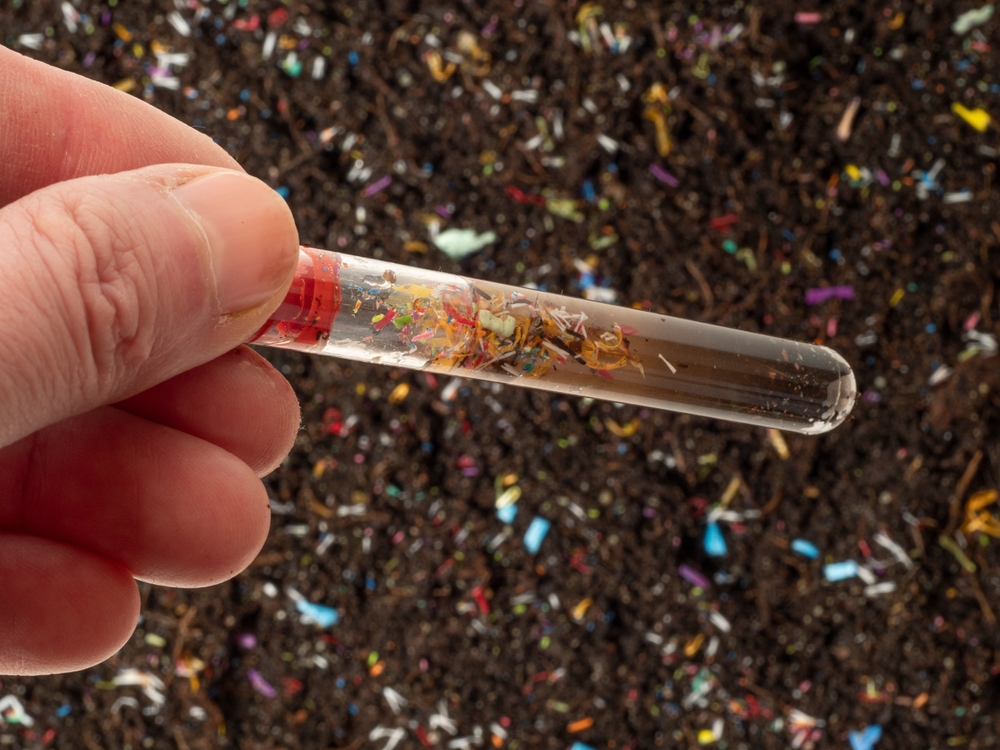
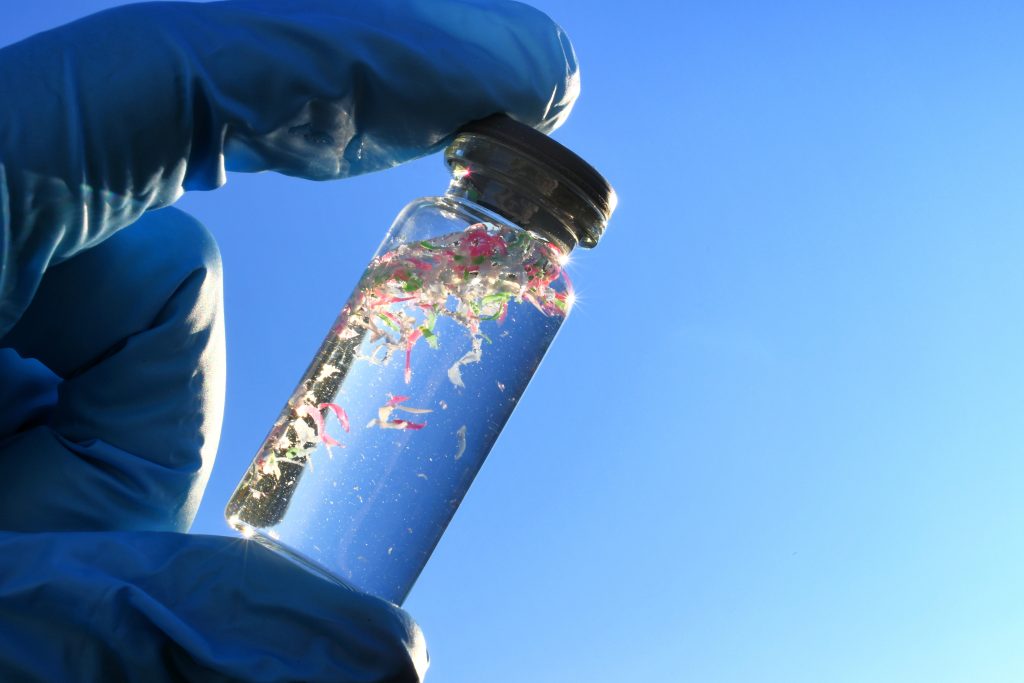
Microplastics are everywhere. At the summit of Mount Everest. In the deepest trenches of the ocean. In human blood, breast milk, and the dust settling on your kitchen counter right now. By some estimates, each person inhales and ingests roughly a credit card’s worth of plastic every single week. Particles that small pass through conventional filters, slip past standard treatment processes, and end up in bodies of water that eventually reach your tap.
Contents
show
Despite all of that, no federal regulation in the United States requires water treatment plants to remove microplastics from wastewater. None. A problem that affects every living person on the planet falls entirely outside EPA oversight, leaving facilities with no legal obligation and no standardized method for addressing it. Two 17-year-olds from The Woodlands, Texas, found that unacceptable. So they built something to fix it.
A Visit to a Water Treatment Plant That Changed Everything
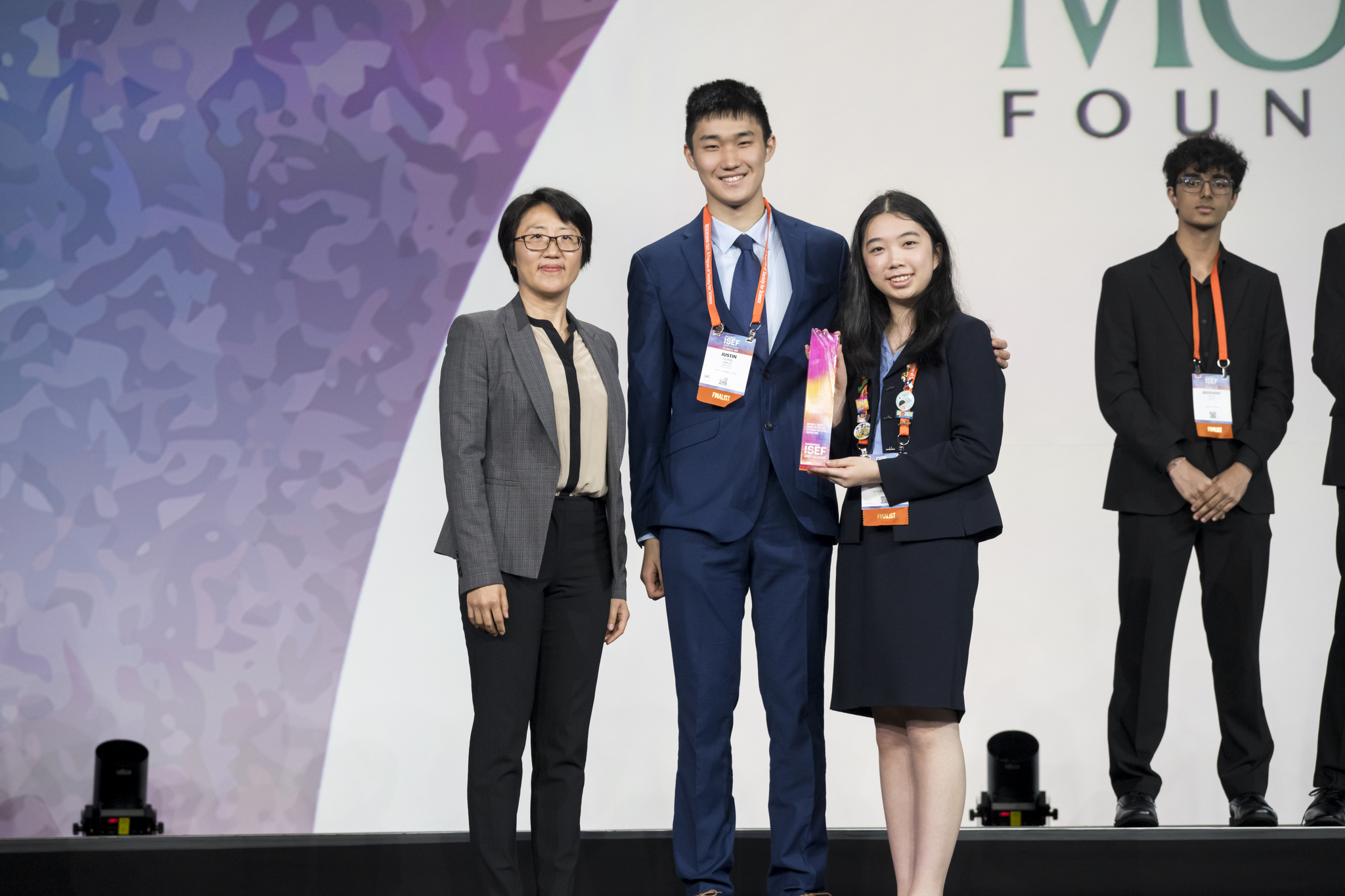
Victoria Ou and Justin Huang are seniors at College Park High School. Last fall, while casting around for an idea to develop for a science fair project, they decided to go straight to the source. They visited a local water treatment plant and asked a direct question. Did facilities like this one already have tools to remove microplastics from wastewater?
What they heard stopped them cold. Staff at the plant told them the EPA does not regulate microplastics, which means treatment plants have no requirement to remove them. Microplastic particles flow through these facilities and back out into the environment as a matter of routine. “We knew, from then, to focus on this issue,” Huang told Business Insider.
For two teenagers who had bonded over a shared interest in environmental problems since elementary school, that answer was less a setback than a starting gun. They had found their project. Now they needed to find a solution.
Why Existing Solutions Were Not Good Enough
Before building anything, Ou and Huang spent time understanding what approaches already existed and why none of them had solved the problem. What they found was a field full of compromises.
Chemical coagulants represent one common approach. Substances like aluminum hydroxide, when added to water, cause microplastics to clump together into larger particles that are easier to filter out. On paper, that sounds reasonable. In practice, those same chemicals alter the pH of treated water, introduce their own environmental hazards, and add high cost to an already expensive process.
Physical filters offer another partial answer. Water passes through a mesh or membrane that catches solid particles, including microplastics. But filters of that kind clog quickly, require constant maintenance, and struggle to catch the smallest particles at any meaningful volume.
Biological solutions, which use enzymes to break down plastic at a molecular level, are perhaps the most elegant in theory. In practice, they work far too slowly to process the volumes of water that modern treatment plants handle every day.
“We wanted to find a solution to this because current solutions aren’t really effective,” Huang said. With that gap confirmed, Ou and Huang set out to build something new.
A Pen-Sized Device That Uses Sound to Clean Water
What Ou and Huang eventually created does not look like a piece of environmental technology. At roughly the size of a pen, it looks more like something you might find in a stationery drawer. Inside, the device is a long tube containing two stations of piezoelectric transducers, components that convert electrical signals into precise mechanical vibrations at ultrasonic, or high-frequency, wavelengths.
As water enters the tube and flows forward, those transducers generate sound waves that create a pressure barrier inside the device. Microplastic particles, when they encounter that pressure, get pushed back. Water molecules, being far smaller and structurally different, pass through without resistance. What exits the other end of the tube is water with a dramatically reduced microplastic load, achieved without chemicals, without filter media that degrade over time, and without any biological agents.
Two stations of transducers mean the water passes through two separate pressure barriers in sequence, which is why Ou and Huang describe it as a two-step filtering process. Each pass through a barrier removes more particles than a single-stage system could manage alone.
What the Lab Tests Actually Showed
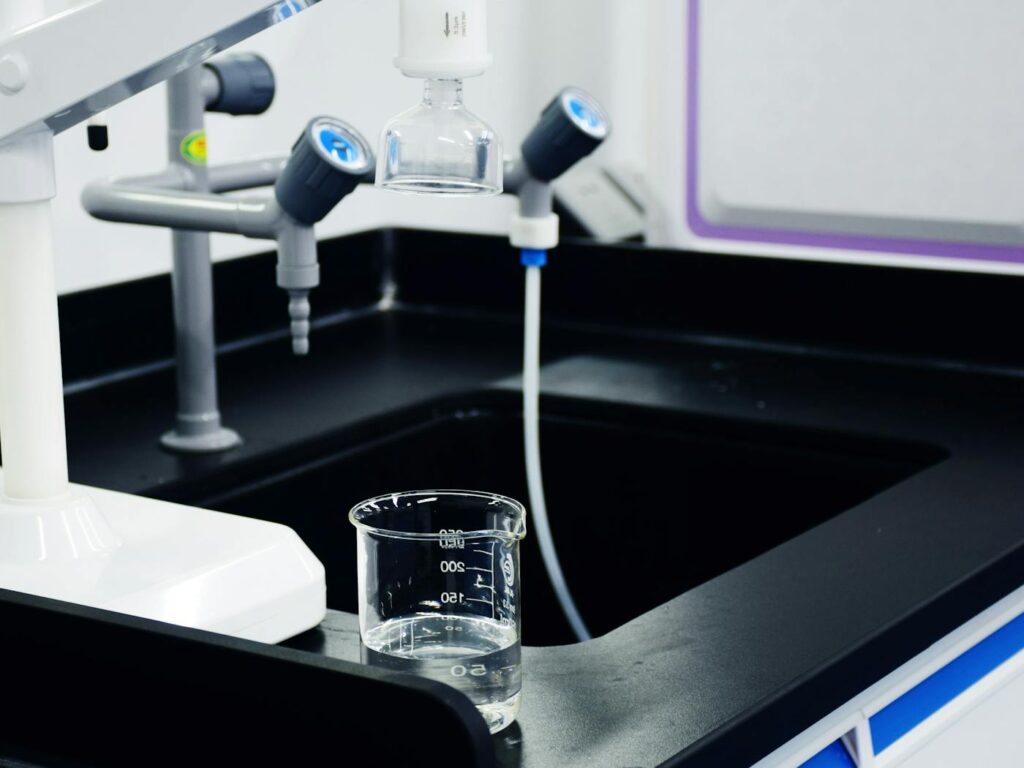
Ou and Huang tested their device against three of the most common types of microplastics found in water. Polyurethane, polystyrene, and polyethylene each passed through the device under controlled laboratory conditions. In a single pass, the device removed between 84% and 94% of microplastic particles, depending on the type being filtered.
Those results came from testing conducted not in a professional research facility but largely at home, with equipment available to two high school students working on a science fair project. That context matters. A refined version of the device, tested with professional-grade instruments in a controlled laboratory environment, could reasonably push those numbers higher.
Huang made exactly that point after winning at the Regeneron International Science and Engineering Fair. “If we could refine this — maybe use more professional equipment, maybe go to a lab instead of testing from our home — we could really improve our device and get it ready for large-scale manufacturing.”
For a first-year project, in its earliest stage of development, those filtration rates represent a genuinely strong foundation to build on.
How It Compares to Other Research
Ou and Huang did not arrive at ultrasound as a filtration method without any prior scientific work to reference. A 2022 study from researchers at La Sierra University, published in the peer-reviewed journal Separation and Purification Technology, explored how ultrasound might predict and influence the movement of particles in water. It did not, however, manage to fully filter those particles out.
A 2023 study from Shinshu University in Japan went further, testing a similar ultrasound-based method specifically aimed at removing microplastics from water. That study used ultrasonic waves to concentrate microplastics into a focused beam, which could then be collected separately from the clean water. Results were promising, but the approach required additional collection steps, more infrastructure, and ultimately filtered a lower proportion of microplastics than Ou and Huang’s method.
Where the Shinshu approach required a secondary system to capture the concentrated particles after separation, Ou and Huang’s device handles everything within the tube itself. Pressure walls block the particles. Clean water flows through. No extra steps, no secondary collection process. Simpler, faster, and more efficient on the metrics that matter most when scaling any technology to real-world volumes.
$50,000 and a Stage in Los Angeles
Ou and Huang presented their device at the Regeneron International Science and Engineering Fair in Los Angeles, one of the most competitive student science events in the world. Nearly 2,000 students from ninth through twelfth grade, drawn from science fairs across the globe, brought their best work to compete for more than $9 million in prizes.
Ou and Huang won first place in the Google-sponsored Earth and Environmental Sciences category. They also took home the Gordon E. Moore Award for Positive Outcomes for Future Generations, one of the event’s top prizes, worth $50,000. A separate $5,000 Earth and Environmental Sciences award was added to their total. For a project in its first year of development, built largely at home by two teenagers who had never competed at this level before, the result was staggering.
Neither of them had expected it. “We were just happy being able to go to ISEF. Originally, we weren’t expecting too much, but getting first place and the top award is much more than we ever expected,” Ou said.
The Gordon E. Moore Award recognizes work that makes an enduring difference for future generations through rigorous scientific inquiry. For a device targeting one of the most persistent and widespread pollutants on Earth, the description fits.
Where They Want to Take It Next
Winning changes the trajectory of a project. With $50,000 in prize money and a platform that now reaches well beyond a high school science fair, Ou and Huang have the resources to begin refining the technology that their technology still needs.
At full scale, they see their device functioning inside municipal wastewater treatment plants, sewage systems, and industrial textile facilities, all significant sources of microplastic contamination. Textile manufacturing alone contributes enormous quantities of synthetic fiber particles to waterways every year, and existing treatment infrastructure catches very little of it.
At a smaller scale, the applications are just as practical. Laundry machines shed microplastic fibers with every wash cycle. A filtration unit built into a washing machine could intercept those particles before they reach the drain. Fish tanks, rural water sources without access to municipal treatment, and household drinking water systems all represent potential use cases for a refined version of the device.
Ou acknowledged that getting there will take time. “To reach that stage, I think we need a lot more processing. This is a pretty new approach.” That honesty reflects a maturity about where the technology currently stands. A filtration rate of 84% to 94% in early home testing is genuinely impressive. It is also, by Ou and Huang’s own assessment, just a starting point.
Two Kids Who Took a Problem Seriously
Ou and Huang have known each other since elementary school. Their shared interest in environmental issues shaped the friendship long before it shaped the project. When they walked into that water treatment plant last fall and heard that the EPA had left microplastics entirely unregulated, they did not treat it as someone else’s problem to solve.
Federal regulators have not moved on microplastics. Existing technology handles the problem poorly or not at all. Microplastics appear in the bodies of newborns, in the blood of adults, and in ecosystems that humans depend on for food and water. Against that backdrop, two teenagers with piezoelectric transducers, a steel tube, and a clear-eyed understanding of the problem built something that works.
Science fairs have always been a place where young people take real problems seriously. Rarely does one produce a prototype with this kind of immediate practical relevance. Whatever Ou and Huang build next, they have already answered the most important question. Given access to the right problem and the motivation to stay with it, young scientists can move faster than the systems designed to stop pollution in the first place.
Featured Image Source: societyforscience.org https://societyforscienceandthepublic.app.box.com/s/8oi5wbdi1yr4ovhfizlj9d5a5mylrsm0/file/1535214495741