
Your cart is currently empty!
Three Nations Unite to Protect the Mayan Jungle, A 14 Million Acre Bet on Nature, Culture, and Cooperation
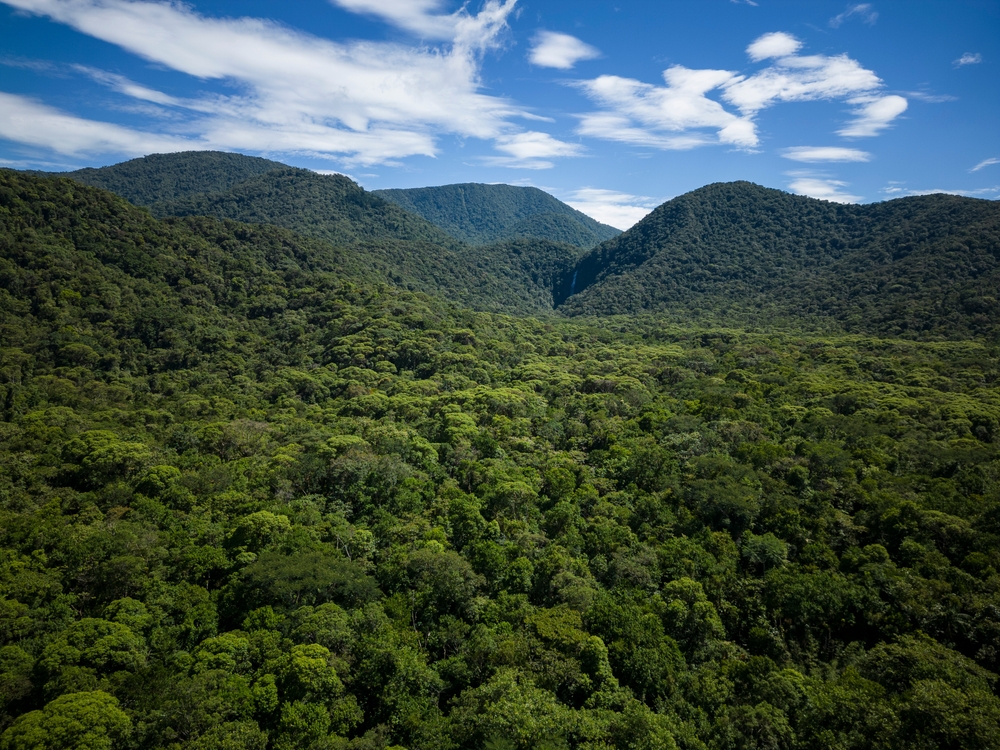
When people picture the world’s great rainforests, the Amazon often dominates the imagination. Yet another vast and ecologically critical forest stretches across southern Mexico, northern Guatemala, and western Belize. Known as the Mayan Jungle, or Selva Maya, this tropical landscape shelters rare wildlife, ancient archaeological sites, and communities whose cultures have been intertwined with the forest for generations.
Contents
show
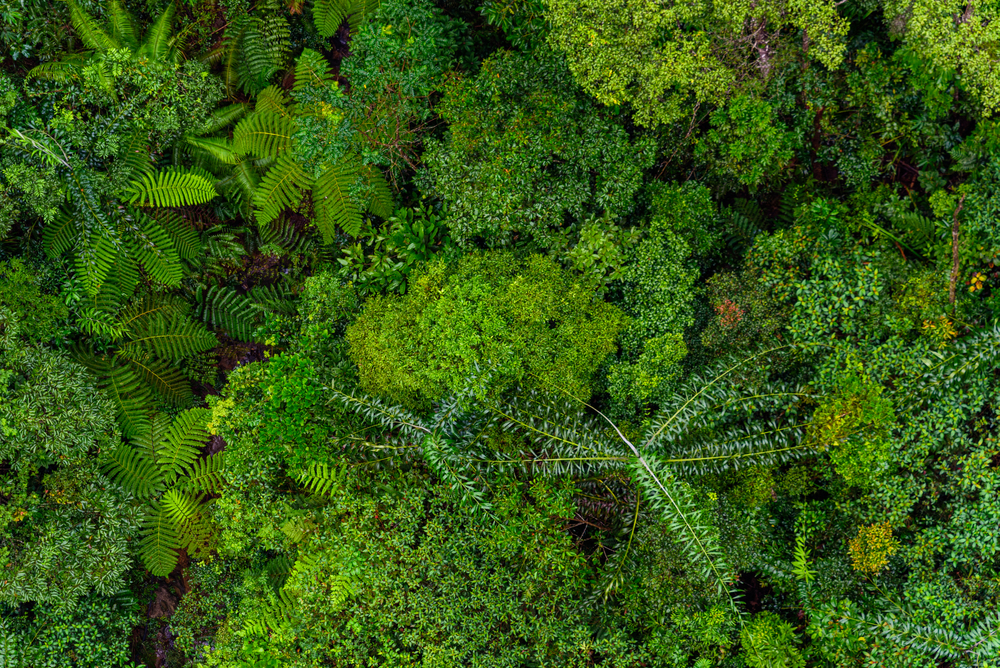
In a rare moment of regional cooperation, the three neighboring countries are now working together on an ambitious conservation plan: the Great Mayan Jungle Biocultural Corridor. If realized, the initiative would connect millions of acres of protected forest across national borders, creating a continuous ecological landscape covering more than 14 million acres (5.7 million hectares).
Such a project could become the second‑largest protected area in the Americas, behind only the Amazon basin. Supporters believe it could protect biodiversity, support Indigenous stewardship, and help address climate change. Yet the effort also faces serious obstacles, from organized crime networks to development pressures and the economic realities faced by rural communities.
A Rainforest Often Overlooked by the World
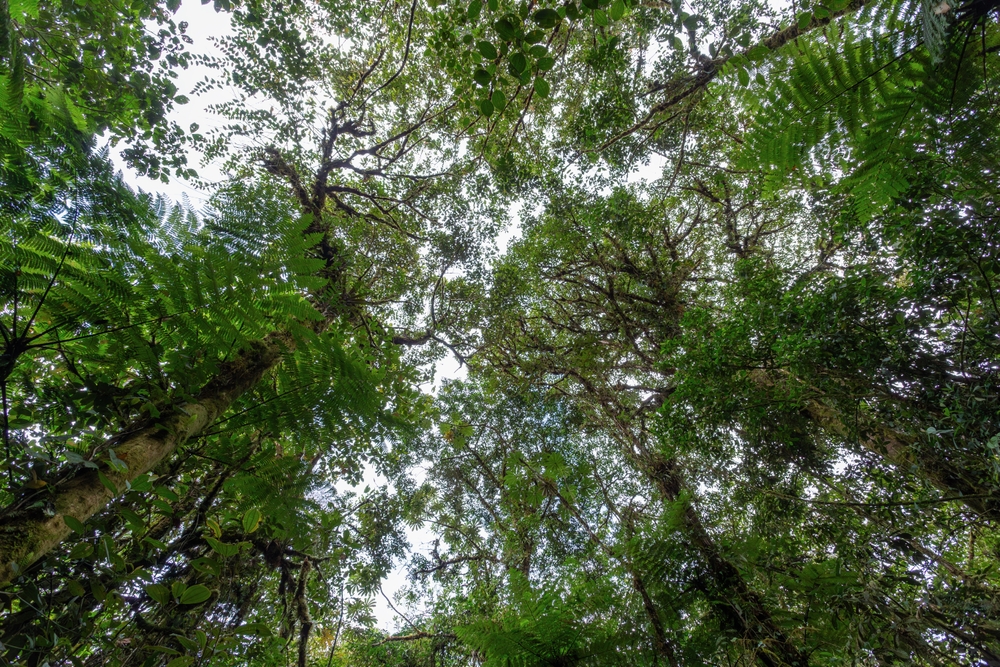
The Selva Maya is one of the few remaining tropical forests in the Americas that still functions as a continuous ecological system across national borders. Much of the landscape remains connected through a network of protected areas and community managed forests in Mexico, Guatemala, and Belize. This continuity is critical for wide ranging species such as jaguars and tapirs that require large territories to survive. Scientists often emphasize that large connected forests are more resilient to environmental stress because wildlife can move, adapt, and maintain genetic diversity across the landscape.
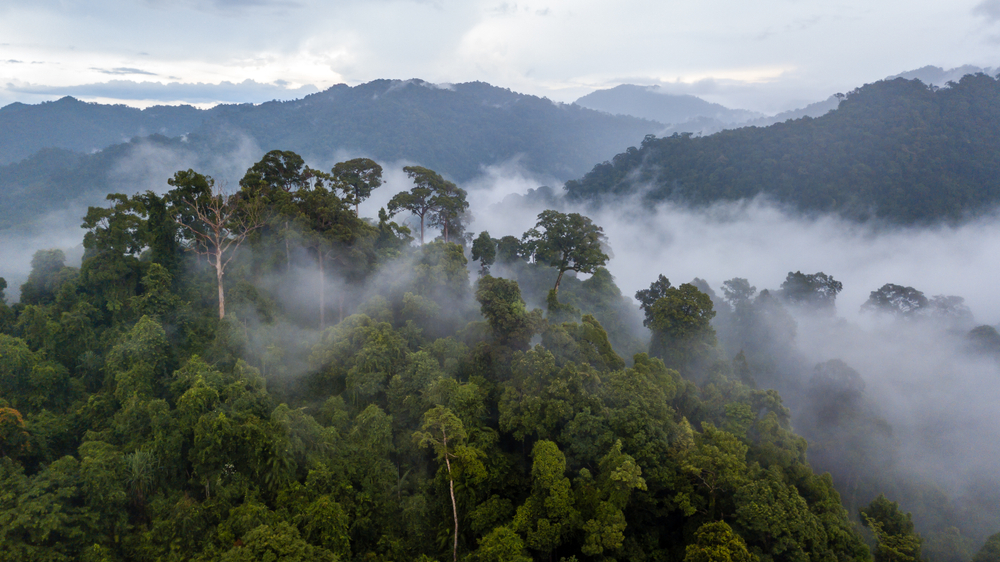
The region also holds extraordinary archaeological importance. Dense vegetation has preserved thousands of ancient Maya structures, many of which remain only partially studied. In recent years, airborne lidar mapping has revealed vast networks of previously unknown settlements hidden beneath the canopy. These discoveries have transformed scholarly understanding of how ancient Maya societies organized cities, agriculture, and transportation within tropical forest environments.
Another often overlooked role of the forest involves regional water systems. Much of the Yucatan Peninsula sits on porous limestone where rivers are scarce. Forest soils help absorb rainfall and slowly recharge underground aquifers that supply water to surrounding communities. Maintaining healthy forest cover therefore supports groundwater stability and reduces soil erosion, making the Selva Maya an important natural system for environmental stability across the wider region.
Rising Pressures on the Selva Maya
Forest loss in the Selva Maya has accelerated as land use changes reshape parts of the region. Satellite monitoring shows that clearing for cattle pasture and commercial agriculture remains one of the most persistent drivers of deforestation across northern Guatemala and southern Mexico. These land conversions often begin with small clearings that gradually expand into larger agricultural landscapes, fragmenting previously continuous forest. Long term monitoring by conservation researchers has shown that once roads or clearings appear, additional settlement and land speculation frequently follow.
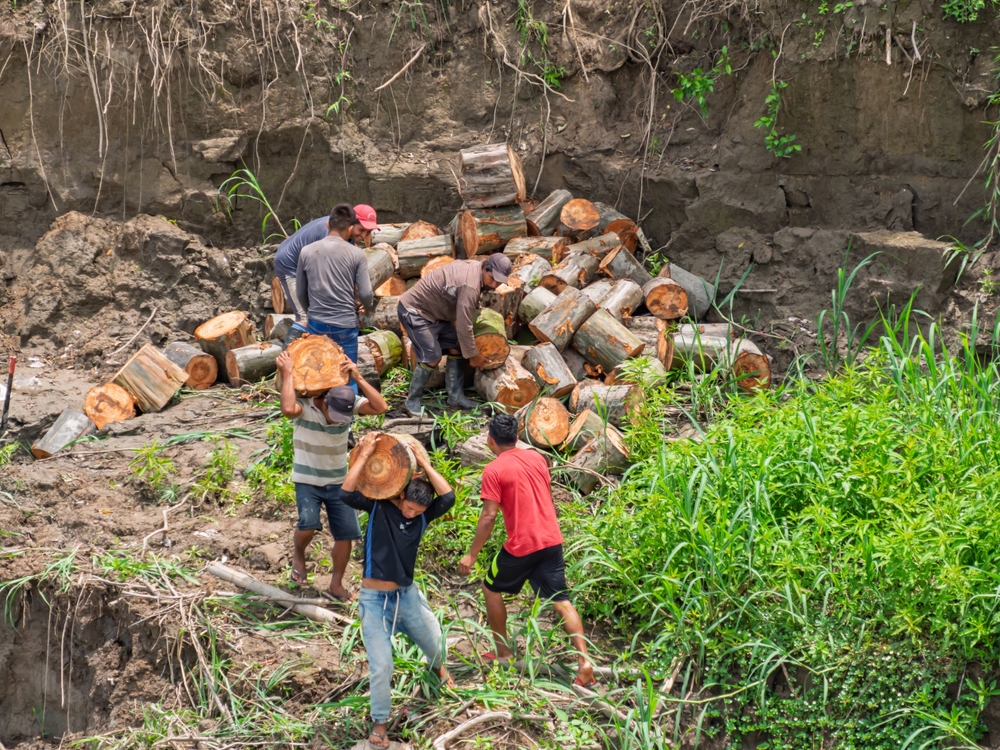
Another pressure comes from illegal extraction of valuable tropical hardwoods. Logging operations can move quickly through remote forests, removing high value species while leaving damaged ecosystems behind. These activities often occur in areas where governance is weak and monitoring is difficult, allowing illegal supply chains to operate across borders. Conservation groups note that selective logging may appear limited at first but can open access routes deeper into intact forest, making additional land clearing easier over time.
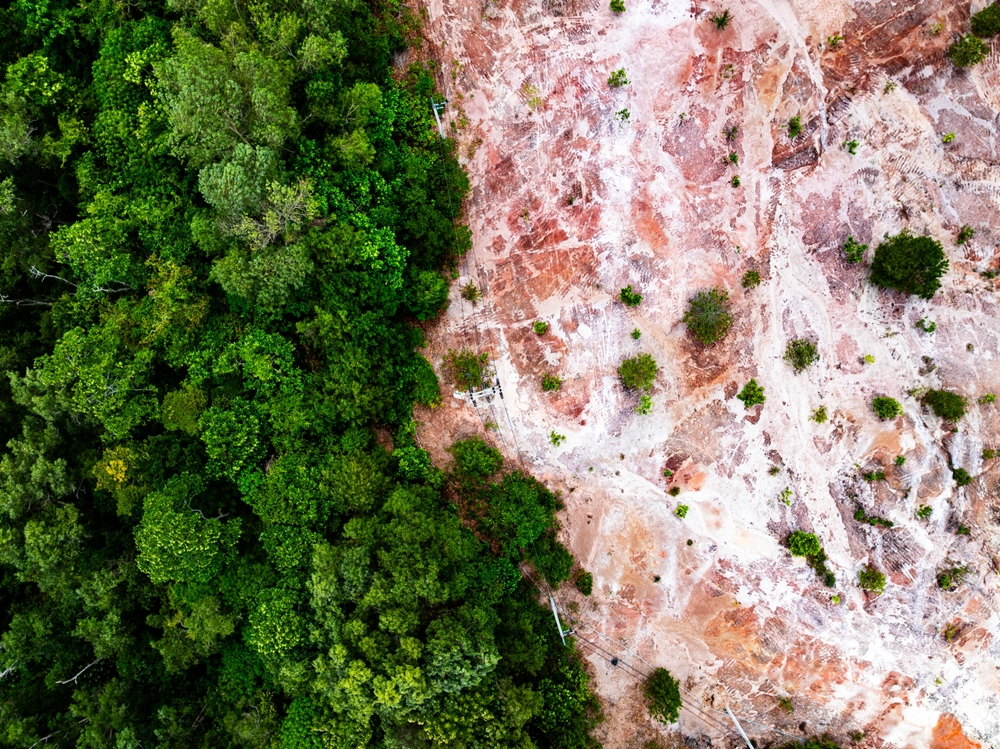
Guatemala’s environment minister Patricia Orantes emphasized the seriousness of these overlapping pressures, saying, “This is not primarily an environmental battle. It’s about the state reclaiming its territory from organized crime.”
Her remarks reflect how environmental protection in the Selva Maya is closely tied to broader governance challenges. Addressing deforestation therefore requires not only conservation policy but also stronger oversight of land use, resource extraction, and illegal economic activity operating in remote forest regions.
Security, Governance, and Environmental Protection
Protecting a forest that stretches across three countries requires more than conservation planning. It depends on coordinated governance systems that can operate across borders while respecting national laws and protected area regulations. The proposed corridor would link existing reserves, which means agencies in Mexico, Guatemala, and Belize must align monitoring systems, share environmental data, and coordinate enforcement strategies. Regional conservation frameworks in Mesoamerica have shown that cross border cooperation improves the ability to track illegal activities and monitor protected landscapes over time.
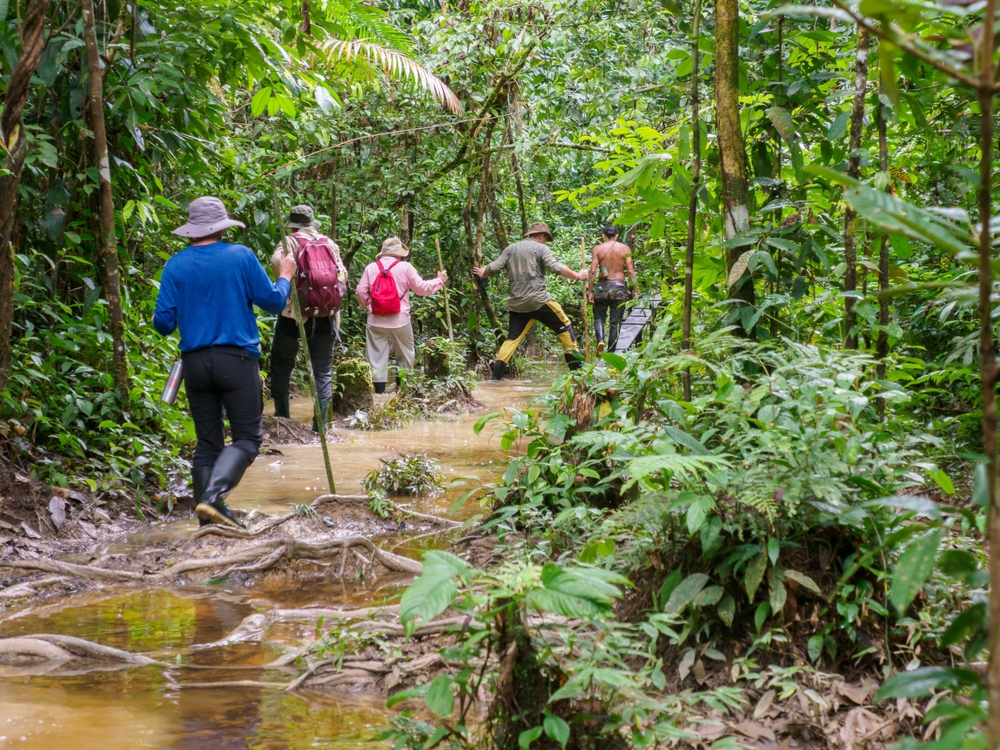
Mexico’s environment secretary Alicia Bárcena acknowledged the scale of the challenge in remarks, saying, “We’re not going to protect the forest ourselves. The security forces have to help, including the army.”
Her statement reflects a broader reality facing large conservation landscapes. Environmental protection in remote regions often requires collaboration between environmental agencies, border authorities, and security institutions that rarely operate together in traditional conservation programs. Establishing clear jurisdiction, transparent oversight, and shared monitoring systems will therefore be essential if the corridor is to function as a unified protected landscape rather than a collection of separate reserves.
Why Local Communities Must Be Part of the Solution
Large conservation landscapes rarely succeed without the participation of the people who live within them. In the Selva Maya, many rural households depend on small scale agriculture, forest products, and seasonal land based work. When conservation policies restrict land use without providing stable alternatives, communities often face economic pressure that can unintentionally encourage forest clearing or informal land markets. Research across tropical regions has shown that conservation programs tend to be more effective when local residents are involved in decision making and receive tangible economic benefits from protecting surrounding ecosystems.
Policy makers in Mexico have attempted to address this challenge through programs that combine environmental restoration with rural income support. One example is “Sembrando Vida” (Planting Life), which provides financial incentives for farmers to plant and maintain trees on their land. The program aims to reduce rural poverty while encouraging reforestation and sustainable land management practices. However, a 2021 analysis by the World Resources Institute found that the initiative produced mixed outcomes in some regions, including cases where land clearing occurred before participation in the program. The assessment highlights the importance of careful program design so that environmental incentives strengthen conservation goals rather than unintentionally undermining them.
These experiences illustrate a broader lesson for large scale conservation projects. Protecting forests is not only an ecological challenge but also a social and economic one. Policies that align environmental protection with stable livelihoods are more likely to gain long term community support, which in turn increases the chances that protected landscapes will endure across generations.
Indigenous Stewardship and Traditional Knowledge
The Mayan Jungle is not only an ecological landscape, it is also a cultural one shaped by centuries of human presence. Indigenous Maya communities have lived within these forests for generations and developed agricultural systems, land management practices, and ecological knowledge closely tied to local ecosystems. These traditions influence how forests are cultivated, protected, and used for food, medicine, and livelihoods, creating a relationship with the land that blends cultural continuity with environmental stewardship.
Research increasingly shows that Indigenous managed territories often experience lower deforestation rates than many other regions. A widely cited global analysis found that Indigenous territories contain roughly 36 percent of the world’s remaining intact forests, highlighting their importance for biodiversity conservation and landscape stability.
Recognizing this connection between cultural knowledge and environmental protection, planners of the proposed corridor intend to include Indigenous participation in its governance structure. The initiative includes plans for an Indigenous advisory council so that community leaders and traditional knowledge holders can help guide decisions about land management, conservation priorities, and the long term stewardship of the forest.
Climate Benefits and the Financial Reality
Tropical forests play a significant role in regulating the Earth’s climate because trees absorb carbon dioxide and store it in vegetation and soil. When forests are cleared or degraded, much of that stored carbon returns to the atmosphere and contributes to global warming. The Intergovernmental Panel on Climate Change states that protecting and restoring forests is among the most effective nature based strategies for limiting climate change. For the Mayan Jungle, preserving large areas of intact forest therefore carries global importance, since the ecosystem continues to store carbon while supporting biodiversity across Mesoamerica.
Turning that climate potential into long term protection requires sustained financial commitment. Establishing a conservation corridor that spans three countries involves funding for environmental monitoring, scientific research, community partnerships, and coordination between national agencies. Early planning discussions suggest that roughly $6 million may be available to begin organizing the initiative, but maintaining a protected landscape of this scale will require continued investment from governments, international climate funds, and conservation organizations. The long term success of the corridor will depend not only on environmental goals but also on whether stable financial support and political commitment can be maintained over time.
Environmental systems rarely follow political borders, and the forests of the Selva Maya are no exception. Wildlife migration routes, water systems, and ecological processes extend across Mexico, Guatemala, and Belize, making long term protection impossible without cooperation between the three nations. The Great Mayan Jungle Biocultural Corridor therefore represents more than a conservation plan. It is an attempt to manage a shared natural landscape through coordinated governance, scientific collaboration, and regional commitment to protecting one of the largest remaining forests in Mesoamerica.
For centuries the forests of the Selva Maya have supported both human communities and extraordinary biodiversity. Ancient Maya cities once flourished beneath its canopy, and today many communities still depend on the forest for livelihoods, culture, and environmental stability. Yet the region faces growing pressures from land conversion, illegal activity, and development. The proposed corridor offers a different path forward by combining conservation science, Indigenous knowledge, community participation, and international cooperation to protect the landscape as a connected system.
Whether this effort succeeds will depend on sustained commitment from governments, researchers, conservation groups, and local communities across the region. If the initiative holds, it could demonstrate how neighboring countries can work together to safeguard shared ecosystems while supporting long term environmental stability. At a time when many tropical forests are shrinking, the Selva Maya presents a rare opportunity to protect a vast and living landscape before its ecological balance is lost.