
Your cart is currently empty!
Scientists Revived a Plant From 32,000-Year-Old Seeds Found Frozen in Siberian Permafrost
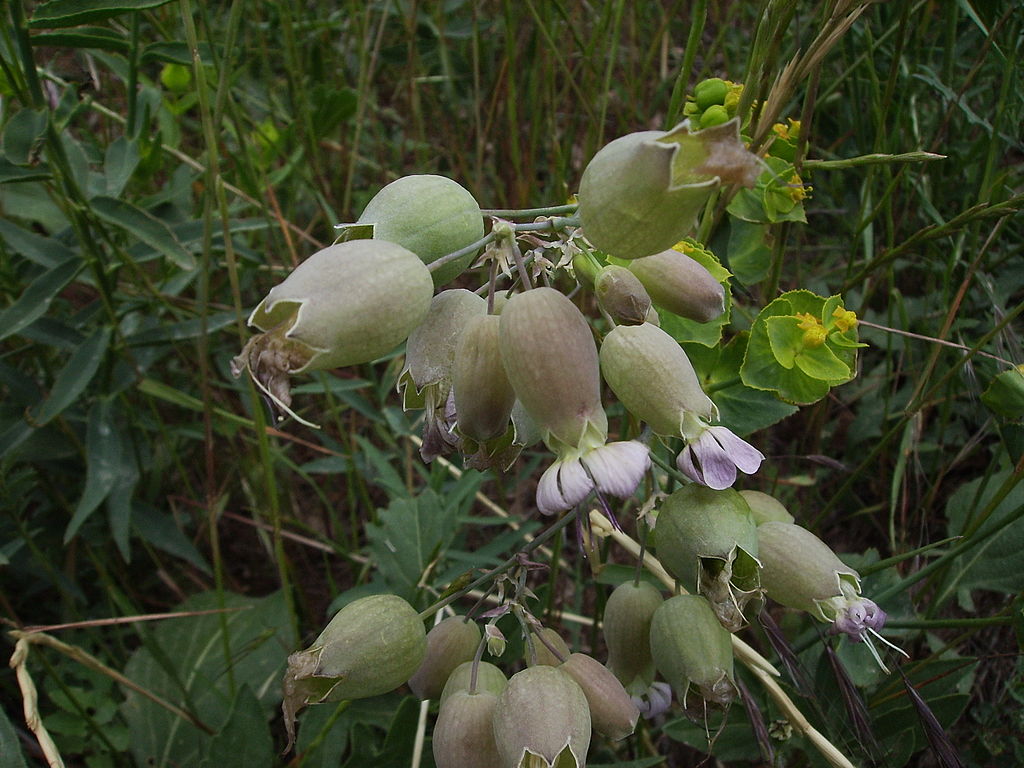
In the far northeastern reaches of Siberia, where the ground remains frozen year‑round, scientists uncovered something extraordinary: plant material that had survived since the Ice Age. What followed was one of the most remarkable botanical experiments of the past few decades. Researchers successfully regenerated a living plant from tissue preserved for more than 30,000 years.
Contents
show
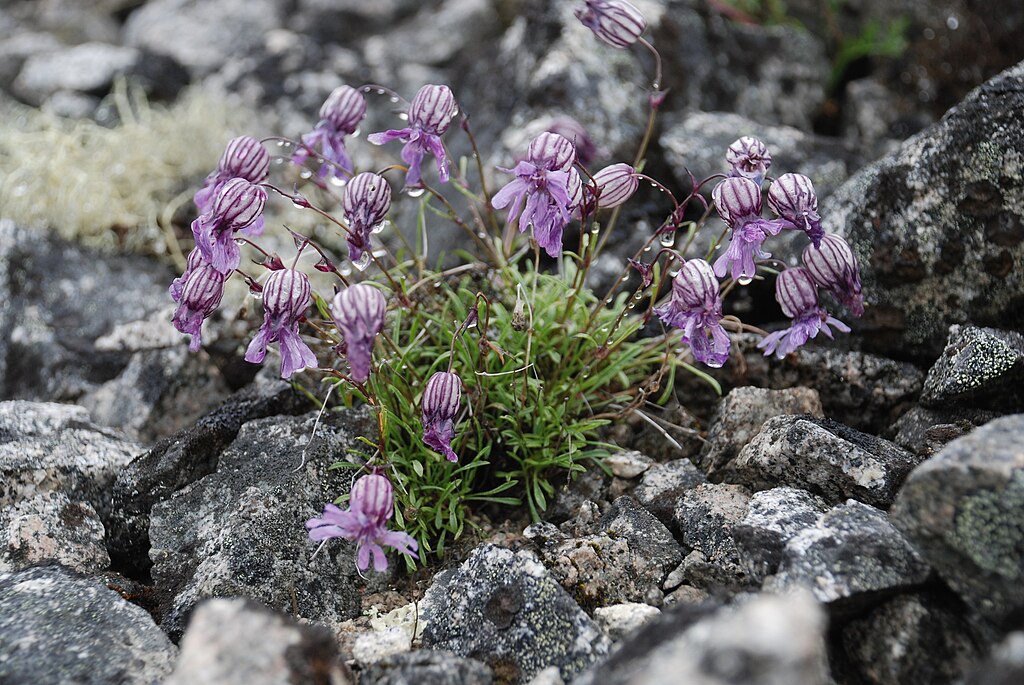
The species, Silene stenophylla, once grew across the cold steppes of northern Eurasia during the Late Pleistocene. By reviving the plant from ancient tissue discovered in permafrost, scientists gained a rare opportunity to observe life from a distant era, an organism whose genetic lineage stretches back to the time of mammoths.
Beyond the curiosity of bringing an ancient plant back to life, the study provides insight into how biological material can remain viable over immense timescales. For botanists and conservation scientists, the discovery raises intriguing questions about long‑term seed preservation, evolution, and the future protection of plant biodiversity.
A Discovery Hidden in an Ice Age Squirrel’s Burrow
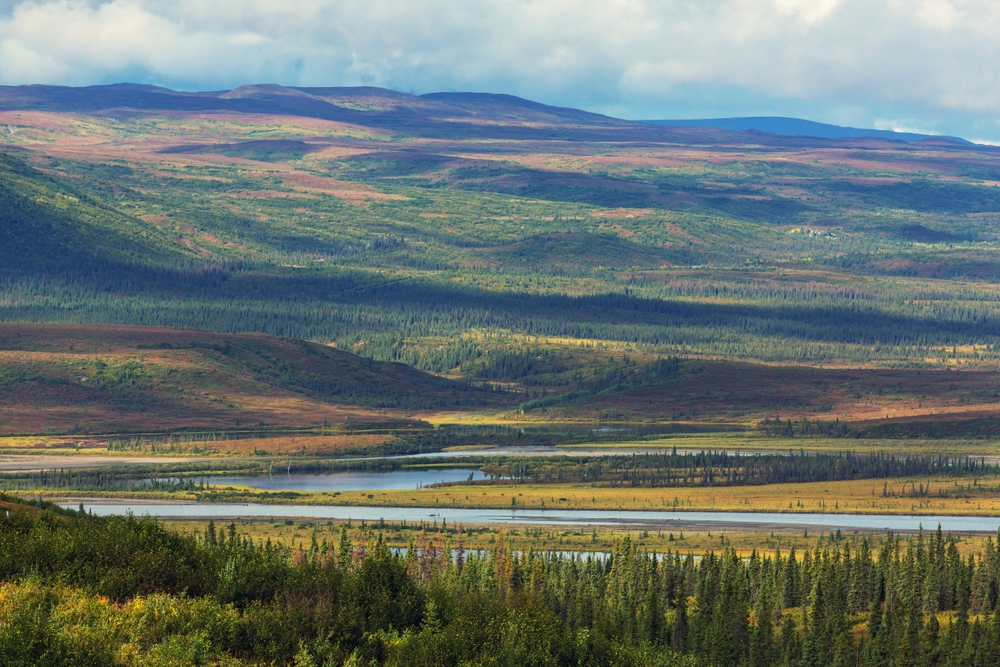
The crucial clue came from an unexpected source: the food stores of ancient Arctic ground squirrels. These animals routinely gathered seeds and fruits and packed them into underground chambers for winter survival. In the Siberian permafrost near the Kolyma River, researchers uncovered dozens of these fossilized burrows, each acting as a sealed ecological archive. The chambers contained carefully collected plant material that had remained isolated from surface disturbances for tens of thousands of years. Because the burrows were buried deep within permanently frozen sediment, the temperature and moisture conditions changed very little over time, creating an unusually stable environment for preserving biological material.

Radiocarbon analysis of the surrounding sediments confirmed that the contents of these chambers dated to roughly thirty-two thousand years ago. The frozen layers enclosing the burrows also contained traces of Ice Age fauna, providing geological context that helped scientists reconstruct the ancient landscape in which the plants originally grew. Studies of permafrost deposits show that such environments can preserve organic material with remarkable integrity because microbial activity and chemical reactions slow dramatically in frozen ground.
Within these squirrel caches, scientists found numerous fruits belonging to Silene stenophylla. The fruits had been stored in dense clusters, suggesting deliberate gathering by the animals rather than natural accumulation. This pattern provided researchers with a rare, well-organized collection of Ice Age plant material originating from a single ecological setting, allowing them to examine ancient tissues that had effectively been preserved in a naturally maintained cold storage system beneath the Siberian tundra.
A Different Approach: Reviving the Plant From Ancient Tissue
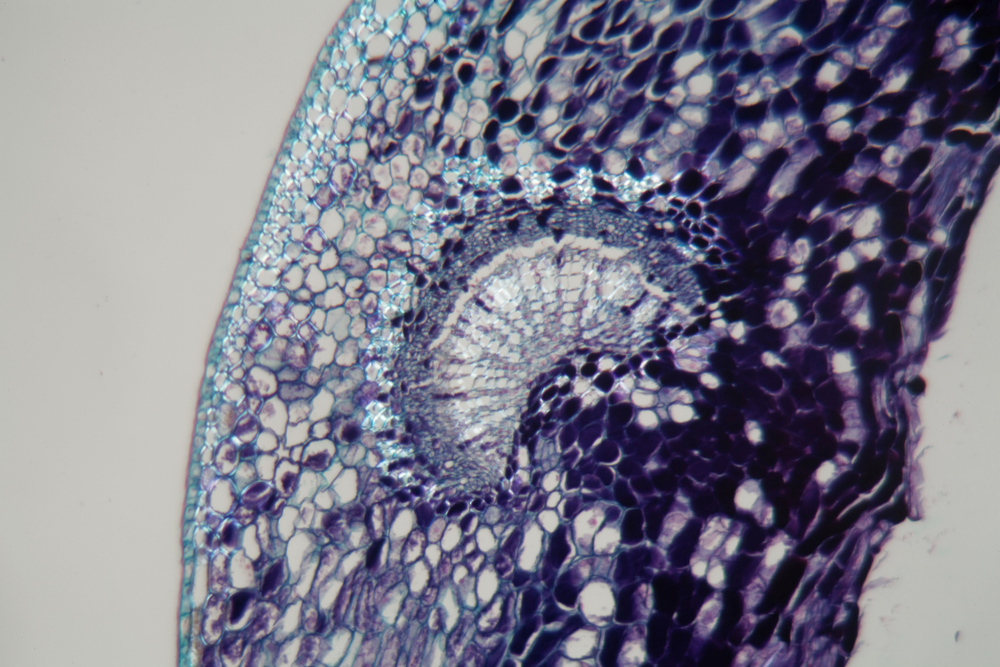
Instead of relying on conventional seed germination, the researchers turned to plant tissue culture, a method widely used in botany to regenerate plants from microscopic fragments of living cells. The team isolated tiny portions of placental tissue found inside immature fruits of Silene stenophylla. These tissues contain actively dividing cells that can sometimes remain viable even when the surrounding seed structures deteriorate. Under sterile laboratory conditions, the samples were placed into a controlled growth medium containing nutrients, sugars, and carefully balanced plant hormones designed to stimulate cell division and organ formation.
Over time, the cultured cells formed callus tissue, a mass of undifferentiated plant cells capable of developing into roots and shoots. By gradually adjusting the hormonal environment in the culture medium, the researchers guided the developing tissues toward forming complete plant structures. This step required precise monitoring because ancient cells can be more fragile than those taken from living plants. The success of the experiment depended not only on the survival of the cells but also on their ability to reorganize into functioning plant organs.
After the regenerated shoots established roots and stable growth in culture, the young plants were transferred to soil and maintained under controlled greenhouse conditions, where they continued developing normally.
Extending the Known Limits of Biological Survival
The successful regeneration of Silene stenophylla immediately drew attention because it expanded the known timeframe for viable plant tissues by an extraordinary margin. Prior to this work, the oldest plant grown from ancient material was a Judean date palm seed, roughly two thousand years old, germinated by researchers studying historical agriculture in the Middle East. The Siberian specimen extended that window by tens of thousands of years, forcing scientists to reconsider assumptions about how long plant cells can remain biologically functional when protected by stable environmental conditions. Studies on seed longevity have long suggested that low temperatures dramatically slow metabolic degradation and DNA damage, allowing some plant tissues to persist far longer than expected when shielded from oxygen, moisture, and microbial activity. Research exploring extreme seed survival under cold storage conditions has documented similar mechanisms that help preserve viability over extended periods.
Even with the compelling laboratory results, the finding prompted careful scrutiny from the broader botanical community. Scientists emphasized that such exceptional longevity must be examined through repeated experiments and independent verification. Botanist Peter Raven, president emeritus of the Missouri Botanical Garden, expressed cautious confidence while acknowledging the need for replication. As quoted in the National Geographic coverage, “I can’t see any intrinsic fault in the article… Though it’s such an extraordinary report that, of course, you’d want to repeat it.”
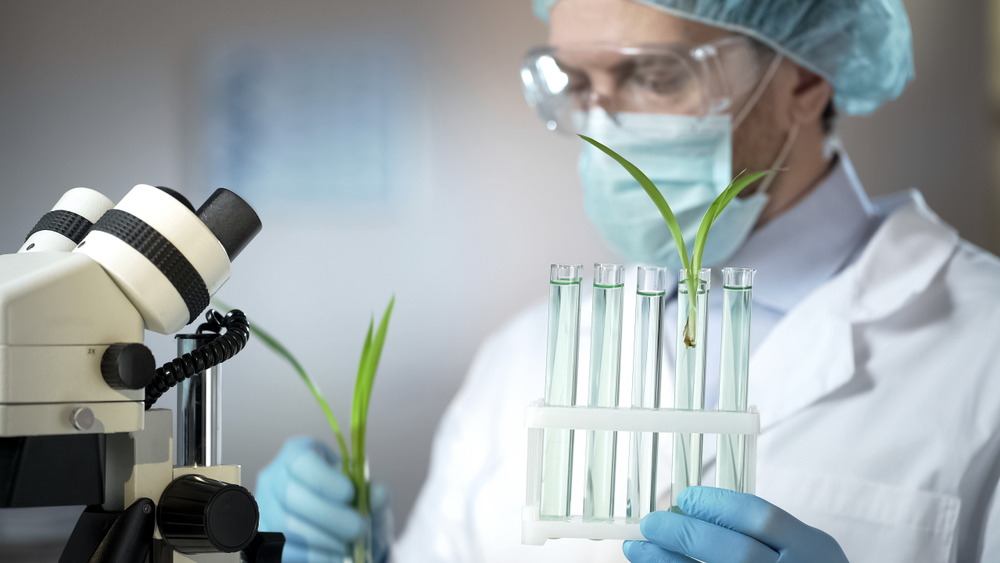
This response reflects a central principle of scientific inquiry. When discoveries challenge established biological limits, researchers seek confirmation through additional studies and comparative experiments. In this case, the regeneration of a plant from Ice Age tissue suggested that under highly stable conditions, living cells may persist far beyond previously documented survival thresholds.
Comparing an Ice Age Plant With Its Modern Relatives
Because Silene stenophylla continues to grow naturally across parts of northeastern Siberia today, researchers were able to examine the regenerated Ice Age specimens alongside living representatives of the same species. This rare situation allowed scientists to evaluate morphological traits under controlled conditions rather than relying solely on fossilized plant remains. When the revived plants matured and began flowering, their structures were compared with those of contemporary populations grown from modern seeds. Careful observation revealed that the ancient plants were viable and reproductively normal, yet displayed subtle differences in floral form.
It was also noted that the regenerated plants were “identical to each other but with different flower shapes from modern S. stenophylla.” Such variations are scientifically valuable because they provide a direct biological reference point separated by tens of thousands of years. Instead of reconstructing evolutionary change only through fossil evidence, researchers can examine how traits expressed in living plants may have shifted gradually across long climatic transitions.
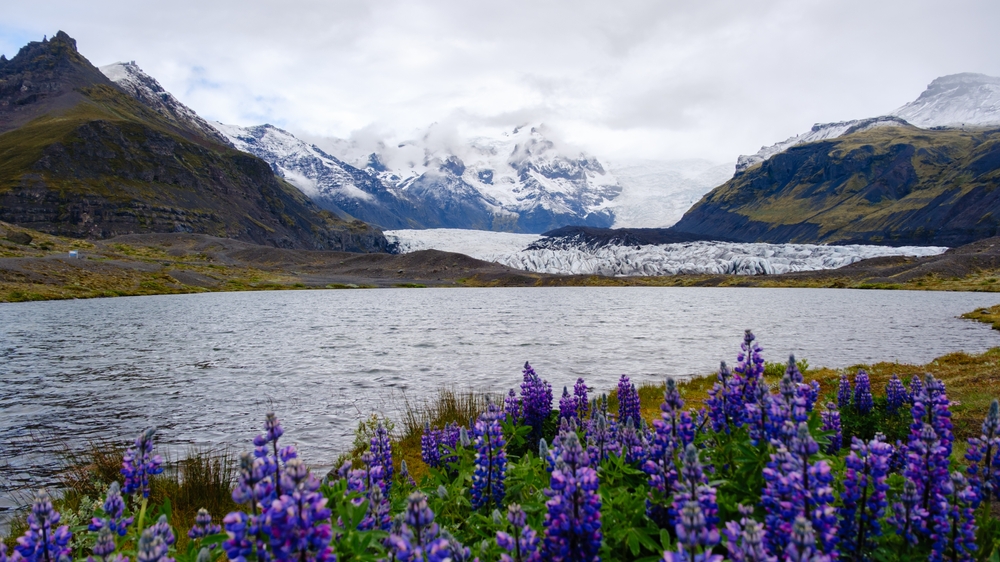
Comparisons like these help botanists explore how Arctic plant species respond to environmental pressures over extended timescales. Studies of plant morphological variation show that even small differences in floral structure can reflect adaptation to changing ecological conditions such as temperature patterns, soil chemistry, or pollinator interactions. Research examining evolutionary change in plant morphology highlights how these traits can shift gradually within species while the underlying genetic identity remains stable. By analyzing the revived plants alongside their modern counterparts, scientists gained a rare living comparison that bridges Ice Age ecosystems and present-day Arctic flora.
Lessons for Modern Seed Banks and Conservation
The revival of an Ice Age plant has prompted renewed attention to the long-term safeguarding of plant genetic resources. Around the world, seed banks serve as biological libraries that preserve the genetic diversity of crops and wild plants in case ecosystems or agricultural systems are disrupted. These facilities maintain seeds under carefully controlled cold storage conditions so that plant varieties can be regenerated in the future if they are lost in the wild or in cultivation. The success of the Siberian experiment reinforces the central idea behind these repositories, which is that biological material can remain viable for extended periods when environmental variables such as temperature, moisture, and oxygen exposure are tightly regulated.
For conservation scientists, the finding highlights the importance of preserving genetic diversity before it disappears. Many plant species face pressure from habitat loss, climate change, and land use shifts that can rapidly reduce natural populations. Seed banks function as a safeguard against this erosion of biodiversity by storing multiple genetic lines from different regions. Organizations such as the Crop Trust coordinate international seed conservation programs to maintain crop diversity for global food security, building on internationally recognized preservation standards used by gene banks worldwide. These frameworks outline how seeds should be collected, stored, regenerated, and monitored to maintain viable genetic resources over long periods.
The broader implication is that preserving plant diversity requires both technological systems and careful scientific planning. Facilities like the Svalbard Global Seed Vault provide long-term backup storage for hundreds of thousands of crop varieties submitted by gene banks around the world. By studying extreme cases of natural preservation, researchers gain insights that may improve how seeds are stored, monitored, and periodically regenerated. These lessons help ensure that plant genetic resources remain available for future agriculture, ecological restoration, and scientific research.
What This Discovery Ultimately Tells Us
The revival of Silene stenophylla does not mean scientists can easily bring back extinct ecosystems. But it does highlight the remarkable durability of life under stable environmental conditions.
For more than thirty millennia, the genetic material of this small flowering plant remained buried beneath frozen Siberian soil. During that time, glaciers retreated, climates warmed, and human civilizations emerged.
Yet the biological instructions encoded within those cells remained intact.
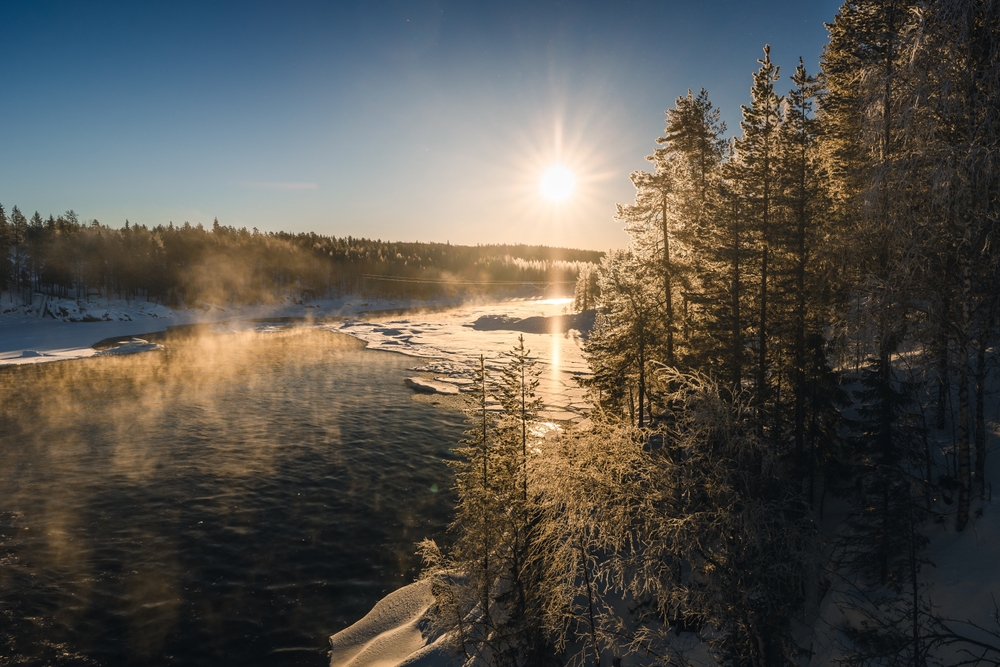
When researchers placed them into a controlled laboratory environment, the ancient plant resumed growth, an echo of a world that existed long before modern humanity.
Discoveries like this remind us that the frozen landscapes of the Arctic still hold many scientific secrets. Some may reshape our understanding of evolution and conservation, while others may simply deepen our appreciation for the resilience of life on Earth.
Image from Victor M. Vicente Selvas, Public domain, via Wikimedia Commons
