
Your cart is currently empty!
Three Medical Exemptions That Could Exclude You From a u.s. Military Draft if World War 3 Occurs
As global tensions rise and conversations about a potential large-scale conflict circulate online, many people have begun asking a practical question: who would actually be required to serve if a military draft returned in the United States? While age and legal status are often discussed, health can play an equally important role. U.S. military standards include detailed medical screening, and certain conditions can make someone ineligible for service even during a draft.
Contents
show
How Medical Screening Works in a Military Draft

Military service in the United States has always involved strict medical screening. Even during periods of conscription, not everyone who is eligible by age or citizenship automatically qualifies to serve. The U.S. military evaluates physical and mental health conditions carefully to determine whether a person can safely meet the physical and psychological demands of military training and deployment.
These standards are defined by the Department of Defense and are outlined in detailed medical fitness regulations used across all branches of the armed forces. The goal is not only to maintain military readiness but also to protect individuals whose health conditions could worsen under intense training, combat stress, or harsh environments.
Medical evaluations during a draft would typically take place through the Military Entrance Processing Stations (MEPS), where applicants undergo physical exams, medical history reviews, vision and hearing tests, and mental health screenings. Physicians assess whether any condition could interfere with training, the use of equipment, or long-term deployment in austere conditions.
Some medical issues lead to temporary deferrals if recovery is expected, while others result in full disqualification from service. Chronic illnesses, severe mental health disorders, and certain physical impairments are among the conditions that may prevent someone from being drafted.
1. Severe Mental Health Conditions

Mental health is one of the most closely evaluated areas during military medical screening. The Department of Defense maintains strict standards regarding psychological conditions because military service often involves prolonged stress, sleep disruption, exposure to trauma, and high risk environments. Individuals with certain diagnosed mental health disorders are typically disqualified from enlistment and would also be excluded during a draft.
Conditions such as schizophrenia, bipolar disorder, and other psychotic disorders are considered disqualifying under U.S. military medical regulations. These illnesses can affect judgment, perception, and emotional stability, which are critical abilities in military operations where rapid decision making and coordination are required.
A history of major depressive disorder can also lead to disqualification in some circumstances, particularly if the condition required long term treatment, hospitalization, or ongoing medication. According to Department of Defense accession standards, persistent mood disorders that interfere with daily functioning may prevent someone from qualifying for service.
Post traumatic stress disorder is another condition that may lead to medical exclusion. Because combat environments can intensify psychological stress, military physicians assess whether prior trauma related conditions could worsen during deployment.
The purpose of these restrictions is not punitive. Military health policies aim to protect both the individual and the unit. Psychological stability is considered essential for maintaining operational readiness and ensuring that service members can safely perform their duties under extreme pressure.
2. Serious Vision Problems
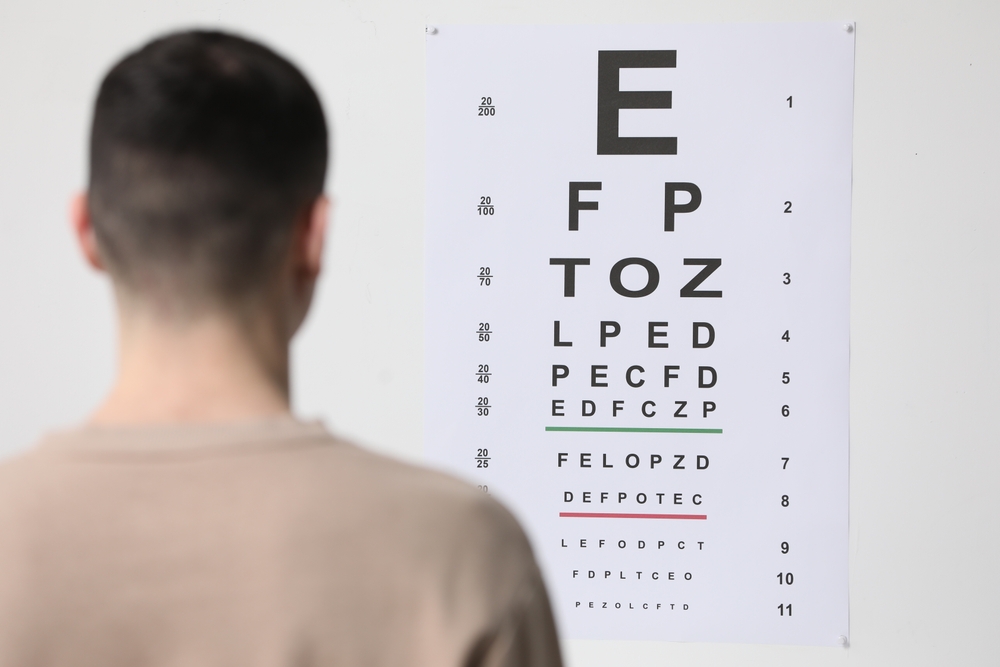
Vision is another critical factor in determining whether someone is medically qualified for military service. Many military roles require precise depth perception, clear distance vision, and the ability to quickly identify objects in complex environments. As a result, the Department of Defense lists several eye conditions that can disqualify a person from enlistment or conscription.
One of the most common disqualifying issues is severe uncorrected vision. Individuals whose eyesight cannot be adequately corrected with glasses, contact lenses, or surgery may not meet military standards. According to military accession guidelines, extremely poor visual acuity or significant differences in vision between the eyes can affect situational awareness and the safe operation of equipment.
Certain eye diseases are also grounds for medical exclusion. Conditions such as glaucoma, retinal detachment, or progressive degenerative eye disorders can worsen under physical strain or during long deployments. These conditions may also limit a person’s ability to perform tasks that depend on stable vision.
Color vision deficiency may also affect eligibility for some military occupations. While not always a full disqualification, significant color blindness can prevent individuals from serving in roles that require accurate color recognition, such as aviation, navigation, or handling certain technical systems.
3. Chronic Respiratory Conditions Such as Asthma

Chronic respiratory illnesses are another major factor that can prevent someone from qualifying for military service. Among the most commonly cited conditions is asthma, particularly when symptoms continue into adolescence or adulthood. Military training often involves intense physical exertion, exposure to dust, smoke, and extreme weather, all of which can trigger breathing problems in individuals with underlying respiratory disease.
According to Department of Defense medical accession standards, a history of asthma after the age of 13 is generally disqualifying unless extensive testing shows the condition has completely resolved. Physicians review medical records and may conduct pulmonary function tests to determine whether the lungs can handle the physical demands required during training and deployment.
Asthma is not the only respiratory condition that may lead to exemption. Chronic obstructive pulmonary disease, severe bronchitis, or other long term lung disorders can also disqualify a person from service. These conditions may limit endurance, reduce oxygen intake, and increase the risk of medical emergencies during strenuous activity.
Military environments can place unusual strain on the respiratory system. Service members may operate in desert dust, humid jungles, high altitude regions, or areas affected by smoke from fires or explosions. For individuals with compromised lung function, these environments could pose serious health risks.
The Physical Realities of Joining the Military
Medical exemptions are sometimes misunderstood as ways to avoid service, but they exist to protect both recruits and military units. Training and deployment place intense physical and mental demands on service members, often in harsh environments. Health standards help ensure that those who serve can safely handle those pressures without putting themselves or others at risk.
The Department of Defense maintains detailed medical guidelines used across all branches of the armed forces. These standards allow doctors to determine whether a health condition could worsen during training or in a combat environment, especially when regular treatment or medication may not be easily available.
When conversations about a possible draft appear in the news, it is helpful to remember that eligibility is never automatic. Medical screening remains a central part of the process, ensuring that those who serve are prepared for the realities of military life.