
Your cart is currently empty!
Flossie the Cat Just Turned 30 and Is Now Officially the World’s Oldest Living Cat
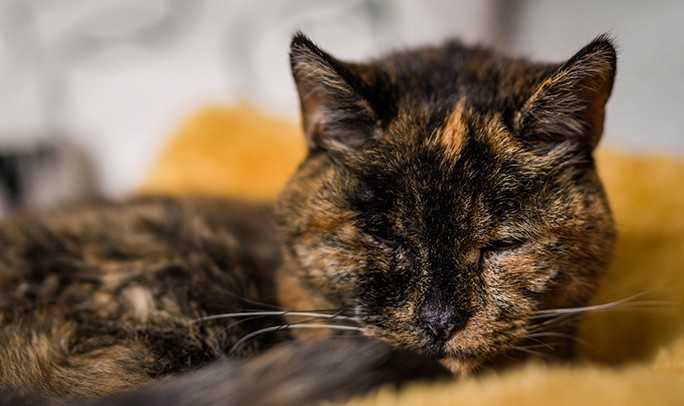
It is not every day that a pet quietly rewrites what people think is possible. Flossie, a cat now 30 years old, has done just that. Her age alone is enough to spark curiosity, but it also raises a deeper question about how some animals manage to live far beyond what is expected. Behind her long life is a story shaped by time, care, and small everyday choices that often go unnoticed.
Contents
show
How Flossie Reached an Age Most Cats Never Do
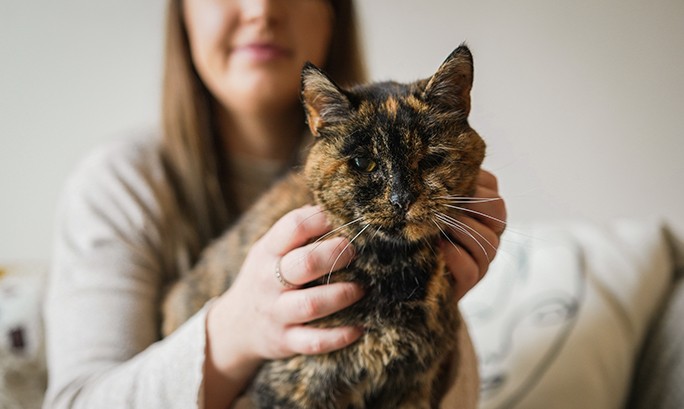
At 30 years old, Flossie has reached an age that very few cats ever do. She has been officially recognized by Guinness World Records as the world’s oldest living cat. For comparison, most domestic cats live between 12 and 18 years. Even reaching 20 is considered rare, which makes Flossie’s life all the more remarkable.
Flossie was born in 1995 and has lived through several homes in the United Kingdom. Her journey shows how animals can adapt over time, even as their surroundings change. Despite her age, she continues to receive care and attention suited to her needs, which has likely helped her stay comfortable in her later years.
Experts often point out that there is no single reason why some cats live longer than others. A mix of factors plays a role, including genetics, diet, and daily environment. Veterinary groups such as the American Veterinary Medical Association note that indoor living, regular checkups, and proper nutrition can all help extend a cat’s life.
The Journey Behind Her Long Life
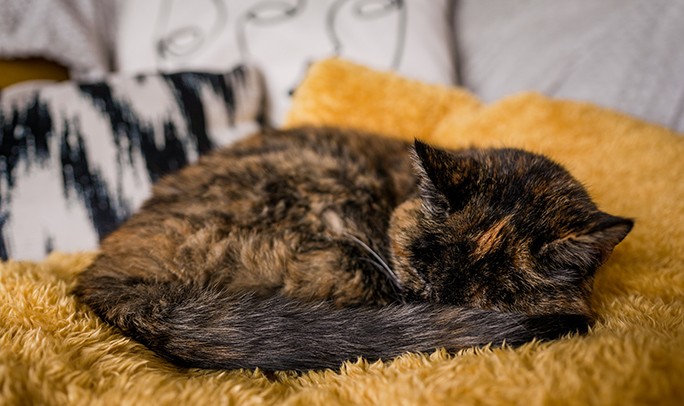
Flossie’s long life has not been spent in just one home. Over the years, she has been cared for by several owners, each chapter adding to her story. She was originally adopted as a young cat and later passed on to different families as circumstances changed. In her later years, she found a home through a UK-based animal rescue group, where she was adopted again as a senior cat.
Her journey shows a reality that many older pets face. Senior animals are often overlooked in shelters, as younger pets tend to be chosen first. Yet Flossie’s experience shows that older cats can still form strong bonds and adjust to new environments, even late in life.
According to animal welfare organizations like Cats Protection in the UK, older cats are just as capable of giving companionship as younger ones. They are often calmer, already trained, and can fit well into quieter households. However, they may need more medical attention and patience as they age.
Flossie’s story also reflects the importance of giving animals a second chance. Her adoption as a senior cat did not mark the end of her story, but rather a new beginning. It serves as a reminder that age does not lessen a pet’s ability to connect, adapt, and bring comfort to the people around them.
What Aging Really Looks Like for a 30-Year-Old Cat
At 30, Flossie is living well into what would be considered a very advanced age for any cat. Like many senior pets, she is deaf and has some vision problems. These changes are common in older cats and are often linked to natural aging rather than a specific illness.
Veterinarians explain that as cats grow older, their senses and mobility can gradually decline. Hearing loss, reduced eyesight, and joint stiffness are among the most frequently observed changes. The American Association of Feline Practitioners notes that regular health checks become even more important in a cat’s senior years, as early signs of age-related conditions can be subtle.
Despite these challenges, older cats can still maintain a good quality of life with the right support. Simple adjustments, such as keeping food and water in easy-to-reach places or maintaining a consistent home layout, can help them stay comfortable. Soft bedding and a quiet environment can also make a noticeable difference.
Daily Habits That Can Help Cats Live Longer
While Flossie’s age is rare, experts agree that daily care plays a big role in how long pets live. Consistent feeding, access to clean water, and a safe indoor environment can reduce many common risks that shorten a cat’s life. Indoor cats, in particular, are less exposed to accidents, infections, and predators.
Nutrition is another key factor. Balanced diets that meet a cat’s age and health needs can support everything from organ function to immune strength. As cats grow older, their dietary needs may change, which is why veterinarians often recommend age-specific food and regular monitoring of weight and appetite.
Routine veterinary visits also matter. Preventive care, such as vaccinations, dental checks, and early screening for common conditions like kidney disease, can catch problems before they become serious. According to veterinary guidance, early detection often leads to better outcomes and a more comfortable life for aging pets.
Equally important is the emotional side of care. Cats benefit from stable routines, gentle interaction, and low-stress environments. Flossie’s long life reflects not just physical care, but also the quiet consistency of a home where her needs were understood and met over time.
The Simple Lesson Pet Owners Can Take From Flossie
Flossie’s life shows that living longer is not just about luck. While some cats may have natural advantages, daily care still matters a lot. Simple habits like feeding the right food, keeping up with vet visits, and providing a safe home can make a big difference over time.
Her story also changes how people see older pets. Age does not mean a pet has nothing left to give. Many senior cats are calm, affectionate, and easy to care for. With patience and understanding, they can still build strong bonds with their owners.
There is also a clear reminder about responsibility. Pets rely on people for their needs at every stage of life. Caring for them is not just a short-term commitment but something that continues as they grow older.
In the end, Flossie’s record is more than just a number. It shows what steady care and attention can lead to. For pet owners, the message is simple: the small things done every day can shape a pet’s life in the long run.
Featured Image Source: Cats Protection/Guinness World Records