
Your cart is currently empty!
How Living with Cats Shapes Human Connection and Emotional Wellbeing

There are moments with a cat that feel almost unexplainable. You sit down after a long day, and before you can exhale, they are there, silent and watchful, as if they already know what you need. They curl beside you, finding the exact space that seems made for them, and without a sound the day begins to soften. The noise in your head quiets, the weight in your chest eases, and time seems to slow.
Contents
show

We rarely stop to wonder why these moments feel so different or how their quiet companionship reaches us in ways that people sometimes cannot. There is something invisible at work when a cat chooses to stay close, something that speaks to the deeper ways living beings sense and respond to one another, far beyond words or reason.
When Your Cat Chooses to Stay Close
Cats often carry a reputation for independence, yet their quiet gestures of affection tell a far more complex story. When a cat curls beside you, stretches across your lap, or simply chooses to remain within arm’s reach, something meaningful unfolds beneath that stillness. Scientists have observed that during these calm interactions, both human and feline bodies release oxytocin, the hormone responsible for trust, connection, and emotional balance. This shared release is not random but a response to comfort, familiarity, and mutual safety. It helps explain why even brief moments of closeness with a cat can ease stress, lower blood pressure, and promote a feeling of peace that extends beyond the moment itself.
Even without touch, this exchange continues. A cat sitting near its owner or resting within sight participates in a kind of silent dialogue. The presence alone is enough to activate physiological responses that mirror the caregiving systems found in humans. Scientists suggest that this process resembles the way parents and children form secure attachments through consistent, gentle interaction. Over time, these small patterns of coexistence strengthen emotional bonds, creating a shared rhythm that both species come to depend on.

The act of a cat choosing to stay close is also an exercise in trust. Cats do not seek proximity out of obligation but through conscious comfort. They approach when they feel safe and retreat when they do not. This freedom of choice gives their affection weight and authenticity. When your cat nestles into your space, it represents a moment of harmony between instinct and emotion. It is a reminder that connection is not built through demand but through patience, consistency, and respect. In this exchange, biology and behavior work together to create something quietly profound, an understanding that love can exist in silence and still be deeply felt.
Understanding the Chemistry of Connection
Every affectionate moment between a human and a cat is guided by more than emotion alone. Beneath the surface, a complex biological process unfolds, centered around a hormone known as oxytocin. Produced in the hypothalamus and released through the pituitary gland, oxytocin is often described as the bonding hormone because of its role in creating feelings of trust and emotional closeness. It serves as a communicator between the brain and body, helping to regulate empathy, attachment, and calmness in both humans and animals.
In people, oxytocin is released through meaningful social contact such as a hug, a kind word, or the soothing presence of a pet. Research has shown that it can help lower blood pressure, reduce anxiety, and restore emotional stability. A study published in Frontiers in Neuroendocrinology notes that oxytocin supports the body’s ability to manage stress by lowering cortisol, the primary stress hormone, and promoting overall relaxation. In animals, similar effects have been observed. Oxytocin is linked to nurturing behaviors, cooperative interactions, and trust-based communication.
When a cat and a human share calm and gentle interactions, such as petting or mutual eye contact, oxytocin levels rise in both. This hormonal exchange strengthens their bond, reinforcing feelings of safety and connection. Scientists believe that these exchanges contribute to a deeper emotional understanding between species, turning everyday companionship into something measurable and profound. It reveals that affection is not just a matter of the heart but also of chemistry, reminding us that connection can be both felt and scientifically observed.
The Healing Power of Gentle Contact
When a person reaches out to pet their cat, the act appears simple, yet it carries an entire network of biological and emotional responses beneath the surface. Scientists have found that each gentle stroke stimulates oxytocin production in both human and feline bodies. This hormone, often associated with bonding and trust, creates a shared sense of calm that goes beyond the physical. The more relaxed the interaction, the stronger the response becomes, forming a rhythm between two beings that builds over time.

Cats play an active role in this exchange. Their soft purring, steady gaze, or subtle movement closer signals that they feel safe and open to contact. These cues invite a moment of connection that benefits both sides. As the interaction continues, stress hormones begin to decline while oxytocin levels rise, promoting a feeling of stability and comfort. Studies on human-animal interaction show that this process can even improve heart rate variability, a key indicator of emotional balance and adaptability to stress.
Beyond the science, this experience highlights how communication can exist without language. Petting goes beyond affection, creating a shared rhythm of touch and awareness between two species. The consistency of these small moments builds mutual trust, grounding both cat and human in a sense of presence. What may seem like a quiet ritual of companionship is, in truth, a biological and emotional dialogue that brings peace to both hearts.
Two Species, One Language of Connection
Cats and dogs may share our homes, but the ways they form attachments to humans reveal two very different emotional worlds. Dogs have evolved from cooperative pack animals that rely on social contact and clear communication to survive. Their relationships with humans reflect this instinct. A dog responds eagerly to tone, touch, and expression, forming an immediate and visible bond built on loyalty and repetition. When a dog seeks eye contact or leans against its owner, its body releases oxytocin, the hormone linked to affection and trust. This exchange reinforces companionship in a way that feels open and continuous.

Cats, by contrast, come from solitary hunters that valued observation and self-reliance. Their approach to connection is cautious, deliberate, and shaped by choice. Research has shown that cats also experience oxytocin increases during positive interactions with humans, but these responses appear only when they feel safe and respected. This selectivity gives their affection a different texture. When a cat decides to approach, it does so from a place of comfort, not habit. Each gesture of closeness carries meaning because it is freely given.
Understanding this difference changes how we interpret love from our pets. Dogs express connection through constant presence, while cats build trust through subtlety and patience. A slow blink, a quiet purr, or the decision to sit nearby are all signs of confidence and companionship. These moments may pass quietly, but they reflect an emotional bond as real and deep as any other. Recognizing this helps us appreciate that affection does not have to be loud to be genuine. It simply has to be chosen.
How Living with Cats Shapes Human Behavior
Beyond the comfort and companionship they offer, cats also have a measurable influence on the way people think and behave. Studies in environmental psychology suggest that sharing space with animals can improve emotional awareness, empathy, and even communication skills. Cats, in particular, encourage a kind of emotional restraint that mirrors their own calm and observant nature. They teach their owners to read subtle cues rather than rely on overt signals, helping people develop patience and sensitivity in their relationships.

Daily life with a cat requires a balance between structure and flexibility. Their routines around feeding, play, and rest remind humans of the importance of consistency, while their independence encourages respect for personal space. Researchers have found that pet owners who live with cats often experience lower levels of stress and report greater satisfaction with quiet, mindful activities such as reading or meditating. These habits are not coincidental; they reflect the rhythm of life that cats bring into a home.
The influence extends beyond the household. People who share strong bonds with their pets often display higher empathy toward others, including humans. Living with a cat can reinforce the understanding that communication does not always need to be verbal and that trust grows through presence, reliability, and care. In this way, cats shape not only how we connect with them but also how we interact with the wider world.
The Quiet Strength of Companionship
The relationship between humans and cats is built on presence rather than performance. It does not rely on words or constant affirmation but on quiet consistency and trust earned over time. Science shows that this bond is both emotional and biological, rooted in shared chemistry that promotes calm and connection. Yet what makes it meaningful extends beyond hormones or studies. It lies in the way a cat teaches patience, stillness, and respect for boundaries.
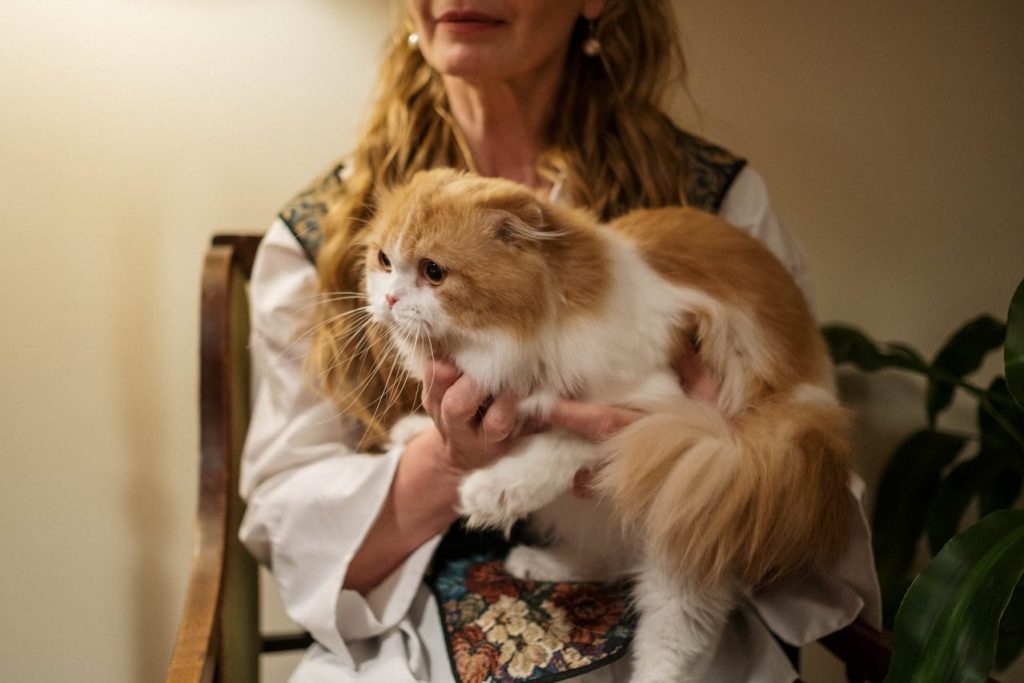
In a world that often moves too quickly, the steady rhythm of a cat’s companionship reminds us to slow down and pay attention. Each moment of closeness, each small act of trust, becomes proof that connection thrives in simplicity. The bond between cat and human is not loud, but it is enduring. It reveals that love, at its truest form, does not need to be spoken to be understood.