
Your cart is currently empty!
Mail Delivery at Risk as USPS Burns Through Its Last Cash Reserves
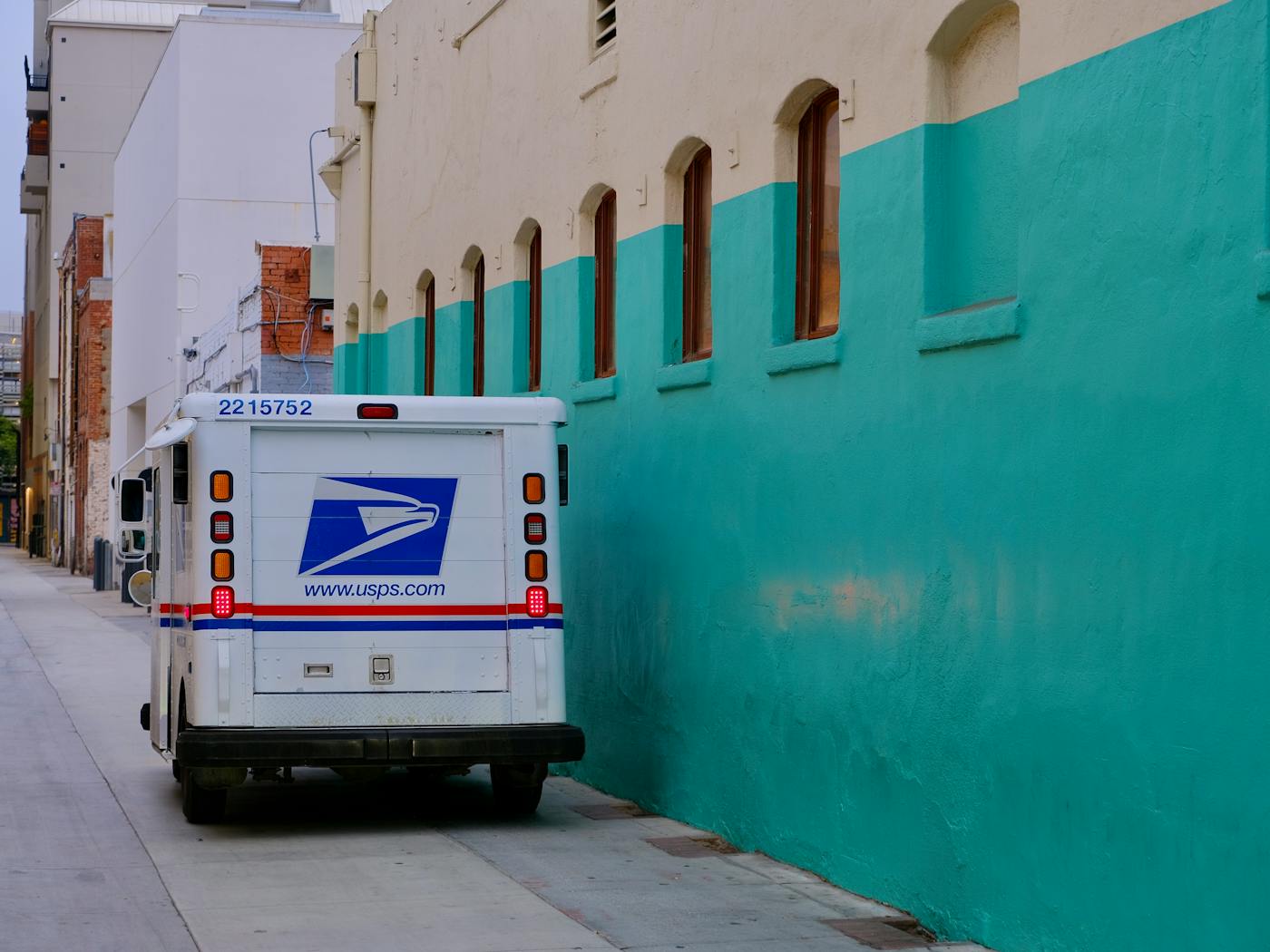
Every day, mail carriers fan out across America, delivering to more than 160 million addresses. Prescription drugs arrive at doorsteps in rural Appalachia. Checks reach retirees in small desert towns. Ballots travel from kitchen tables to county election offices. Most Americans take for granted that tomorrow’s mail will show up. But behind the scenes, a financial clock is ticking, and the people in charge say time is almost up.
Contents
show
Postmaster General David Steiner appeared before a House Oversight subcommittee on March 17, 2026, with a blunt message for Congress: USPS is heading for a wall. At current burn rates, the agency will exhaust its cash reserves within 12 months. Without action from lawmakers, mail delivery across the country could grind to a halt.
So how did one of America’s oldest and most popular institutions reach the brink of collapse? And can Congress agree on a rescue plan before the money runs out?
A Crisis Decades in the Making
USPS operates unlike any other federal agency. It receives no tax dollars for day-to-day operations. Revenue comes from stamps and service fees. For most of its modern history, that model worked. Americans mailed letters, paid bills by check, and shipped packages. Volume stayed high, and the books balanced.
Digital communication changed everything. Email, text messages, and paperless billing have gutted first-class mail volume, which now sits at its lowest level since the late 1960s. First-class mail remains the agency’s most profitable product, and its decline has starved USPS of the revenue it needs to operate.
Since 2007, USPS has posted a financial shortfall in nearly every fiscal year, accumulating $118 billion in net losses. Recent numbers paint an even grimmer picture: a $9.5 billion net loss in fiscal year 2024, $9 billion in 2025, and a $1.3 billion loss in just the first quarter of 2026.
A multi-year reorganization effort launched in 2021 under former Postmaster General Louis DeJoy was supposed to reverse course. It hasn’t. Losses continue to mount, and the structural problems remain unchanged.
Borrowing Maxed, Benefits Ballooning

Two financial anchors drag USPS toward insolvency. First, federal law caps the agency’s borrowing from the U.S. Treasury at $15 billion, a ceiling that has not moved since 1992. USPS has hit that cap and can take on no more debt.
Second, retirement and health benefit obligations consume billions. In recent years, USPS has stayed afloat by deferring pension payments and other required contributions to the federal government. Steiner warned lawmakers that strategy has an expiration date. At some point, the obligations USPS cannot meet will include payments to its own workers and vendors, and when that happens, operations stop.
Congress did step in once before. In 2022, lawmakers passed a reform act that eliminated a mandate requiring USPS to prepay decades of future retiree health benefits and canceled roughly $57 billion in past-due prefunding obligations. That relief produced something remarkable: the only fiscal year without a shortfall in two decades. But the reprieve was brief. Within a year, losses returned and have kept growing.
Board Chair Amber McReynolds sounded a similar alarm at a February meeting of USPS governors, urging policymakers to address the statutory cost pressures bearing down on the agency’s financial future.
What Steiner Wants
Steiner arrived on Capitol Hill with a clear ask: buy USPS time. His top request is raising the agency’s $15 billion debt ceiling, unchanged for over three decades. A higher borrowing limit would not fix the underlying problem, but it would give USPS and Congress room to negotiate a long-term restructuring plan without the threat of imminent shutdown.
Steiner also pushed for lifting caps on postage prices. He argued that U.S. postage remains far cheaper than in other industrialized nations and proposed raising first-class stamps from $0.78 to roughly $0.95, a move he said would largely cover what he called the agency’s “controllable loss.”
Reform of retiree benefit obligations rounds out his agenda. Even after Congress wiped $57 billion in prefunding liabilities in 2022, the ongoing cost of retirement and health programs continues to consume a massive share of revenue.
Painful Alternatives Nobody Wants
If Congress refuses to act, USPS has a short list of options, and none of them are pleasant. Cutting delivery from six days to five would save about $3 billion a year. Closing small, remote post offices would save $840 million. Steiner acknowledged that both ideas are likely to meet fierce resistance from lawmakers and the public.
Asked whether USPS is considering layoffs and changes to its delivery network, Steiner did not mince words: “Look, what I’ve said is that we are in a crisis, and when you are in a crisis, everything has to be on the table.”
USPS is also trying to generate new revenue by opening bids from businesses for special last-mile shipping rates, banking on its unmatched delivery network that reaches every address in the nation. But some industry experts warn the gambit could backfire. If pricing shifts push Amazon and other major shippers to build their own alternatives, USPS could lose existing package volume and deepen its financial hole.
Popular, Expensive, and Required by Law
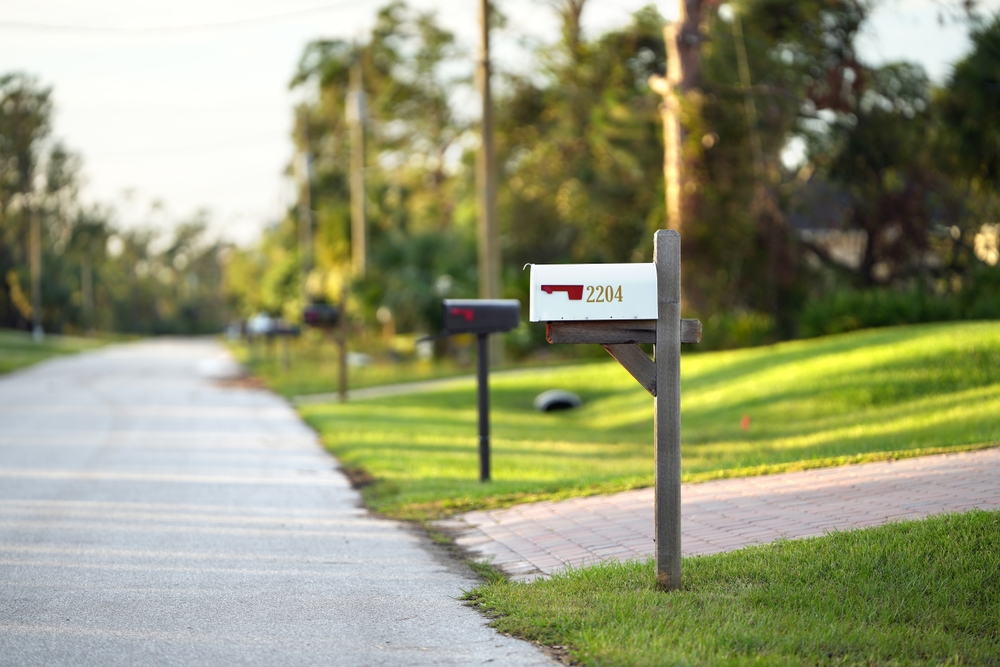
Here is the paradox at the heart of USPS finances: federal law requires the agency to deliver mail to every address in America at a uniform price. A letter costs the same whether it goes across town or to a remote cabin accessible only by boat. Rural communities, island territories, and sparsely populated stretches of the country all receive the same service as dense urban centers.
Americans love the Postal Service for it. According to 2024 data from the Pew Research Center, USPS ranks among the most popular parts of the federal government. But popularity does not pay the bills, and universal service carries a staggering price tag that the current revenue model can no longer support.
Steiner framed the math in simple terms: “I’m here to tell America that we can do anything you want … If you want the same number of delivery days and post offices, we can do that. But someone has to pay for it.”
Congress Agrees on the Problem, Not the Fix
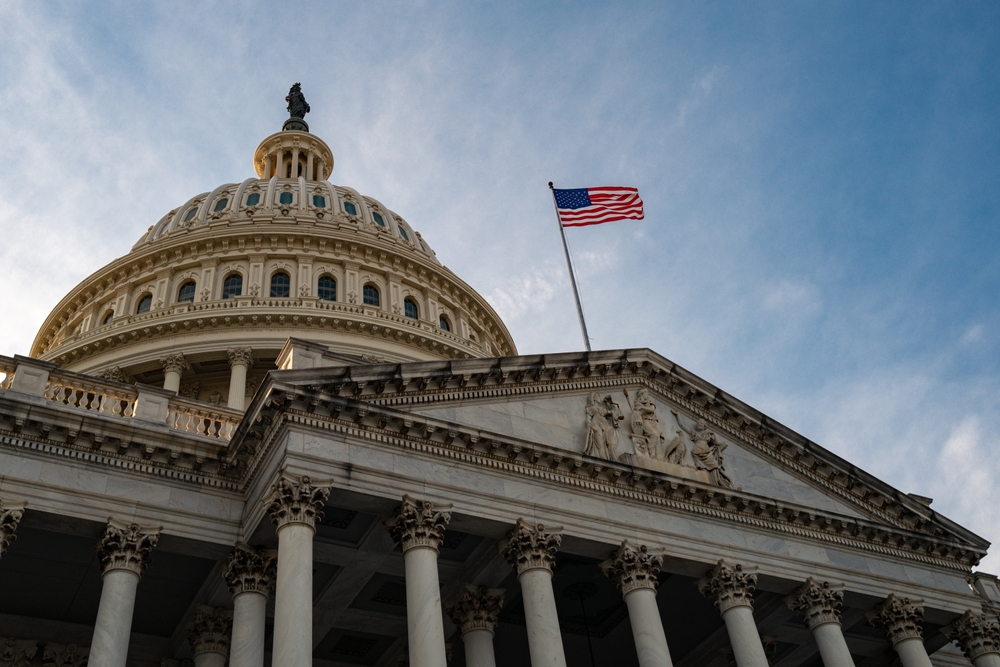
Bipartisan consensus on one point emerged from the hearing: USPS cannot be allowed to fail. After that, the agreement falls apart. Subcommittee Chair Pete Sessions, a Republican from Texas, pushed back hard on stamp price increases, arguing a dollar stamp would not serve the public interest. He committed to working with USPS on alternatives but signaled Congress would have to weigh some difficult tradeoffs.
Ranking Democrat Kweisi Mfume of Maryland took a more direct approach. He called raising the debt limit an inevitable part of any solution and drew a vivid comparison: rather than “do nothing and watch the Titanic sink,” Congress needs to act.
David Marroni, a senior official at the Government Accountability Office, offered an outside perspective in his own testimony. He told lawmakers USPS cannot solve its finances alone and that Congress must decide what level of service Americans need from the Postal Service and how to fund it.
Both Sessions and Mfume acknowledged the weight of those decisions. Sessions said the subcommittee would not punt: “The postmaster general laid it on our doorstep,” he told colleagues, adding that lawmakers would not “kick the can down the road.”
Privatization Whispers and White House Pressure
Beyond Capitol Hill, the White House has its own ideas about USPS. President Trump previously floated disbanding the agency’s Board of Governors and placing USPS under Commerce Department control. Critics warned such a move could serve as a first step toward privatization, threatening delivery of prescription drugs, government checks, and vote-by-mail ballots to millions of Americans.
Talk of a Commerce Department takeover has quieted over the past year, but Trump continues to reshape the board itself. All current politically appointed governors are Biden-era nominees. In recent weeks, Trump named three new picks after earlier nomination setbacks, signaling a push to install allies who may steer the agency in a different direction.
Steiner, a former FedEx board member who joined USPS last July, has said he does not support privatization. But with a new board taking shape and financial collapse looming, the agency’s independence could face its greatest test yet.
Less Than 12 Months to Decide

Steiner left lawmakers with a stark timeline. If USPS keeps meeting its obligations, cash runs out as soon as October. If it defaults on more payments, as it has in prior years, the deadline stretches to February 2027. Either way, the window is narrow.
“I am not sure that the American public is aware that the Postal Service is at a critical juncture. I know that I wasn’t aware of the extent of it before I took on this role, but at our current run rate and if we continue to pay our required obligations in the same manner as we have done in recent years, then we will be out of cash in less than 12 months,” Steiner said in a written statement before the hearing.
USPS has survived wars, recessions, and the digital revolution. Whether it survives its own balance sheet depends on what Congress does next, and the clock started months ago.