
Your cart is currently empty!
The Hidden Superpower Of People Who Walk Around Naked At Home
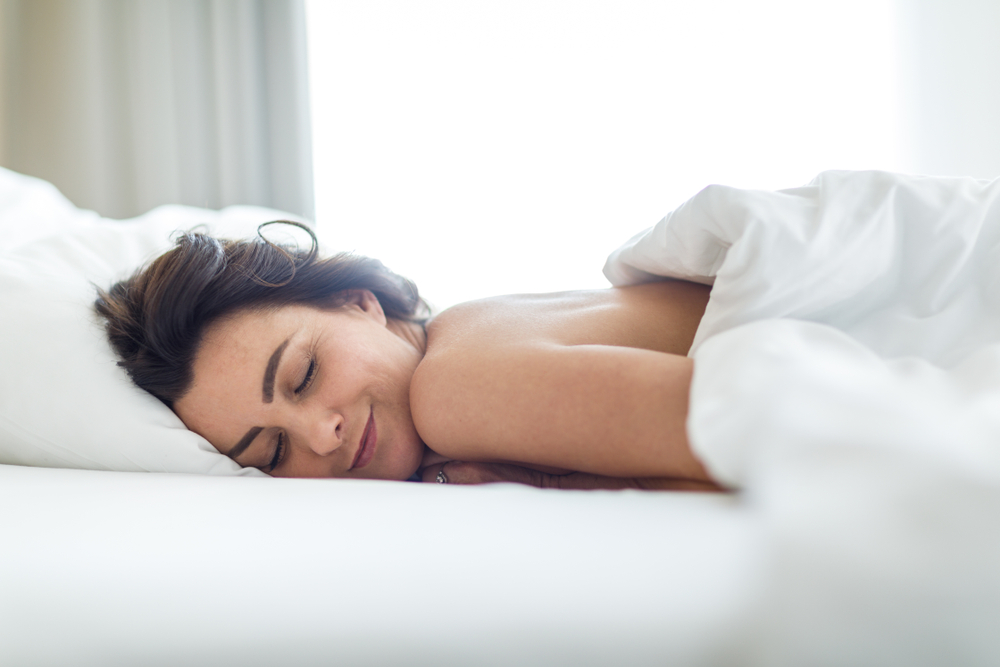
It is one of those habits people rarely admit out loud, yet quietly, behind closed doors, many are doing it. Walking around the house without clothes is often dismissed as a comfort choice, something driven by temperature, privacy, or convenience. For some, it feels natural. For others, it sounds unusual or even slightly rebellious.
Contents
show
But over the past few years, researchers have begun to look at everyday behaviors in a different way. Instead of treating them as random quirks, they have started asking what these habits might reveal about personality, thinking patterns, and even intelligence. Among the most surprising findings is a quiet but consistent link between being comfortable with nudity at home and having a more open, curious, and intellectually flexible mind.
What appears on the surface as a simple lifestyle preference may actually reflect something deeper about how a person engages with the world.
The Research That Started It All
The idea that nudity at home could be connected to intelligence did not appear overnight. It emerged from broader psychological studies that examined how everyday behaviors align with personality traits. Researchers at the University of Rochester explored data from hundreds of participants who reported their daily habits, preferences, and tendencies.
Instead of measuring intelligence through traditional IQ tests, the researchers focused on behavioral indicators. They looked at patterns that tend to appear in people who show intellectual curiosity, creativity, and a willingness to explore new ideas.
One of the more unexpected findings was that individuals who reported spending time naked at home on a regular basis also tended to show higher levels of intellectual traits. These traits included curiosity, creativity, and openness to new experiences.
This does not mean that walking around naked directly increases intelligence. Rather, it suggests that the same mindset that leads someone to question norms and explore unconventional choices may also support higher cognitive flexibility.
Understanding the Psychology of Openness
To make sense of this connection, it helps to understand the concept of openness to experience. Psychologists often describe personality using a framework known as the Big Five, which includes extraversion, agreeableness, conscientiousness, neuroticism, and openness.
Openness is the trait most closely linked to intellectual exploration. People who score high in openness tend to enjoy learning, experimenting, and engaging with new ideas. They are often drawn to art, culture, and creative expression. They are also more likely to question traditions and challenge expectations.
In studies conducted by researchers such as Lewis R. Goldberg and Benjamin P. Chapman, large groups of participants were asked about a wide range of behaviors. These included simple daily habits like talking on the phone, cooking, or singing, as well as more unconventional preferences.
A pattern began to emerge. Individuals who preferred being naked at home also tended to show higher levels of openness. This same group often reported enjoying spicy food, using expressive language, and engaging in creative or exploratory activities.
These behaviors are not random. They reflect a mindset that is comfortable stepping outside of social norms and exploring personal preferences without needing external validation.
Nudity and the Idea of Nonconformity
Clothing is not just practical. It is deeply tied to culture, identity, and social expectations. From a young age, people are taught what is appropriate to wear and when. Even in private spaces, these expectations can linger.
Choosing to be naked at home, even when no one else is around, can be seen as a small act of nonconformity. It reflects a willingness to separate personal comfort from societal rules.
Researchers suggest that this willingness is closely related to intelligence. People who think critically and independently are less likely to follow norms simply because they exist. They are more likely to evaluate whether a rule makes sense for them personally.
In this context, nudity is not about rebellion for its own sake. It is about comfort, authenticity, and freedom from unnecessary constraints. It signals a mindset that prioritizes personal experience over external judgment.
A Shift in How Society Views Nudity

Attitudes toward nudity have not remained static. In many parts of the world, particularly across Europe, the human body is viewed with less stigma. Public spaces such as beaches and spas often allow or even encourage nudity in certain contexts.
In contrast, other societies have traditionally been more reserved. Nudity is often associated with privacy, and discussions around it can feel uncomfortable or taboo.
However, recent years have seen a noticeable shift. During global lockdowns, millions of people spent more time at home than ever before. Without the need to adhere to workplace dress codes or social expectations, many began to rethink their relationship with clothing.
Surveys conducted during this period found that a significant portion of people experimented with being less dressed or not dressed at all while working from home. For some, it was a practical choice. For others, it became a new form of comfort and even a routine that improved their sense of ease.
This shift highlighted an important point. When external pressures are removed, people often gravitate toward what feels natural to them.
The Link Between Nudity and Well-Being

Beyond personality traits, researchers have also explored how nudity affects mental well-being. Studies from Goldsmiths, University of London, examined individuals who participated in naturist activities and how these experiences influenced their body image and overall happiness.
Participants who spent time naked, particularly in social settings designed for naturism, reported higher levels of body satisfaction and life satisfaction. They also experienced improvements in self-esteem.
In controlled settings, individuals were asked about their feelings before and after participating in events where nudity was encouraged. The results were consistent. After these experiences, participants felt more comfortable in their bodies and more positive about themselves.
This suggests that removing clothing can sometimes remove layers of self-consciousness as well. It allows people to engage with their physical selves in a more direct and accepting way.
It is important to note that this relationship can work both ways. People who already feel confident may be more likely to embrace nudity. At the same time, the act itself may reinforce and strengthen that confidence.
The Sensory and Emotional Experience

There is also a more immediate, physical explanation for why some people prefer being naked at home. Without clothing, the body experiences its environment more directly. Air, temperature, and texture become more noticeable.
For some individuals, this heightened sensory awareness creates a sense of calm. It can make everyday experiences feel more grounded and present. In a world filled with constant stimulation, this simplicity can be refreshing.
Emotionally, being without clothing can also reduce the pressure to present oneself in a certain way. There is no outfit to adjust, no appearance to manage. This can create a sense of ease that supports relaxation and mental clarity.
Small Habits That Reflect Bigger Patterns
What makes this topic particularly interesting is not the act of being naked itself, but what it represents. Small, everyday habits often reflect deeper patterns in how people think and behave.
Choosing comfort over convention, exploring personal preferences, and being willing to step outside of norms are all indicators of a flexible and adaptive mindset. These qualities are often associated with creativity, problem-solving, and intellectual growth.
Other behaviors linked to this mindset include:
- A willingness to try new foods or experiences
- An interest in art, music, or culture
- Comfort with expressing thoughts openly
- A tendency to question rules rather than accept them blindly
These patterns suggest that intelligence is not just about knowledge or academic performance. It is also about how a person interacts with the world and navigates new ideas.
Cultural Differences and What They Reveal

Looking at how different cultures approach nudity provides additional insight. In societies where the human body is normalized rather than stigmatized, people often report higher levels of comfort and acceptance.
This does not mean that one approach is inherently better than another. However, it highlights how cultural norms shape personal behavior.
In environments where nudity is less taboo, individuals may feel freer to express themselves without fear of judgment. This openness can extend beyond physical expression and influence how people think, communicate, and create.
It also raises an interesting point about the relationship between societal attitudes and intellectual flexibility. When people are encouraged to question norms, they may be more likely to develop independent thinking skills.
Practical Benefits of Spending Time Without Clothes

While the psychological aspects are compelling, there are also practical benefits to spending time without clothing, particularly in private settings.
For example, some health experts suggest that allowing the body to breathe can support skin health. For women, reducing time spent in tight or non-breathable clothing may lower the risk of irritation or infections.
There are also potential benefits related to sleep. Lowering body temperature is known to improve sleep quality, and sleeping without clothes can help facilitate this process. Better sleep, in turn, supports cognitive function, mood, and overall well-being.
In relationships, skin-to-skin contact has been shown to promote bonding and increase levels of connection. Even in non-romantic contexts, physical comfort can contribute to emotional ease.
Rethinking What Intelligence Looks Like
When people think of intelligence, they often imagine test scores, academic achievements, or professional success. While these are important, they do not capture the full picture.
Intelligence also includes creativity, adaptability, emotional awareness, and the ability to think independently. It is reflected in how people approach challenges, explore new ideas, and express themselves.
The connection between nudity and intelligence is not about proving that one behavior is superior to another. It is about recognizing that seemingly small choices can reflect broader ways of thinking.
Choosing to be comfortable in your own space, to question expectations, and to prioritize personal authenticity can be signs of a mind that values exploration and freedom.

A Simple Habit with a Deeper Meaning
At the end of the day, whether someone prefers pajamas, loungewear, or nothing at all is a personal choice. There is no single correct way to feel comfortable at home.
What matters is the awareness that our habits often carry meaning beyond their surface. They can reveal how we relate to ourselves, to others, and to the world around us.
For those who enjoy the freedom of being clothes-free at home, the research offers an interesting perspective. It suggests that this preference may be linked to qualities that support creativity, curiosity, and independent thinking.
Rather than viewing such habits as strange or unconventional, it may be more useful to see them as expressions of individuality. They remind us that intelligence is not always loud or obvious. Sometimes, it shows up in quiet, personal choices that reflect a deeper comfort with who we are.
Intelligence Might Be More Personal Than We Think
The idea that something as simple as walking around naked at home could be connected to intelligence may seem surprising at first. But when viewed through the lens of psychology, it begins to make sense.
Habits rooted in openness, curiosity, and nonconformity often point to a flexible and engaged mind. They reflect a willingness to explore, to question, and to live authentically.
In a world that often emphasizes appearances and expectations, there is something quietly powerful about choosing comfort and authenticity in your own space.
Whether or not someone decides to embrace that lifestyle, the broader lesson remains. Intelligence is not just about what we know. It is also about how we think, how we adapt, and how willing we are to be ourselves when no one else is watching.