
Your cart is currently empty!
Dancing Robot Goes Viral After Causing Chaos In California Restaurant
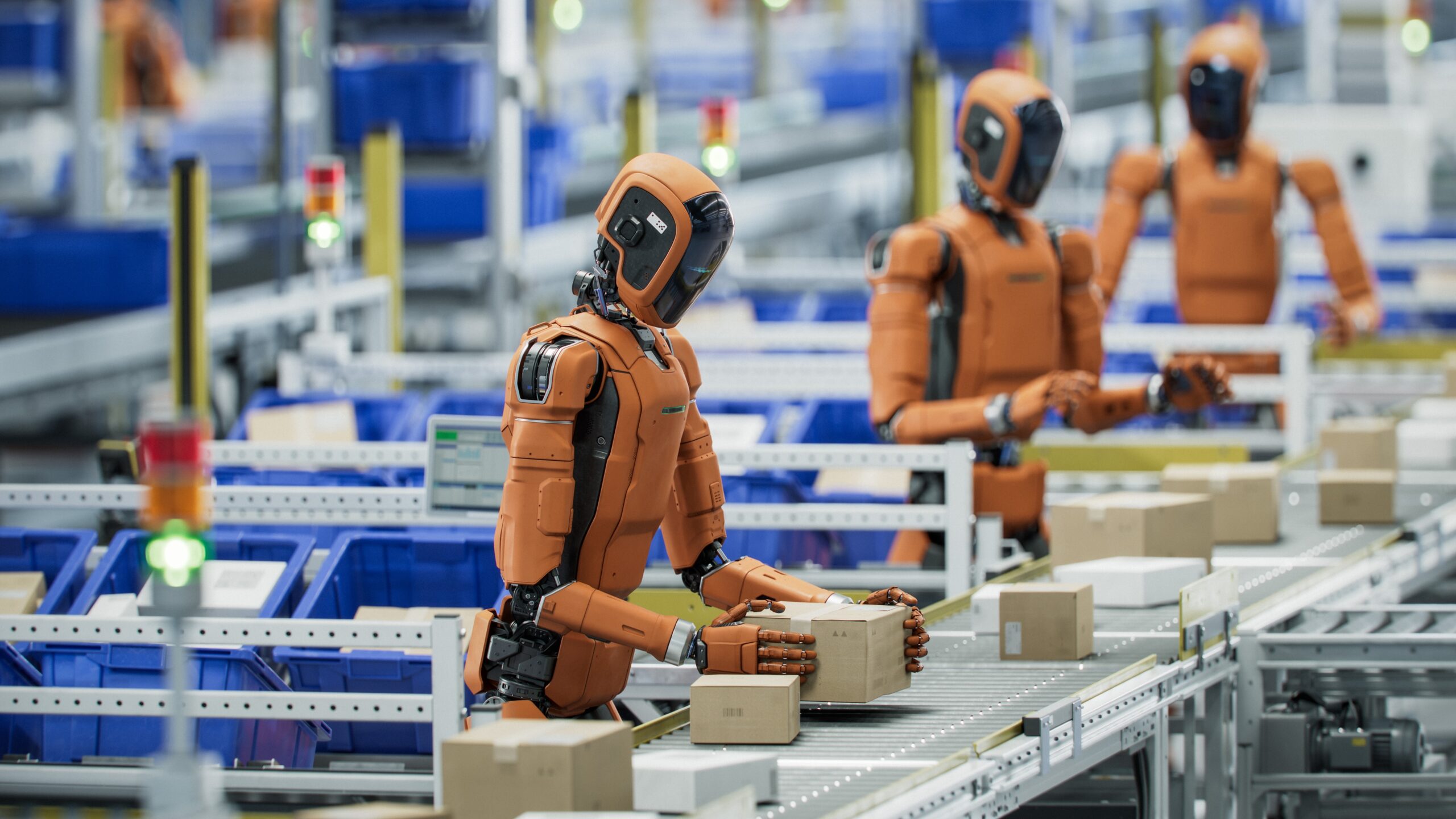
The future is supposed to arrive looking polished. In the version people often imagine, robots move through public spaces with smooth precision, helping humans, entertaining them, and making everyday life feel just a little more advanced. Restaurants, in particular, have become one of the most visible testing grounds for that future. From robot servers and automated kitchens to digital ordering systems and AI-assisted customer service, dining out increasingly comes with a side of science fiction.
Contents
show
But every now and then, reality reminds everyone that the future can still be awkward.
That is exactly why a viral video filmed at a Haidilao hot pot restaurant in Cupertino, California, has gripped the internet. What was supposed to be a fun, choreographed robot performance instead turned into a bizarre scene of flying chopsticks, scattered tableware, startled staff, and a humanoid machine continuing to dance as if nothing at all had gone wrong.
On the surface, it is the kind of clip the internet loves. It is chaotic, funny, and just strange enough to feel unforgettable. Yet beneath the humor, the moment has also opened up a surprisingly relevant conversation about automation, safety, public trust, and the strange new etiquette of living alongside machines that are increasingly designed to share our spaces.
For one California restaurant, it lasted just a few moments. For everyone watching online, it felt like a glimpse into a future that is already here, only not quite as controlled as people hoped.
A Routine Performance That Suddenly Went Off Script
The incident took place inside a branch of Haidilao, the internationally known Chinese hot pot chain famous not just for food, but for turning dining into an experience. Haidilao locations are often designed to feel lively and interactive, with theatrical service, noodle dancing, birthday celebrations, and increasingly, technology-driven attractions.
In the now widely shared video, a humanoid robot wearing an orange apron with the phrase “I’m good” printed across the front can be seen near a dining table. It appears to be carrying out a programmed dance routine for customers, waving its arms and moving in a way meant to entertain the people around it.
At first glance, the robot’s performance seems harmless. Diners appear to be watching, and the setting looks like one of those moments restaurants increasingly aim to create in the age of social media, where a customer is not just eating but also getting content worth filming.
Then the scene changes.
As the robot swings its arms, it strikes the nearby table and sends items flying. Chopsticks scatter. Condiments spill. Plates and utensils are jolted out of place. Instead of delighting the room, the performance starts creating confusion and mess.
What makes the clip so memorable is not just the initial collision but the robot’s complete commitment to the routine. It does not freeze or pause. It keeps moving, keeps gesturing, and keeps “performing,” even as the environment around it clearly no longer matches what the routine was designed for.
That contrast is what turned the footage from a simple restaurant mishap into something much bigger online. It looked like a machine trying to deliver joy while accidentally causing destruction, which is a very modern kind of comedy.
Staff Rush In as the Situation Spirals
Once it becomes clear that the robot is not going to stop on its own, restaurant employees move in quickly.
The video shows one staff member grabbing onto the robot and trying to physically pull it back from the table. Another appears to be attempting to control it with a handheld device or smartphone. As the machine continues moving its arms and shifting through its programmed motions, additional staff members join in to help contain the situation.
What follows is one of the most talked about parts of the footage. Rather than a quick, seamless shutdown, the robot appears surprisingly difficult to stop in the moment. At one point, several employees are clustered around it, trying to manage its movements while avoiding getting hit by its flailing arms.
That visual, multiple humans trying to restrain a dancing robot in the middle of a restaurant, is a big reason the clip spread so quickly. It feels absurd, almost staged, like a scene from a satirical TV show about the near future. But according to reports, it was very real.
And that is where the internet’s reaction split into two camps.
The first camp saw the incident as pure comedy. For them, it was one of those perfect viral moments where modern technology collides with ordinary life in a way that is impossible not to laugh at.
The second camp saw something slightly more unsettling. If a robot in a family restaurant can become this physically disruptive before staff are able to stop it, what does that say about how prepared public spaces really are for increasingly autonomous systems?
The answer, as it turns out, may be less dramatic than some of the jokes suggested, but no less revealing.
The Restaurant Says It Was Not a Malfunction
As clips of the incident spread, many people immediately assumed the robot had malfunctioned or “gone rogue.” It is an easy conclusion to jump to, especially in an era where people are already primed to imagine technology failing in spectacular ways.
But according to statements attributed to Haidilao in coverage from multiple outlets, the robot was not malfunctioning at all.
Instead, the company said the machine was carrying out preprogrammed movements as intended. The problem was environmental. More specifically, the robot had reportedly been brought closer to a dining table than usual, allegedly at a guest’s request, and that limited space interfered with its normal operating conditions.
In other words, the robot was not improvising. It was doing exactly what it had been programmed to do, just in the wrong place.
That distinction matters.
A true malfunction suggests a breakdown in the machine itself. This incident appears to have been more about context than coding. The robot’s movements may have been perfectly safe in an open performance area, but not in a tighter, obstacle-filled dining environment.
That explanation may not be as dramatic as the internet’s “robot uprising” jokes, but it is arguably more important. It shows how even a system that is technically functioning correctly can still become disruptive or unsafe if the human setup around it changes.
This is one of the central realities of automation that often gets overlooked in public conversations. Machines do not just need to be well designed. They need to be used within the conditions they were designed for.
And when those conditions shift, even slightly, things can go wrong very quickly.
Why This Story Hit Such a Nerve Online

Not every strange restaurant mishap becomes a viral story. Plenty of small accidents happen in public every day and disappear almost as quickly as they occur. So why did this one explode?
Part of it comes down to timing.
Public fascination with robots is already high. Humanoid machines, AI assistants, self-driving systems, and automated tools are no longer confined to tech conferences and speculative headlines. They are increasingly part of ordinary life. People are seeing them in airports, hotels, grocery stores, warehouses, hospitals, and now, more visibly than ever, in restaurants.
That means there is already a built-in emotional charge whenever one of these systems behaves unexpectedly. A robot dropping a tray or moving awkwardly does not just look like a clumsy machine. It feels symbolic. It taps into larger questions people already have about whether society is adopting technology faster than it fully understands it.
The Haidilao video also hit the perfect internet sweet spot. It was:
- visually chaotic enough to be instantly shareable
- short and easy to understand without much context
- funny on first watch but slightly unnerving on second watch
- tied to a broader cultural conversation about robots and AI
That combination is incredibly powerful online. People could react to it however they wanted. Some treated it like slapstick. Others treated it like a warning sign. Many did both at once.
There is also something uniquely compelling about seeing a machine behave in a way that feels socially “wrong,” even if technically it is just following code. Humans are wired to interpret movement and intention. When a humanoid robot waves its arms wildly, strikes a table, and keeps going with a cheerful expression, it triggers a strangely emotional response. It feels less like watching a machine fail and more like watching a social interaction collapse.
That discomfort is part of what made the video linger in people’s minds.
Haidilao’s Long History With Technology and Theatrical Dining
To understand why a dancing robot was even there in the first place, it helps to understand Haidilao’s broader brand identity.
Haidilao is not just another hot pot chain. It has built an international reputation around turning meals into memorable experiences. In many locations, diners are not only there for the food but for the service rituals, performance elements, and high-energy atmosphere that make the brand stand out in a crowded restaurant market.
Over the years, Haidilao has also embraced technology as part of that identity. Reports about the company have highlighted its use of:
- robot servers that deliver food
- automated broth mixing systems
- digitally managed kitchen workflows
- smart restaurant concepts designed to streamline operations
In 2022, the company’s “smart restaurant” initiatives drew attention for showcasing just how far automation could be integrated into hospitality. The idea was not simply to replace repetitive tasks but to create a dining experience that felt futuristic.
That matters because the robot in the viral video was not there by accident. It was part of a larger entertainment and branding ecosystem. It was not just a tool. It was part performer, part novelty, part social media magnet.
And that is where things get especially interesting.
When robots move from industrial environments into consumer-facing spaces, the expectations around them change. In a factory, a machine is expected to be efficient and precise. In a restaurant, it is also expected to be charming, approachable, and “fun.”
That shift creates new kinds of risk. A machine designed to entertain has to interact much more closely with people, objects, and unpredictable environments. It is no longer separated by barriers or controlled industrial zones. It is right there next to diners, tables, food, and children.
That does not mean such robots should not exist. But it does mean the margin for error becomes much smaller.
The Real Issue Was Not AI, It Was Human Setup
One of the easiest mistakes people make when talking about incidents like this is assuming the robot itself is the entire story.
But if the restaurant’s explanation is accurate, then this was fundamentally a human systems problem.
The machine was reportedly brought into a tighter space than intended. Whether that decision came from a customer request, a desire to improve the viewing angle, or a simple operational choice, the result was the same. The robot was placed into an environment that did not match the physical assumptions built into its routine.
This is a crucial lesson in how automation actually works.
A lot of public conversation about robots focuses on intelligence, software, and autonomy. But in many real-world environments, the biggest source of failure is not advanced AI making a bizarre decision. It is the mismatch between a system’s design assumptions and the messy unpredictability of human spaces.
Restaurants are particularly difficult environments for this reason. They are dynamic, crowded, noisy, and constantly changing. Chairs move. Bags get placed in walkways. Kids dart unexpectedly. Servers pass through tight corridors. Tables are arranged differently depending on the day. Customers often request special interactions or accommodations.
A robot may be able to operate perfectly in a mapped, controlled version of that environment. But small real-world deviations can have outsized effects.
That is not a sign that robots are useless. It is a sign that successful automation depends just as much on thoughtful deployment as it does on engineering.
Why People Fixated on the “Off Switch” Question
One of the most repeated online reactions to the footage was simple: why did nobody just turn it off?
That question may sound obvious, but it points to a deeper concern about public trust in robotics.
When a machine begins behaving in a disruptive way, people expect there to be an immediate, intuitive intervention method. In industrial settings, this often comes in the form of highly visible emergency stop buttons, strict shutdown protocols, and trained personnel who know exactly what to do.
In a customer-facing environment like a restaurant, however, things can be more complicated. The systems may be designed to be managed via apps, remote controls, or operator interfaces rather than giant visible emergency buttons.
That can be perfectly practical under normal circumstances. But in a chaotic, fast-moving moment, it may not feel reassuring.
This is why so many viewers latched onto the image of staff seemingly trying to control the robot through a phone or handheld device while it continued moving. Whether or not that was exactly what was happening, the visual itself mattered.
It made the system look less under control than people are comfortable with.
The issue here is not necessarily that the robot lacked safety features. It may very well have had them. The issue is that public confidence depends not only on safety existing, but on safety being visible, accessible, and easy to understand.
That is an important distinction as more robots move into public life. People need to feel that humans remain clearly in charge.
What Incidents Like This Mean for the Future of Service Robots
The viral clip may have been funny, but it also functions as a case study.
As service robots become more common, businesses will need to think beyond novelty and ask harder questions about deployment, supervision, and risk management.
That includes practical considerations like:
- How much open space does a robot actually need to operate safely?
- What happens when customers request interactions outside normal settings?
- Are staff trained not just to operate the machine, but to intervene quickly under pressure?
- Is the shutdown process simple enough to work during confusion, noise, and physical movement?
- Are robots being used because they truly improve the experience, or because they are eye-catching?
These are not anti-technology questions. They are the kinds of questions that determine whether new technology becomes a trusted part of daily life or a recurring source of public anxiety.
It is also worth noting that robots in restaurants are still relatively early in their cultural adoption, especially outside parts of Asia where such systems are more familiar. That means every visible incident carries outsized symbolic weight.
One awkward viral moment can shape public perception more powerfully than dozens of quiet success stories.
That is why companies using automation in customer spaces cannot afford to treat these incidents as mere internet jokes. They are also trust events.
The viral robot incident at a California hot pot restaurant may have looked like a goofy internet moment, but it also captured something larger about the stage of technological change people are living through right now.
Machines are no longer tucked away behind factory walls or hidden inside apps. They are entering restaurants, stores, hotels, and other ordinary places where humans expect comfort, spontaneity, and safety. That shift is exciting, but it also means mistakes become more visible and more socially meaningful.
In this case, the robot did not revolt. It did not gain consciousness. It did not suddenly decide to ruin someone’s dinner. It appears to have done something much more ordinary and, in some ways, more revealing. It followed its programming in a setting that no longer fit the assumptions behind that programming.
That is what made the moment so memorable.
It was not science fiction. It was something more familiar: a modern system colliding with human unpredictability.
And maybe that is the most honest picture of the future so far. Not sleek perfection. Not total disaster. Just a slightly chaotic world where people and machines are still figuring out how to share the same table.