
Your cart is currently empty!
Iran Rejects Trump’s Cease-Fire Plan and Fires Back With Bold New Demands
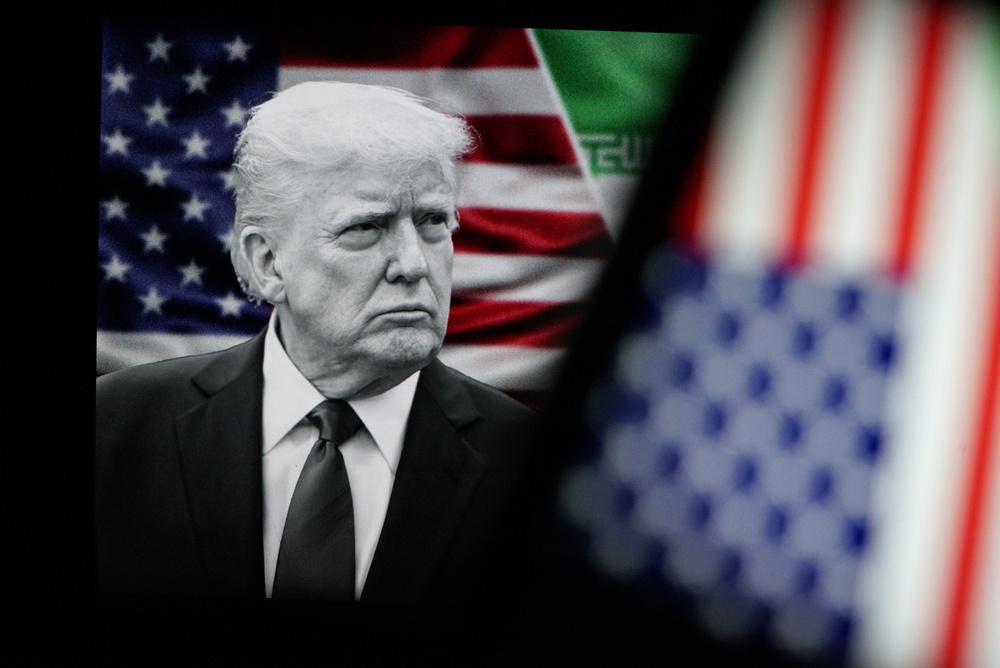
Donald Trump tried to present the latest US-Iran standoff as if a diplomatic breakthrough was finally within reach. After days of heightened tension, military threats, and fears that the conflict could spiral into something much bigger, he publicly suggested that his administration had managed to move both sides closer to a cease-fire through what he described as a 15-point peace framework. For supporters of that approach, it sounded like classic Trump dealmaking: apply pressure, force urgency, then step in as the figure who can still cut an agreement when the world expects chaos. But the optimism did not last long, because Iran responded in a way that completely undercut the idea that peace was suddenly taking shape behind the scenes.
Contents
show
Instead of accepting the proposal or even signaling that serious common ground had been found, Iran reportedly rejected the framework outright and came back with demands so sweeping that they sounded less like the basis for compromise and more like a declaration of regional ambition. According to the reports, Tehran not only dismissed Trump’s terms as unacceptable, but figures tied to the regime also pushed for outcomes that would include American withdrawal from the Gulf, reparations for US strikes, and control over one of the most strategically sensitive waterways in the world. That instantly transformed the story from a simple failed negotiation into something far bigger: a power struggle over who gets to define security, dominance, and political survival in the Middle East after open military confrontation.
Trump’s “15 points of agreement” were meant to project control
Trump’s framing of the situation was politically powerful because it suggested that he had already done what many presidents struggle to do in the Middle East: create the appearance of leverage over both war and diplomacy at the same time. According to the reports , he claimed that “very good and productive” conversations had taken place and suggested there had been enough movement to justify postponing strikes for five days to see whether “15 points of agreement” could be reached. In practical terms, that message served two purposes at once. It made him look like a president willing to use force, while also allowing him to present himself as the one person still capable of avoiding a wider war.
But once details from diplomatic reporting began to emerge, the substance of the proposal looked far less groundbreaking than the public language implied. The framework reportedly resembled a term sheet first introduced during negotiations in May 2025, meaning it may not have been a fresh peace breakthrough at all, but rather a revived version of a plan that Iran had already resisted. That older framework reportedly included demands that Iran would sharply scale back its nuclear program, ship out uranium stockpiles, accept tighter restrictions on enrichment, and submit to a new structure of outside oversight. Even if some elements had been updated after later rounds of talks and US strikes on Iran’s nuclear facilities, the core logic appears to have remained the same: Iran would make large strategic concessions in exchange for partial sanctions relief and the promise of a more controlled civilian nuclear future.
That matters because if the White House was presenting old negotiating architecture as a major new diplomatic opening, then the story was never just about foreign policy. It was also about political presentation. In a moment when fears of a broader conflict could rattle markets, allies, and voters alike, even the suggestion that progress was happening had value. It projected calm, reduced immediate panic, and let Trump position himself as a dealmaker rather than simply the leader of another open-ended military confrontation. The problem, however, is that diplomacy built on optics can fall apart the moment the other side refuses to play along.
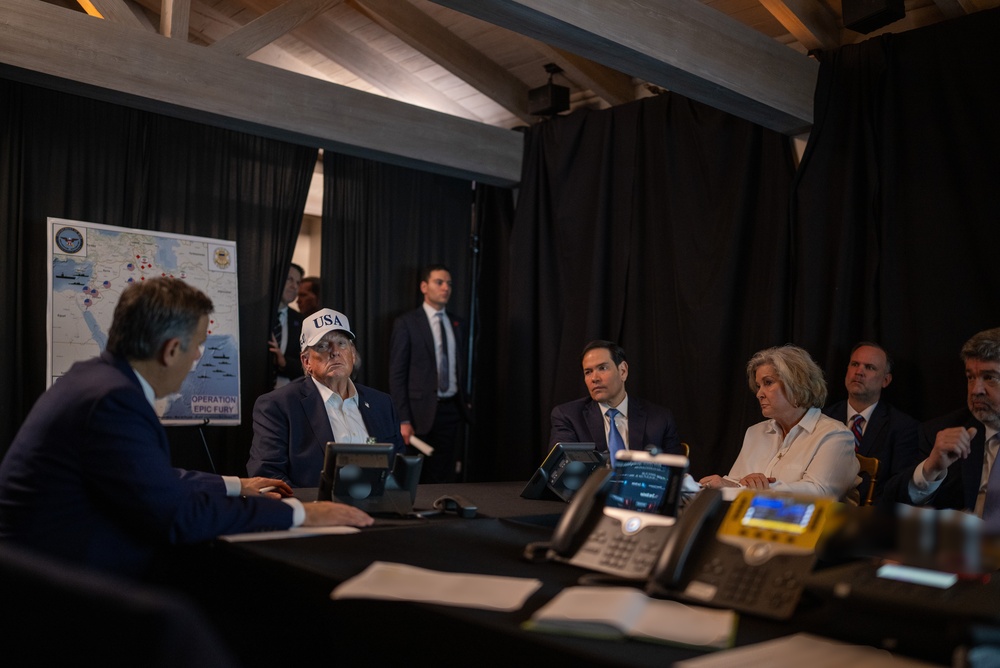
Iran did not just say no, it tried to flip the balance of power
Iran’s response was not framed as a minor objection or a request for technical revisions. According to the reports, “Iran completely rejected President Trump’s 15-point peace plan on Wednesday — and put forth its own maximalist demands to end the war.” That wording matters because it captures how dramatically Tehran appears to have shifted the conversation. Instead of operating inside Washington’s preferred framework, Iranian power centers effectively answered by setting terms that would force the United States and its regional allies to concede far more than any realistic cease-fire deal would likely allow.
Among the most explosive reported demands was the insistence that Iran should have full authority over the Strait of Hormuz. Iran wanted to “rule over the Strait of Hormuz and ensure its safety, along with that of its terror proxies abroad.” That is not a routine negotiating ask. The Strait of Hormuz is one of the world’s most important energy chokepoints, and control over it carries implications not only for Iran and the Gulf states, but for oil markets, global shipping, military deterrence, and the economic stability of countries far beyond the region. For Iran to push for a role that expansive is effectively to say that any post-war order should acknowledge Tehran not as a contained adversary, but as a dominant regional gatekeeper.
That is why the response landed as such a dramatic escalation in political terms. Iran was not merely trying to salvage dignity after rejecting a US-backed proposal. It was signaling that if Washington wanted an end to the confrontation, then the price should be strategic concessions on a scale that would fundamentally alter the security architecture of the Gulf. Whether those demands were intended as genuine negotiating positions or as hardline theater, they made one thing obvious: Tehran was not prepared to publicly accept a settlement that looked like capitulation.
The Revolutionary Guard appears to be shaping the real message
One of the most revealing parts of this entire episode is that the loudest signals coming out of Iran do not appear to reflect cautious diplomacy, but hardline power politics. According to the reports, “The Islamic Revolutionary Guard Corps, which has consolidated power within the remains of Tehran’s regime, vowed to keep the war going until the US closed all American bases in the Gulf and provided reparations for its attacks on Iran.” That is a striking quote because it shows how far beyond the nuclear file this confrontation has now moved. Once demands start including military withdrawal, compensation for strikes, and expanded regional control, the conflict is no longer just about uranium enrichment or inspections. It becomes a broader fight over humiliation, deterrence, and who gets to define the post-conflict order.
That also tells us something important about who may actually be driving Iran’s posture right now. In moments of crisis, formal diplomacy often matters less than the internal balance of power between civilian institutions and security organs. If the IRGC and associated hardliners are setting the tone, then any talk of compromise becomes much harder because they are not negotiating from the same incentives as technocrats or diplomats. Their priority is not simply economic recovery or sanctions relief. It is regime survival, ideological consistency, and preserving the image that Iran cannot be bullied into strategic retreat even after taking serious military damage.
There is also a domestic audience to all of this. Maximalist demands can serve as internal political armor. By making their asks so large and so defiant, Iranian hardliners can tell supporters that they did not bend after US pressure, Israeli attacks, or international isolation. That matters in any authoritarian or semi-authoritarian system where the perception of strength is often treated as a political necessity. Even if some officials privately understand that these demands are unrealistic, publicly staking them out can still be useful because it reframes rejection not as diplomatic failure, but as proof of resistance.
The old framework was already difficult before the war changed everything
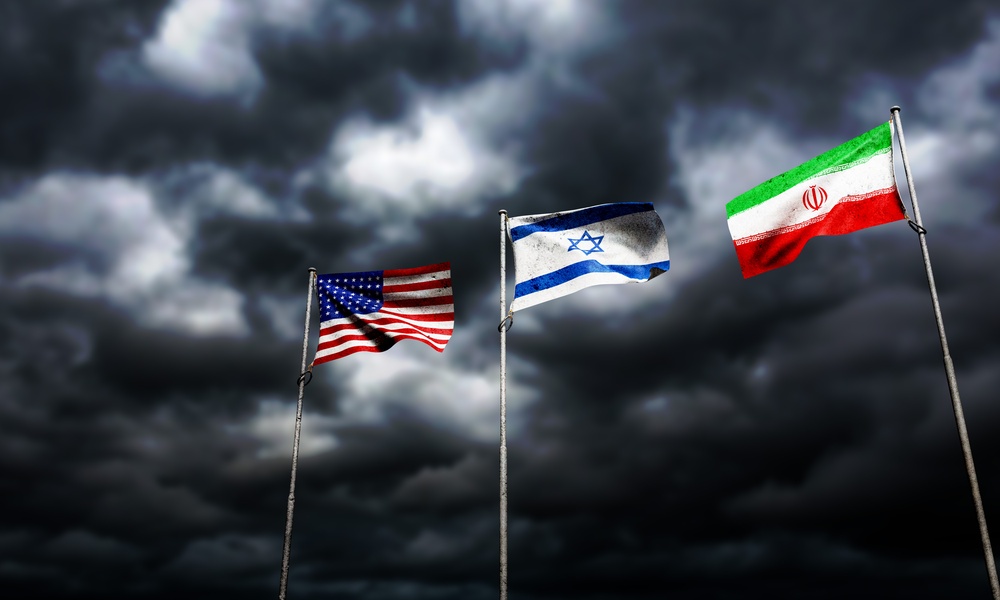
Even before this latest collapse, the underlying 15-point structure appears to have been hard for Iran to accept. According to the reports, the original US term sheet reportedly proposed that “all uranium stockpiles would be shipped out of Iran immediately as well as down-blended to 3,67%.” It also said “all its enrichment facilities would be made unusable within a month and centrifuges would be rendered inoperable.” Those are not small confidence-building measures. They are sweeping restrictions that go to the heart of what Iran has long treated as both a strategic deterrent and a symbol of national sovereignty.
It also notes that the plan would only have lifted nuclear-related sanctions rather than the full web of sanctions affecting Iran, and it reportedly included restrictions on how released funds could be used. From Tehran’s perspective, that would have looked like a deeply uneven bargain: dismantle leverage, surrender nuclear infrastructure, and still remain trapped under a sanctions architecture that limits economic breathing room and political flexibility. For any Iranian leadership, but especially one under pressure from hardliners and military factions, that is an extraordinarily difficult package to sell domestically.
What makes the current moment even more unstable is that the war has expanded the list of issues far beyond the nuclear program itself. It points out that any future negotiations would likely have to include questions about military non-aggression, the Strait of Hormuz, regional guarantees, and the broader fallout from recent attacks. In other words, the diplomacy has become harder, not easier. A framework that was already controversial before direct confrontation now has to carry the weight of mistrust, battlefield damage, political humiliation, and regional fear all at once.
Why this matters far beyond Trump and Iran
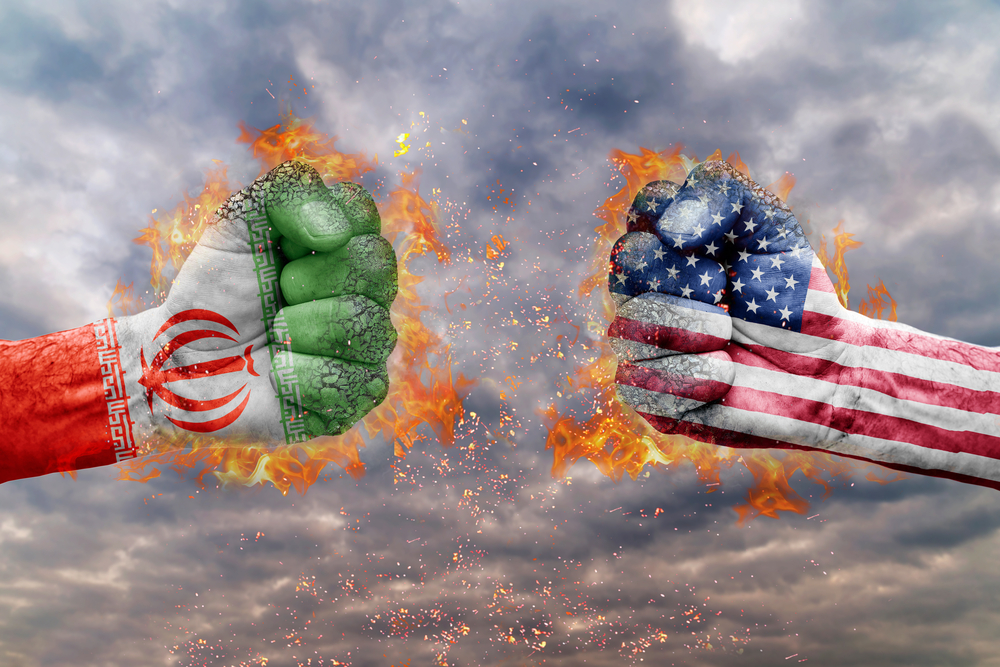
This story may be framed through Trump’s language and Iran’s rejection, but the stakes are much wider than a clash between two governments trading threats and demands. Any serious instability around the Strait of Hormuz immediately becomes a global issue because so much of the world’s oil and shipping passes through it. Even the perception that Iran might move toward more aggressive control or disruption can send warning signals through energy markets, insurance sectors, and allied governments that are already trying to avoid another major Middle East shock.
There is also the question of what America’s allies and partners are supposed to do with a situation like this. Gulf states want calm, but they do not want Iran emerging from the crisis with more strategic legitimacy. European allies may support diplomacy in principle, but not necessarily every military or political tactic used to get there. Meanwhile, regional actors are all trying to read the same uncertain signals: is Washington actually seeking a deal, or just trying to buy time and project confidence while retaining the option to escalate later? That uncertainty is dangerous in itself because it increases the chance that one side misreads messaging as policy.
The bigger lesson here is that cease-fire politics often sound cleaner in headlines than they do in reality. Trump may have wanted to present a moment of control. Iran may have wanted to present a moment of defiance. But what the public is really seeing is a familiar and unsettling pattern: leaders using diplomacy as part of a broader contest for image, leverage, and survival while the actual path to de-escalation keeps getting narrower. And when negotiations start becoming public performances of dominance rather than serious attempts at compromise, the risk is not just that talks fail. The risk is that everyone keeps pretending they still have more control over the next move than they actually do.

This looks less like peace talks and more like a warning shot
At face value, the collapse of Trump’s proposed framework and Iran’s sweeping counter-demands might look like just another failed round of high-stakes diplomacy in a region that has seen many of them before. But the tone of this exchange suggests something more serious. Trump appears to have wanted a narrative of progress, perhaps to steady nerves and project command. Iran, especially through its hardline power centers, appears to have wanted the opposite effect: to show that it would not emerge from this confrontation weakened, humbled, or boxed into an American-scripted outcome.
That is why the language on both sides matters so much. Trump’s “15 points of agreement” was the language of confidence and impending resolution. Iran’s answer was the language of strategic reversal. It effectively said that if the US wants calm, then Washington must pay for it politically, militarily, and symbolically. That is not how conflicts wind down smoothly. It is how they enter the dangerous phase where every message is also a test of who blinks first.
For ordinary readers watching this from afar, the most important takeaway is not whether one side “won” this latest exchange. It is understanding how fragile situations like this really are once public rhetoric overtakes practical diplomacy. Peace plans can be announced in a sentence. Rejection can arrive just as fast. But the consequences of that collapse are always much harder to contain, especially when oil routes, military alliances, domestic politics, and national pride are all tied to the same unresolved fight.