
Your cart is currently empty!
Can Yaks Help Repair Nerve Damage in MS?

It’s not often that an animal living quietly in the mountains becomes part of a medical breakthrough. But that’s exactly what’s happening with yaks.
Contents
show
Scientists studying these high-altitude animals have found something unusual. Yaks carry a genetic trait that seems to help repair myelin, the protective coating around your nerves. This is a big deal because in multiple sclerosis (MS), that coating is damaged, which disrupts how your brain communicates with your body.
For people living with MS, this damage can affect almost every part of daily life, from walking and balance to memory and focus. Most current treatments try to slow the disease down. They help reduce flare-ups but do not fully repair the damage that has already happened.
How MS Disrupts Your Nervous System
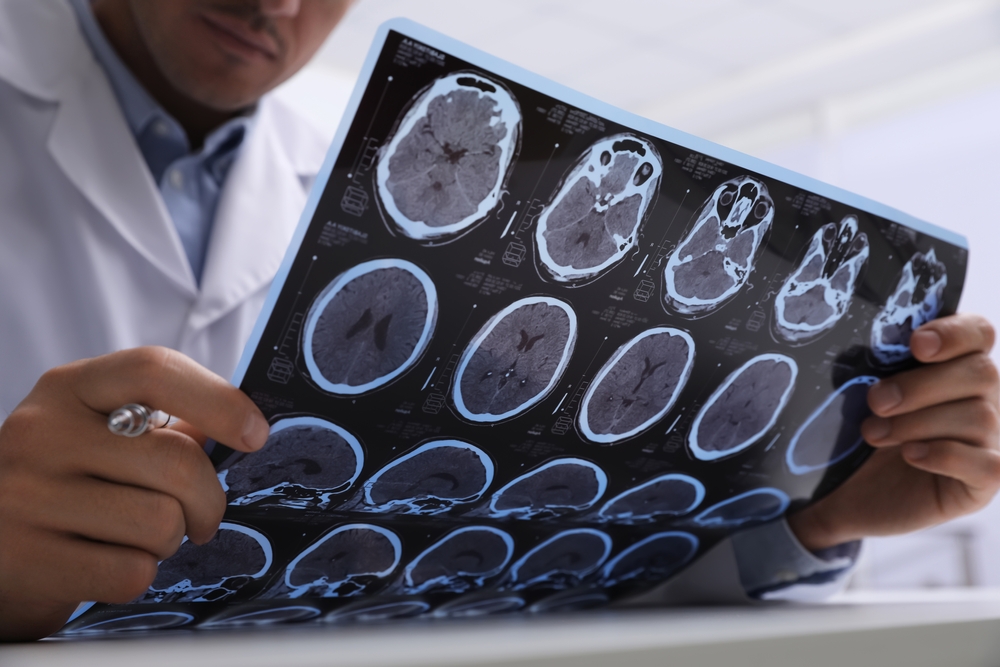
To understand why this matters, you need to know what myelin does.
Myelin is a fatty layer that wraps around your nerve fibers. It helps electrical signals move quickly and smoothly between your brain and the rest of your body. You can think of it like insulation on a wire. When the insulation is intact, everything works efficiently. When it is damaged, signals become weak or unreliable.
In multiple sclerosis, your immune system mistakenly attacks this protective layer. Over time, this creates scar tissue and slows down communication between nerves.
This is why MS symptoms can vary so much from person to person. Some people may feel constant fatigue, while others struggle with balance, vision, or coordination. In some cases, symptoms come and go. In others, they gradually worsen.
Your body does try to repair myelin using special cells called oligodendrocytes. These cells are responsible for producing and maintaining the myelin sheath. The problem is that in MS, this repair system does not keep up with the damage. Either the process is too slow, or it stops working as well over time.
That is why researchers are looking for ways to boost this natural repair process instead of only focusing on stopping the immune attack.
Could a Yak’s Genetic Quirk Help Humans Heal?

Yaks have evolved in some of the toughest environments on Earth. They live in cold, high-altitude regions where oxygen levels are low and conditions are harsh. Over generations, their bodies have adapted in ways that help them survive.
During recent research, scientists found that yaks have a unique genetic mutation that seems to improve how their bodies repair myelin. This mutation affects how certain cells in the nervous system behave, especially the ones responsible for rebuilding nerve coverings.
In yaks, these repair cells appear to work more efficiently. They are better at restoring damaged myelin, which may help protect their nervous system under stressful conditions.
This discovery is interesting because it shows a natural example of strong nerve repair. Instead of creating something artificial, scientists are observing a process that already exists in nature.
The next step is understanding exactly how this mutation works and whether it can be applied to human health in a safe way.
How This Discovery Could Change MS Treatment in the Future

Right now, most MS treatments focus on controlling the immune system. They aim to reduce inflammation and prevent further damage to myelin. While this is helpful, it does not fully restore what has already been lost.
The yak discovery introduces a new possibility. Instead of only slowing the disease, future treatments might help repair nerve damage.
If researchers can learn how to activate similar processes in humans, it could lead to treatments that:
- Help the body produce new myelin
- Support faster repair of damaged nerves
- Improve how the brain and body communicate
This could mean better mobility, clearer thinking, and improved quality of life for people with MS.
However, it is important to stay realistic. Turning a discovery like this into a treatment takes years of research. Scientists need to test how these mechanisms work in humans and make sure they are safe.
Even so, this finding adds something valuable. It shows that repair is possible, at least in certain conditions. That alone shifts how researchers think about treating neurological diseases.
Supporting Your Brain and Nerves Through Daily Habits

While science continues to move forward, there are still ways you can support your nervous system right now.
Your body already has the ability to repair and maintain itself. The goal is to support those processes through everyday choices.
Here are a few simple ways to care for your brain and nerves:
1. Focus on whole foods: Eating natural, nutrient-rich foods gives your body the building blocks it needs for repair. Healthy fats, especially from sources like fish, nuts, and seeds, are important for brain health.
2. Reduce inflammation: Chronic inflammation can make it harder for your body to heal. Limiting processed foods and added sugars can help keep inflammation under control.
3. Support gut health: Your gut and immune system are closely connected. A healthy gut can help regulate inflammation, which may support better nerve function.
4. Prioritize sleep: Sleep is when your body does much of its repair work. Poor sleep can slow down recovery and affect brain function.
5. Manage stress: Long-term stress can affect both your immune system and your brain. Simple habits like walking, breathing exercises, or spending time in nature can help lower stress levels.
These steps are not a replacement for medical care, but they can support your overall health and may help your body function more efficiently.
Why Nature Continues to Inspire Medical Discoveries

This discovery is a reminder that answers to complex health problems are not always found in a lab. Sometimes, they come from observing how nature works.
Animals have developed unique traits over time to survive in their environments. These traits can offer clues about how the body handles stress, repairs damage, and maintains balance.
In the case of yaks, a genetic adaptation that helps them survive harsh conditions may also provide insight into repairing human nerve damage.
At the same time, every discovery needs careful study. What works in one species does not always work the same way in another. Researchers must take the time to understand the full picture before applying these findings to human health.
Still, discoveries like this expand our understanding and open new doors for future treatments.
A New Direction for Brain Healing

For many years, conditions like multiple sclerosis were seen as something that could only be managed, not repaired. This new research suggests that idea may be changing.
The possibility of improving myelin repair offers a different way of thinking about brain health. Instead of focusing only on slowing damage, researchers are exploring how to rebuild what has been lost.
The yak mutation is not a cure, and it will take time before it leads to treatments. But it does show that the body may have more potential for repair than we once believed.
It also reminds us that healing is not always about adding something new. Sometimes, it is about understanding and supporting the processes that already exist.
As research continues, this discovery could help shape a future where neurological conditions are not just managed, but improved in ways we once thought were out of reach.
Sources:
- Li D, et al. A gain-of-function Retsat variant from high-altitude adaptation promotes myelination via a neuronal dihydroretinoic acid-RXR-γ pathway. Neuron. 2026.
- Xu D, et al. A single mutation underlying phenotypic convergence for hypoxia adaptation on the Qinghai-Tibetan Plateau. Cell Res. 2021;31:1032-1035.