
Your cart is currently empty!
Billionaire CEO Tim Sweeney Is Quietly Buying Forests — And Making Sure They Stay Untouched Forever
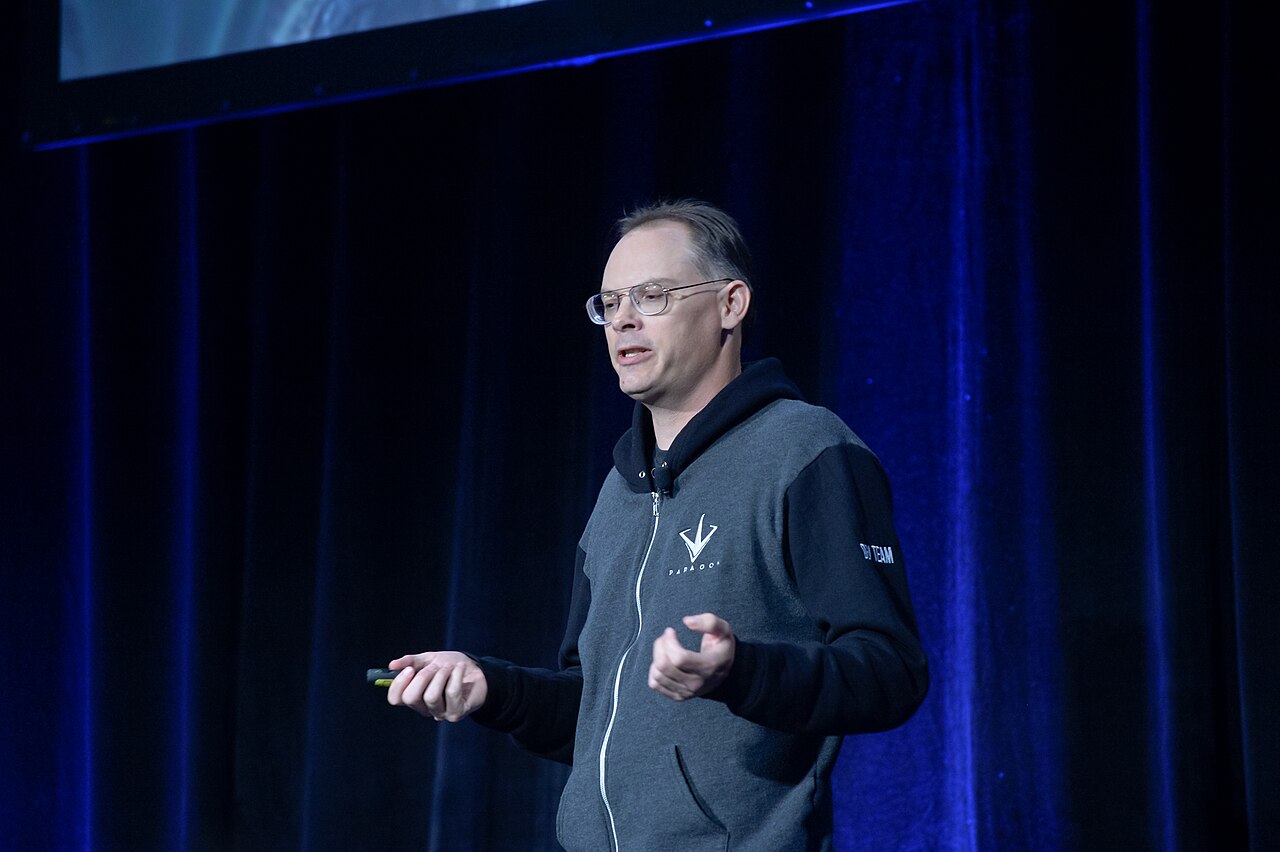
In an era where wealth often translates into visibility, from private islands and luxury yachts to ambitious ventures into space, some figures in the technology sector are charting a quieter, more enduring course. One such individual is Tim Sweeney, CEO of Epic Games, whose approach to legacy building diverges notably from the norm.
Contents
show
.jpg)
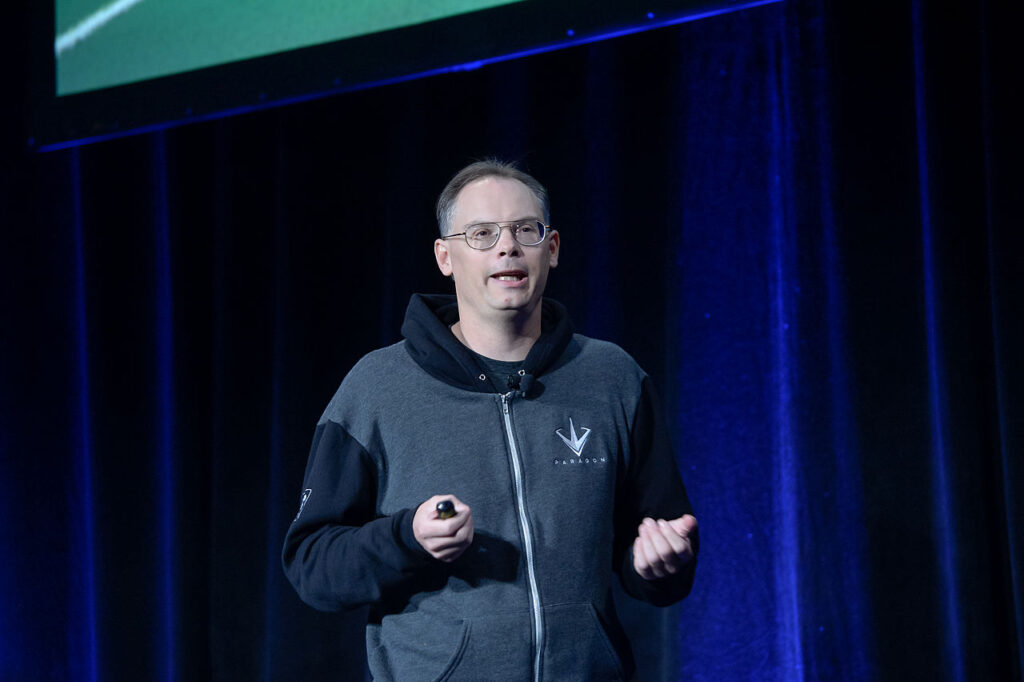
Rather than investing in high-profile assets, Sweeney has spent years acquiring vast stretches of forestland across North Carolina. His intention is neither commercial nor recreational in the conventional sense. Instead, his goal is preservation, ensuring that these natural landscapes remain untouched for generations to come.
A Different Kind of Billionaire Investment
Tim Sweeney’s financial profile is closely tied to the structure and success of Epic Games, a privately held company that has grown into one of the most influential forces in interactive entertainment. By maintaining control rather than pursuing a traditional public offering, Sweeney has retained unusual latitude in how capital is deployed, both within the company and in his personal investments. This independence has allowed him to operate outside the short-term expectations that often shape executive decision making in publicly traded firms, creating space for longer horizon strategies that are not immediately tied to quarterly performance.
Sweeney has directed a portion of his wealth toward acquiring tens of thousands of acres of forest with the explicit intention that it cannot be cleared or commercially altered. The report situates these purchases within a broader pattern of deliberate, values driven capital allocation, suggesting a consistent approach rather than an isolated initiative. Within the context of the gaming industry, where revenue is often reinvested into expansion, acquisitions, or platform competition, this form of allocation stands apart for its emphasis on permanence and restraint.
This approach also reflects how Sweeney’s role has evolved alongside the industry itself. Epic Games has transitioned from a developer into a platform and infrastructure provider supporting film, design, and virtual production workflows, placing Sweeney at the intersection of technology and creative economies. That vantage point appears to inform a broader investment philosophy that prioritizes durability and long term relevance, extending beyond digital ecosystems into real world assets that are intentionally preserved rather than transformed.
What Makes Conservation Easements So Significant
A defining feature of Sweeney’s conservation strategy is his use of conservation easements, a legal mechanism that separates ownership of land from the right to develop it. Rather than focusing on what activities are prohibited, easements are designed to bind the land itself to a set of long term conservation outcomes, typically overseen by qualified land trusts or conservation organizations. These agreements are tailored to each property and are enforceable in perpetuity, meaning their terms are upheld regardless of future ownership or market pressures.

What makes this approach particularly significant is its legal durability and adaptability within private property frameworks. Easements are recorded with the land title, creating a permanent layer of accountability that is monitored and, if necessary, legally enforced by third-party organizations. This shifts conservation from a voluntary intention into a structured obligation, ensuring continuity even as economic conditions or ownership structures change over time. It also allows landowners to retain certain rights, such as limited use or access, while still securing the ecological integrity of the property.
In this context, Sweeney’s use of easements reflects a sophisticated understanding of how conservation can be embedded into legal and financial systems rather than relying solely on personal stewardship. By leveraging established conservation law, his efforts align with broader institutional practices used by environmental organizations, effectively bridging private initiative with long standing conservation frameworks without transferring ownership or control to public agencies.
The Scale of Preservation
To date, Sweeney has conserved ~50,000 acres of forestland in North Carolina, placing his efforts within a rare tier of privately driven land conservation in the United States. Research on land use patterns and habitat fragmentation shows that large, continuous ecosystems are increasingly uncommon due to ongoing subdivision and development pressures. A peer-reviewed study available via the National Institutes of Health explains that habitat fragmentation is the process of dividing large, continuous habitats into smaller, isolated patches, a shift linked to reduced biodiversity and disrupted ecological processes.
Beyond its numerical size, the acreage represents a geographically meaningful footprint within a region experiencing steady population growth and land use change. Large contiguous tracts of protected land are increasingly difficult to assemble due to fragmentation and rising property values, making preservation at this scale both logistically complex and strategically significant. Concentrating acquisitions within a defined region contributes to landscape level continuity, a factor widely recognized as essential for maintaining ecological resilience and enabling species movement across habitats.
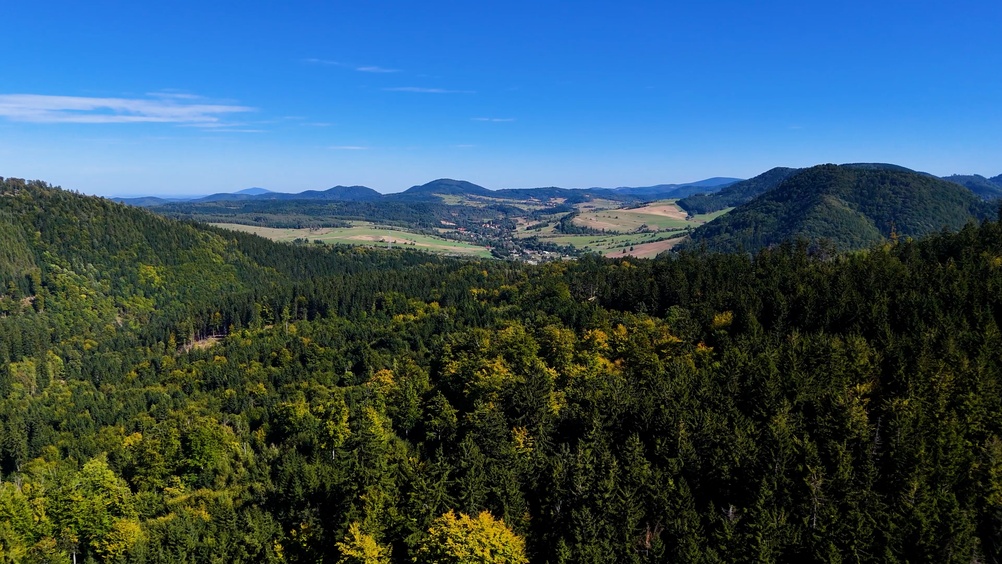
Seen in this context, the scale of Sweeney’s preservation effort reflects not only financial capacity but also a systems level understanding of conservation. It moves beyond isolated parcels toward a broader configuration of protected space, aligning with models that prioritize connectivity, long term viability, and regional coherence rather than incremental or symbolic protection.
Personal Roots Driving a Broader Mission
Sweeney’s motivations appear to be deeply personal. He grew up exploring the forests of North Carolina, experiences that shaped his appreciation for the natural world. According to the source article, he has expressed a desire to preserve the landscapes that influenced his upbringing.
This connection between personal history and environmental action is a recurring theme among conservation advocates. Early exposure to nature is often cited as a key factor in long-term environmental engagement.
In Sweeney’s case, that connection has translated into tangible, large-scale preservation efforts, an example of how individual experience can inform broader societal contributions.

A Quiet Approach in a Noisy Era
Notably, Sweeney rarely publicizes these efforts. In contrast to high-visibility philanthropy or branding-driven initiatives, his conservation work has largely remained outside mainstream attention.
This discretion aligns with a broader philosophy that prioritizes outcomes over recognition. While many high-net-worth individuals leverage philanthropy as part of their public identity, Sweeney’s approach suggests a preference for impact without amplification.
It also raises questions about how society measures influence. In an age dominated by visibility metrics, quiet, sustained efforts can often go underappreciated despite their long-term significance.
Environmental Context: Why Forest Conservation Matters
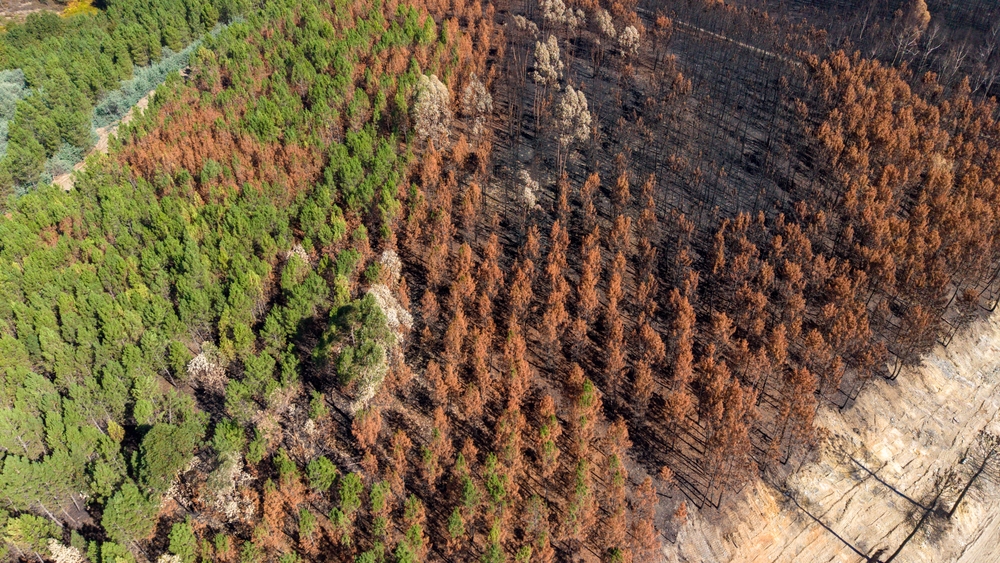
The importance of preserving forest ecosystems extends far beyond aesthetic or recreational value. Forests play a critical role in addressing some of today’s most pressing environmental challenges by acting as natural systems that regulate climate, support biodiversity, and maintain ecological balance. Their ability to absorb carbon dioxide contributes directly to climate mitigation efforts, while their complex habitats sustain a wide range of plant and animal life that depend on stable environments to survive.
Forests also serve essential functions in maintaining water quality and soil stability, helping regulate watersheds and prevent erosion through root systems that anchor the الأرض. In regions like North Carolina, where development pressures continue to expand, the preservation of intact forest systems becomes increasingly important. Private conservation efforts can serve as a crucial counterbalance, helping to protect ecological integrity in areas where land use change is accelerating.
Contrasting Models of Wealth and Legacy
Sweeney’s actions invite comparison with more conventional uses of extreme wealth. While some billionaires invest in luxury assets or high-profile ventures, others are increasingly exploring ways to create lasting societal or environmental value.
This divergence highlights an evolving conversation about responsibility and legacy in the context of wealth accumulation.
Two contrasting models emerge:
- Consumption-driven legacy: Focused on personal experience, status, or innovation-driven ambition.
- Preservation-driven legacy: Focused on protecting resources, ecosystems, or cultural heritage.
Sweeney’s work clearly aligns with the latter, emphasizing restraint and stewardship over expansion.
Lessons Beyond the Headline
While the scale of Sweeney’s efforts may be beyond the reach of most individuals, the underlying principles offer broader relevance. His approach underscores the importance of long term thinking, particularly in how present day decisions can shape environmental and societal outcomes for future generations. It also highlights the idea that meaningful contributions do not necessarily require visibility, as impact can be sustained and significant even without public recognition.
At the same time, his actions illustrate how personal values can translate into broader influence when applied consistently over time. Early experiences and deeply held priorities often shape the kinds of decisions individuals make when given the opportunity to act at scale. In this case, those influences appear to have guided a sustained commitment that extends well beyond conventional expectations of wealth.

These insights resonate beyond environmental conservation, offering a framework for how individuals, regardless of resources, can approach impact in their own contexts. Whether through professional choices, community involvement, or personal advocacy, the underlying principle remains the same: that deliberate and values driven decisions can contribute to outcomes that extend far beyond immediate visibility.
Redefining What It Means to Invest
Tim Sweeney’s approach to wealth challenges conventional narratives about success and influence. By directing substantial resources toward the preservation of natural landscapes, he demonstrates an alternative model—one rooted in continuity rather than consumption.
In doing so, he not only safeguards thousands of acres of forest but also contributes to a broader rethinking of how value is defined and measured. His work serves as a reminder that some of the most meaningful investments are those that ensure something remains, rather than something new being built.
As conversations around sustainability and environmental responsibility continue to evolve, examples like Sweeney’s offer a compelling perspective: that preservation, in itself, can be a powerful form of progress.
Featured Image from Official GDC, CC BY 2.0, via Wikimedia Commons
.jpg)