
Your cart is currently empty!
Ancient Monastery Dating to the Dawn of Christianity Discovered in the Egyptian Desert

What drives a person to leave civilization behind and walk into the unforgiving Egyptian desert? For centuries, the sands of Wadi El-Natrun have hidden the answer within the ruins of a newly unearthed fourth-century Christian monastery. This remarkable archaeological breakthrough is more than just a collection of ancient mud-bricks and artifacts.
Contents
show
It provides a profound look at the origins of extreme isolation and the intense human desire to seek clarity in the harshest of environments. Uncovering how these early desert dwellers balanced grueling survival with their need for absolute stillness offers a surprising perspective on navigating the overwhelming noise of the modern world.
A Fourth-Century Retreat from Chaos
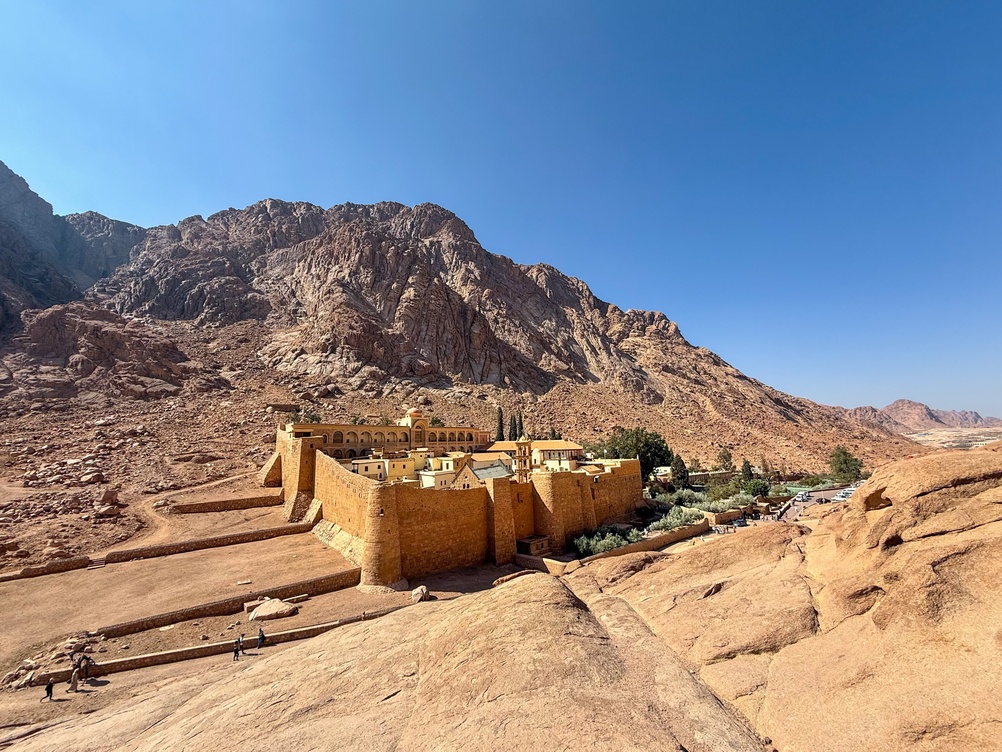
Deep in Egypt’s Wadi El-Natrun desert, archaeologists have uncovered an ancient monastery dating back to the fourth century. This recent discovery offers a concrete look at the early days of Christian monasticism. It shows exactly how early monks lived when they chose to leave busy society behind for a life of complete physical isolation.
Wadi El-Natrun, historically known as the Nitrian Desert, is famous as a birthplace for ascetic living. The newly found ruins give researchers a clear picture of what daily life required in such an unforgiving environment. It took immense dedication to build a community focused on prayer and survival in the middle of a barren landscape.
Today, the motivations of these ancient monks feel surprisingly relevant. In a world full of constant notifications, digital noise, and demanding schedules, the idea of retreating to a quiet place is very appealing. The people who settled in Wadi El-Natrun were not just running away from their daily lives. They actively carved out a space for quiet reflection and intentional living. Their pursuit of solitude points to a basic human need to unplug from external distractions to find mental clarity. The surviving walls in the sand remind modern society that taking a step back to breathe and reflect has always been incredibly valuable.
Balancing Isolation and Community
The physical layout of the newly unearthed monastery reveals a fascinating approach to human connection. Archaeologists mapping the site found a deliberate mix of private and shared spaces. The ruins include individual living quarters, known as cells, built alongside communal areas like a central dining hall and a church.
This architectural design highlights a crucial lesson about human nature. Even in a place dedicated to extreme isolation, the early monks recognized that complete separation from others is nearly impossible to sustain. They needed a support system to survive the harsh desert conditions and to maintain their mental well-being. The individual cells provided the necessary quiet for personal reflection, while the shared spaces offered a safety net of fellowship and mutual aid.
Modern life requires a similar balance. People often struggle between the desire for personal space and the need to feel connected to a group. The structure of this ancient community demonstrates that boundaries and shared experiences can coexist successfully. Creating dedicated time for personal growth is important, but having a supportive network prevents that solitude from turning into loneliness. The careful planning of these desert buildings proves that understanding when to retreat and when to reach out is a practice that spans centuries.
Surviving on Almost Nothing
Archaeologists excavating the site did not just find empty rooms. They uncovered everyday items like clay pots, basic tools, and fragments of ancient writings. These artifacts shed light on the intense physical demands of desert life. Surviving in such a harsh climate required remarkable resilience and adaptability. Every drop of water and piece of food had to be carefully managed.
This focus on basic necessities offers a stark contrast to modern consumer habits. The monks lived with only what they needed to survive and practice their faith. Their daily routines were likely filled with hard physical labor just to maintain their settlement. Yet, this challenging lifestyle fostered a deep sense of inner strength.
There is a practical lesson here for personal development. When people face difficult circumstances or strip away excess material possessions, they often discover an unexpected capacity for endurance. The artifacts from the Egyptian desert prove that human beings can adapt to extreme challenges. Building resilience does not always mean facing a physical desert. It often involves simplifying life, focusing on essential needs, and learning to find stability when external conditions are tough. The physical endurance of these early settlers serves as a powerful example of human grit.
How Hardship Preserves What Matters

It is fascinating that the very environment that made life so difficult for the early monks is exactly what saved their legacy. The dry climate and shifting sands of the Egyptian desert acted like a massive natural time capsule. By burying the monastery, the harsh landscape protected the fragile mud-brick walls and artifacts from weather and human interference for well over a thousand years.
This natural preservation offers a strong lesson in personal development. Often, the hardest periods in life force individuals to drop superficial worries and protect what truly matters. Just as the heavy desert sands shielded the ancient buildings, going through difficult times can actually solidify a person’s core character.
When facing a tough season, it is easy to view the struggle only as a negative force. However, enduring a harsh environment can clarify and protect a person’s most authentic self. The ruins in Wadi El-Natrun stand as physical proof that surviving a difficult landscape can leave behind a foundation strong enough to withstand the test of time.
Carving Out a Modern Sanctuary
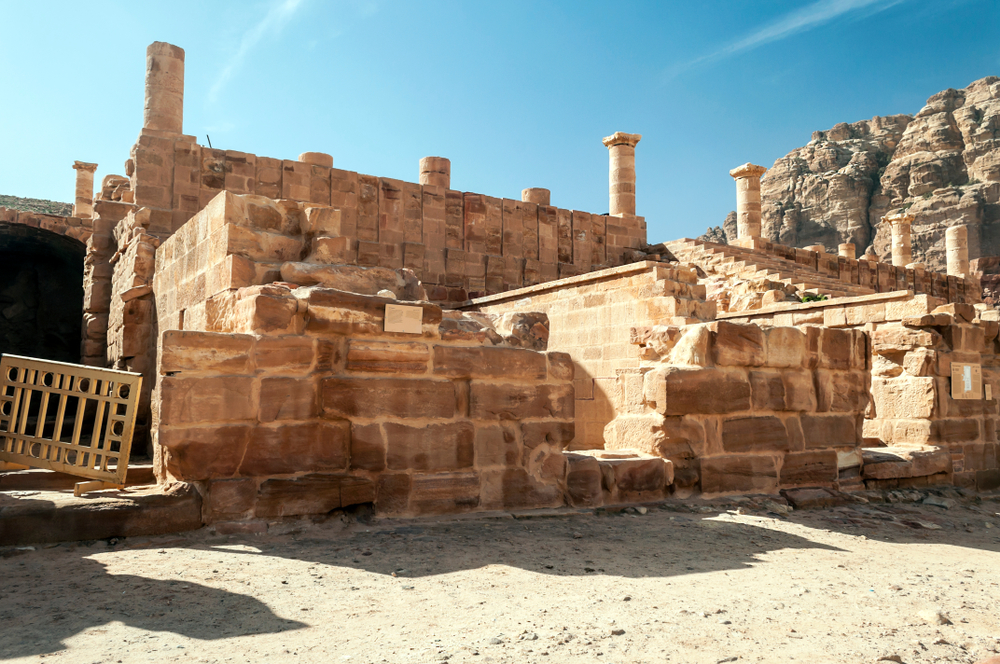
The discovery in Wadi El-Natrun offers more than just historical facts. It provides a practical blueprint for finding peace in a chaotic world. While relocating to a harsh desert is not feasible today, the core principle remains highly relevant. Everyone can benefit from creating a personal space for quiet reflection.
The challenge is to build a modern sanctuary within a busy routine. This might involve turning off all digital devices for thirty minutes, finding a silent corner in a bustling house, or taking a solitary walk without any audio distractions. Stepping away from constant demands allows the mind to truly rest. The ancient monks understood that profound clarity requires intentional silence.
Taking inspiration from those early desert dwellers can transform a stressful schedule. Individuals can start by setting aside just fifteen minutes of unbroken quiet each day. Use that dedicated time to simply exist, breathe, and let go of external pressures. The ancient ruins hidden in the Egyptian sand serve as a lasting reminder. True mental clarity is rarely found by adding more tasks to a schedule, but rather by occasionally choosing to step entirely away.