
Your cart is currently empty!
Donald Trump Height Debate Resurfaces After Meeting Dutch King
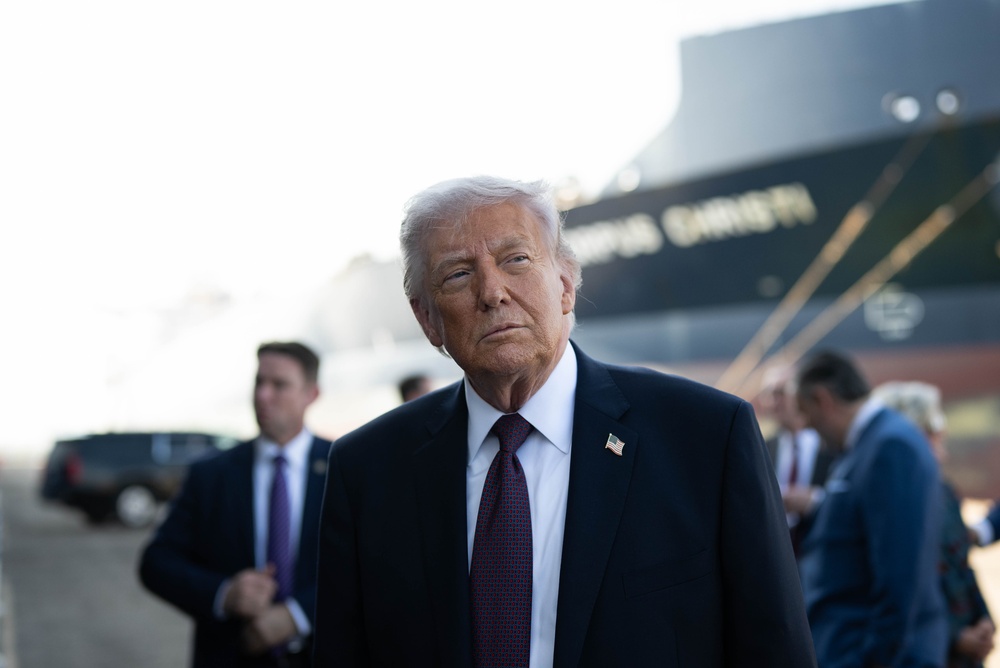
The image looked ordinary at first glance. A diplomatic meeting, a formal pose, four high profile figures standing side by side at the White House. Yet within hours, the photograph had gone viral across social media and news platforms.
Contents
show
What caught the public’s attention was not policy, nor diplomacy, nor even the broader geopolitical context of the visit. Instead, it was a visual detail that seemed small but carried surprising weight. Observers noticed that Trump appeared shorter than the Dutch king, despite both being officially listed at roughly the same height.
The moment quickly evolved from a passing observation into a widespread debate. It touched on more than just physical stature. It opened conversations about image, credibility, aging, and how leaders are perceived in a world where visuals often travel faster than facts.
A Photo That Sparked Global Curiosity
The photograph was taken during an official White House visit on April 14, when the Dutch royal couple arrived for a formal dinner and overnight stay. The visit itself carried diplomatic importance. It was part of a broader effort to reinforce ties between the United States and the Netherlands during a time of geopolitical tension.
Yet the visual composition of the image drew immediate scrutiny. Trump appeared to be standing slightly ahead of the others, a positioning choice that can subtly influence how height and presence are perceived. Even with that advantage, he still looked noticeably shorter than Willem-Alexander.
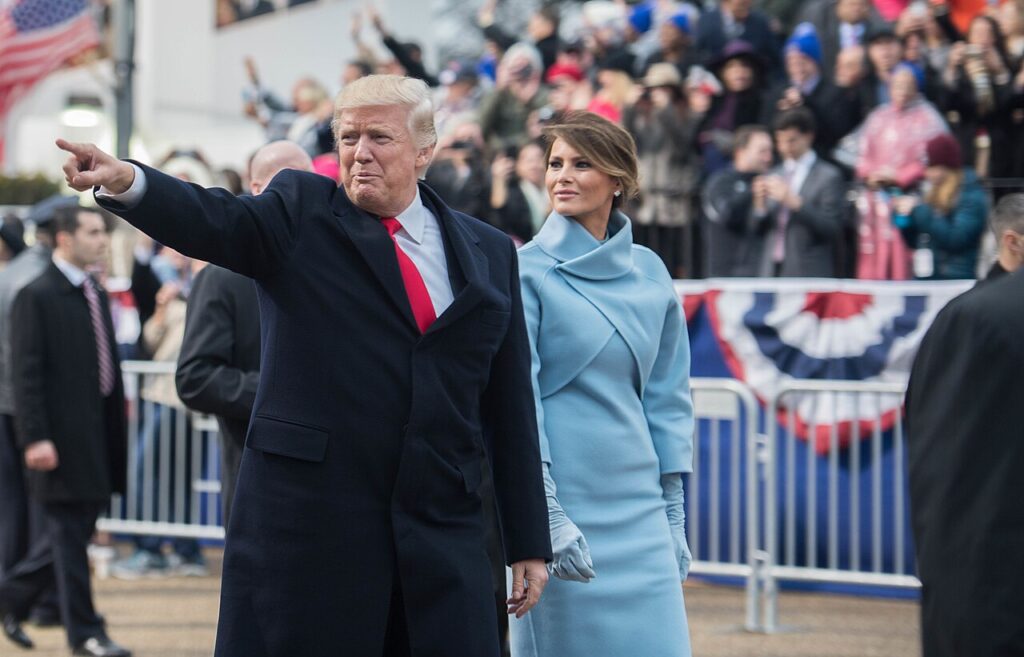
Reports from multiple outlets noted that the difference appeared to be around two to three inches. This stood in contrast to official records. Trump has consistently maintained that he is 6 feet 3 inches tall, a figure supported by recent White House medical evaluations. The Dutch king is also widely reported to be between 6 feet 2 inches and 6 feet 3 inches.
If both measurements were accurate, the two men should have appeared nearly identical in height. The image suggested otherwise.
The Power of Visual Perception in Politics
In modern politics, images are rarely just images. They become symbols, talking points, and sometimes even evidence in broader narratives.
Analysts cited in coverage of the moment noted that physical presentation has long played a role in how leaders are perceived. Height in particular has historically been associated with authority, strength, and leadership. While these associations are not always rational, they remain deeply embedded in public psychology.
This is not unique to Trump. Across decades, political figures have carefully managed how they appear in photographs and on stage. Camera angles, posture, footwear, and positioning are all part of a subtle but deliberate effort to project presence.
In this case, the decision to stand slightly forward may have been an attempt to control perspective. It is a well known photographic technique. However, the strategy appeared to have limited effect once the image was widely shared and closely analyzed.
The result was a renewed focus on Trump’s physical profile, something that has been discussed intermittently throughout his public life.
A History of Conflicting Records
The debate over Trump’s height did not begin with this photograph. It has surfaced multiple times over the years, often fueled by discrepancies in official and unofficial records.
White House medical reports, including one released in April 2025, list Trump at 75 inches, which translates to 6 feet 3 inches. These evaluations are generally considered among the more reliable sources, as they are conducted in controlled medical settings.
However, other records have told a slightly different story.
Documents from legal proceedings in 2023 listed his height as both 6 feet 2 inches and 6 feet 3 inches, depending on the jurisdiction. Earlier records, including a New York driver’s license from 2016, also listed him at 6 feet 2 inches.
These variations may seem minor, but they have contributed to ongoing public skepticism. When combined with visual evidence like the recent photograph, they tend to reignite discussion.
Experts caution that not all records carry equal weight. Booking data, for example, often relies on self reported information and may not involve precise measurement. Even so, the existence of multiple figures creates space for interpretation and debate.
The Role of Age and Physical Change
One of the more grounded explanations for the perceived height difference lies in the natural aging process.
Trump, who is approaching 80, falls within an age range where gradual height reduction is common. Medical research shows that people can begin losing height as early as their forties, with an average decline of about half an inch per decade.
Several biological factors contribute to this change.
Spinal discs, which act as cushions between vertebrae, tend to lose moisture and thickness over time. This can lead to a measurable decrease in overall height. Bone density can also decline, particularly in conditions like osteoporosis, causing vertebrae to compress.
Muscle loss, known as sarcopenia, can affect posture. As core strength diminishes, individuals may develop a slight forward lean, which further reduces apparent height. Even changes in foot structure, such as the flattening of arches, can play a role.
Medical experts note that while some height loss is normal, more significant reductions may indicate underlying health issues. The Cleveland Clinic has suggested that losing between two and four inches is not typical and may warrant further evaluation.
At the same time, lifestyle choices can influence how much height is retained. Regular exercise, especially resistance training and weight bearing activities, can help maintain bone strength and posture. Adequate nutrition, including sufficient protein, calcium, and vitamin D, also plays a role.
These factors provide a possible explanation for why someone who was once measured at a certain height might appear slightly shorter years later.
A Diplomatic Moment Overshadowed
The attention on Trump’s height has, to some extent, overshadowed the broader significance of the Dutch royal visit.
Willem-Alexander and Máxima’s trip to the United States was part of a three day diplomatic mission aimed at strengthening economic, cultural, and security ties. The visit included stops in multiple cities and discussions on shared interests.
The timing of the meeting added further complexity. It took place against a backdrop of heightened geopolitical tension, including ongoing conflicts and debates over NATO’s role in global security.
Trump has previously made controversial remarks about NATO, including suggestions that the United States might reconsider its commitment to the alliance. Hosting a key European ally in this context carried symbolic weight.
The Dutch royal household emphasized the importance of transatlantic cooperation in a public statement, highlighting shared history and mutual interests. Their message focused on stability, partnership, and long term collaboration.
Yet despite these intentions, public attention drifted toward the viral image. It is a reminder of how easily the narrative around a major diplomatic event can shift in the digital age.
Image, Identity, and Public Trust

The renewed focus on Trump’s height also intersects with broader discussions about image management and credibility.
Throughout his career, Trump has placed significant emphasis on personal branding. From business to politics, presentation has been a central element of his public persona.
In this context, even small discrepancies can take on larger meaning. For critics, the difference between 6 feet 2 inches and 6 feet 3 inches becomes symbolic of a wider pattern of exaggeration. For supporters, it may be seen as trivial, a distraction from more substantive issues.
Analysts suggest that these debates persist because they tap into deeper questions about authenticity. In an era where information is constantly scrutinized, consistency becomes a form of credibility.
At the same time, it is important to recognize the limits of visual interpretation. Photographs can be misleading. Angles, footwear, posture, and camera positioning can all affect how height appears. A single image rarely provides definitive proof of anything.
Still, when an image aligns with existing doubts or narratives, it can reinforce them in powerful ways.
Why Moments Like This Go Viral

The rapid spread of the photograph reflects the nature of modern media consumption. There are several reasons why this particular moment captured widespread attention.
First, it involves recognizable figures. Trump remains one of the most closely watched political leaders in the world, while Willem-Alexander represents a prominent European monarchy.
Second, the visual contrast is easy to understand. Viewers do not need detailed context to notice a height difference. It is immediately accessible.
Third, it connects to an existing narrative. The topic of Trump’s height has surfaced before, making the image feel like part of an ongoing story rather than an isolated moment.
Finally, it offers a blend of seriousness and curiosity. It sits at the intersection of politics, human interest, and light intrigue, which often drives engagement.
Social media platforms amplify these dynamics. Once a topic begins trending, it can quickly move from niche discussion to global conversation.
A Small Detail With Larger Implications
At its core, the debate over Trump’s height is not just about inches. It reflects how modern audiences interpret leadership through both facts and visuals.
In earlier eras, such a detail might have gone unnoticed or remained a minor footnote. Today, high resolution images and instant sharing mean that every aspect of a public figure can be examined in real time.
This level of scrutiny has both advantages and drawbacks. On one hand, it promotes transparency and accountability. On the other, it can shift focus away from more substantive issues.
The challenge lies in maintaining perspective. Physical characteristics can influence perception, but they do not define policy, decision making, or leadership outcomes.
Beyond the Frame
The viral photograph of Donald Trump and King Willem-Alexander offers a snapshot of more than just a diplomatic meeting. It captures the intersection of image, perception, and public discourse in the digital age.
While the question of Trump’s exact height may never be definitively settled in the court of public opinion, the conversation it sparked reveals something more enduring. People are paying close attention not only to what leaders say and do, but also to how they appear.
In a world driven by visuals, even the smallest details can take on outsized significance. The key is to look beyond the frame and remember the broader context in which these moments occur.
Diplomacy, policy, and global relationships continue to shape the course of events. The image may have gone viral, but the realities behind it remain far more complex.