
Your cart is currently empty!
Museum Titanic Display Suddenly Floods on Sinking Anniversary and Sparks Paranormal Talk
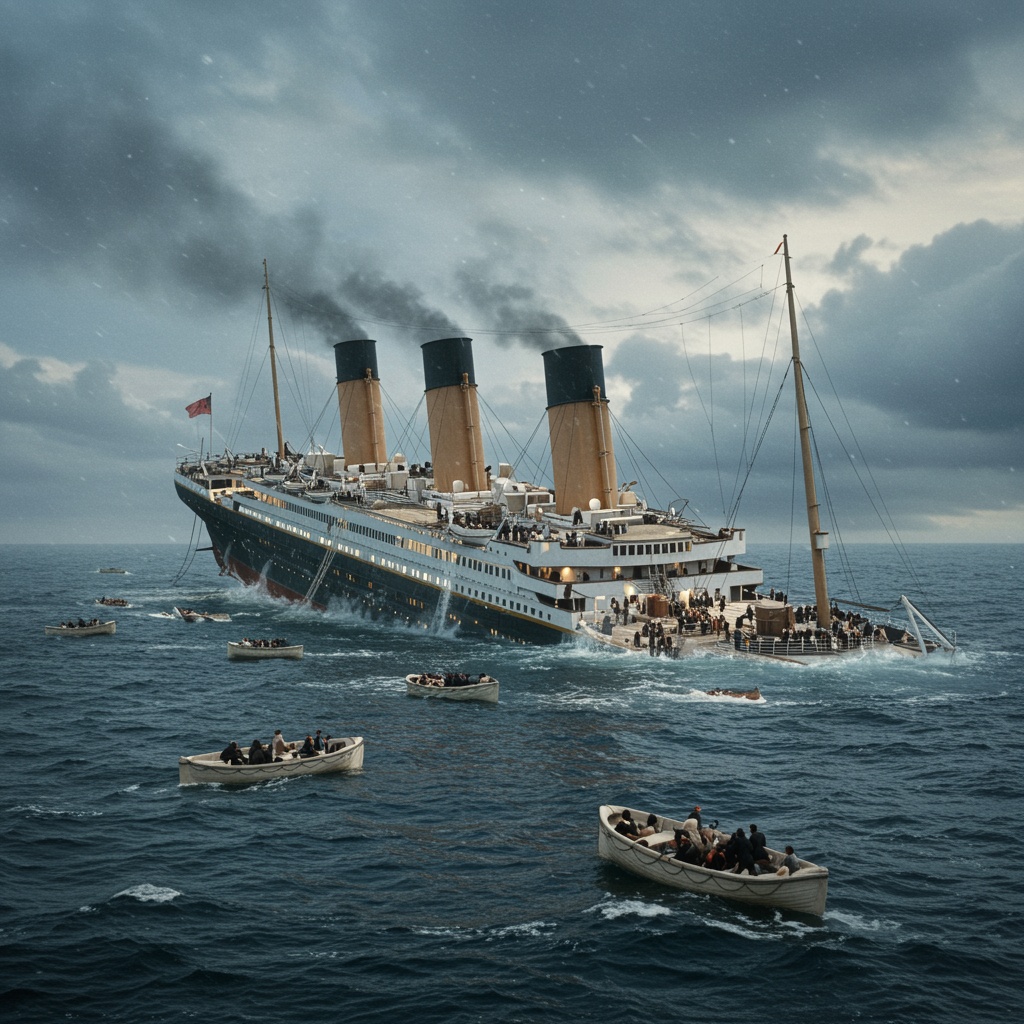
The timing alone is enough to send chills down anyone’s spine. On a day when the world quietly remembers one of history’s most tragic maritime disasters, something strange unfolded inside a museum exhibit dedicated to the Titanic. Visitors expected reflection, remembrance, and carefully preserved history, where every detail had been curated to honor the past.
Contents
show
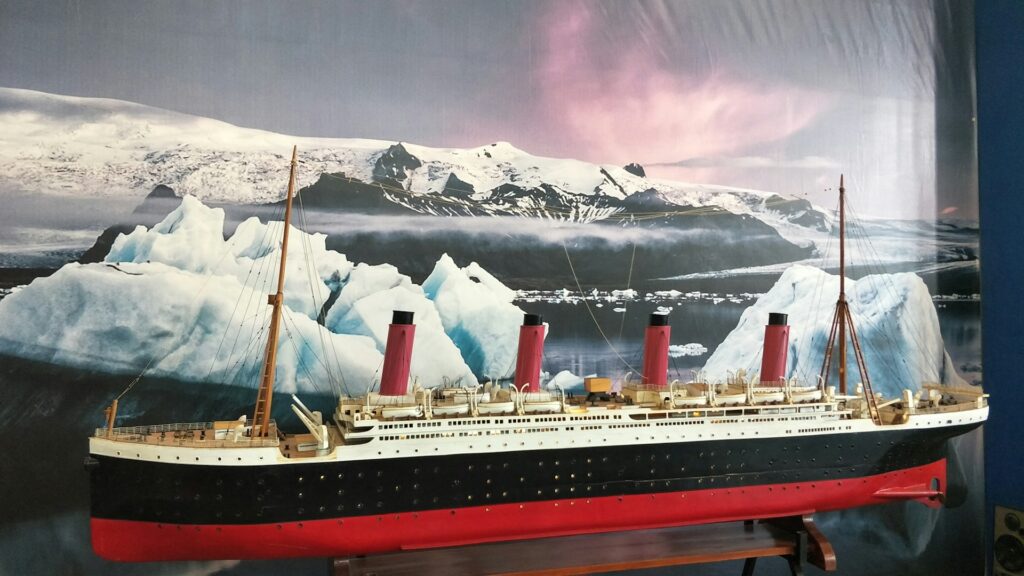
According to multiple reports, a Titanic-themed exhibit began to flood unexpectedly on the exact anniversary of the ship’s sinking. Staff members, initially confused, quickly moved to contain the situation while trying to understand what had gone wrong. But as details emerged and the timing became clear, even those working behind the scenes struggled to shake a lingering feeling that the moment carried an eerie and almost unexplainable weight.
The coincidence has since sparked intense discussion online, with stories spreading rapidly across platforms. Some observers see it as nothing more than an unfortunate but explainable mechanical failure. Others are not so sure, leaning into the emotional and symbolic connection between the historic tragedy and the modern-day incident.
A Routine Day That Took an Unusual Turn
It started like any other day at the museum, with families, history enthusiasts, and curious visitors walking through carefully curated displays. The Titanic exhibit had long been a centerpiece attraction, drawing in people eager to learn about the ship’s journey, its passengers, and the tragic fate that followed. The atmosphere was calm and reflective, designed to encourage quiet appreciation of history.
Staff members were going about their regular duties, answering questions, guiding guests, and maintaining the exhibits when something suddenly seemed off. A small amount of water began appearing in an area where it simply did not belong, catching the attention of a few employees. At first, it did not trigger immediate concern, as minor maintenance issues can occur in large buildings.
However, within a short span of time, the situation escalated in a way that no one had anticipated. What began as a subtle presence of water quickly turned into visible flooding that spread across parts of the exhibit. Employees rushed to investigate the source, unsure whether they were dealing with a plumbing issue, structural fault, or a malfunction in one of the systems supporting the display.
Visitors were gradually guided away from the affected area to ensure safety and allow staff to respond effectively. While there was no immediate danger reported, the unexpected nature of the incident created a tense and uneasy atmosphere. People whispered among themselves, some already making quiet connections to the significance of the date.
The Chilling Coincidence No One Could Ignore
April 14 and 15 mark the anniversary of the Titanic’s sinking in 1912, a tragedy that claimed more than 1,500 lives and left a lasting imprint on global history. The exhibit flooding occurred precisely during this period of remembrance, amplifying the emotional impact of what might otherwise have been dismissed as a routine maintenance issue. The timing alone was enough to make people pause and reflect.
For many, the alignment felt too precise to dismiss outright as simple chance. Staff members later admitted in interviews that the coincidence was difficult to ignore, even for those who consider themselves practical and grounded. One described the moment as “almost paranormal,” capturing the sense of unease that lingered even after the water was contained and the situation stabilized.
Visitors who learned about the connection between the flooding and the anniversary reacted strongly. Some expressed disbelief and curiosity, wanting to understand how such a thing could happen at that exact moment. Others admitted they felt genuinely unsettled, as if they had witnessed something that carried deeper meaning beyond a technical explanation.
Social media quickly amplified the story, turning it into a viral topic of discussion. Users across platforms shared the incident widely, adding their own interpretations and theories. While skeptics pointed to infrastructure issues, others leaned into the eerie symbolism, framing the event as something almost too strange to be coincidence.
What Actually Caused the Flooding?
Despite the speculation and online theories, museum officials moved quickly to identify the cause and reassure the public. Early reports indicated that the flooding was linked to a mechanical or plumbing malfunction within the building, something that can occur even in well-maintained facilities. The focus quickly shifted toward resolving the issue and preventing further damage.
Experts familiar with museum infrastructure note that older buildings, or those with complex systems, can sometimes experience unexpected failures. Pipes may weaken over time, seals can deteriorate, and even minor issues can escalate quickly if they are not immediately detected and addressed. These kinds of incidents, while uncommon, are not unheard of in large public spaces.
In this case, staff acted promptly and efficiently to control the situation. Water was contained before it could cause significant damage to valuable artifacts or exhibit structures, which was a major relief given the historical importance of the items on display. According to reports from the Daily Herald, the quick response helped minimize the overall impact.
Still, even with a logical explanation in place, the emotional reaction to the event remains strong. The human brain is naturally inclined to recognize patterns and assign meaning to events, especially when they align so closely with historical significance. This is why the story continues to resonate beyond the initial incident.
Why Moments Like This Feel So Unsettling
There is a psychological reason why events like this resonate so deeply with people across different backgrounds. When something unusual happens on a date tied to tragedy, it creates a powerful narrative connection that is difficult to ignore. The mind instinctively links the two, even when there is no direct causal relationship.
People naturally seek meaning in coincidence, a tendency known as apophenia. This cognitive pattern leads individuals to perceive connections between unrelated events, especially when those events carry emotional weight. In this case, the flooding and the Titanic anniversary combine to create a story that feels larger and more significant than coincidence alone.
Additionally, the Titanic itself holds a unique place in global memory and culture. It is not just a shipwreck or a historical event. It is a symbol of human ambition, technological confidence, and the sobering reality of vulnerability. This symbolic power amplifies any event associated with it.
When an incident like this occurs, even indirectly linked to that history, it can trigger a strong emotional response. Visitors were not just witnessing a technical issue in a building. They were experiencing a moment that seemed to blur the boundary between past and present, making history feel unexpectedly alive.
The Titanic’s Lasting Cultural Impact
More than a century after its sinking, the Titanic continues to capture public imagination in a way few historical events can. Books, documentaries, films, and museum exhibits ensure that the story remains relevant and accessible to new generations. Each retelling adds another layer to its legacy.
The ship’s story resonates because it brings together so many elements of human experience in a single narrative. There is hope, ambition, luxury, and innovation, but also class division, human error, and devastating loss. These themes make it universally compelling and emotionally powerful.
Museums play a crucial role in preserving and presenting this history. Exhibits are carefully designed not only to educate but also to honor the memory of those who lost their lives. Every artifact, photograph, and recreated environment is part of a larger effort to keep the story alive in a meaningful way.
Incidents like this unexpected flooding, while likely accidental, add another dimension to the narrative. They remind us that history is not something confined to textbooks or display cases. It continues to interact with the present in ways that can surprise and move us.
When History Feels Alive in the Present
For those who were present during the flooding, the experience was not just about water spreading across the floor. It was about the feeling that something meaningful had occurred, even if it could ultimately be explained through practical reasoning. The atmosphere in the room shifted noticeably.
Moments like these often become stories that people carry with them long after they leave the location. Visitors will likely remember not only the exhibits they saw but also how they felt when the unexpected unfolded in front of them. That emotional imprint can be powerful and lasting.
These experiences highlight the unique role that physical spaces play in shaping our connection to history. Museums are not just buildings filled with objects. They are environments where the past is brought into the present, allowing people to engage with it on a personal level.
When something unusual happens within such a space, it can feel amplified and deeply significant. The setting transforms a simple incident into something memorable, sometimes even haunting, because of the emotional context surrounding it.
References
- The Titanic Disaster | Proceedings – April 1962 Vol. 88/4/710. (2019, February 21). U.S. Naval Institute. https://www.usni.org/magazines/proceedings/1962/april/titanic-disaster
- Sinking of the R.M.S. Titanic. (n.d.). GovInfo. https://www.govinfo.gov/features/featured-content/sinking-of-titanic