
Your cart is currently empty!
1500 Beagles Finally Leave Testing Facility and Begin New Lives

It started with chaos. Tear gas drifted across open fields as police in riot gear faced off against crowds of activists outside a quiet rural facility in Wisconsin. What had once been a little-known breeding site suddenly became the center of a tense, highly charged standoff. Shouts echoed, arrests were made, and images from the scene spread rapidly, pulling national attention to a place most people had never heard of.
Contents
show
For a moment, it looked like the story would end there, locked in conflict and legal battles. But just weeks later, everything shifted. The same facility that had become a flashpoint for outrage is now at the heart of something entirely different. Instead of confrontation, it is now the starting line for one of the largest dog rescue efforts in recent memory, where hundreds of beagles are stepping out of confinement and into a future no one thought would come this quickly.
The Deal That Changed Everything
After years of pressure, negotiations quietly unfolded behind the scenes. Animal welfare groups worked toward a solution that could remove hundreds, even thousands, of dogs from a controversial breeding and research system.
That effort finally paid off.
Big Dog Ranch Rescue and the Center for a Humane Economy reached an agreement with Ridglan Farms to acquire nearly 1,500 beagles.
The price has not been disclosed, and details of the negotiations remain confidential, but the outcome is clear. Hundreds of dogs are leaving the only environment they have ever known.
“It’s a very big win and I am ecstatic to have these dogs out and get them into loving homes,” said Lauree Simmons, founder of Big Dog Ranch Rescue.
The rescue operation began almost immediately. Trucks, volunteers, and partner organizations mobilized to move the dogs across the country.
The First Moments Of Freedom

What happened next surprised even experienced rescuers.
Within hours of arriving at staging areas, many of the dogs began approaching humans on their own.
“They started within an hour or so coming up to us, wanting attention. Some crawled in people’s laps. Every single one of them are super sweet,” Simmons said.
For dogs that had spent their lives in controlled environments, the shift was dramatic.
Many had never walked on grass. Others had never experienced open space or human affection outside of routine handling.
Yet their response was immediate.
“I think they are loving the attention. I just know they know they’re safe,” Simmons added.
Some dogs hesitated. Others leaned in quickly. Volunteers described scenes where beagles pressed close to people, seeking comfort in ways that suggested an instinctive understanding of change.
Rescue workers who have handled thousands of animals described this moment as different.
The scale alone was overwhelming. Rows of dogs being unloaded, each one stepping into a new reality.
But it was the behavior that stayed with them. No aggression. No resistance. Just quiet curiosity and a willingness to trust.
What Life Was Like Inside The Facility

Ridglan Farms has long been known as one of the largest beagle breeding and research facilities in the United States.
The company has maintained that its animals were well cared for and operated under federal licensing standards. Representatives stated that the dogs were healthy and properly maintained.
At the same time, activists and investigators have spent years raising concerns about conditions inside.
Why Beagles Are Used
Beagles are commonly selected for research for several reasons:
- Their small size makes them easier to house and manage
- Their gentle temperament reduces the risk of aggression
- Their trusting nature makes them easier to handle
- Their consistent genetics provide predictable research conditions
This combination has made them one of the most widely used breeds in laboratory testing.
Simmons addressed this directly, saying the breed’s personality is exactly what puts them at risk.
“Beagles are just so trusting and docile and calm and forgiving,” she said. “And so we’re going to take one of the sweetest, kindest, most trusting breeds and abuse them? This is wrong. This needs to stop.”
The Controversy Around The Facility
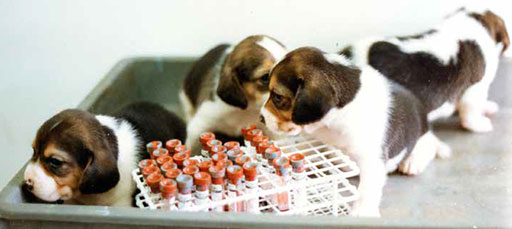
Image Credits : Website @Ridglan
Ridglan Farms has denied mistreating animals, but legal scrutiny has increased in recent years.
A special prosecutor determined that certain eye procedures performed on dogs violated state veterinary standards. As part of a settlement, the facility agreed to give up its state breeding license by July 1, 2026.
At the same time, the site became a focal point for activism.
Protests That Drew National Attention

The situation escalated dramatically in recent months.
In March, activists broke into the facility and removed 30 beagles. Authorities later referred dozens of individuals for potential charges.
Then came a much larger event.
Around 1,000 activists gathered outside the facility in April, attempting to enter and remove the remaining dogs.
Law enforcement responded in force.
Officers used tear gas, rubber bullets, and pepper spray to disperse the crowd. The clash resulted in 29 arrests, with several individuals facing felony charges.
Officials described the group as a violent mob attempting to breach a secure facility.
Activists told a different story, arguing they were trying to rescue animals and that police used excessive force. A federal lawsuit has since been filed challenging the response.
While the protests were not directly connected to the final agreement, they brought intense attention to the situation.
Simmons acknowledged that impact.
“What they did was put the message out,” she said.
Behind the scenes, negotiations had already been underway. But the surge in public awareness accelerated interest, scrutiny, and urgency around the issue.
Moving 1,500 Dogs Across The Country

Coordinating the transfer of 1,500 dogs is a logistical challenge few organizations ever face.
The operation involves dozens of partners, multiple states, and careful planning to ensure each animal is properly cared for.
How The Rescue Operation Works
The process unfolds in several stages:
- Dogs are transported from the facility to staging areas
- Each animal receives a full medical evaluation
- Vaccinations and microchipping are completed
- Spaying or neutering is scheduled where needed
- Behavioral assessments determine readiness for adoption
From there, dogs are distributed to shelters and rescue partners across the country.
Some are heading to Florida and Alabama, while others remain in Wisconsin temporarily before being relocated.
Preparing Dogs For Real Homes
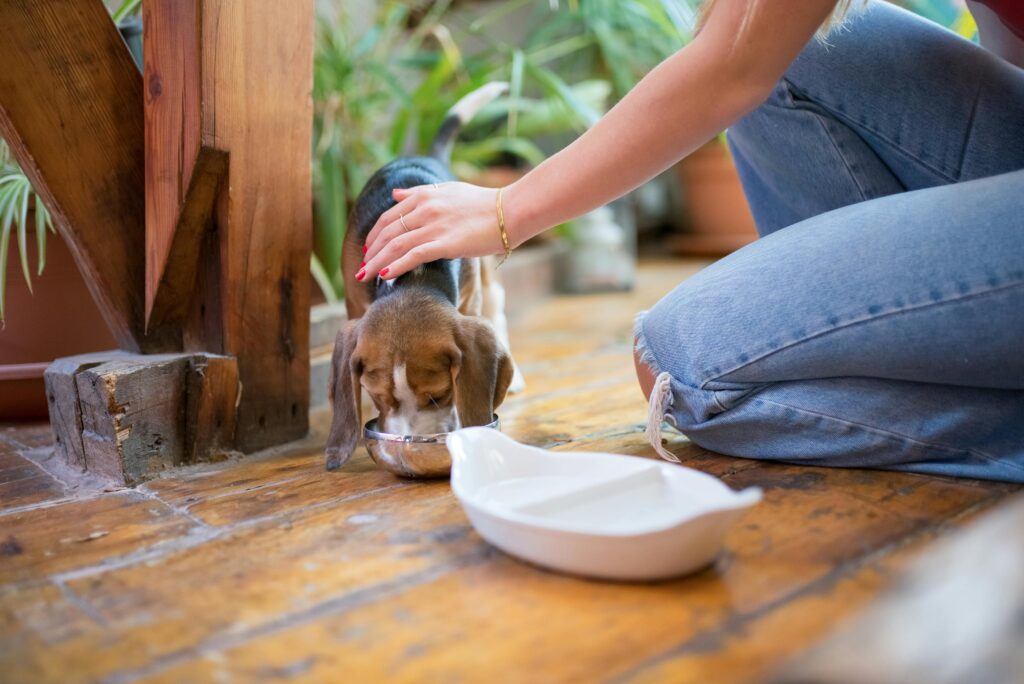
Many of these beagles have never lived in a home environment.
“They need to learn to walk on a leash,” Simmons said. “They need to learn to live in a home environment.”
That means training in basic behaviors most pet owners take for granted.
Housebreaking, socialization, and exposure to everyday life will take time. Younger dogs are expected to adjust more quickly, while older dogs may require longer support.
Still, the goal is clear. Every dog should have a path to a stable home.
The Race To Find 1,500 Families
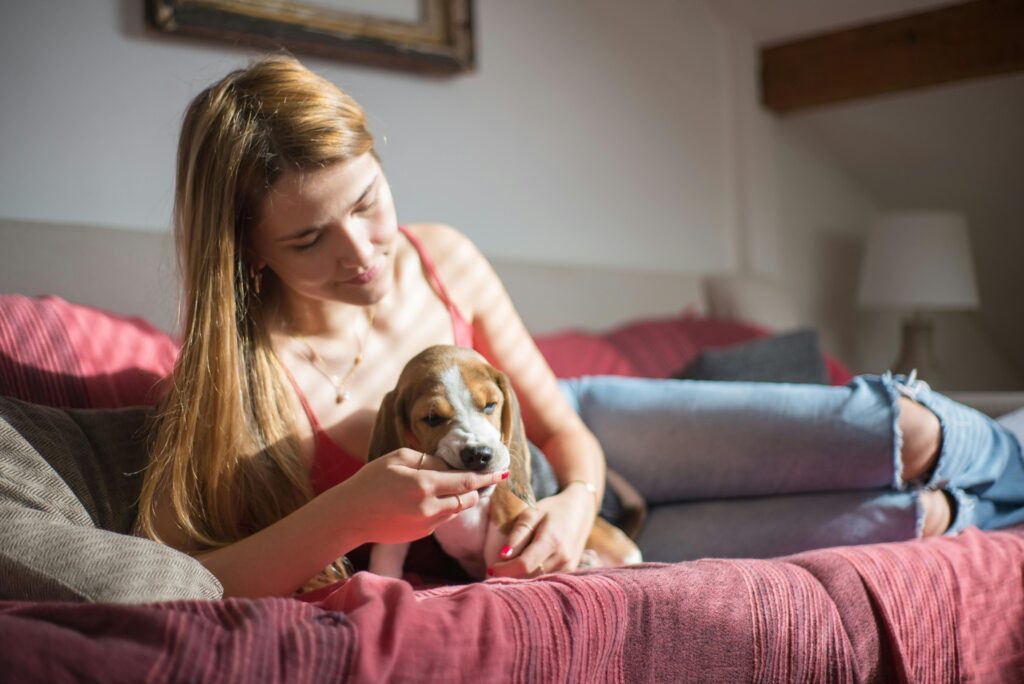
Interest from the public has been immediate and overwhelming.
Within days, hundreds of adoption applications began pouring in.
Simmons said her organization alone received more than 700 applications early in the process.
Adopting one of these dogs is not the same as bringing home a typical pet.
Many will require patience, structure, and understanding as they adjust.
Here are some realities future owners may face:
- Dogs may be unfamiliar with basic household environments
- Leash training may take time
- Social behavior with other animals can vary
- Loud noises or new settings may cause anxiety
- Consistency and routine will be essential
Rescue groups are screening adopters carefully to ensure the best possible match.
One key part of the rescue plan is long-term support.
If a placement does not work, the dogs can be returned to the rescue rather than abandoned or rehomed unpredictably.
That safety net is designed to prevent failed adoptions from becoming another crisis.
A Shift Happening Beyond One Facility
This rescue is not happening in isolation.
It reflects a broader shift in how animal testing is being approached across the United States.
Recent legislation has begun reducing reliance on animal testing in drug development.
The FDA Modernization Act 2.0 removed the requirement that new drugs must be tested on animals before human trials.
Further proposals aim to accelerate that transition and expand alternative testing methods.
Government agencies have also introduced roadmaps to phase out certain forms of animal testing in preclinical studies.
Animal welfare organizations are calling for additional changes, including:
- Ending funding for experiments involving beagles and primates
- Expanding non-animal testing technologies
- Increasing transparency in research practices
- Reducing the number of animals bred for testing
For many advocates, the rescue of these 1,500 dogs represents progress, but not the end of the issue.
The Dogs Still Left Behind
Not every dog at the facility was included in the agreement.
The exact number remaining has not been publicly confirmed, and discussions are ongoing about their future.
Ridglan Farms stated it is working on arrangements for the remaining animals but has limited public disclosures due to safety concerns following repeated protests.
That uncertainty remains one of the unresolved parts of the story.
Why This Story Is Hitting So Hard
Stories about animal rescues often resonate, but this one carries a different weight.
It combines conflict, scale, and a clear shift in outcome.
A situation that involved arrests, lawsuits, and national attention has ended with thousands of lives changing direction at once.
There is also something about the breed itself.
Beagles are known for their gentle nature. Seeing that same trust emerge immediately after release has amplified the emotional response.
What Happens Next For The Beagles

The coming weeks will define the next chapter for these dogs.
Some will adjust quickly and move into homes within a short period. Others will need more time, more training, and more support.
Rescue groups are preparing for both outcomes.
The goal is not speed. It is stability.
Each placement will be monitored, each dog assessed, and each transition handled with care.
A Moment That Could Change More Than 1,500 Lives
For the people involved, this is not just a rescue. It is a signal that large-scale change is possible when pressure, negotiation, and public attention align.
The images of beagles stepping out of transport crates and into open space have already spread widely.
They show something simple. A shift from confinement to possibility.
And for 1,500 dogs who had never known anything else, that shift changes everything.
Inside The Staging Areas Where Lives Begin Again
Before any dog reaches a home, there is a transition space. Large tents, fenced play yards, and rows of temporary kennels form the first stop after transport.
Volunteers move quickly but carefully. Each dog is checked, logged, and guided into a calmer environment.
Some stand still, unsure of what comes next. Others wag their tails almost immediately.
Medical Care Comes First
Every dog goes through a full intake process.
Veterinary teams examine eyes, ears, and joints. Bloodwork is taken where needed. Vaccinations are administered, and microchips are inserted so each animal can be tracked and protected.
Many of the dogs require basic procedures that were never done before.
Spaying and neutering is scheduled in waves. Dental care is often needed. Skin conditions are treated. Some arrive underweight and require gradual nutritional support.
The goal is simple. Stabilize each dog so they can begin adapting without medical setbacks.
Progress does not always look dramatic. Often, it shows up in quiet ways.
A dog that finally eats from a bowl without hesitation. Another that follows a volunteer for a few steps. A third that curls up and sleeps without pacing.
These moments build on each other.
Rescuers track behavior closely, noting which dogs are ready to move forward and which need more time in a controlled environment.
The People Behind The Operation
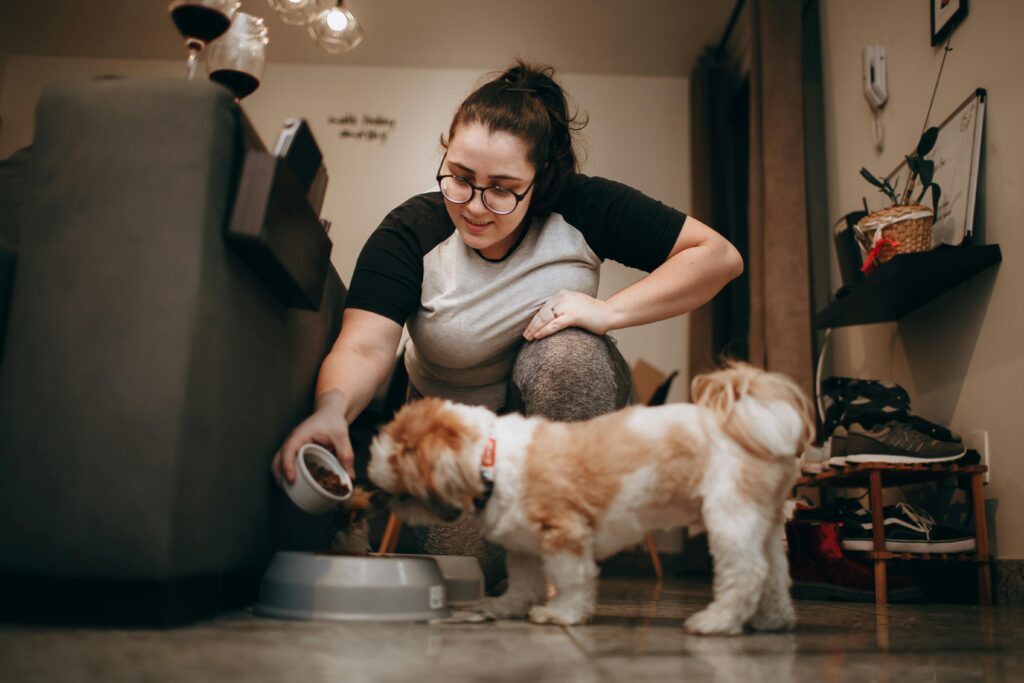
Large rescues rely on more than organizations. They depend on individuals who commit long hours to making the system work.
From drivers to veterinarians to foster families, hundreds of people are involved in this effort.
Transport routes are mapped out in advance. Drivers rotate to cover long distances. Partner shelters prepare space days before dogs arrive.
Communication happens constantly.
If one location reaches capacity, another adjusts. If a dog requires specialized care, plans shift to route them to the right facility.
It is a moving network that adapts in real time.
Not every dog goes directly to a permanent home.
Foster families play a critical role in bridging the gap between rescue and adoption.
They provide a quieter environment where dogs can experience routine for the first time.
Simple things become lessons.
Walking through a doorway. Climbing onto furniture. Hearing household sounds like televisions and appliances.
These experiences prepare dogs for long-term placement.
The Emotional Toll Of Large-Scale Rescue
Saving animals at this scale carries weight.
Rescuers celebrate progress, but they also confront the reality of what these dogs have been through.
Many volunteers describe a mix of relief and sadness.
Relief that the dogs are out. Sadness for the years already lost.
There is also a sense of urgency.
Every success highlights the possibility that other animals remain in similar conditions elsewhere.
To manage that emotional load, teams stay focused on the next step.
One dog at a time.
One transport completed.
One successful adoption.
That structure keeps the operation moving forward without becoming overwhelming.
Adoption Day And What It Means
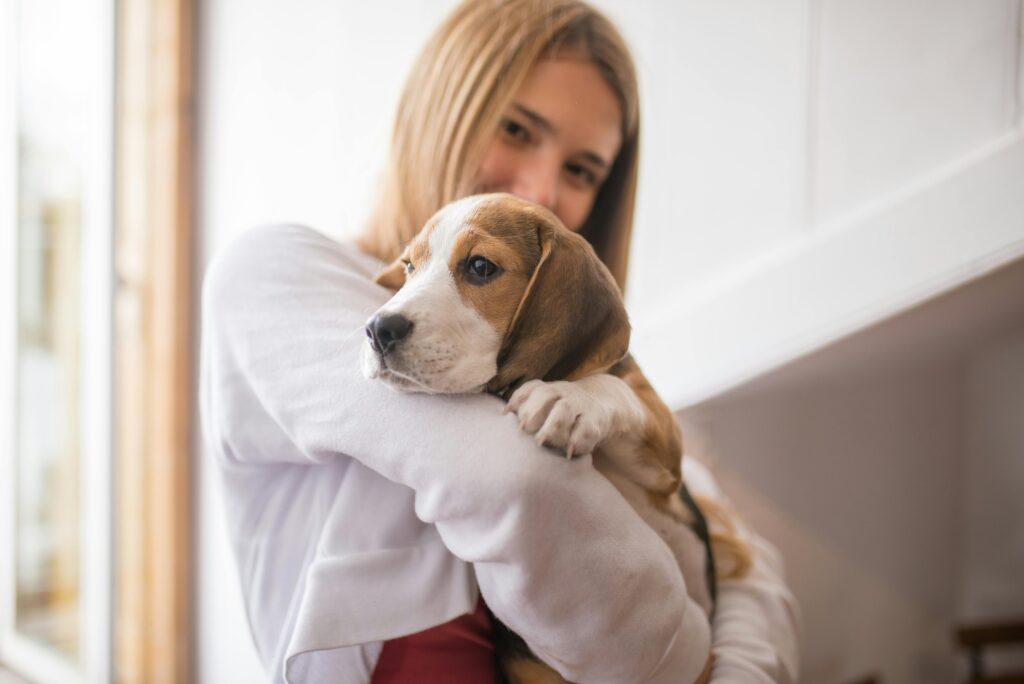
For adopters, the moment they meet their dog is often the turning point.
Some dogs approach immediately. Others hang back, watching carefully.
Rescue groups take matching seriously.
They consider factors such as:
- Energy level of the dog
- Experience level of the adopter
- Presence of other pets
- Home environment and available space
This reduces the chance of failed placements and gives each dog a better start.
The initial adjustment period can be unpredictable.
Some dogs explore every corner of their new home. Others stay close to a single spot.
Routine becomes critical.
Regular feeding times, consistent walks, and calm interaction help establish a sense of safety.
Over time, most dogs begin to open up.
What Sets This Rescue Apart
Animal rescues happen every day, but scale changes everything.
Handling 1,500 dogs at once requires a level of coordination rarely seen in the field.
Officials have pointed to this operation as an example of what structured collaboration can achieve.
Law enforcement, rescue organizations, and local communities all played roles, even when they disagreed on methods.
The outcome shows that negotiated solutions can produce large-scale results.
Public attention has surged around the use of animals in testing.
This rescue has brought that issue into mainstream conversation in a way that smaller stories often do not.
Images and updates from the operation continue to circulate, keeping the focus on what happens next.
The Ongoing Debate Around Animal Testing
The story does not end with the rescue itself.
It feeds into a broader debate about how research is conducted and what alternatives are available.
Supporters of animal testing argue that it has played a role in developing treatments and ensuring safety.
Critics point to advances in technology that allow for non-animal testing methods, such as cell-based models and computer simulations.
Both sides continue to push their case.
The rescue adds a visible, emotional dimension to that discussion.
Policy shifts are already underway.
Federal agencies are exploring ways to reduce reliance on animal testing, and new legislation is being proposed to accelerate that process.
Organizations involved in the rescue are using this moment to advocate for further reform.
A Different Life Taking Shape
As days pass, the transformation becomes easier to see.
Dogs that once hesitated now follow volunteers across yards. Some begin to play with toys for the first time.
Others settle into routines, finding comfort in predictable patterns.
Each milestone carries weight.
The first time a dog responds to its name. The first successful walk on a leash. The first night spent sleeping peacefully.
These are the building blocks of a normal life.
Not every dog will adjust at the same pace.
Some will carry fear longer. Others may need specialized care or training.
Rescue groups are prepared for that variation.
The focus remains on long-term outcomes rather than quick placements.
The Moment People Will Remember
For many following the story, one image stands out.
A beagle stepping out of a transport crate, pausing, and then moving forward into open space.
It is a simple action, but it captures the shift that defines this rescue.
From controlled environments to unknown territory.
From routine handling to voluntary connection.
From confinement to choice.
That transition is still unfolding.
Each day, more dogs move closer to stable homes.
Each day, the scale of what happened becomes clearer.
And for 1,500 beagles, a life that once followed a fixed path has been replaced with something entirely different.