
Your cart is currently empty!
Where Do You Feel Emotions? Scientists Just Created A Full Body Map
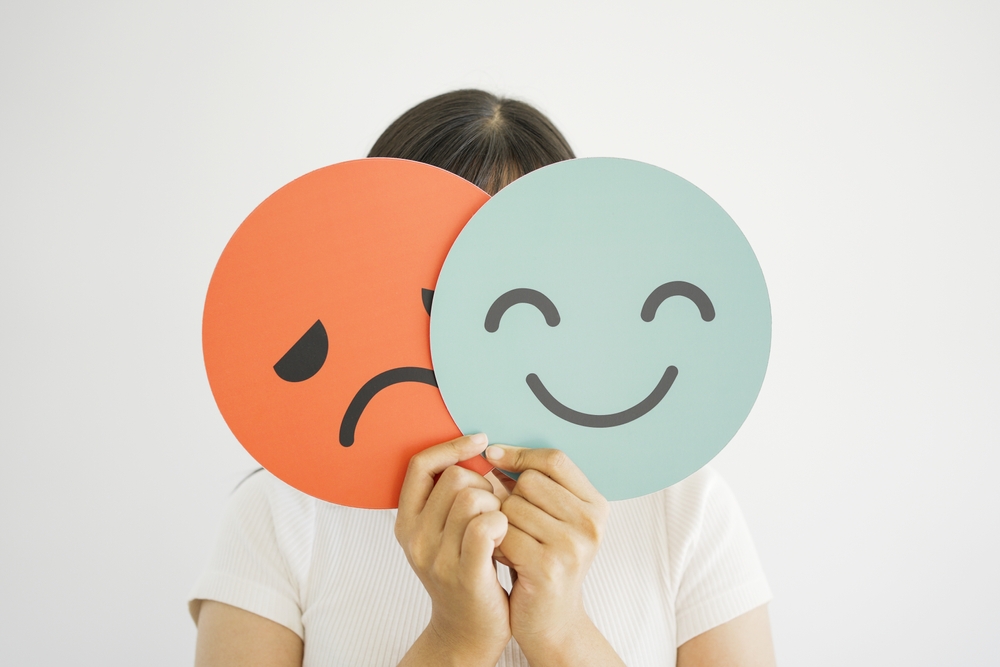
You’ve probably noticed it without really thinking about it. That sudden drop in your stomach when something feels off, or the pressure in your chest when emotions hit harder than expected. For years, people have described emotions as something that happens in the mind, something abstract and hard to pin down. But your body has been reacting all along, quietly giving away what you feel before you even put it into words, whether it is a rush of adrenaline, a tightening muscle, or a subtle shift in breathing.
Contents
show
Now, scientists have taken that everyday experience and turned it into something measurable and visual in a way that has not been done at this scale before. A large-scale study has mapped where emotions physically show up in the human body, and the findings are surprisingly consistent across people from different backgrounds. It suggests that no matter who you are, your body responds to feelings in patterns that are far more universal than we assumed, raising questions about how deeply connected our physical and emotional systems really are.

Scientists Mapped 100 Emotions Across The Human Body
A group of Finnish researchers led by neuroscientist Lauri Nummenmaa set out to answer a question that sounds simple but becomes incredibly complex once you try to measure it properly. Where exactly do we feel emotions in the body, and do other people experience those same emotions in the same physical locations, or is it all entirely personal and subjective?
Instead of focusing on a small set of emotions like most earlier studies, the team expanded its scope dramatically and took on a much bigger challenge. They analyzed 100 different feelings, covering everything from basic emotions like happiness and fear to more complex states such as pride, guilt, anxiety, and even physical experiences like hunger, fatigue, and illness-related sensations that blur the line between body and mind.
These feelings were then grouped into broader categories to make sense of such a large dataset. The categories included cognition, sensation and perception, bodily functions like hunger and thirst, physiological processes such as sleep and breathing, illness-related sensations, and emotions linked to mental health conditions like depression and anxiety, creating a full spectrum of human experience.
The scale of the study made it stand out immediately. It was not just about identifying emotions but about understanding how deeply they are connected to the physical body, and whether those connections follow consistent patterns across different individuals rather than being random or purely psychological.
How The Study Actually Worked
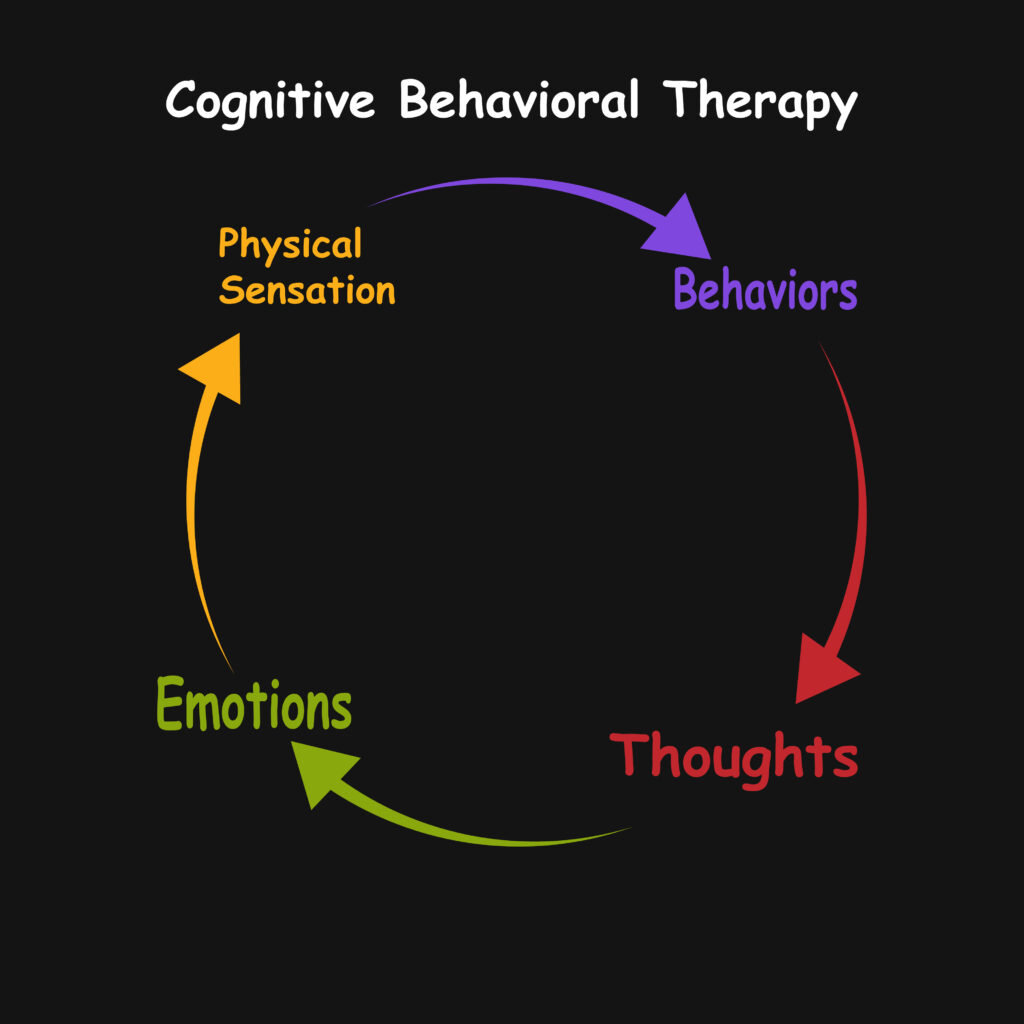
The researchers recruited more than 1,000 participants and designed three separate experiments to capture different layers of emotional experience, making this one of the largest studies of its kind. In the first phase, participants rated each feeling based on how much it was experienced in the body versus the mind, how pleasant or unpleasant it felt, and how much control they believed they had over it.
This stage helped establish a baseline for how people perceive emotions internally, and it revealed something that challenges common assumptions. Even emotions that people believed were purely mental still showed strong physical components, suggesting that the mind and body are constantly interacting rather than operating separately.
Participants repeatedly reported that feelings they thought were “in their head” still created noticeable sensations in the body, whether it was tension, warmth, pressure, or movement. This blurred the boundary between mental and physical experiences in a way that is difficult to ignore.
Sorting Emotions By Similarity
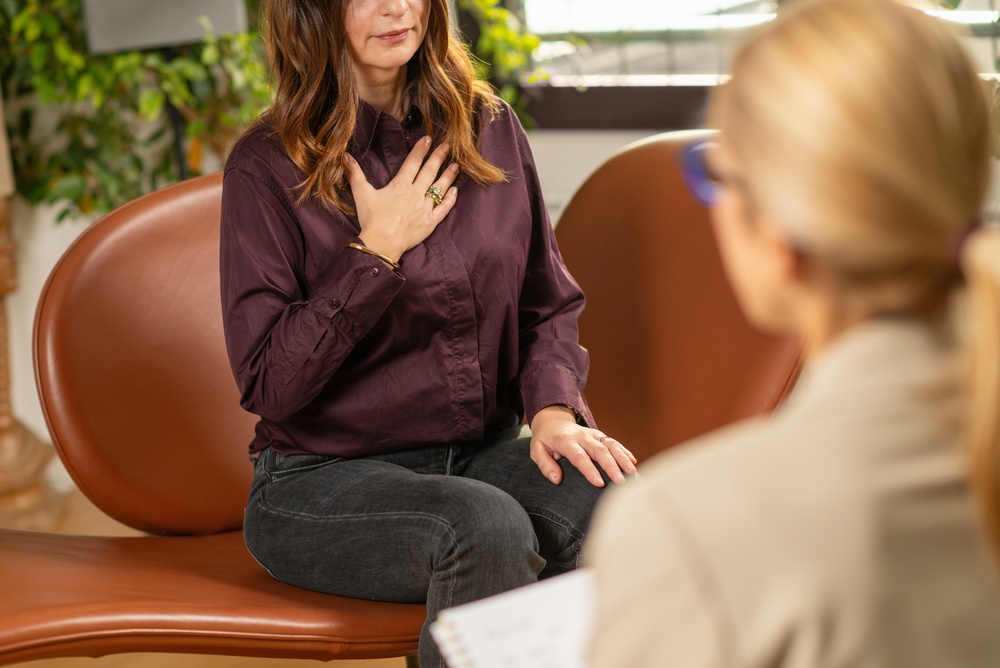
In the second phase, participants were asked to group emotions based on how similar they felt, which forced them to compare experiences rather than evaluate them individually. This part of the study revealed how people mentally organize emotions and which feelings are perceived as closely related.
The results formed five clear clusters that appeared consistently across participants. These included positive emotions, negative emotions, cognitive processes, bodily states and illnesses, and basic bodily functions, showing that people naturally categorize their experiences in similar ways.
This consistency suggested that emotional experience is not entirely subjective. While individuals may describe their feelings differently, the underlying structure of how emotions relate to one another appears to follow shared patterns.
Drawing Emotions On The Body
The final phase transformed the study from abstract data into something visual and immediately understandable. Participants were given outlines of the human body and asked to color the areas where they felt each specific emotion, turning internal experiences into physical maps.
These individual responses were then combined into detailed body maps that showed patterns across all participants. The result was a set of visual representations that clearly illustrated where different emotions are felt throughout the body.
This step allowed researchers to see consistent patterns that would not have been obvious through verbal descriptions alone. It turned subjective feelings into something measurable and comparable across a large group of people.
The Most Surprising Results
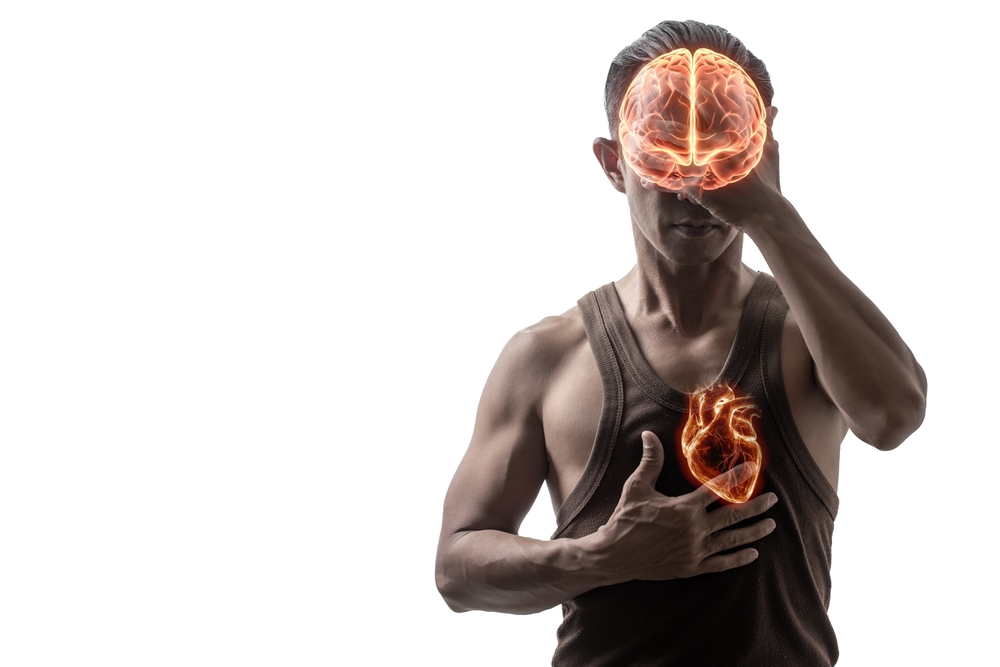
Some of the findings matched what most people would expect based on everyday experience. Hunger showed up in the stomach, thirst in the throat, and thinking or reasoning in the head, confirming that certain physical sensations are strongly tied to specific functions.
However, many of the results were far less obvious and challenged how people typically think about emotions. Feelings that seem completely different mentally often appeared in very similar physical locations, suggesting that the body processes them in overlapping ways.
These patterns were not random or scattered. Across hundreds of participants, the same areas lit up again and again for specific emotions, which is what makes the findings so striking and difficult to dismiss as a coincidence.
Opposite Emotions, Same Physical Spot
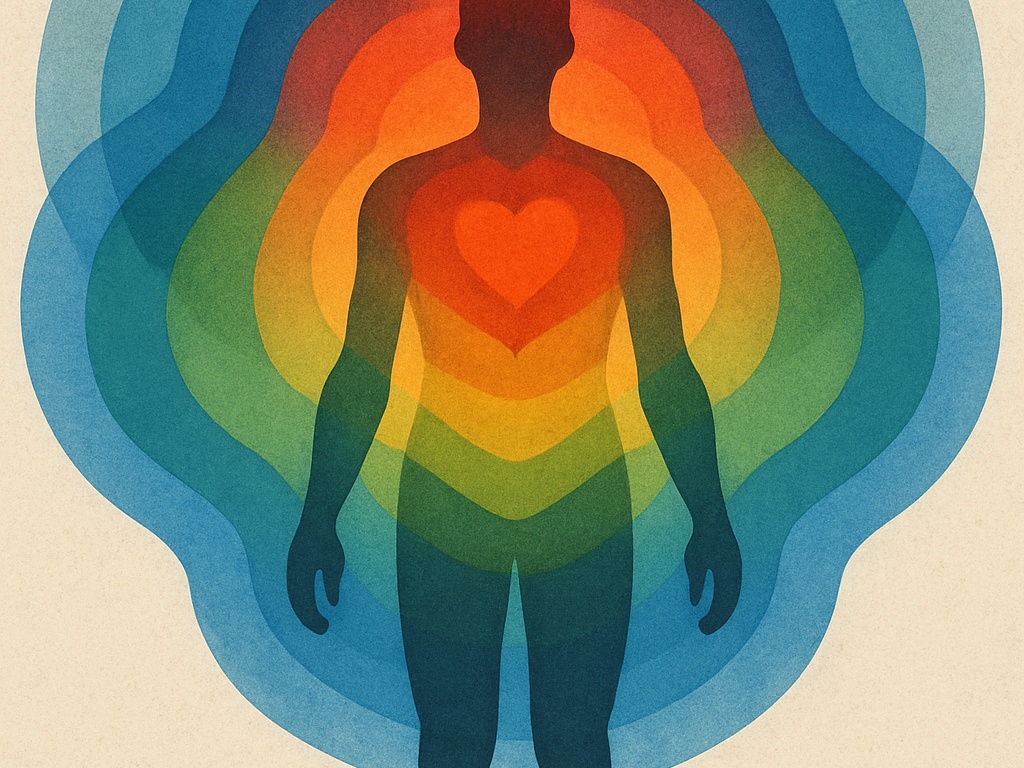
Feelings such as gratefulness, togetherness, guilt, and despair were mapped in nearly identical regions of the body, even though they represent very different emotional experiences. These emotions were primarily felt in the heart area, followed by the head and the stomach.
This overlap suggests that the body may use similar physical pathways for both positive and negative emotional experiences. The distinction between them may come more from how the brain interprets these signals rather than where they originate.
It also helps explain why some emotions can feel confusing or overwhelming. When the body reacts in similar ways to very different situations, it leaves the brain with the task of figuring out what those signals actually mean.

Full-Body Reactions Exist Too
Some emotional states were not limited to one specific area at all and instead appeared across the entire body. Mania and exhaustion were both experienced as full-body sensations, showing that certain feelings are not localized but spread throughout physical awareness.
These full-body responses highlight how deeply emotions can affect physical experience. They are not just signals in one place but can influence how the entire body feels and functions at a given moment.
This helps explain why extreme emotional states can feel so intense. When the whole body is involved, the experience becomes much harder to ignore or control.
Self-Control Has A Physical Location
One of the most unexpected findings involved self-regulation, a concept that many people think of as purely mental. Participants consistently marked the head and hands as the main areas where they felt it.
This reflects how control often plays out in real life. Managing impulses frequently involves stopping physical actions or controlling movements, especially those involving the hands and immediate behaviors.
It shows that even something as abstract as self-control is tied to physical sensation, reinforcing the idea that the body is involved in nearly every aspect of human experience.
Your Body Reacts Faster Than Your Thoughts
Throughout the day, emotions often appear as physical sensations before they are fully understood mentally, which means your body is often the first to respond to what is happening around you. These reactions can be subtle or intense, depending on the situation and the emotion involved.
Common examples include a tightening sensation in the head or an upset stomach when you are angry, or rapid breathing and a racing heart during both excitement and fear. These physical reactions can feel almost identical, even though the emotions behind them are very different.
Other sensations are just as familiar in everyday life. You might feel your neck muscles tense during a stressful moment or your shoulders relax when that stress fades away. A lump in the throat when you are sad is another physical response that many people recognize immediately.
These patterns show that emotions are not just abstract experiences happening in the mind. They are physical events that occur throughout the body in real time, often before you consciously recognize them.
Why Some Emotions Feel So Similar
One of the clearest takeaways from the research is how similar certain emotions feel in the body, even when they are completely different psychologically. Fear and excitement both trigger increased heart rate, faster breathing, and heightened physical awareness.
The body prepares for action in both cases, activating similar systems regardless of whether the situation is positive or negative. The key difference lies in how the brain interprets and labels the experience based on context.
This is why situations like public speaking, roller coasters, or major life changes can feel both terrifying and thrilling at the same time. The body reacts first, and the brain works to make sense of it afterward.
The Body And Mind Work Together
The researchers emphasized that emotions are deeply tied to bodily processes and cannot be separated from physical experience. As co-author Riitta Hari explained, “We have obtained solid evidence that shows the body is involved in all types of cognitive and emotional functions. In other words, the human mind is strongly embodied.”
This statement reinforces the idea that even thoughts and mental processes are connected to physical sensations. The body is not separate from the mind but works alongside it as part of the same system.
It also suggests that understanding emotions requires paying attention to both mental and physical signals rather than focusing on just one side of the experience.
How You Can Use This In Real Life
Understanding where emotions show up in your body can help you recognize and respond to them more effectively, especially in situations where reactions happen quickly. Physical sensations can act as early signals, giving you a chance to pause before reacting automatically.
Here are three simple ways to use this awareness:
- Name it: Identify the emotion and notice where it appears in your body
- Accept it: Allow the feeling without judging it or trying to push it away
- Choose your response: Decide what action, if any, you want to take next
These steps can help turn automatic reactions into more intentional responses over time. Instead of being overwhelmed by emotions, you begin to understand them as signals that can guide your actions.
This awareness also creates a small but important gap between feeling and reaction. That gap is where better decisions and calmer responses can happen.
What This Means For How We Understand Emotions
This research changes how emotions are understood at a fundamental level by showing that feelings are not just mental events that happen in isolation. They are physical experiences that involve the entire body and can be mapped in consistent ways.
The next time your chest tightens, your stomach drops, or your breathing changes, it is not random or meaningless. Your body is actively processing what you feel, often before your mind fully understands it.
That connection between body and emotion is constant and ongoing, shaping every reaction, whether you notice it or not. Once you start paying attention to it, it becomes clear that emotions are not just something you think about but something you physically live through.
Sources:
Nummenmaa, L., Glerean, E., Hari, R., & Hietanen, J. K. (2013). Bodily maps of emotions. Proceedings of the National Academy of Sciences, 111(2), 646–651. https://doi.org/10.1073/pnas.1321664111
How do emotions show up in your body? (n.d.). Mindscape. https://www.health.harvard.edu/mindscape/for-young-people/brain-body-connection/how-do-emotions-show-up-in-your-body