
Your cart is currently empty!
Scientists Have Created a Way to Discover Where Your Home Was Millions of Years Ago
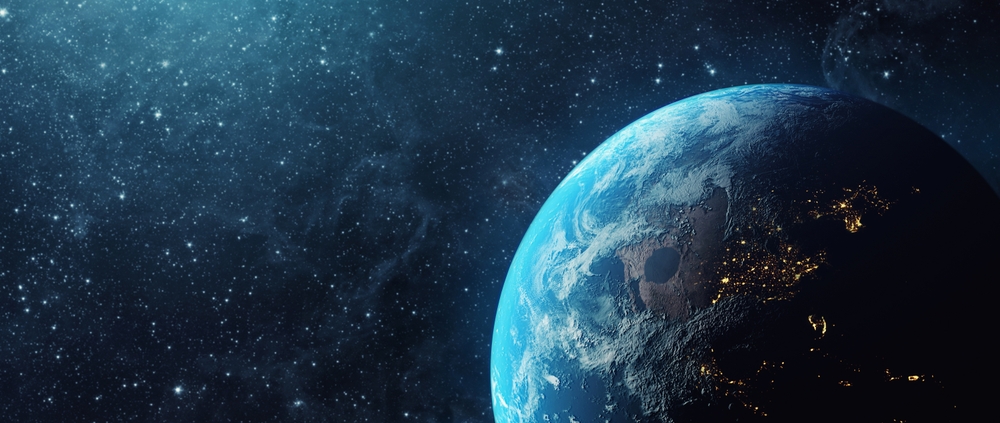
The place you call home might look permanent, but the ground beneath your feet has a history that stretches back millions of years. Long before your neighborhood existed, before roads crossed the landscape or buildings rose above the ground, the land itself could have been sitting in a completely different part of the world. What…
Did Life on Earth Start in Space? What Scientists Are Finding in Asteroid Samples
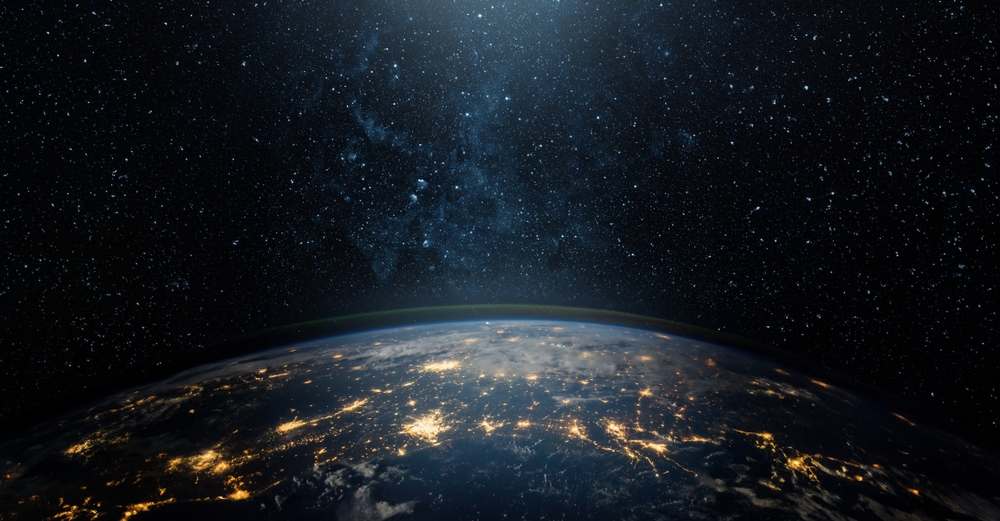
Life had to start somewhere. Before the first cell could reproduce, before DNA could carry instructions and before anything resembling a living organism existed, chemistry had to somehow assemble enough useful information to get the process moving. Scientists still do not know exactly how that happened, and a new calculation has put some extraordinary numbers…
A 7-Ton T. Rex Left Behind Something Scientists Had Never Seen Before
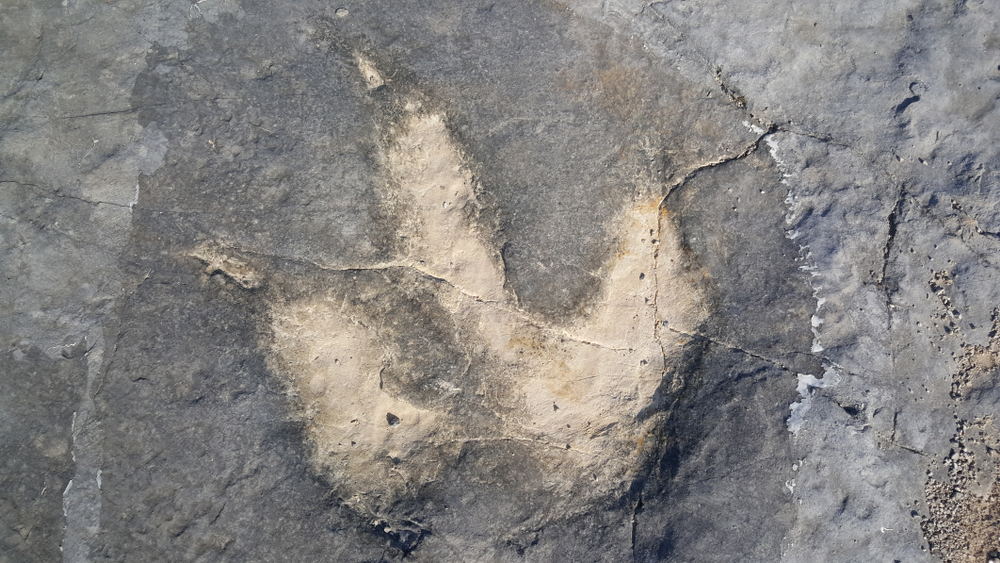
For more than a century, scientists have pieced together the life of Tyrannosaurus rex from bones, teeth and scattered fossil evidence. Now, researchers in North Dakota have uncovered something far more unusual: a trail that may show exactly how a full-grown T. rex moved across the landscape roughly 66.5 million years ago. The discovery began…
Scientists Found Something Surprisingly Different Happening In Your Brain When You Write By Hand
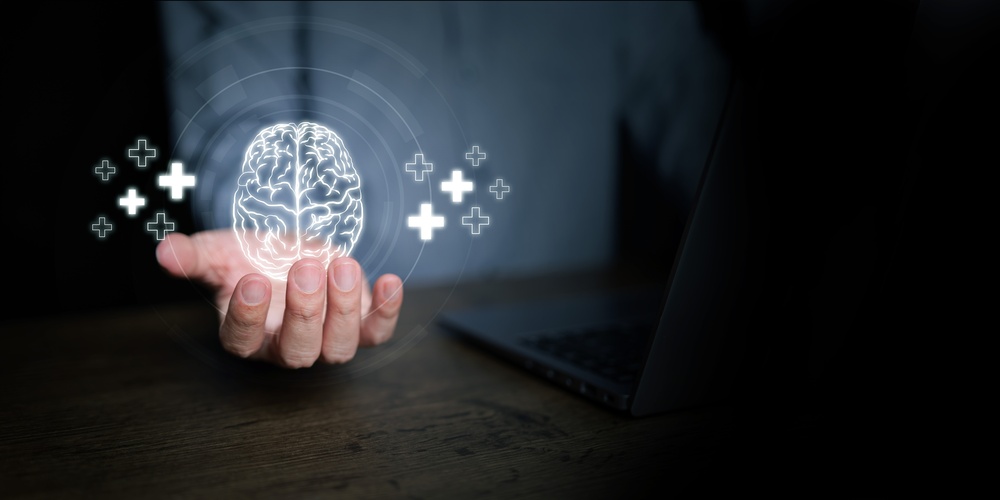
For years, typing has quietly replaced handwriting in classrooms, offices, and everyday life. It is faster, easier to edit, and far more convenient when there is a lot of information to record. But researchers comparing the two activities found something happening inside the brain that could make people think twice before abandoning pen and paper…
This T. Rex Fossil Could Change How Scientists Picture The Dinosaur
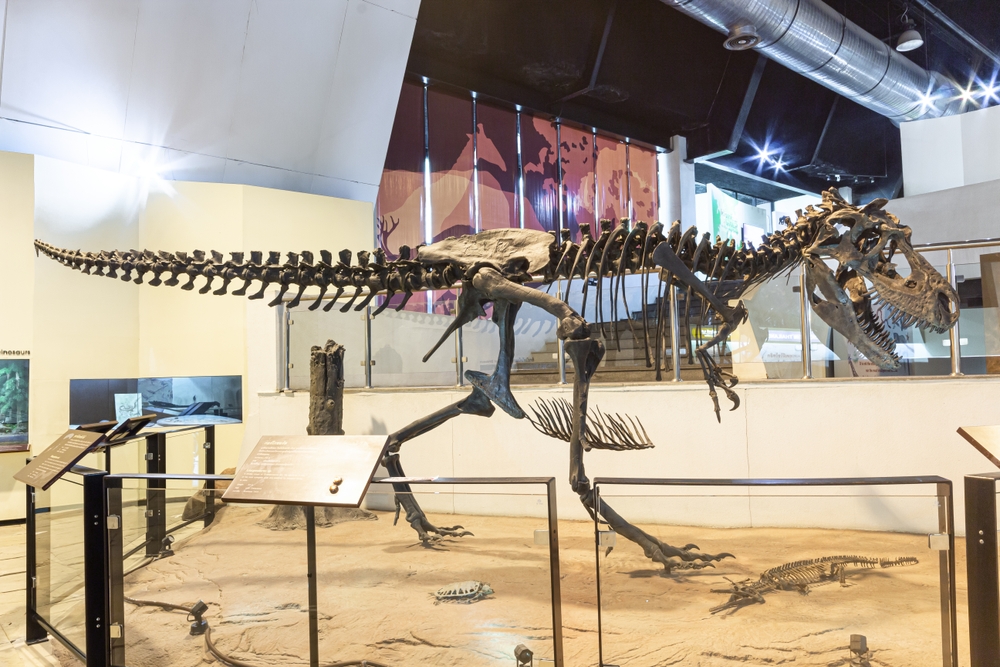
A Tyrannosaurus rex discovered on a Wyoming ranch decades ago has turned out to be far more unusual than researchers initially realized. Buried for around 67 million years, the specimen contains an exceptionally preserved section of the predator’s skeleton that could give scientists a much clearer picture of how the animal was built, how it…
Scientists Put Cats, Dogs And Toddlers In The Same Helping Test. Cats Had A Very Different Answer

A missing dishwashing sponge became the unlikely centerpiece of an experiment that tested whether animals would step in when a human appeared to need help. Researchers in Budapest watched as cats, dogs and toddlers saw an object being hidden, then watched their caregiver search for it without ever being directly asked to intervene. The results…
Scientists Built Glasses That Let Humans See What Our Eyes Normally Miss
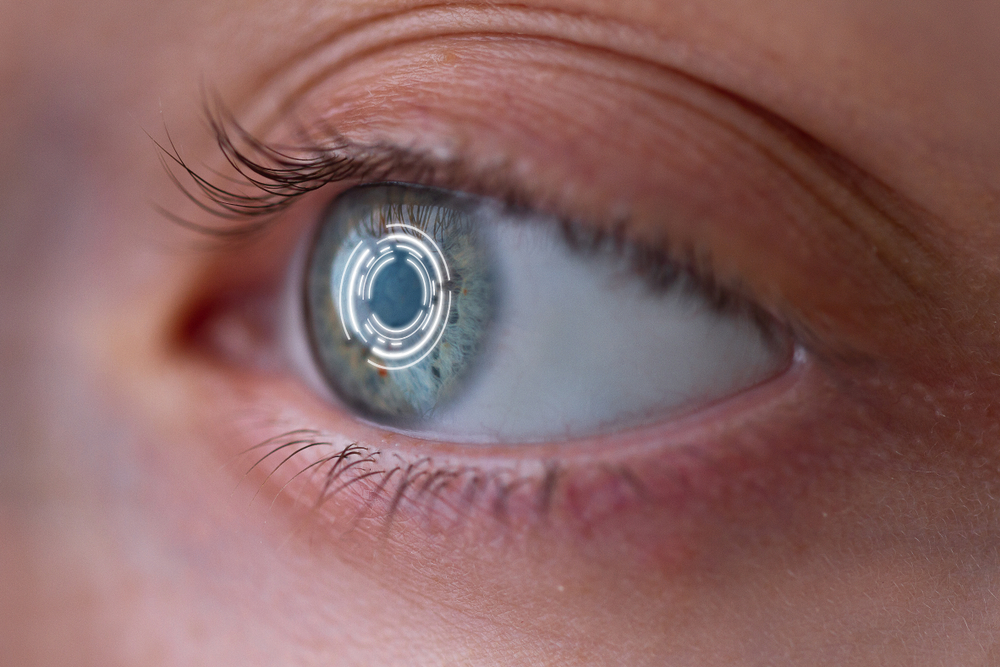
There is a huge part of the world passing through your eyes every second that you have never been able to see. Infrared radiation comes from warm engines, human bodies and everyday electronics, yet the human retina simply ignores it. Now, researchers in China have built a tiny wearable device that converts some of that…
Your Brain May Actually Fall Into Sync With People Around You
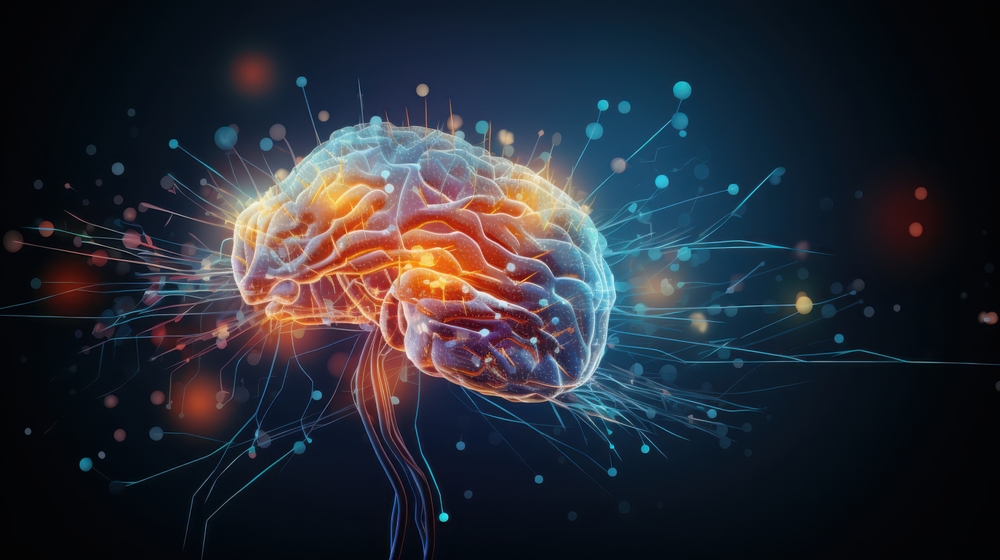
For years, “being on the same wavelength” sounded like a nice way to describe two people who instantly connected. Now researchers have found a way to measure part of what that phrase may actually mean inside the brain. Scientists using portable EEG headsets have found that people’s brain activity can become more synchronized during shared…
A 16-Year ADHD Study Just Turned One Major Assumption On Its Head

For years, researchers had a straightforward expectation about ADHD: as life becomes more demanding, managing the condition should become harder. A new study that followed people with ADHD for 16 years found something that went in the opposite direction. Researchers tracked 483 people diagnosed with ADHD during childhood, and their symptoms did not simply remain…
Scientists Say Earth Could Eventually Have Just 4 Billion People

What if the biggest environmental solution on Earth had nothing to do with electric cars, solar panels or recycling, but with the number of people living on the planet? A new paper from 11 researchers across 10 countries has proposed a future global population of roughly 4 billion people by 2200, less than half the…