
Your cart is currently empty!
The Real Story Behind Mamdani’s Plan to Tax Ken Griffin’s $238 Million Penthouse

The towering penthouses along Manhattan’s Billionaires’ Row have served as quiet sanctuaries for the global elite, insulated from the gritty political realities of the city below. That unspoken boundary was shattered this spring when a routine tax proposal was transformed into a highly publicized standoff between New York City’s progressive leadership and one of the nation’s most powerful financial executives. At the center of the dispute is a record breaking piece of real estate and a controversial fiscal policy that challenges the traditional dynamic between urban wealth and municipal obligations.
Contents
show
Taking the Tax Fight to Central Park South
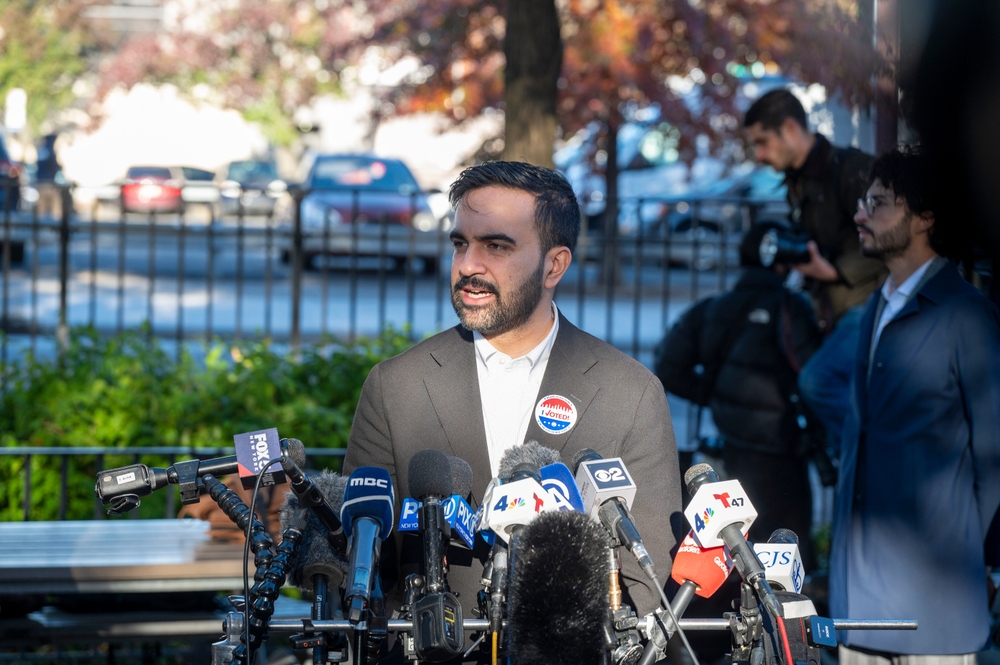
On April 15, New York City Mayor Zohran Mamdani stood on the pavement outside 220 Central Park South and pressed record. The resulting social media video served as the official announcement for a newly proposed luxury property tax. The backdrop was entirely intentional. The towering condominium is home to a twenty four thousand square foot penthouse purchased by Citadel Chief Executive Officer Ken Griffin for $238 million in 2019. Today, it still stands as the most expensive residential real estate purchase in United States history.
Backed by New York Governor Kathy Hochul, the proposed pied a terre tax targets secondary homes valued above $5 million. City officials project the levy could generate roughly $500 million annually. Proponents view these funds as vital for stabilizing the municipal budget and sustaining public services for working class New Yorkers. During his announcement, Mayor Mamdani stressed that the legislation strictly applies to properties “whose owners do not live full time in the city.”
Using a high profile billionaire’s trophy property as the face of a tax campaign guaranteed an immediate audience. Yet, aiming a political spotlight directly at a private residence quickly shifted a routine fiscal policy discussion into a deeply personal feud. The tactic pushes beyond standard legislative maneuvering, testing the boundaries of how elected officials engage with the ultra wealthy. It forces a hard look at the tightrope modern metropolises must walk: courting heavy hitters for global investment while simultaneously demanding a larger financial contribution from the executives who hold the checkbooks.
The Billionaire’s Countermove
The reaction from the target of the video was swift and severe. Speaking at the Milken Institute Global Conference in Beverly Hills, Citadel Chief Executive Officer Ken Griffin characterized the mayor’s promotional tactic as “creepy and weird.” For Griffin, the campaign crossed the line from civic policy into personal endangerment. During a CNBC interview, he noted that the video publicly identified his residence during a period of heightened executive security risks.
“What really upset me about the video was the fact that he put me in harm’s way,” Griffin stated, pointing to the fatal shooting of UnitedHealthcare Chief Executive Officer Brian Thompson blocks away from the Central Park South location. “To put any citizen in harm’s way is just inappropriate for one of our political leaders.”
The conflict extends beyond safety concerns and threatens tangible economic fallout. Griffin warned that the administration’s messaging signals that New York does not welcome success. In response, Citadel is accelerating its expansion in Florida. Griffin confirmed the firm filed permits to add several hundred thousand square feet of office space in Miami. He explicitly framed the shift in job creation as a direct consequence of the mayor’s video.
Furthermore, the public dispute places a massive local investment in jeopardy. Citadel is currently evaluating a $6 billion redevelopment project at 350 Park Avenue, an initiative projected to generate fifteen thousand permanent jobs. While executives suggest the project will likely proceed, the hesitation underscores the leverage held by ultra wealthy residents. Citadel reports paying nearly $2.3 billion in city and state taxes over the last five years, illustrating the sheer volume of capital at stake when civic leaders alienate top corporate taxpayers.
The Mayor’s Rebuttal
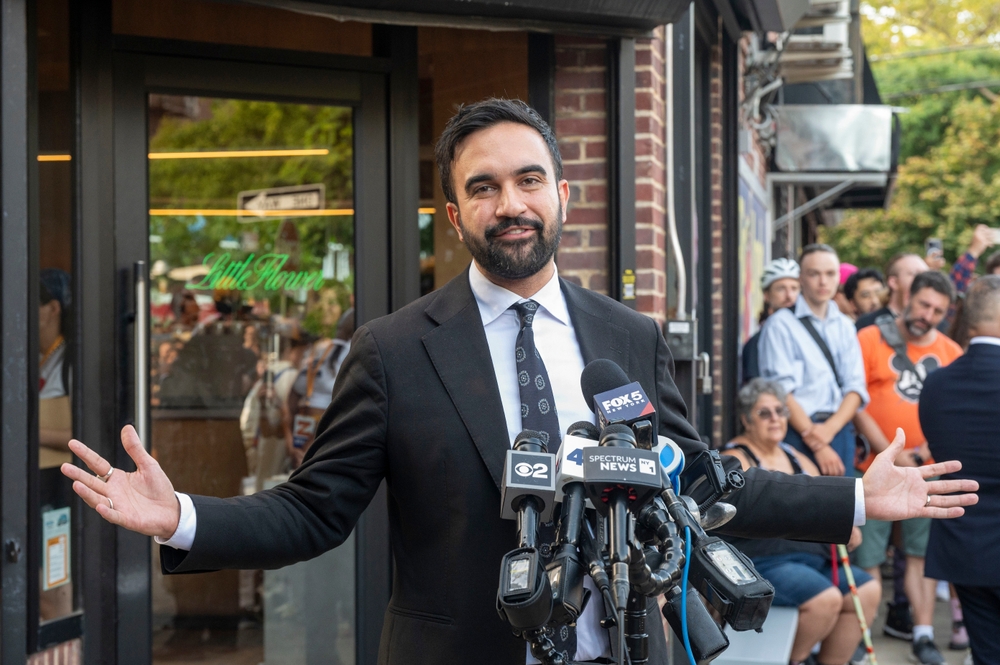
Mayor Zohran Mamdani quickly addressed the security criticisms leveled against his campaign. He dismissed the notion that his video compromised the safety of the Citadel founder. The mayor noted that the record breaking real estate transaction has been heavily documented in the press for years. The exact address of the penthouse is a matter of public record and widely known within the real estate and financial sectors.
Instead of backing down, Mamdani reinforced the core message of his proposal. The administration views the pied a terre tax as a necessary mechanism to address severe funding shortages across the five boroughs. According to the mayor, the true crisis in New York City is not the discomfort of billionaires but the daily struggles of its working class residents. He frequently points to aging infrastructure, underfunded public transit, and a severe housing shortage as the pressing issues requiring immediate financial solutions.
Progressive lawmakers argue that individuals holding multi million dollar secondary residences benefit from the cultural and economic infrastructure of the city without contributing proportionally to its upkeep. For these officials, using a recognizable symbol of extreme wealth is a deliberate strategy. It makes abstract budget deficits tangible for the average voter. The administration maintains that the focus must remain on bridging the gap between absentee property owners and the essential workers who keep the local economy functioning.
The Economics of Empty Penthouses

The proposed legislation seeks to levy an annual surcharge on non primary residences, but independent analyses suggest the financial outcomes may be more complicated than initial estimates. On April 30, New York City Comptroller Mark Levine released a comprehensive report evaluating the policy. He found that while the tax could plausibly hit the $500 million target across roughly 11,200 properties, behavioral shifts and rental exemptions might reduce actual revenue to between $340 million and $380 million.
Economists point out that the pied a terre tax targets the symptom of a much larger structural flaw in urban tax codes. Under current municipal laws, ultra luxury condominiums are assessed based on the hypothetical income they would generate as rental properties, rather than their actual market value. Because of this formula, the very $238 million penthouse at the center of the debate holds a city tax valuation of just $9.4 million. Jared Walczak, a Senior Fellow at the Tax Foundation, noted that while the surcharge plays well politically, it fails to fix the root issue. He observed that in a better designed property tax regime, these homes would simply be taxed higher to begin with.
The real estate sector remains highly skeptical of the secondary home surcharge. James Whelan, president of the Real Estate Board of New York, warned that the proposal will fall short of revenue goals and ultimately discourage development. This leaves lawmakers weighing the immediate political victory against the long term health of the luxury housing market. If wealthy owners adjust their behaviors to avoid the surcharge, the city risks softening prices in a sector that currently provides billions in recurring tax revenue.
What a Second-Home Tax Would Actually Raise
The clash between Mayor Mamdani and Ken Griffin is no longer just about one Central Park South penthouse. It is a live test case for how major cities handle their wealthiest taxpayers. With municipal budgets stretched thin, progressive leaders are adopting more aggressive tactics to secure funding. They are openly testing the limits of acceptable political messaging to force a public conversation on tax equity.
But the blowback is tangible. Capital is highly mobile. Billionaire executives can swiftly relocate their personal assets and corporate headquarters. Citadel’s rapid expansion into Florida proves that hostile tax rhetoric carries immediate economic weight. City officials must figure out how to extract a fair share of revenue without pushing away the very businesses that create jobs and anchor the local economy.
The fallout from this specific legislative push will set a precedent for future policy battles. Even if the pied a terre tax fails to reach its targeted revenue, the standoff exposes deep flaws within current property tax codes. Moving forward, lawmakers must decide if they want symbolic victories or actual structural reform. How New York resolves this conflict will signal exactly how global financial hubs plan to treat their most lucrative residents in the coming years.