
Your cart is currently empty!
A Juice Company Dumped Orange Peels In A National Park. Scientists Were Stunned By What Grew There
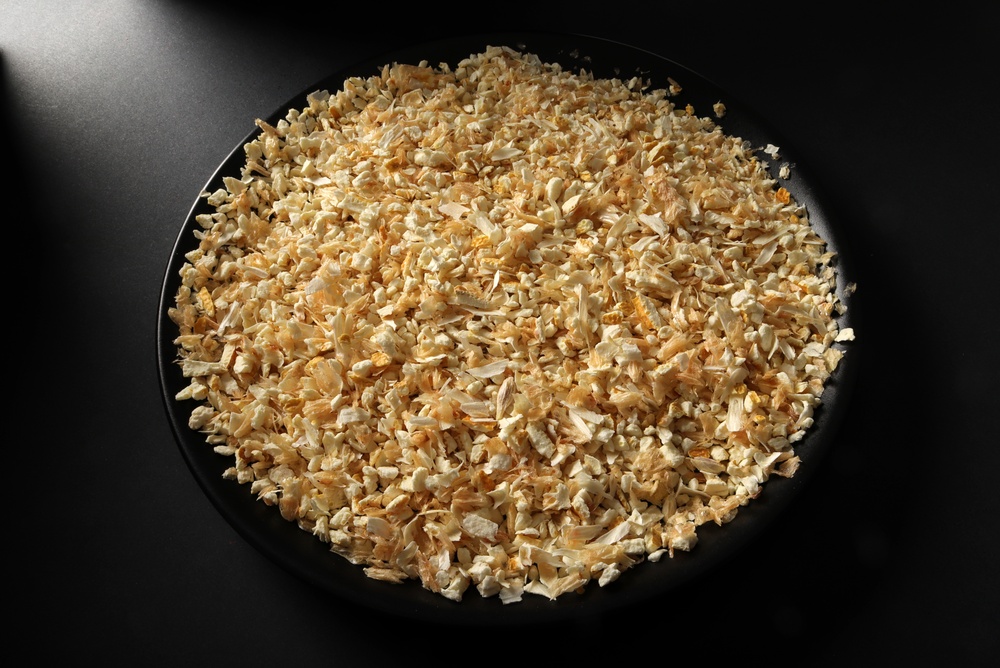
For years, the idea sounded like an environmental disaster waiting to happen. In the late 1990s, a Costa Rican juice company received permission to dump thousands of tons of orange peels and pulp inside a protected national park, creating enormous piles of rotting fruit that quickly sparked backlash across the country. Critics called it reckless, newspapers blasted the project, and the country’s Supreme Court eventually shut the operation down entirely. At the time, many people believed the experiment had permanently damaged part of one of the world’s most biodiverse regions.
Contents
show
Then researchers returned nearly two decades later and found something nobody expected. The barren cattle pasture, once buried under sticky mountains of citrus waste, had transformed into a dense tropical forest so thick that scientists could barely move through it. Massive trees towered overhead, wildlife had returned, and the original warning sign marking the site had disappeared beneath layers of vines and vegetation. What began as one of Costa Rica’s most controversial environmental experiments eventually became one of the clearest examples of how quickly damaged ecosystems can recover under the right conditions.

Costa Rica Approved An Unusual Environmental Deal
In 1997, ecologists Daniel Janzen and Winnie Hallwachs partnered with Del Oro, a Costa Rican fruit juice company, on a proposal that sounded almost absurd at first glance. Del Oro owned land bordering the Área de Conservación Guanacaste in northwestern Costa Rica, and the agreement would allow the company to donate part of that land to the national park in exchange for permission to dump orange peels and pulp onto nearby degraded pastureland.
The plan was not random dumping. Researchers selected land that had already been heavily damaged by cattle grazing and poor soil quality, making natural forest recovery difficult. Del Oro also did not use pesticides or insecticides in its production process, which meant the discarded orange waste contained organic material that researchers believed could potentially help restore nutrients to the exhausted land.
Costa Rica’s environmental reputation made the experiment even more controversial. The country contains around 6 percent of the planet’s biodiversity despite covering just 0.03 percent of Earth’s landmass. Around one quarter of Costa Rica is federally protected, and the country has spent decades building a global reputation for conservation and ecotourism. Against that backdrop, images of trucks unloading rotting orange peels inside a national park looked alarming to many people.

Thousands Of Tons Of Orange Waste Covered The Land
Within a year, more than 1,000 truckloads of orange peels and pulp arrived at the site. Workers dumped over 12,000 metric tons of agricultural waste across the degraded pastureland, creating massive piles of decomposing fruit that immediately transformed the appearance of the area. The smell, insects, and visual impact fueled public outrage.
A rival fruit company called TicoFrut soon filed a lawsuit against Del Oro, arguing the project was both dangerous and unfair. Public pressure intensified as media coverage spread images of the dumping operation across the country. Environmental groups, including the Rainforest Alliance, defended the science behind the experiment, but the backlash continued growing.
Costa Rica’s Supreme Court eventually shut the project down. The site was abandoned, and over time, public attention disappeared. For years, very few people returned to examine what had happened to the area after the dumping stopped.

Scientists Returned And Could Hardly Believe What They Saw
In 2013, Princeton University graduate student Timothy Treuer traveled to Guanacaste to revisit the abandoned experiment site. Researchers expected to find the original plot marked by a large sign that had been placed there years earlier, so future scientists could study the area.
Treuer could not find it.
“It’s a huge sign, bright yellow lettering. We should have been able to see it,” he said after initially searching the site.
After consulting Daniel Janzen for more detailed directions, Treuer returned to the location and realized he had already been standing in the correct spot. The problem was that the landscape had changed so dramatically that the original marker was completely hidden beneath thick forest growth.
Compared to the nearby untreated pastureland, the transformation looked unreal. Dense tropical vegetation covered the former dumping site while the surrounding land remained sparse and degraded.
“It was just hard to believe that the only difference between the two areas was a bunch of orange peels. They look like completely different ecosystems,” Treuer explained.
The vegetation had become so thick that researchers still struggled to locate the original sign even after multiple visits.
A Multi-million dollar Zimbabwean orange farm with 42,000 trees was once a thriving export business.
— Alice VL (@RiseAgainstEvil) May 5, 2026
Hand it to a ZANU-PF connected cadre in 2005, and it turns into a literal forest in under 3 years. https://t.co/SIuEP9AyXH pic.twitter.com/u7gbcVvNoW
The Forest Recovery Was Far Beyond Expectations
Researchers from Princeton University spent the next several years carefully studying the transformed site and comparing it with nearby untreated land. Their findings were eventually published in the journal Restoration Ecology, and the results showed that the orange peels had dramatically accelerated forest regeneration.
According to Princeton researchers, the site experienced a “176 percent increase in aboveground biomass” compared to nearby land. Scientists also documented richer soil, greater biodiversity, improved canopy growth, and significantly more vegetation than the adjacent pastureland.
The untreated comparison area remained dominated by a single tree species, while the former dumping site contained dozens of thriving plant species. Wildlife had also returned to the regenerated forest. Researchers documented a tayra, a tropical weasel roughly the size of a dog, moving through the area.
One discovery especially stood out.
Researchers found a giant fig tree nearly three feet in diameter growing inside the restored forest.
“You could have had 20 people climbing in that tree at once, and it would have supported the weight no problem,” researcher Jon Choi said. “That thing was massive.”
Scientists Say Food Waste Could Help Restore Forests
Researchers believe the experiment succeeded because orange peels contain enormous amounts of nutrients and organic matter. As the peels decomposed, they restored nutrients stripped away by years of overgrazing while also suppressing invasive grasses that typically prevent tropical forests from recovering.
Once native vegetation began returning, the ecosystem accelerated rapidly. Tropical forests can regenerate at extraordinary speeds when soil conditions improve, and the Guanacaste experiment became one of the clearest real-world examples of that process.
The findings also highlighted a much larger issue involving global food waste. Huge amounts of discarded produce end up in landfills every year despite containing nutrients capable of helping damaged ecosystems recover. In the United States alone, researchers estimate that nearly half of all produce is thrown away.
Treuer stressed that restoration projects still require careful scientific oversight and should not become excuses for uncontrolled dumping.
“We don’t want companies to go out there will-nilly just dumping their waste all over the place, but if it’s scientifically driven and restorationists are involved in addition to companies, this is something I think has really high potential,” he said.
Researchers are now interested in whether similar restoration methods could help other damaged ecosystems, including tropical savannas, dry forests, and cloud forests.
The Missing Sign Became Proof Of The Transformation
Two years after beginning the research project, scientists made another attempt to locate the original sign marking the experiment site. By that point, both Timothy Treuer and Jon Choi had visited the area dozens of times without spotting it.
When researchers finally uncovered the sign beneath a thick layer of vines in 2015, the moment became one of the most striking symbols of the project’s success. The forest had expanded so aggressively that it had swallowed the marker completely.
Photos comparing the site before and after the orange peel dumping later spread widely online. One image showed dry pastureland covered in citrus waste shortly after the dumping began. Another showed dense jungle vegetation stretching across the same area years later.
What once looked like an environmental catastrophe had turned into one of the most unexpected forest recovery stories scientists had ever documented.
The experiment remains controversial in some circles, but the results are difficult to ignore. Nearly two decades after trucks dumped thousands of tons of orange peels inside a protected park, the damaged land had become a thriving tropical forest packed with wildlife, giant trees, and dense vegetation.
And somewhere beneath that canopy, the original sign still sits hidden under vines that grew from what many people once dismissed as useless waste.