
Your cart is currently empty!
Scientists Reveal Why Certain Places Feel Deeply Unsettling

Something feels wrong the moment people step inside certain buildings.
Contents
show
The air feels heavier. The silence seems louder. A cold rush moves across the skin for no clear reason. Some people suddenly feel anxious, watched, or deeply uncomfortable even when nothing unusual is visible.
For decades, those sensations helped fuel ghost stories around the world. Now, scientists say there may be a physical explanation hiding behind many of them, and it has nothing to do with spirits.
A recent study published in Frontiers in Behavioral Neuroscience found that infrasound, which is a type of extremely low-frequency sound humans cannot consciously hear, may trigger stress responses inside the body without people realizing it. Researchers believe those hidden vibrations could help explain why old buildings, abandoned hospitals, and supposedly haunted houses often leave visitors feeling terrified.
Scientists Tested Whether Invisible Sound Could Trigger Fear
The research team, led by psychologist Rodney Schmaltz from MacEwan University in Canada, wanted to investigate a strange possibility.
Could people physically react to sounds they cannot hear?
Infrasound refers to sound frequencies below 20 hertz. Humans typically cannot consciously detect those frequencies through normal hearing, but previous research suggested the body may still respond to them on a subconscious level.
These low-frequency vibrations are surprisingly common.
They can come from old plumbing systems, heating units, basement boilers, ventilation systems, traffic rumbling outside, and even vibrating pipes hidden behind walls. Many of those same features are commonly found in buildings people describe as haunted.
The study involved 36 volunteers who were exposed to either calming music or unsettling music. During some sessions, researchers secretly played infrasound at around 18 hertz through hidden subwoofers.
Participants did not know when the infrasound was active.
Afterward, researchers measured their emotional responses and collected saliva samples to test cortisol levels, which is one of the body’s main stress hormones.
The results stood out immediately.
Participants exposed to infrasound consistently reported feeling more irritated and emotionally unsettled. Many also described the music itself as sadder and less enjoyable.
Even more significant was the biological reaction.
People exposed to the hidden vibrations showed elevated cortisol levels, suggesting their bodies had entered a stress response despite not consciously detecting any unusual sound.
Schmaltz explained the findings in simple terms while speaking to The Guardian.
“Whether they were listening to calming instrumental music or something more unsettling, the infrasound shifted their mood and their stress response in a negative direction,” he said.
“In plain terms, you cannot hear infrasound, but your body and your mood appear to respond to it anyway, and the response tends to be unpleasant.”
Why Old Buildings Feel So Disturbing
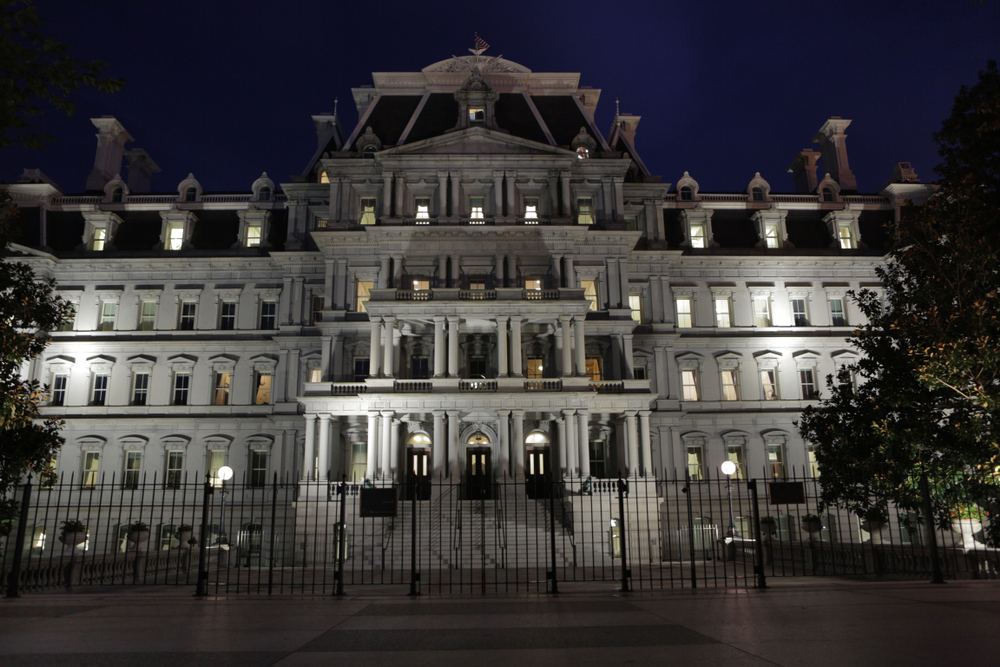
The findings may explain why certain places develop reputations for being haunted while others do not.
Many famous ghost stories happen inside aging buildings packed with mechanical systems capable of producing low-frequency vibrations. Creaking pipes, rumbling boilers, unstable ventilation systems, and vibrating foundations can all create infrasound without anyone noticing.
Researchers believe those hidden vibrations may slowly affect the nervous system, creating feelings people struggle to explain logically.
Someone walking through an old hospital basement might suddenly feel dizzy or anxious.
A person alone in a historic mansion could feel a wave of panic without understanding why.
Others report the strange sensation that someone is standing nearby even when the room is empty.
According to Schmaltz, those physical sensations may become psychologically linked to supernatural beliefs.
“What infrasound may do is supply a bit of bodily discomfort that a ghost or haunting explanation can then attach itself to,” he told The Guardian.
“For someone who is not inclined to think in terms of ghosts, the same sensation would probably just register as a stuffy, uncomfortable old building. For someone who is already primed, it might feel like proof of a spirit or presence.”
That idea matches years of psychological research showing that expectation strongly shapes paranormal experiences.
If people already believe a location is haunted, they tend to pay closer attention to every creak, shadow, temperature shift, and unusual feeling.
Small environmental details suddenly feel meaningful.
The human brain starts building a narrative around sensations that might otherwise seem ordinary.
The Human Brain Is Surprisingly Easy To Trick

Scientists studying paranormal experiences have repeatedly found that the brain can misinterpret incomplete information under stressful or unfamiliar conditions.
Darkness, isolation, exhaustion, fear, and expectation all increase the likelihood that people will misread what they see and feel.
Dr. Chris French, head of the Anomalistic Psychology Research Unit at Goldsmiths University in London, has spent years studying reports of ghosts and hauntings.
He says many paranormal experiences come from common psychological processes rather than supernatural events.
“When people hear the word ghost, you visualise ghosts walking through walls rattling chains,” French explained during a BBC interview.
“People do report stuff like that, but it’s very rare.
“It’s much more likely to be more vague sensations. A sense of presence. Feeling dizzy, changes in temperature, shivers up the spine.”
French and other researchers point to several factors that commonly create ghost-like experiences.
These include:
- Sleep paralysis
- Hallucinations caused by stress or exhaustion
- Pareidolia, which is the brain finding faces or shapes in random shadows
- Inattentional blindness, where the brain fills in missing information
- Environmental conditions like mold exposure or infrasound
Sleep paralysis is one of the most common explanations.
During certain stages of sleep, the brain temporarily paralyzes the body to stop people from physically acting out dreams. Sometimes a person wakes up before that paralysis fully ends.
The result can feel terrifying.
People may open their eyes but remain unable to move while hallucinating dark figures, threatening shapes, or a presence standing nearby.
Many historical ghost stories contain descriptions that closely resemble sleep paralysis episodes.
Researchers also point to pareidolia as another major factor.
The brain constantly tries to find patterns in incomplete information. That instinct helps humans survive, but it can also create false perceptions.
People see faces in clouds.
They hear words hidden inside random static.
They interpret shifting shadows as human figures.
Inside a dark building already rumored to be haunted, those tiny mental errors can quickly spiral into fear.
Scientists Built Artificial Haunted Rooms
Researchers have spent years trying to recreate haunted sensations under controlled conditions.
One of the most famous experiments involved creating an artificial haunted room filled with environmental triggers associated with paranormal experiences.
Scientists exposed volunteers to low-frequency sounds and electromagnetic fields while monitoring their reactions.
Many participants reported strange feelings.
Some felt sudden terror.
Others claimed they sensed an unseen presence nearby.
A few even believed they saw movement in the room.
But when researchers analyzed the results more closely, a fascinating pattern emerged.
The reactions were often strongest among people who had already been told they might experience something unusual.
Expectation itself appeared to shape the experience.
Chris French explained the phenomenon bluntly.
“If you say to a bunch of people, ‘if you go in that room, you might have some weird experiences,’ the more suggestible ones do.”
That does not mean the sensations are fake.
The fear feels completely real to the people experiencing it.
Heart rate increases.
Stress hormones rise.
The body enters a heightened emotional state.
What changes is the explanation attached to those feelings.
One person may think the building has poor ventilation.
Another may believe they just encountered a ghost.
The new infrasound study strengthens the argument that physical environmental conditions can quietly influence emotional reactions long before the brain consciously understands what is happening.
Haunted Houses May Have Another Hidden Problem
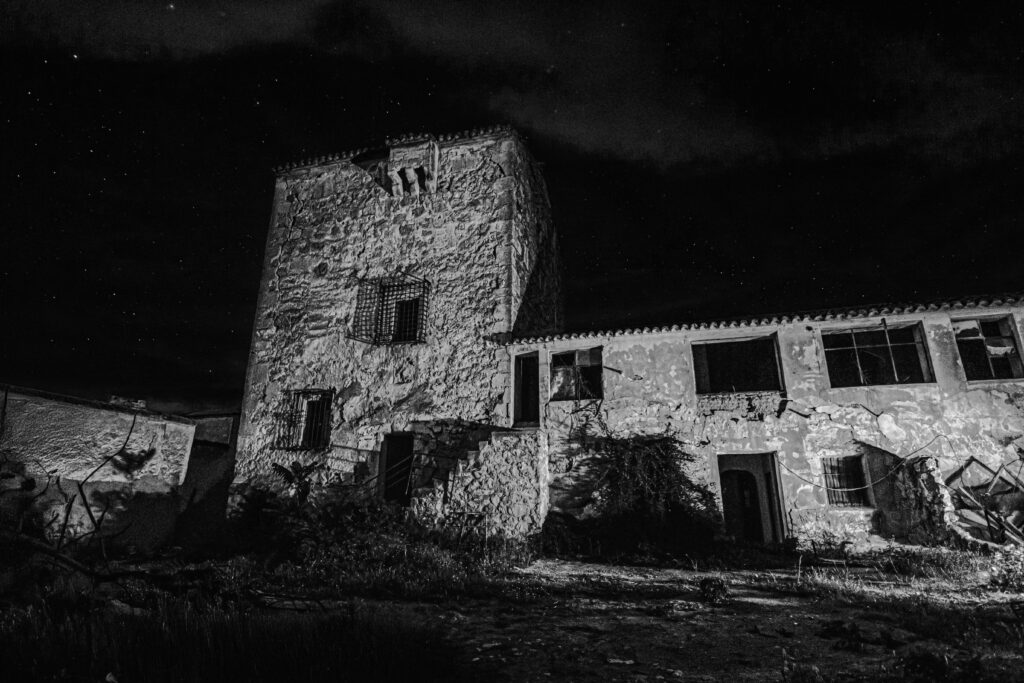
Infrasound is not the only scientific explanation connected to hauntings.
Researchers studying allegedly haunted locations have also found unusual patterns involving toxic mold exposure.
Dr. Shane Rogers, a civil and environmental engineering professor at Clarkson University in New York, became interested in the topic after noticing behavioral changes in his own children following mold exposure in his basement.
Later, while watching television programs about haunted houses, he noticed many featured visible mold problems.
That observation led to a larger investigation.
Rogers and his team studied 27 locations, including 13 sites widely considered haunted.
The results showed significantly higher levels of mold contamination inside the haunted buildings.
Certain molds are known to trigger neurological symptoms.
Exposure can cause dizziness, anxiety, breathing problems, fatigue, visual disturbances, and feelings of fear.
Some molds may even contribute to optical inflammation that creates floating shadows or blurry shapes in a person’s vision.
Rogers said the statistical difference between haunted and non-haunted sites was clear.
“We can say for certain from our samples that there is a statistically significant difference in the prevalence of mould at haunted locations,” he explained.
That finding adds another layer to the mystery.
People entering old, damp buildings may be dealing with several overlapping environmental stressors at once.
Low-frequency vibrations, mold exposure, darkness, isolation, and expectation could all combine to create an experience that genuinely feels paranormal.
Ghost Stories Exist In Nearly Every Culture
Despite growing scientific explanations, ghost stories continue to thrive around the world.
That is partly because the experiences themselves often feel deeply personal and emotionally convincing.
People remember the fear.
They remember the strange sensation that something invisible was nearby.
They remember hearing footsteps when nobody was there.
Scientific explanations do not always erase those memories.
Belief in ghosts also remains incredibly widespread.
Surveys conducted in the United States have repeatedly shown that a large percentage of adults believe spirits can haunt locations.
Television shows focused on paranormal investigations continue attracting huge audiences.
Social media platforms are flooded with alleged ghost videos, mysterious recordings, and stories from people convinced they experienced something supernatural.
Some of those stories later turn out to be hoaxes.
Others likely stem from misunderstanding ordinary environmental or psychological effects.
But a few remain difficult to fully explain.
Even researchers who strongly support scientific explanations admit there are still unanswered questions surrounding human perception and consciousness.
The new infrasound research does not claim to completely solve the mystery of ghosts.
It only offers a compelling explanation for why some places trigger fear and discomfort more intensely than others.
Researchers themselves were careful not to overstate their findings.
The study does not explain visual apparitions.
It does not prove every paranormal report comes from hidden sound waves.
And it certainly does not settle centuries of debate surrounding supernatural claims.
Still, the results help explain why the human body may react strongly inside environments long associated with hauntings.
Your Body May Notice Danger Before Your Brain Does
One of the most unsettling parts of the study is the possibility that humans unconsciously respond to environmental signals long before becoming aware of them.
Participants exposed to infrasound did not accurately identify when the hidden vibrations were active.
Consciously, they believed nothing unusual was happening.
Physiologically, their bodies told a different story.
Cortisol levels increased.
Irritation rose.
Mood shifted in a negative direction.
Researchers believe this may connect to ancient survival instincts.
Humans evolved to constantly monitor the environment for hidden threats.
Low-frequency vibrations in nature can signal danger.
Earthquakes, storms, avalanches, volcanic activity, and large predators all produce low-frequency sounds.
Some scientists suspect the nervous system evolved to treat certain vibrations as warning signs even without conscious awareness.
That theory could explain why certain spaces feel disturbing on an instinctive level.
The body reacts first.
The brain searches for a story afterward.
Inside an old building filled with darkness and strange sounds, that story often becomes supernatural.
The Ghost Debate Probably Is Not Ending Anytime Soon
Scientific explanations rarely erase powerful beliefs overnight.
People have told ghost stories for thousands of years. Ancient civilizations across Europe, Asia, Africa, and the Americas all developed traditions involving spirits, hauntings, and unexplained presences.
Those stories survived because they connect to something deeply human.
Fear of death.
Fear of the unknown.
The feeling that reality may contain things people still do not fully understand.
Modern science continues pulling apart many experiences once considered supernatural.
Sleep paralysis explains countless night terror stories.
Psychology explains how expectation shapes perception.
Neurology reveals how easily the brain can misinterpret incomplete information.
Now, infrasound may explain why certain environments physically feel terrifying.
But even with those answers, ghost stories continue to fascinate people.
There is still something strangely compelling about walking through a silent building late at night and feeling the hairs rise on the back of your neck.
The latest research suggests the sensation may come from hidden vibrations rather than restless spirits.
That explanation sounds rational on paper.
It also raises an uncomfortable possibility.
The next time someone feels watched inside an old house, their fear may not be imaginary after all.
Their body could simply be reacting to signals their ears never noticed.
Sources used: Frontiers in Behavioral Neuroscience study on infrasound exposure and cortisol response, BBC reporting on paranormal psychology research, and additional reporting from The Guardian and Science News on ghost perception and environmental factors.