
Your cart is currently empty!
Army Reduces Training Due to Billions in Funding Shortfalls
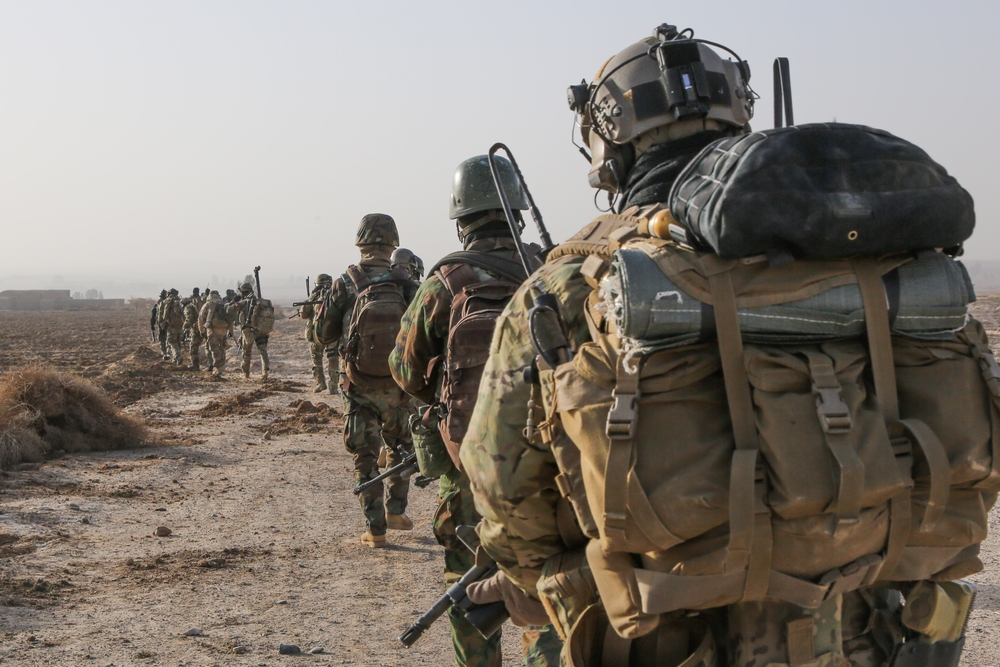
When soldiers step onto the training field, they are building the muscle memory and tactical instincts necessary to survive high-stakes environments. But a quiet crisis is currently unfolding behind the scenes that threatens to halt that essential preparation. Facing an unexpected budget shortfall reaching into the billions, the U.S. Army is being forced to abruptly cancel critical training courses and unit exercises across the country. As operational expenses drain available funds faster than anticipated, military commanders are left making difficult compromises between funding immediate missions and preparing troops for tomorrow.
Contents
show
A Sudden Multi-Billion Dollar Shortfall
The United States Army is running short on funds. Right now, the military branch is facing a budget gap estimated between $4 billion and $6 billion. To cover this massive deficit, the service has to make hard choices, starting with widespread cuts to training programs. According to internal documents and U.S. officials, these reductions affect everything from specialized military schools to standard unit preparations.
This financial gap comes from a growing list of responsibilities at home and abroad. The cost of supporting overseas conflicts and expanding operations at the southern U.S. border has drained resources much faster than anticipated. On top of that, frequent National Guard deployments and high fuel prices have made the situation worse. Representative Betty McCollum pointed out this exact problem during a recent congressional hearing, explaining that paying more for fuel leaves less money for the exercises service members rely on.
As a result, courses are being canceled abruptly, just months before the fiscal year ends on September 30. For a soldier, training is about physical safety and career growth, not just checking a box. Army spokesperson Colonel Marty Meiners noted that commanders are doing what they can to prioritize essential operations and stay within the current budget. Even so, paying for active missions right now is directly limiting how well troops can prepare for the future.
Canceled Courses and Career Delays

The immediate fallout from the budget shortfall is being felt in classrooms and training fields across the country. Specialized courses that teach advanced skills are being postponed or completely canceled. This includes air assault school, where soldiers learn to rappel from helicopters, and essential airborne training. These are not just extra activities; they are core competencies that define how the military operates in modern combat scenarios.
Beyond specialized schools, routine training is also taking a hit. Local exercises that keep units sharp are being scaled back. According to officials familiar with the situation, the goal is to cut costs without totally halting operations. But even minor cuts add up quickly. A canceled training rotation means a unit might deploy without the latest tactical knowledge or hands-on practice. It means soldiers are missing out on the repetitions that make teamwork instinctual under pressure.
These cancellations also have a direct impact on individual career paths. In the military, promotions are often tied to completing specific courses and earning new qualifications. When a soldier cannot attend leadership training or earn a specialized badge because the class was cut, their career progression stalls. This creates a frustrating situation for service members who are eager to advance but find their opportunities limited by financial constraints outside their control. It is a harsh reality where budget sheets directly dictate the professional growth of the men and women in uniform.
Halving the Force’s Edge
When funding dries up, the consequences extend far beyond individual classrooms. Entire divisions are now feeling the squeeze, raising serious concerns about long-term combat readiness. According to internal military assessments, massive formations like the III Armored Corps are staring down severe reductions. This specific corps is home to roughly 70,000 soldiers and represents a significant portion of the Army’s heavy combat power. Planners warn that some of these units could see their formation budgets slashed by as much as half.
This drastic reduction is hitting aviation units especially hard. Flight hours are incredibly expensive, and budget planners are currently scaling back pilot training to the bare minimum mandatory levels. For an aviator, consistent flight time is not a luxury; it is a critical safety requirement. Spending fewer hours in the cockpit degrades muscle memory and instinct, which are vital when operating complex machinery in high-stress environments.
The concern among military leaders is that these deep cuts will create a readiness hole that takes significant time to climb out of. Briefings indicate that even if funding is fully restored tomorrow, it could take an entire year to rebuild the level of combat proficiency currently being lost. Teamwork and unit cohesion are forged through consistent, realistic practice on live-fire ranges and during large-scale maneuvers. By shuffling these essential exercises to the back of the line to save money, the military is forced to borrow against its future preparedness. It is a precarious situation that asks dedicated service members to maintain their high standards with dwindling resources.
The Financial Drain of Domestic Deployments
While overseas conflicts command public attention, a substantial portion of the Army’s budget shortfall stems from domestic operations and internal administrative expenses. Recent federal troop deployments to U.S. cities have proven exceptionally costly. In January, the Congressional Budget Office estimated these specific urban deployments cost approximately $496 million in 2025 alone. If these missions continue at their current pace, the financial burden is projected to run about $93 million every single month.
Adding to this strain is an unusual bureaucratic hurdle: the Army is temporarily covering certain expenses related to the Department of Homeland Security. When the military has to foot the bill for other federal agencies, the available pool of money shrinks rapidly. These unexpected domestic obligations mean that funds originally meant for base operations and unit readiness are being redirected just to keep current missions afloat.
Rising personnel expenses are another major factor complicating the budget. Paying, housing, and providing healthcare for troops costs more now than in previous years. When these fixed personnel costs rise at the same time the military is covering extra domestic operations, the math simply does not work out in favor of the troops. Training becomes the most accessible place to find extra cash. As a result, the financial demands of operations at home are directly eroding the very training programs designed to keep soldiers safe and prepared.
Underfunded and Unprepared
As the fiscal year ends, military leaders and lawmakers are working to stop the budget crisis from causing lasting damage to the armed forces. Congress may need to approve extra funding to cover the growing gap. Until that happens, the Army must keep operating with limited resources, leading to cuts in training, flight hours, and major exercises that help troops stay prepared.
Officials say rebuilding readiness will take time, even after funding improves. Some units may need up to a year to fully recover lost training and coordination. Experts warn that without stable defense funding, military preparedness and modernization will continue to suffer. Service members continue adapting, but keeping the military ready depends on having the funding and resources needed to train and operate effectively.