
Your cart is currently empty!
Why Do Jeans Have Metal Rivets on the Pockets? A 150-Year-Old Answer Most People Have Never Heard
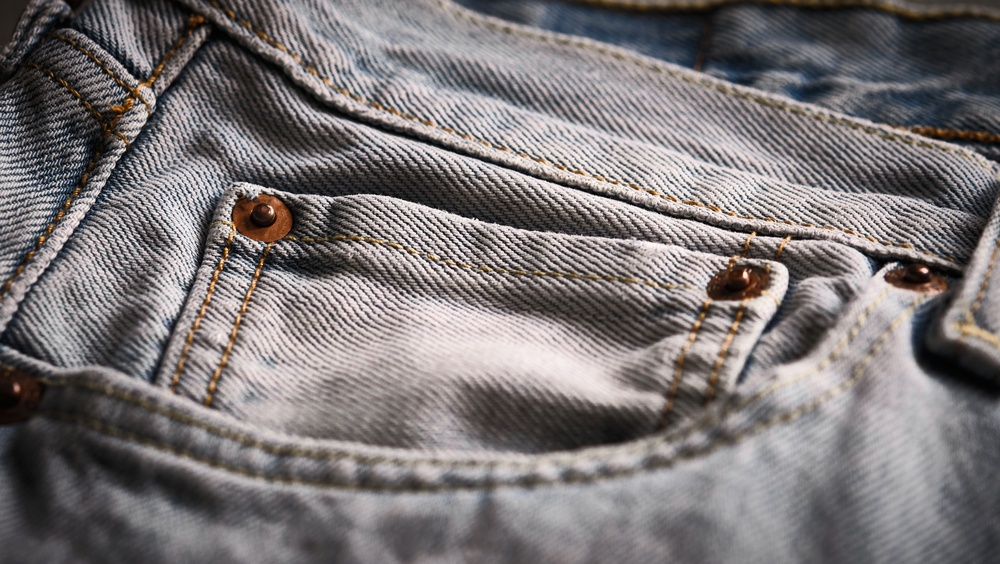
Look down at a pair of jeans and count the small metal studs sitting at the corners of the pockets. Most people have seen them every day for most of their lives and never once stopped to ask what they are doing there. Fashion has trained most wearers to read them as decoration, a subtle hardware detail that gives denim its utilitarian character. But decoration had nothing to do with why they were put there in the first place, and the actual reason reaches back more than 150 years to a problem that was driving laborers and tailors across the American West to their limits.
Contents
show
Behind those tiny copper studs sits a story of frustration, practical ingenuity, a business partnership formed out of necessity, and an inventor whose name nearly vanished from history entirely. Before getting to any of that, it helps to understand just how badly the original jeans were failing the people who wore them.
Hidden Weakness of Laborers’ Pants
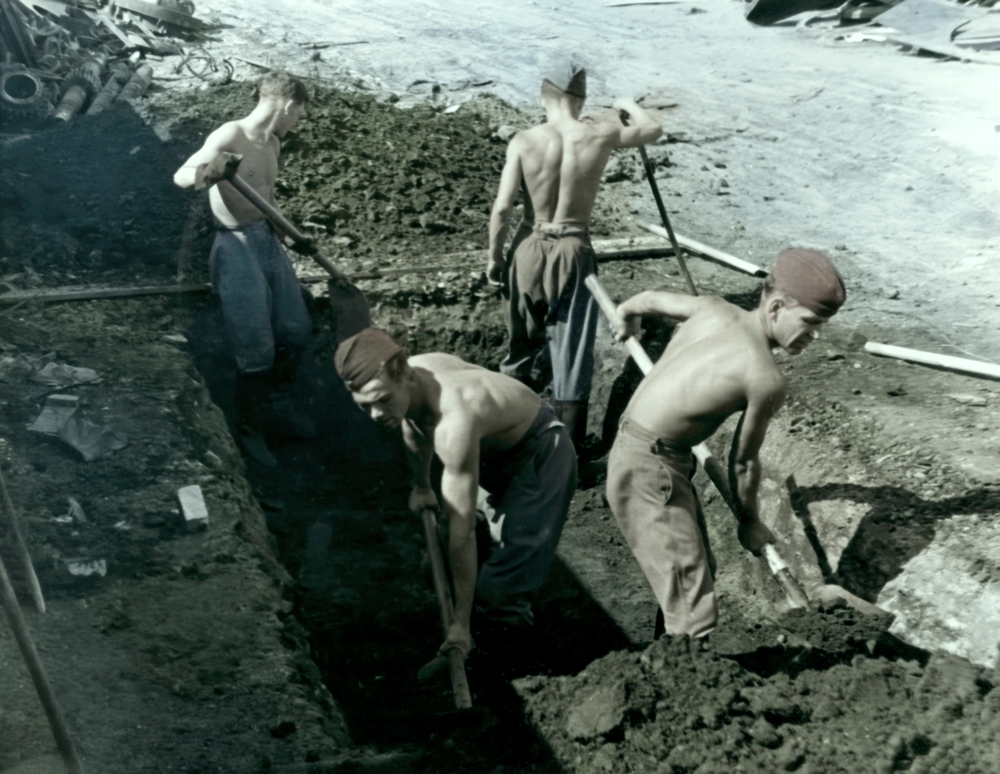
During the late 1870s, denim trousers were working clothes, worn almost exclusively by laborers who spent their days in conditions that tested every seam. Miners worked underground in narrow shafts, crouching, crawling, and hauling equipment. Railroad workers swung hammers and crouched to drive spikes. Lumbermen pushed saws back and forth in long, sustained strokes. Each of those movements placed sudden, concentrated force on specific points of the fabric rather than distributing stress across the whole garment.
Pockets were among the worst offenders. Every time a worker reached in or pulled something out, the corner of the pocket bore the full tension of that motion. Button flies and the base of the crotch seam were equally vulnerable. What made the tearing so maddening was that it rarely came from gradual wear over months of use. A single crouch, a single heavy pull, and a pair of trousers that had been perfectly intact that morning would come apart at the seam by afternoon. Tailors across the region were fielding a steady stream of repair work, and nobody seemed to have a better solution than stitching the same spots back together and waiting for them to tear again.
Jacob Davis and the Moment the Idea Clicked
Jacob Davis was a Latvian immigrant working as a tailor in Reno, Nevada, and the repair cycle was as familiar to him as it was to anyone in his trade. What set him apart was that he also made horse blankets, harnesses, and tents, all of which he reinforced with copper metal rivets to keep them from separating under stress. At some point, the connection between those two parts of his work became impossible to ignore.
The moment that pushed Davis toward a solution came through a direct request. As Nancy Davis, curator of the American History Museum, described it, “A miner’s wife came up to Davis and asked him to come up with pants that could withstand some abuse.” Davis looked at the rivets he was already using on harnesses and other heavy goods and reasoned that the same hardware could anchor the stress points in work trousers. Rather than stitching the corners of pockets and the base of the button fly, he hammered copper rivets into those spots and handed the trousers back.
Local miners bought riveted trousers as fast as Davis could produce them. Word spread quickly among working men who had grown tired of splitting seams, and demand outpaced what a single tailor could manage on his own. Davis had stumbled onto something that solved a genuine, daily problem for a large number of people, and he knew it.
Levi Strauss Entered the Picture
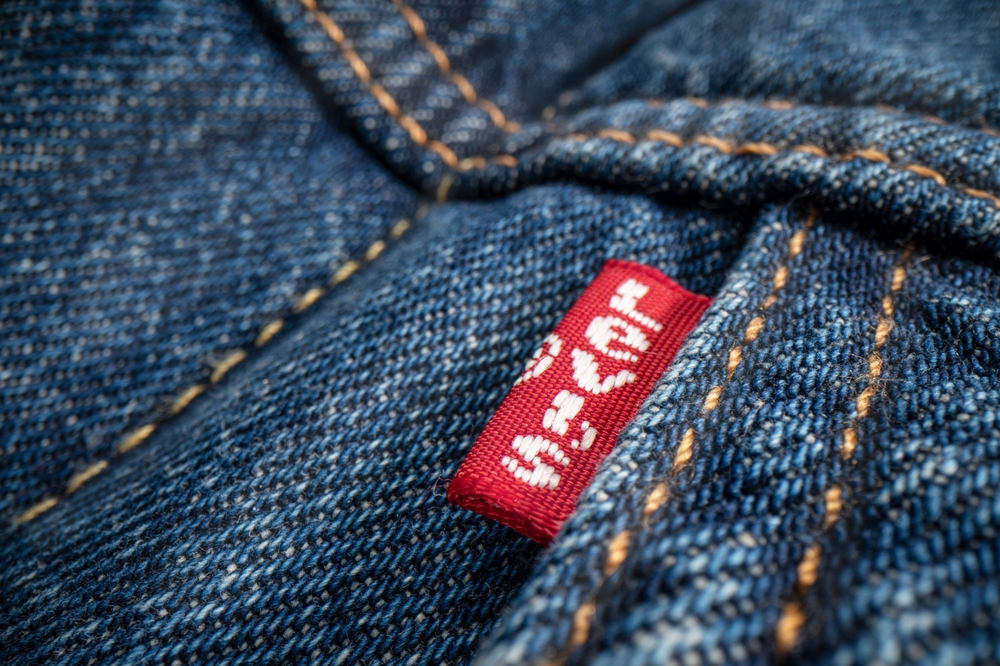
Protecting the idea legally required a patent, and filing a patent required money that Davis did not have. He turned to the most logical person available, a man named Levi Strauss, who happened to be the supplier Davis had been buying his denim from.
Strauss was a Bavarian-born dry goods merchant who had arrived in San Francisco in 1853 at the age of 24 to establish a West Coast branch of his brothers’ New York wholesale business. Over the following two decades, he had built a well-regarded operation selling fabric, clothing, and dry goods to small stores opening across California and the wider American West during the Gold Rush years. By the time Davis wrote to him in 1872, Strauss was a respected businessman with both the financial resources and the commercial instincts to recognize a good opportunity.
Davis proposed that the two men hold the patent together. Strauss agreed without hesitation. What followed was one of the more consequential business partnerships in American apparel history, formed not out of grand ambition but out of a tailor’s practical need for a funding partner.
May 20, 1873. When Blue Jeans Were Born
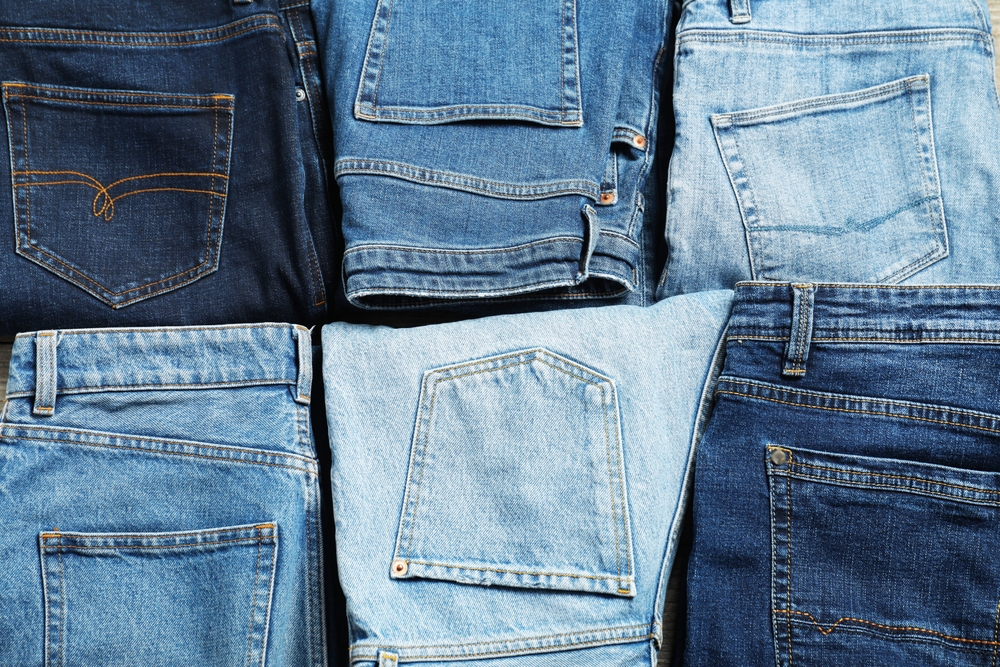
On May 20, 1873, Strauss and Davis received United States patent number 139,121 from the Patent and Trademark Office for their “Improvement in Fastening Pocket-Openings.” Production of riveted trousers began in earnest under the Levi Strauss and Co. name, and the garment found its market almost immediately among American workers.
Levi Strauss and Co. considers May 20, 1873, the official birthday of blue jeans, not because denim trousers were new, but because the addition of rivets was what transformed ordinary workwear into the garment that would eventually become the most widely worn item of clothing on earth. Even the original design carried details still recognizable today. One back pocket with the arcuate stitching, a watch pocket, suspender buttons, and a cinch are all featured in the first riveted pair, alongside a rivet in the crotch and exposed rivets on the back pockets.
Labels on early pairs carried a declaration that left no room for confusion about what distinguished them from everything else on the market. “Patent Riveted Duck & Denim Clothing … Every Pair Guaranteed. None Genuine Unless Bearing This Label.” Within a short time, the riveted jean had moved from a regional curiosity to a staple of American working life. By the time the patent expired in 1890, Levi Strauss and Co. was an established name among laborers across the country.
Worth noting, too, is that nobody called them jeans at the time. For most of their early life, the garment went by “waist overalls” or simply “overalls.” Baby boomers adopted the name jeans in 1960, and the older terminology faded out of common use.
What Happened to Jacob Davis
After production scaled up under the Levi Strauss and Co. name, Davis moved to San Francisco to oversee manufacturing while Strauss managed the brand and business side. As the company grew, “Levi’s” became a generic term for blue jeans in everyday speech, and the broader origin story began to blur in public memory. Davis’s name receded as Strauss’s became synonymous with the product itself.
Whatever records might have anchored Davis’s story more firmly in public history took a significant blow in 1906, when the San Francisco earthquake and the three-day fire that followed destroyed much of the company’s early documentation, including records that might have preserved a clearer account of his contribution. Fashion historians are largely the ones who kept his name alive afterward. Most people who wear jeans today have never heard of him.
150 Years of Holding It Together

Rivets are a rare example in fashion of a functional detail that has survived more or less unchanged for over 150 years because it has never stopped doing its job. Most elements of clothing that carry historical weight have been softened, reinterpreted, or aestheticized until their original purpose is barely legible. Jean rivets are still sitting in the same corners, still bearing the same stress, still made of the same basic material that Davis hammered into those first trousers in Reno.
Fashion borrows heavily from function, and jeans carry that relationship more honestly than almost anything else in a wardrobe. Every pair produced since 1873 carries a direct line back to a tailor who could not stop thinking about a better way to keep pockets from tearing, a fabric supplier who recognized a good idea when he read one, and a garment that refused to come apart under pressure. Those small copper studs are the oldest part of that story still intact, sitting in plain sight on the most popular item of clothing ever made.