
Your cart is currently empty!
The Vintage Items From the 70s and 80s People Still Refuse to Throw Away
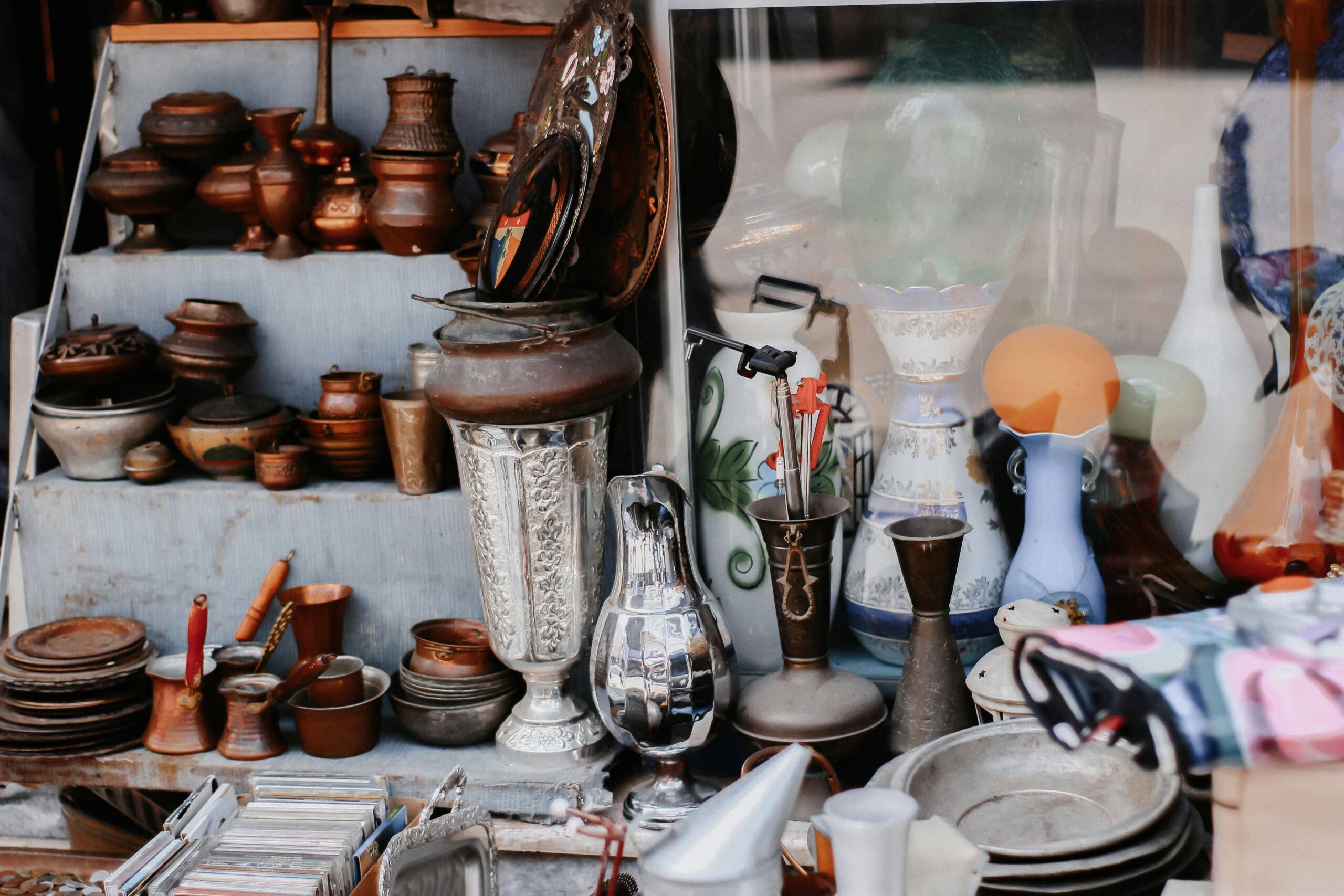
A dusty cassette tape. A fading concert shirt. A cast-iron skillet that still cooks dinner better than anything sold today.
Contents
show
People online recently started sharing the possessions from the 1970s and 1980s they still own, and the responses quickly turned into something bigger than nostalgia. The stories revealed how everyday objects became emotional time capsules, carrying decades of memories, family history, and proof that some things were built to survive.
From handwritten recipe cards to vintage motorcycles, the internet was flooded with reminders that the most valuable things in a home are not always the newest ones.
Vinyl Records That Outlived Every Music Trend
One person proudly wrote, “I still have, and use, my vinyl records I bought in the 70s.” Another added that they would never give up their radio either.
Vinyl records were once treated like outdated clutter when CDs and streaming took over. Entire collections were donated, tossed out, or left in garages. Now, many original pressings are worth serious money, while others hold value for reasons no auction could measure.
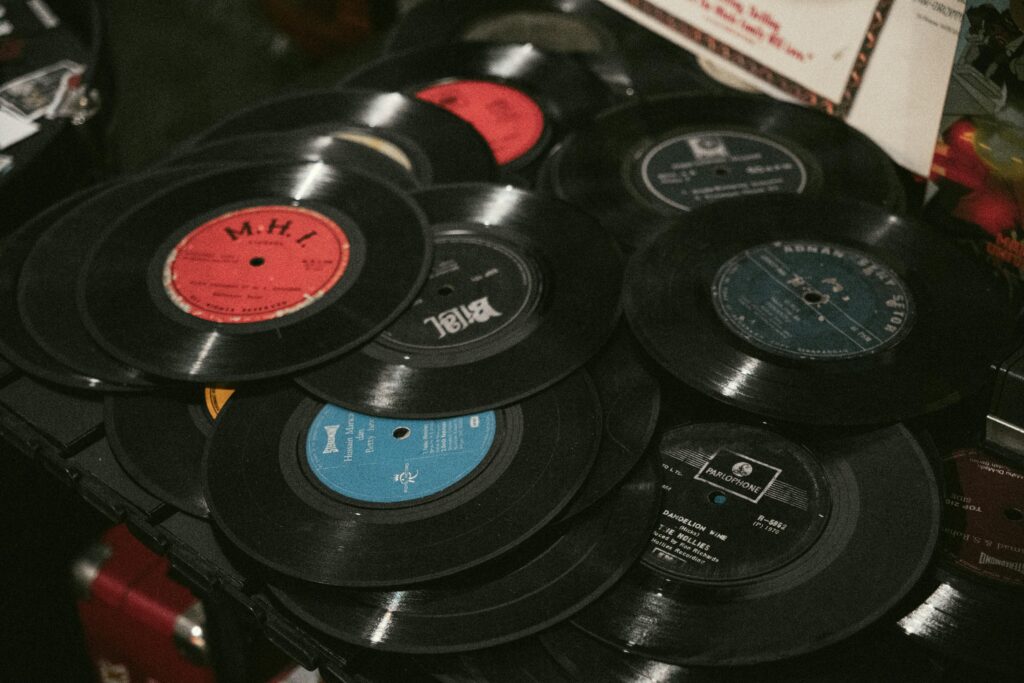
For many people, records are tied to specific moments in life. A scratched Fleetwood Mac album might remind someone of a first apartment. An old Beatles record can instantly bring back memories of a childhood living room.
Unlike digital playlists, vinyl demands attention. You pick the album, lower the needle, and stay present for the experience. That ritual is part of why younger generations are suddenly embracing turntables again.
Collectors also point out that older records often came with artwork, lyric inserts, and packaging that made music feel more personal.
The Motorcycle That Refused To Retire
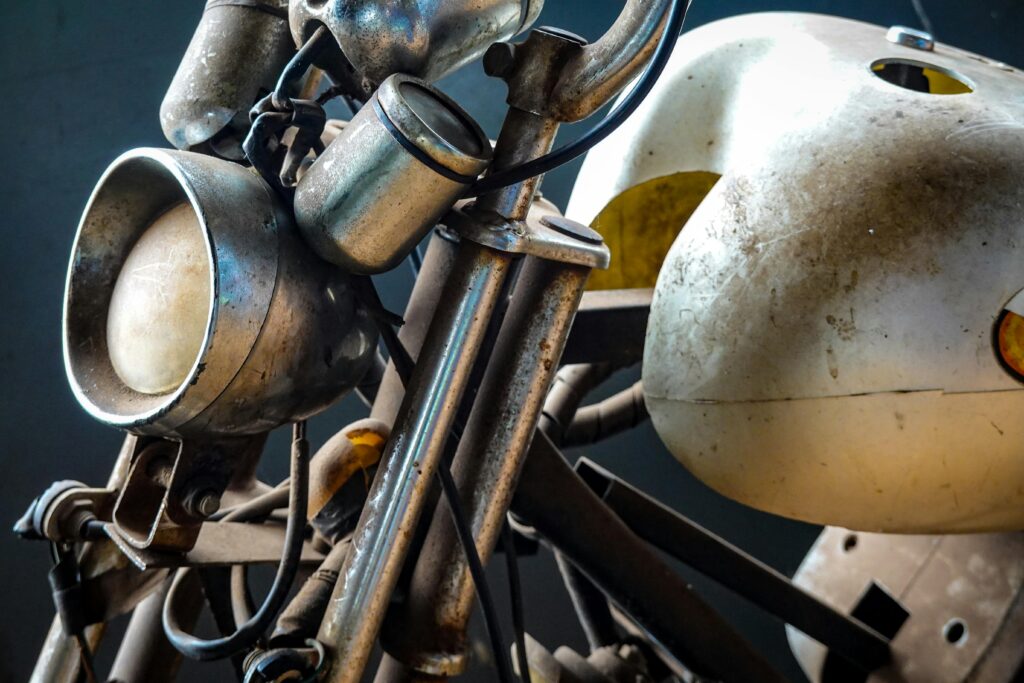
Among the replies was a simple but impressive answer: “1985 Honda 650 Nighthawk.”
Vintage motorcycles from the late ‘70s and ‘80s have become symbols of durability. Owners often describe them as machines that can survive decades with regular maintenance and care.
The Honda Nighthawk earned a reputation for reliability, and many riders still use them daily. Unlike some modern vehicles filled with electronics and expensive repair systems, older bikes were built with straightforward mechanics.
For longtime owners, keeping these motorcycles running becomes part hobby and part personal identity.
Classic vehicles also carry emotional weight because they often represent freedom. For many people who grew up during that era, a motorcycle was tied to independence, road trips, first jobs, and early adulthood.
That connection is hard to replace with something fresh off a dealership floor.
Handmade Pottery Became A Family Heirloom
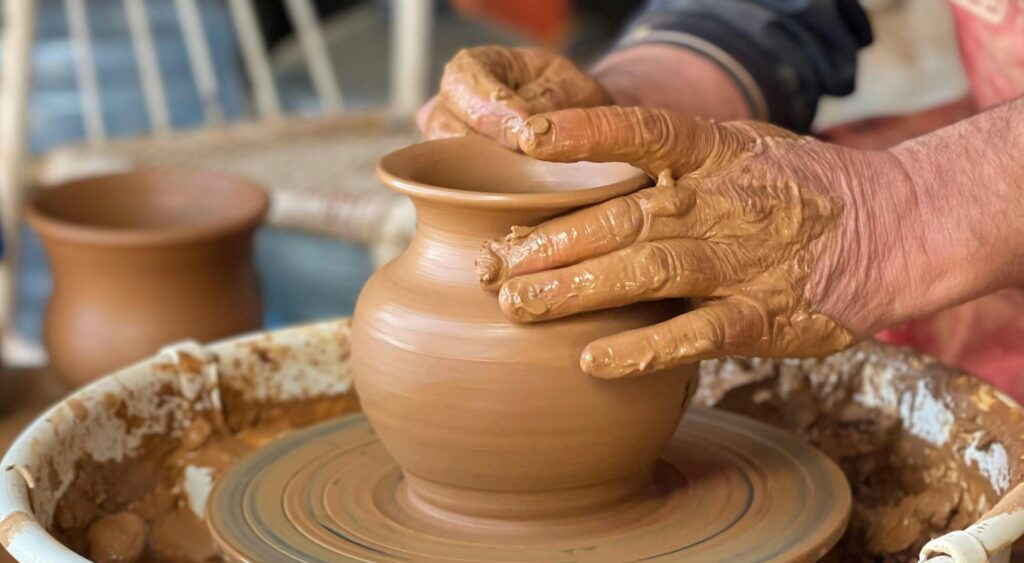
One of the most emotional responses came from a person who shared, “The mushroom design pottery my mom made around 1980. Mushrooms were very trendy then, and she was very crafty. Now it all just reminds me of her.”
That comment resonated with thousands of readers because handmade items often become impossible to part with.
The mushroom aesthetic exploded during the 1970s. It appeared on kitchenware, wallpaper, lamps, and ceramics. Decades later, that earthy style has become fashionable again, especially among younger buyers hunting for vintage decor.
But sentimental value matters more than trends.
Another person mentioned that their mother made awkward celery serving dishes they still could not throw away.
Those pieces represent time, effort, and personality. They carry fingerprints from people who may no longer be around.
Unlike factory-made products, handmade items feel deeply connected to the person who created them.
Beauty Products Somehow Survived Half A Century
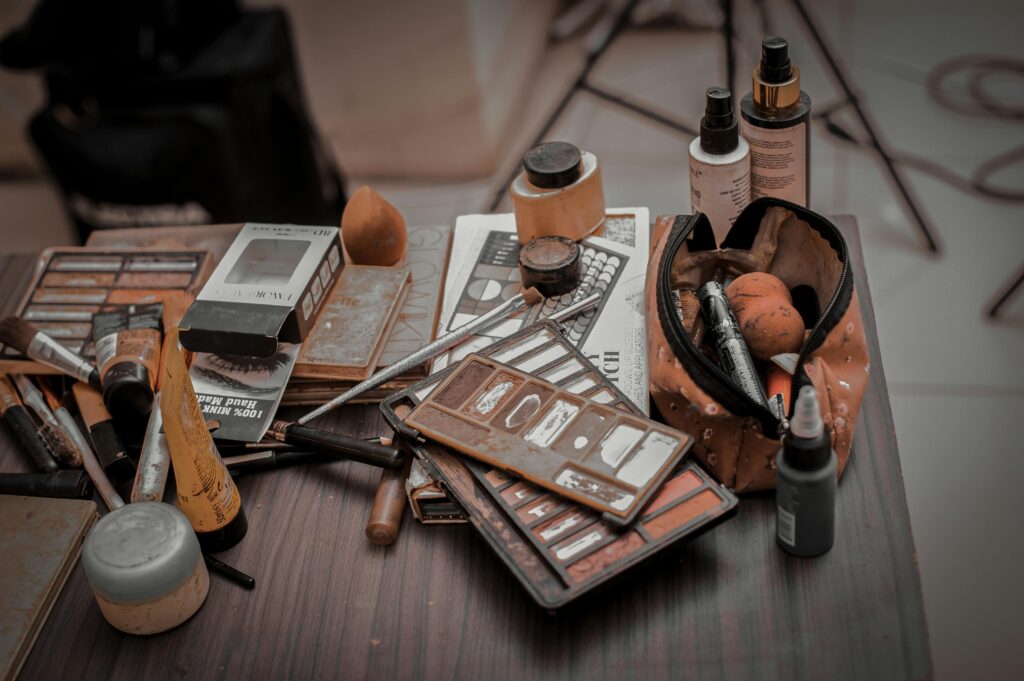
One commenter admitted they still use their hot rollers from the 1970s.
Another person shared a surprisingly heartbreaking story about a blow dryer from 1975 finally dying “in a puff of smoke” after decades of use.
The replies quickly filled with jokes and warnings about old appliances.
Vintage beauty tools were often built with heavy materials and simple mechanisms that allowed them to survive for decades. Some modern products barely last a few years before failing.
At the same time, people acknowledged that older technology sometimes came with hidden dangers.
One user joked that those old blow dryers were probably blasting asbestos particles directly into people’s faces.
Still, many owners hold onto vintage beauty products because they connect them to youth, routines, and memories of parents or grandparents getting ready for work or special occasions.
Concert T-Shirts Became Wearable Time Capsules
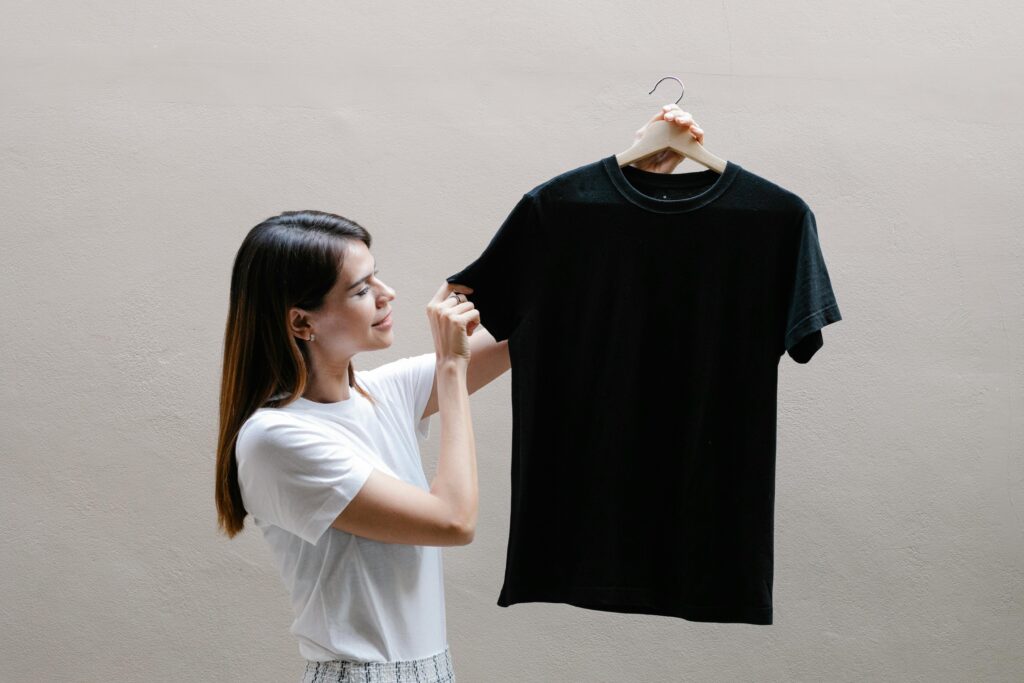
A surprising number of people still own original concert shirts from the ‘70s and ‘80s.
One person still has a 1981 Rolling Stones shirt along with their mother’s 1972 McGovern campaign shirt. Another proudly shared that they still own a Queen tour shirt from 1982.
Vintage band merchandise has become a booming resale market, with some shirts selling for hundreds or even thousands of dollars.
But owners rarely care about resale value.
Old concert shirts preserve a specific moment in time. They capture the excitement of standing in a packed arena, hearing a favorite song live, and feeling connected to thousands of strangers.
Even the fading fabric tells part of the story.
One person joked that their shirt had mysteriously become tighter over the years. That comment alone sparked hundreds of responses from people relating to aging alongside the clothes they refused to throw away.
The Pet Rock That Never Caused Trouble
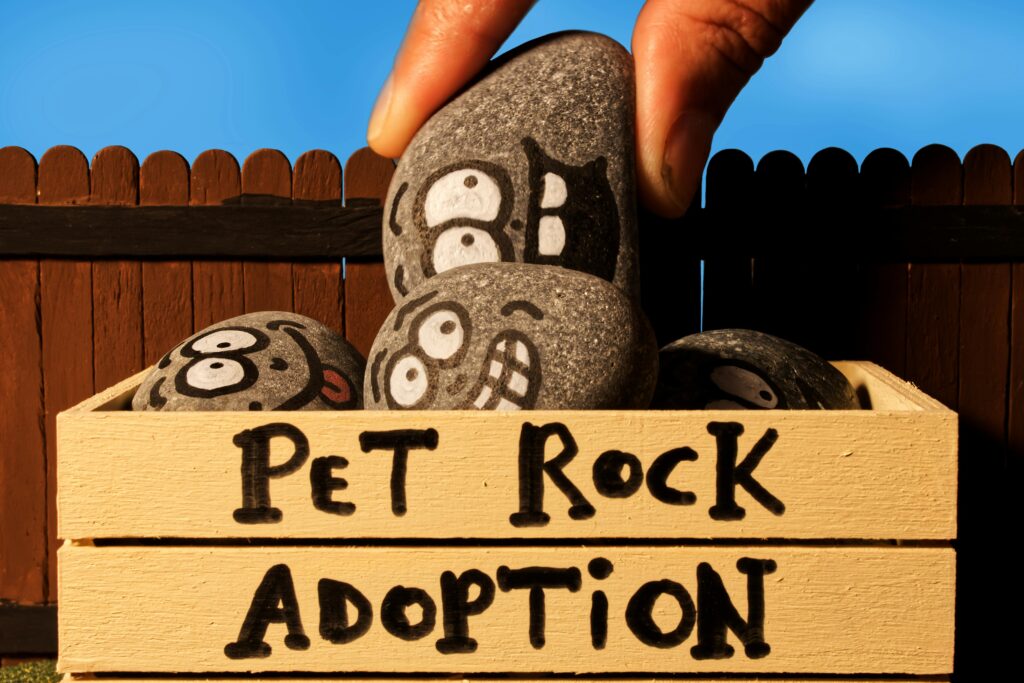
One reply stood out for pure comedy: “A Pet Rock that I named Rocco. Housebroken and well behaved.”
The Pet Rock craze became one of the strangest pop culture phenomena of the 1970s.
Created as a joke gift, the product sold millions despite being exactly what the name promised: an ordinary rock packaged like a pet.
What made the trend memorable was not the object itself, but the shared absurdity surrounding it.
People still laugh about the idea decades later because it perfectly captures the quirky humor of the era.
Vintage novelty items often survive because they trigger stories. Nobody pulls out an old Pet Rock without immediately explaining where it came from.
Cast-Iron Cookware Is Still Dominating Kitchens
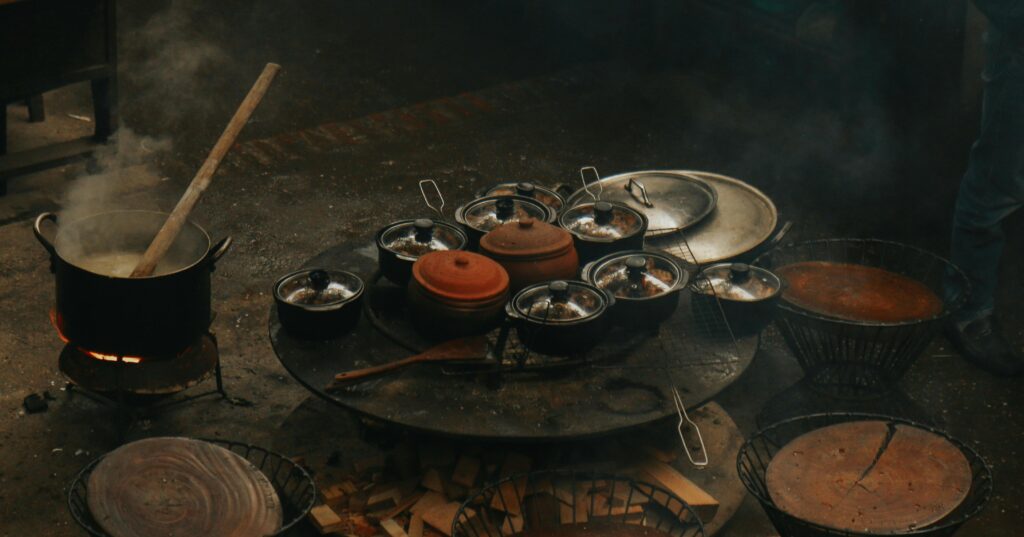
Several people mentioned kitchen items that continue to outperform newer products.
One person said they still use their mother’s cast-iron skillet. Another wrote that nearly their entire kitchen is filled with items from the 1970s or older because everything still works.
Cast iron has become hugely popular again, especially among younger homeowners interested in cooking and sustainable living.
Unlike cheap nonstick pans that wear out quickly, cast-iron cookware can survive generations if maintained properly.
Older cookware also reflected a different manufacturing era.
Products were often made heavier, simpler, and easier to repair. Many people online argued that companies once expected products to last, while modern manufacturing often prioritizes replacement cycles.
That frustration appeared throughout the discussion.
People repeatedly described older possessions as dependable, repairable, and worth keeping.
The Knife That Still Slices Tomatoes Paper-Thin
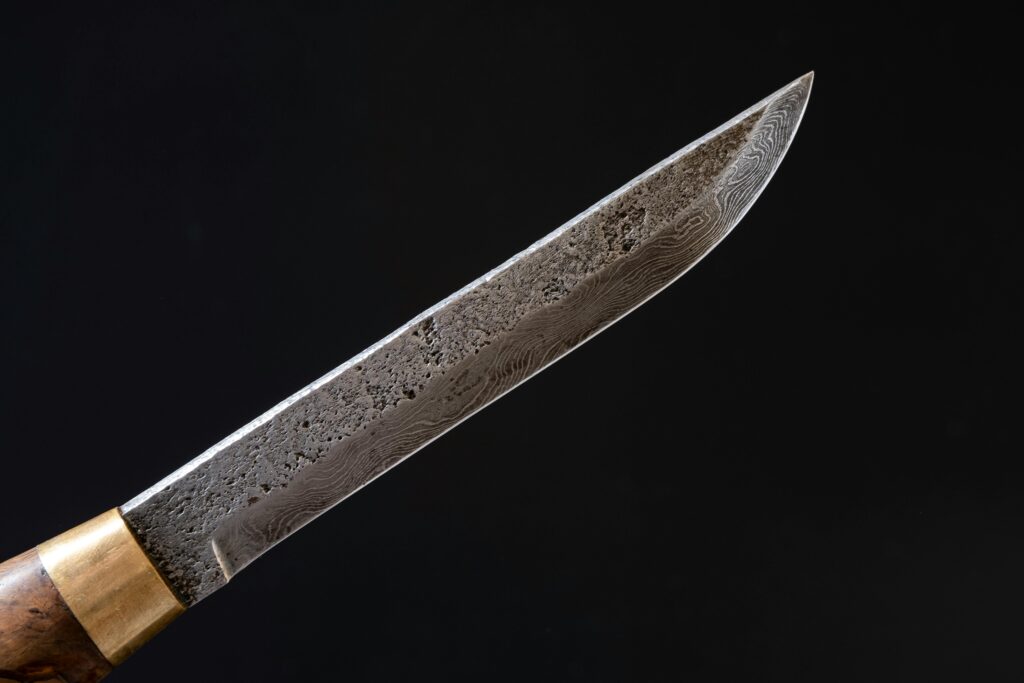
One user wrote, “The best knife I own was my grandmother’s who owned a restaurant. It can slice tomatoes paper-thin.”
Kitchen knives from earlier decades were often made from high-quality steel designed for years of sharpening and reuse.
That stands in sharp contrast to many modern kitchen tools marketed as disposable or temporary.
But the emotional connection matters just as much as the craftsmanship.
Using a grandparent’s kitchen knife turns ordinary cooking into a continuation of family history.
Every meal carries a reminder of who once stood in the same kitchen preparing food for others.
Objects tied to routines often become especially difficult to replace because they quietly attach themselves to daily life.
Old Cookware Came With Unexpected Love Stories
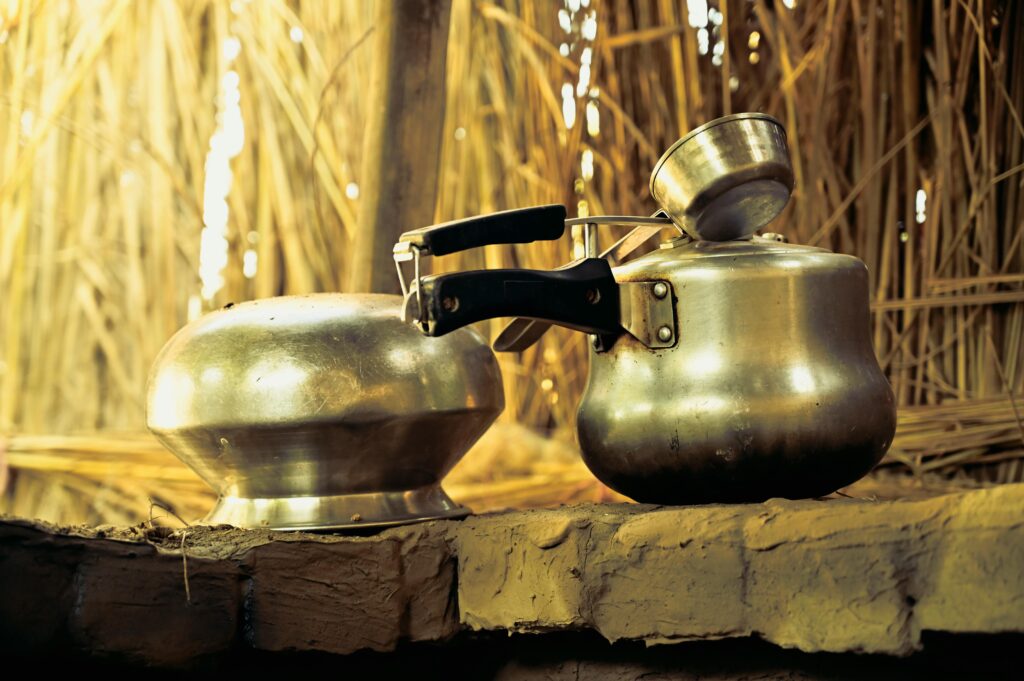
One of the funniest stories involved a man who bought a Thermo-Core cookware set from a “pretty young co-ed” selling them during college.
He admitted he was “clearly not thinking with my brain” when he purchased the expensive set.
Nearly 50 years later, he still uses the same pots.
Stories like that reveal why vintage possessions matter so much.
The item itself is only part of the memory. The real value comes from the people, circumstances, and emotions surrounding it.
An old pot can suddenly become a reminder of college years, awkward flirting, or the beginning of adulthood.
That emotional layering turns ordinary objects into personal artifacts.
Long Marriages Became The Most Valuable Possessions
Not every answer involved a physical object.
One person wrote, “My wife of 59 years. I married up.” Another proudly celebrated being married for 30 years.
A third commenter shared that they had known their husband since high school in the 1970s.
Those responses shifted the entire tone of the discussion.
Amid stories about records and appliances, people were reminded that the longest-lasting things in life are often relationships.
Readers flooded those comments with admiration because enduring relationships now feel increasingly rare in an era shaped by constant change.
The simplicity of those replies also made them stand out.
No dramatic storytelling was needed.
The years alone carried the emotional impact.
Old Tools Still Work Better Than New Ones
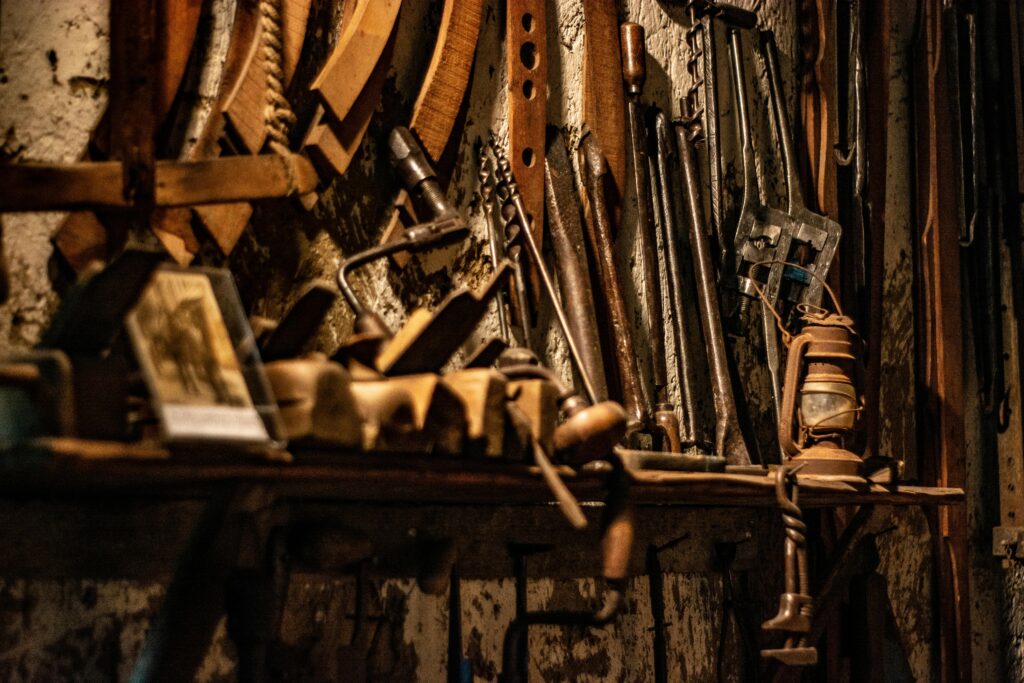
One person shared that they still own tools from when they started working in the 1970s, including chisels, hammers, wrenches, and planes.
Vintage tools have become highly respected among collectors and tradespeople because many were built from stronger materials than modern mass-produced alternatives.
Older tools were designed to be repaired, sharpened, and passed down.
That philosophy has become increasingly attractive to younger generations frustrated by disposable consumer culture.
Many people online described modern products as temporary by design.
By comparison, older tools represent permanence.
The same hammer that helped build one generation’s home can still be used by their grandchildren decades later.
Sewing Machines Became Symbols Of Craftsmanship
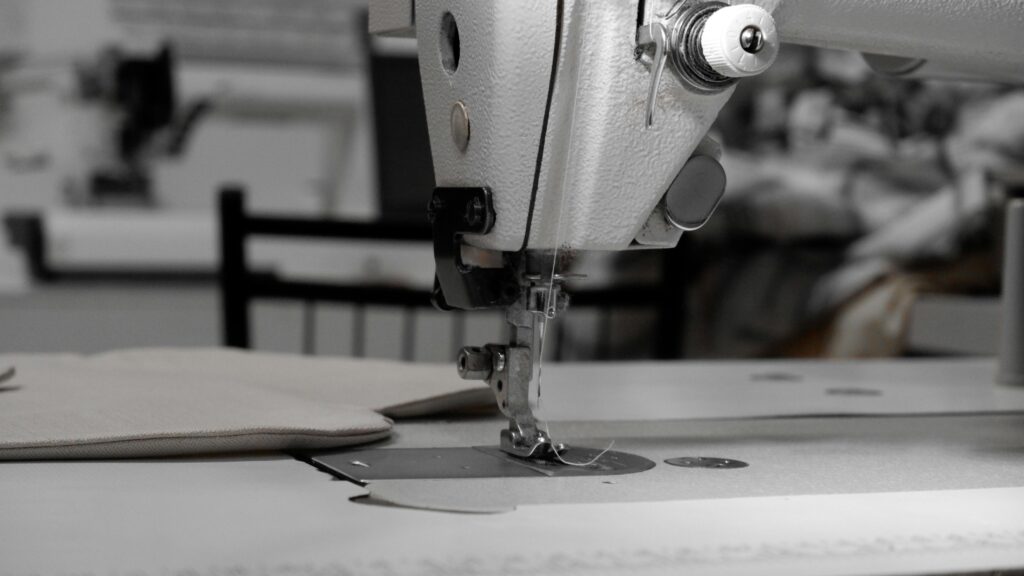
One person proudly mentioned still using a Bernina sewing machine received as a graduation gift in 1974.
Vintage sewing machines have exploded in popularity online, especially on TikTok and among thrifting communities.
Many older machines were made almost entirely from metal components, making them remarkably durable.
Modern machines often rely more heavily on plastic parts and electronic systems.
Vintage sewing enthusiasts also appreciate the tactile experience.
Older machines feel mechanical, sturdy, and repairable.
For some owners, sewing machines carry memories of parents teaching them how to hem clothes, repair fabric, or make handmade gifts.
Those associations transform practical tools into emotional keepsakes.
Childhood Toys Became Priceless Overnight
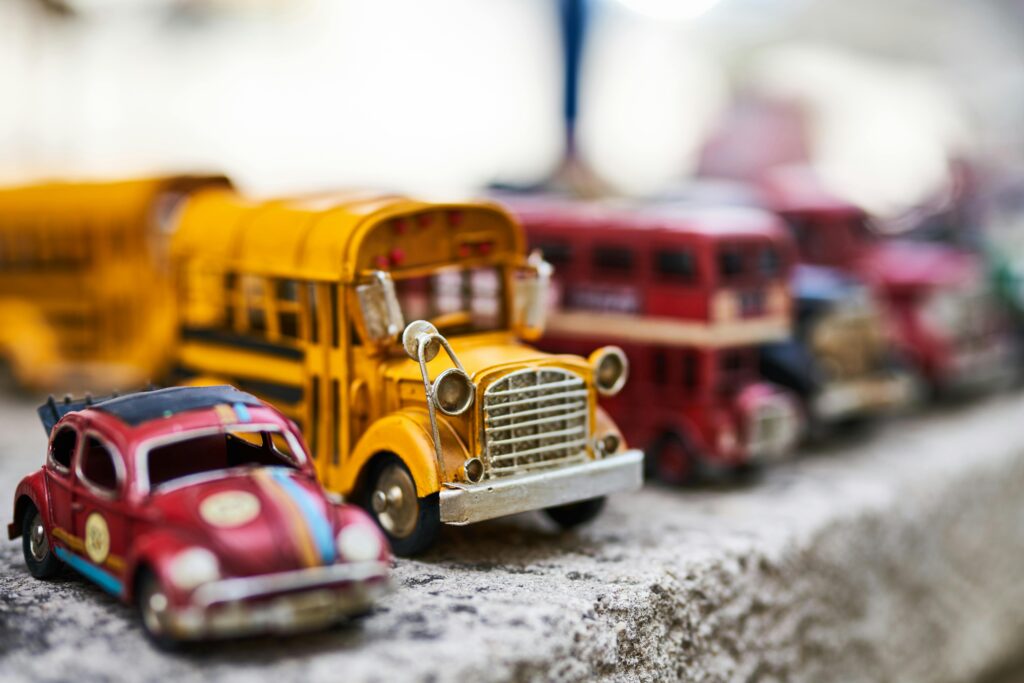
Toys appeared constantly throughout the discussion.
People mentioned Cabbage Patch Kids, Care Bears, Alf stuffed animals, Kenner Star Wars figures, and mood rings.
One person wrote that their grandmother “legit fought” to get them a Cabbage Patch Kid.
That line instantly transported readers back to the toy crazes of the 1980s, when parents lined up outside stores for popular gifts.
Many toys from that era are now valuable collector’s items.
Still, most owners described them as “worthless and priceless at the same time.”
That contradiction captures nostalgia perfectly.
The financial value matters less than the emotional connection.
A stuffed animal missing an eye can still feel irreplaceable if it survived childhood alongside its owner.
Books Became Anchors To Earlier Versions Of Ourselves
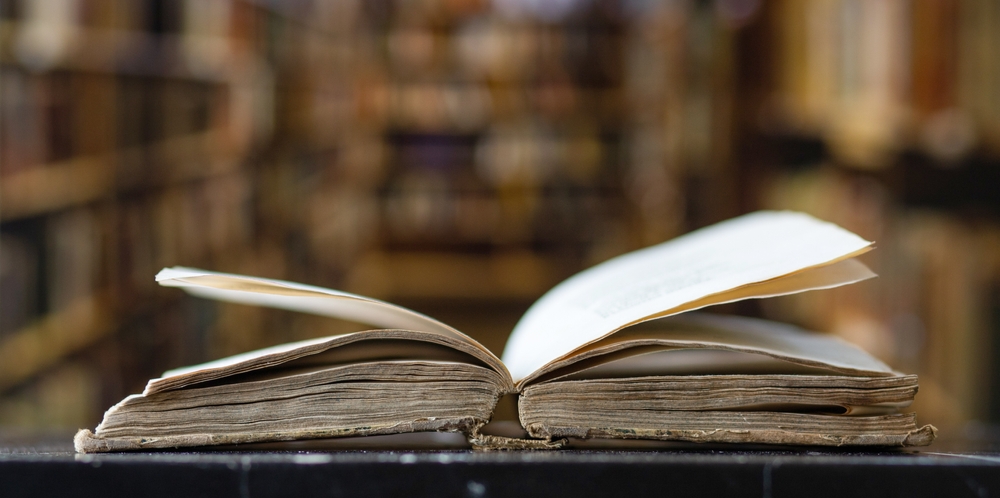
Several people admitted they still own books from high school and childhood.
Titles like Charlotte’s Web, Lord of the Flies, 1984, The Diary of Anne Frank, and The Lord of the Rings appeared repeatedly.
Books carry a unique form of nostalgia because they preserve who a person was when they first read them.
An old paperback filled with underlines and folded corners becomes evidence of an earlier version of yourself.
Many people also associate books with safety and comfort.
Specific editions can instantly trigger memories of school libraries, late-night reading sessions, or parents reading aloud.
Physical books also age in a way digital media does not.
The yellowed pages, fading covers, and handwritten notes all become part of the experience.
Vintage Clothing Refused To Die
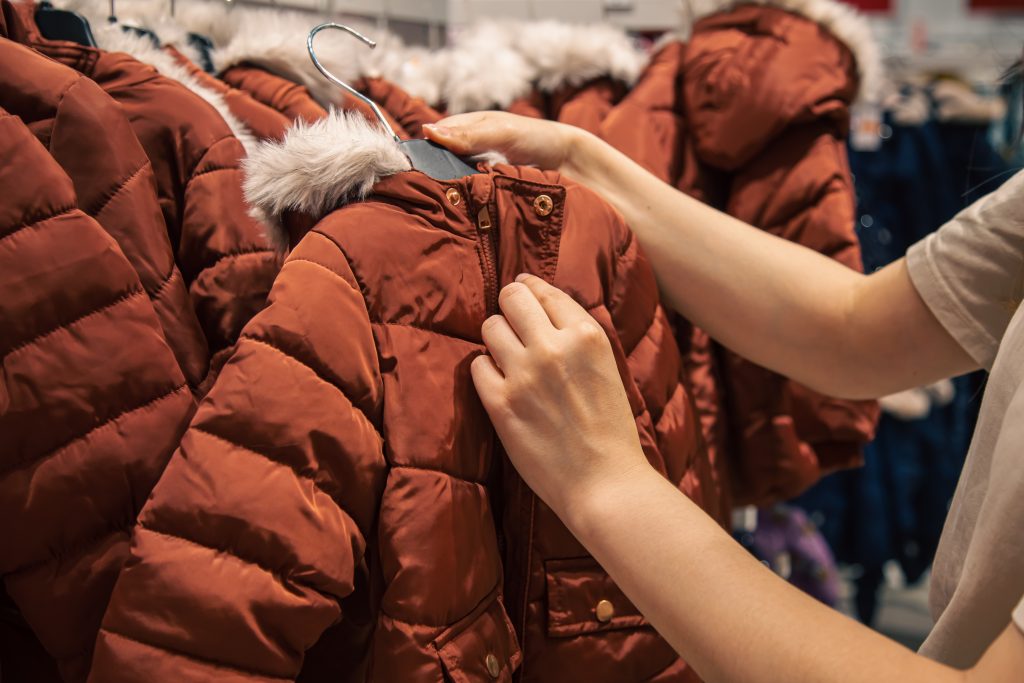
One commenter said their partner still owns heavy-duty Levi jeans and jackets from the 1970s.
Another proudly described keeping their “glorious heavy metal dresses” from the 1980s, including leather dresses and black lace-up outfits.
Vintage clothing has become one of the biggest resale markets online.
Younger shoppers increasingly search for older denim, jackets, boots, and band shirts because they feel unique and durable.
Many people believe older clothing was made with thicker fabrics and stronger stitching.
That belief appeared repeatedly in the discussion.
Several commenters specifically mentioned labels reading “Made in Canada” or “Made in USA” as signs of craftsmanship from an earlier era.
Clothing also carries personal history in an unusually intimate way.
A jacket can hold memories of concerts, first dates, breakups, road trips, and friendships.
That emotional imprint explains why some closets become accidental museums
The Internet Is Suddenly Obsessed With Things Built To Last
The viral discussion revealed something larger than nostalgia.
People are growing increasingly tired of disposable culture.
Many younger buyers feel frustrated by products that break quickly, cannot be repaired, or become outdated within a few years.
That frustration has fueled a major resurgence in vintage shopping, thrift culture, repair videos, and secondhand marketplaces.
Objects from the ‘70s and ‘80s represent a different relationship with ownership.
People repaired things. They reused them. They expected them to survive.
That philosophy now feels surprisingly modern again.
The conversation also showed how sentimental value grows slowly over time.
Nobody buys a concert shirt or kitchen knife expecting it to become emotionally priceless decades later.
Life quietly attaches memories to objects until one day throwing them away feels impossible.
A scratched record, an old toy, or a fading recipe card can suddenly hold entire chapters of someone’s life.
That may be why so many people connected with the thread.
The objects themselves were different, but the feeling was universal.
Almost everyone has something sitting in a drawer, closet, or garage that no longer serves a practical purpose but still feels impossible to lose.
And maybe that instinct is not about clutter at all.
Maybe it is about holding onto proof that certain moments, people, and versions of ourselves really happened.