
Your cart is currently empty!
Trump Administration Says EPA Rollback Could Lower Grocery Prices

Grocery prices have become one of the biggest political pressure points in America, and the Trump administration is now betting that refrigerants could play an unexpected role in bringing those costs down.
Contents
show
Standing beside EPA Administrator Lee Zeldin at the White House, President Donald Trump announced a major rollback of Biden-era refrigerant regulations that the administration says were driving up costs for supermarkets, trucking companies, restaurants, and families already struggling with inflation.
The administration claims the changes could save businesses and consumers more than $2.4 billion. Critics argue the move could weaken environmental protections and create even more uncertainty for manufacturers already transitioning away from older cooling chemicals.
Trump Targets Refrigerant Rules Tied to Grocery Supply Chains
The Environmental Protection Agency finalized revisions to the Biden administration’s 2023 Technology Transitions Rule, which imposed tighter restrictions on hydrofluorocarbons, commonly known as HFCs.
These chemicals are widely used in refrigeration systems, grocery store freezers, refrigerated transport trucks, home air-conditioning systems, and industrial cooling equipment.
The Trump administration argues the Biden-era deadlines forced businesses into rapid and expensive upgrades before the market was ready.
EPA Administrator Lee Zeldin said the previous rules created “costly, unattainable restrictions beyond what the law requires.”
“Our actions allow businesses to choose the refrigeration systems that work best for them, saving them billions of dollars,” Zeldin said during the announcement. “This will be felt directly by American families in lower grocery prices.”
The revised rule extends compliance deadlines and allows businesses to continue using a wider range of refrigerants for a longer period.
The administration says supermarkets alone could save more than $800 million under the changes.
Why Refrigerants Became a Political Flashpoint

Most Americans never think about refrigerants unless their air conditioner stops working during summer.
But cooling systems sit at the center of the modern food economy.
From refrigerated warehouses to frozen-food aisles and long-haul trucking routes, nearly every step of the grocery supply chain depends on large-scale cooling equipment.
Industry groups warned that replacing entire systems too quickly would come with massive costs.
According to the administration, many grocery chains feared they would need to install expensive new refrigeration units before existing equipment reached the end of its lifespan.
Independent grocers were especially vocal.
Kevin McDaniel, who operates 14 Piggly Wiggly stores across Florida, Alabama, and Georgia, said the original timeline was unrealistic.
“It was thrown together too fast,” McDaniel said. “The technology is not there yet. It’s just way too fast.”
The administration argues those costs would eventually be passed directly to consumers through higher grocery prices.
That argument arrives at a politically sensitive moment.
Food prices rose 2.9% compared with the previous year, according to recent inflation data cited during the rollout of the new EPA changes. Inflation overall climbed to 3.8% in April, fueled partly by rising energy costs linked to geopolitical tensions and ongoing tariff disputes.
For many voters, grocery bills remain one of the clearest daily reminders that inflation has not disappeared.
The White House Says Savings Could Reach $2.4 Billion
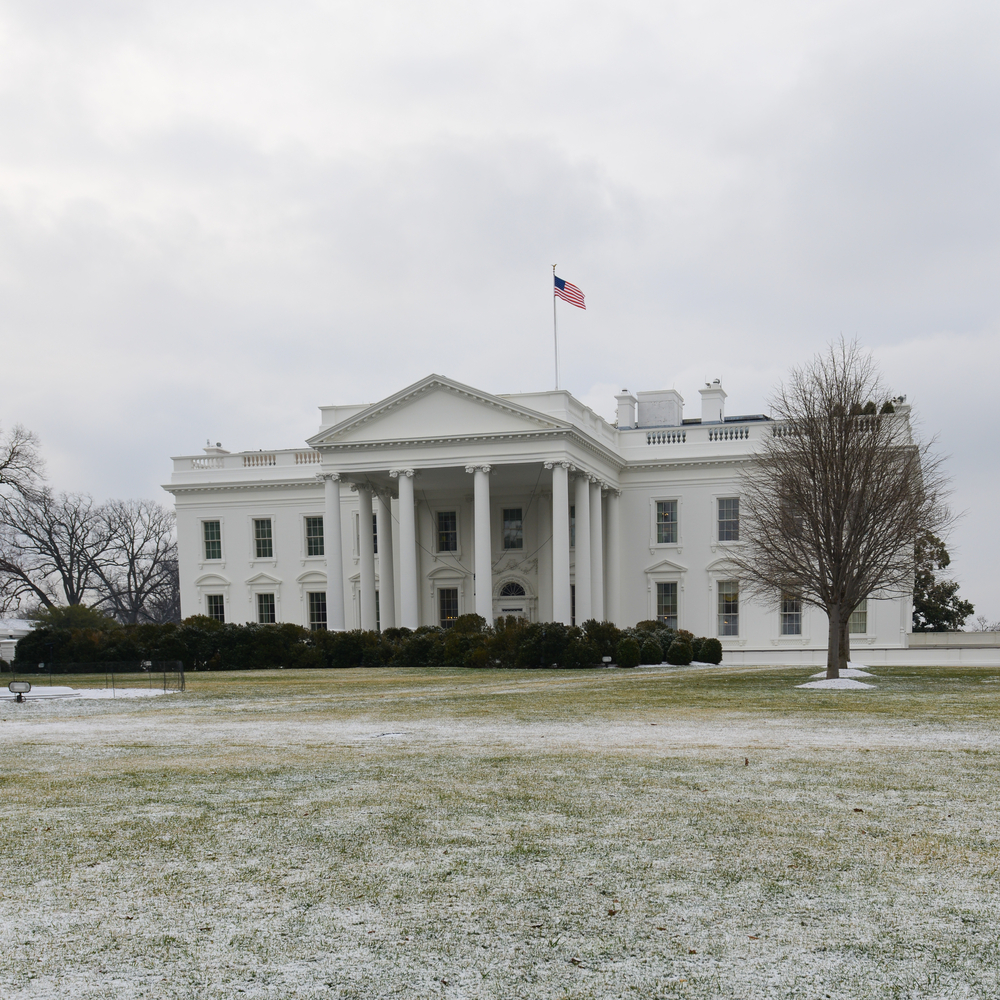
The Trump administration presented the refrigerant rollback as part of a broader campaign to reduce living costs ahead of the midterm election cycle.
According to EPA estimates, the changes break down into several categories of projected savings:
- More than $900 million tied to revisions of the 2023 Technology Transitions Rule
- Over $800 million in supermarket-related savings
- Up to $1.5 billion for refrigerated transport companies if additional rule changes are finalized
- Protection for more than 350,000 high-skilled American jobs
The EPA is also proposing changes to the 2024 Emissions Reduction and Reclamation Rule.
That proposal would exempt refrigerated transport vehicles from certain leak repair requirements involving HFC systems.
The administration says those requirements imposed unnecessary burdens on trucking operators transporting refrigerated food and medical supplies.
According to officials, most transport refrigeration systems already exceed the refrigerant thresholds targeted under the Biden-era standards.
The White House argues the transportation sector presents relatively low risk to public health in this area and should not have been subjected to the stricter repair mandates.
Grocery Chains Applaud the Move
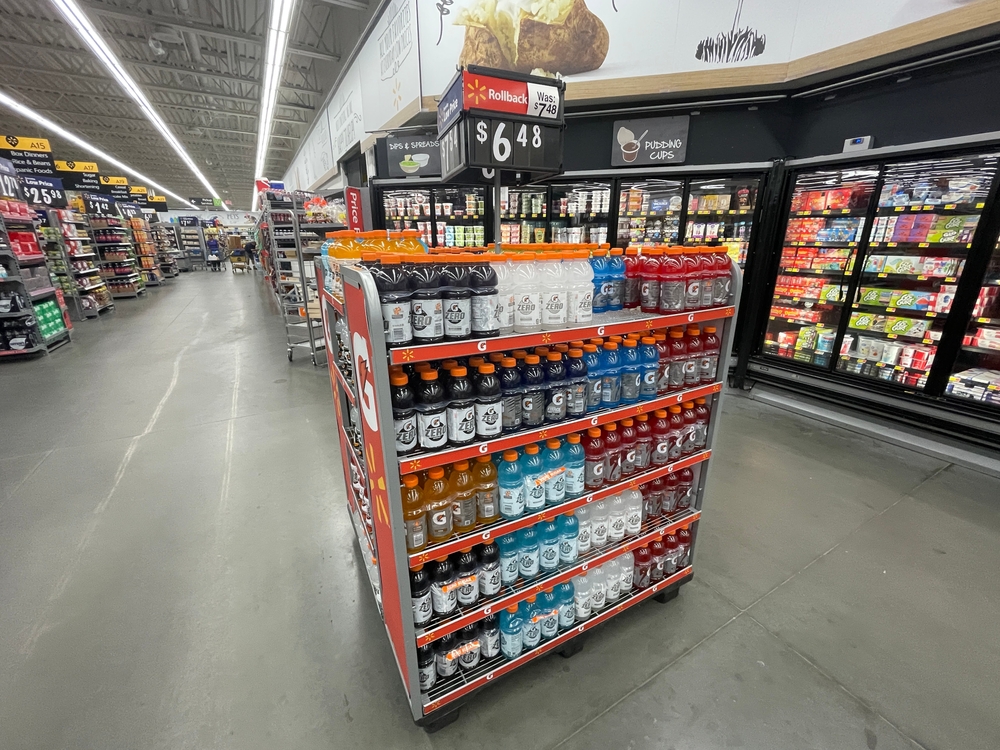
Several major grocery industry leaders backed the administration during the White House event announcing the rollback.
Executives from Kroger, Fareway Stores, and Piggly Wiggly joined Trump and Zeldin as the administration framed the issue around affordability.
Kroger CEO Greg Foran said the rule change would help ensure “an orderly transition” for refrigeration upgrades while helping stores control prices.
“And that’s something that we’re desperately focusing on,” Foran told Trump.
The Food Industry Association also praised the revisions.
Leslie Sarasin, the group’s president and CEO, said the earlier Biden-era rule imposed “significant costs and unrealistic compliance requirements and timelines.”
Food retailers argued that forcing rapid replacement cycles could have disrupted operations and placed additional strain on already thin grocery margins.
Smaller operators claimed the rules were especially difficult because independent stores lack the financial flexibility of national chains.
That concern became one of the administration’s central talking points during the announcement.
Trump repeatedly framed the rollback as protection for working families and small businesses rather than simply a regulatory dispute over industrial chemicals.
Environmental Groups Warn the Decision Could Backfire

Not everyone agrees the rollback will reduce prices.
Environmental organizations and some industry experts argue the administration may be creating new long-term problems while weakening climate protections.
Hydrofluorocarbons are considered powerful greenhouse gases.
Although they do not remain in the atmosphere as long as carbon dioxide, they trap significantly more heat while they are present.
The Biden administration’s original rules were designed to accelerate the transition toward newer refrigerants with lower environmental impact.
That effort aligned with the American Innovation and Manufacturing Act, a bipartisan law signed by Trump during his first term in office.
The 2020 law aimed to phase down HFC use as part of broader international agreements targeting ozone-depleting and climate-warming chemicals.
Several major American companies invested heavily in developing alternative refrigerants after the law passed.
Now, some of those same industries warn that changing the timeline could create supply problems and market instability.
Stephen Yurek, president and CEO of the Air-Conditioning, Heating and Refrigeration Institute, said extending deadlines may actually increase costs.
“This rule works against basic supply and demand,” Yurek said.
He argued that maintaining demand for older refrigerants while supplies continue shrinking could drive up servicing costs for consumers.
Environmental groups went even further.
David Doniger, senior strategist at the Natural Resources Defense Council, called the move “a lose-lose for the environment and the economy.”
“It will harm consumers and the climate and reduce American competitiveness in the global markets emerging for environmentally safer refrigerants,” Doniger said.
Trump’s EPA Continues Aggressive Deregulatory Push
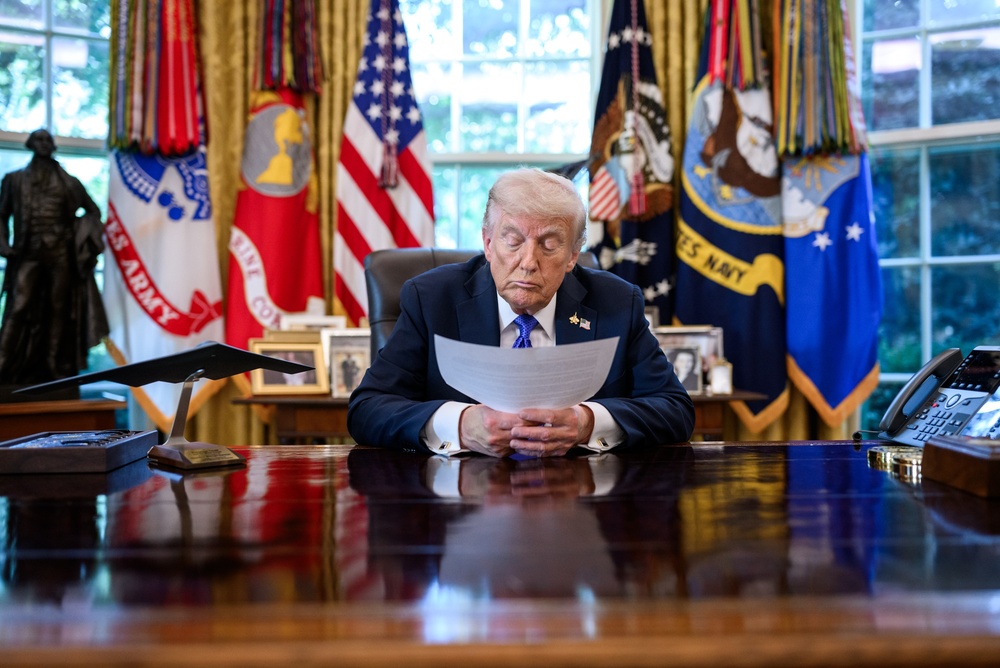
The refrigerant rollback fits into a much broader Trump administration strategy centered on deregulation.
Since returning to office, Trump has repeatedly argued that environmental rules implemented under Democratic administrations inflated consumer prices and slowed economic growth.
The White House says its current agenda has already saved Americans more than $1.2 trillion through reduced regulations.
That figure includes actions involving fuel economy standards, energy policy, environmental enforcement, and food supply regulations.
Earlier this year, the administration also announced:
- A temporary increase in tariff-rate quotas for lean beef imports
- New SBA lending policies aimed at expanding food production
- Executive actions targeting alleged anti-competitive behavior in grocery markets
- Changes to vehicle fuel economy standards
- Repeal of several climate-focused regulatory policies
Trump has framed these actions as part of a larger economic message focused on affordability.
The timing matters politically.
Consumer frustration over grocery prices remains high even after broader inflation slowed from its peak levels.
Polling throughout the past year has shown that food costs continue to shape voter perceptions about the economy more than many traditional economic indicators.
The administration appears determined to make grocery affordability one of its core election arguments heading into November.
Trump Once Backed the Same HFC Restrictions He’s Now Delaying
One of the more unusual aspects of the current debate is that Trump previously supported federal efforts to phase down HFCs.
During his first term, Trump signed the American Innovation and Manufacturing Act into law with bipartisan backing.
The legislation gained support from environmental groups, chemical manufacturers, and business organizations that saw opportunity in transitioning toward newer refrigerant technologies.
At the time, the move was widely viewed as a rare example of climate policy consensus.
Major American manufacturers such as Honeywell and Chemours invested heavily in producing alternative refrigerants expected to dominate future global markets.
Business groups including the U.S. Chamber of Commerce supported the transition.
Now, however, the administration argues the Biden EPA moved too aggressively in enforcing implementation deadlines tied to the law.
Trump officials insist they are not abandoning the broader transition away from HFCs.
Instead, they say they are slowing the timeline to prevent economic disruption.
The EPA maintains that the revised rules still comply with the requirements of the AIM Act while giving businesses additional flexibility.
Critics remain skeptical.
Environmental advocates argue the delays could undermine American leadership in emerging refrigerant technologies while creating uncertainty for manufacturers that already adapted to the previous rules.
Industry Disagreement Shows How Divided the Market Has Become

One reason the refrigerant debate has become unusually contentious is because businesses themselves are split.
Some grocery operators and food distributors strongly support the rollback.
Others in the refrigeration and manufacturing industries argue the market had already adjusted to the transition.
Companies that invested early in alternative refrigerant systems fear policy reversals could penalize businesses that spent years preparing for the phaseout.
Manufacturers also warn that uncertainty itself creates additional costs.
Factories were already retooled.
Workers were already retrained.
Supply chains were already adapting.
Altering the compliance schedule midway through the transition risks disrupting planning across multiple industries.
At the same time, smaller businesses argue they never had enough time or financial capacity to make those changes in the first place.
That divide reflects a larger political argument unfolding across several industries touched by environmental regulation.
Large corporations with capital reserves often adapt more easily to rapid regulatory changes.
Smaller operators frequently argue they absorb the hardest financial hit.
The refrigerant battle has become another example of that broader tension.
Will Americans Actually Notice Lower Grocery Prices?
That remains the biggest unanswered question.
The administration insists consumers will feel the savings directly.
Trump repeatedly described the rollback as a move that would “substantially lower costs for consumers.”
But economists and industry analysts say the connection between refrigerant compliance costs and retail grocery prices is difficult to measure.
Food prices depend on countless variables, including fuel costs, labor expenses, tariffs, weather events, global supply disruptions, and transportation bottlenecks.
Refrigeration expenses represent only one piece of that larger puzzle.
Even supporters of the rollback acknowledge that any savings may take time to appear.
Some analysts also note that companies are not legally required to pass operational savings directly to consumers.
Still, the politics of grocery prices remain powerful.
For the White House, the refrigerant rollback is about more than cooling systems or industrial chemicals.
It allows the administration to connect regulatory policy directly to kitchen-table concerns.
That message is likely to remain central as inflation continues shaping economic frustration across the country.
Whether shoppers eventually notice lower prices in grocery aisles may determine how successful that message becomes.