
Your cart is currently empty!
Spanish Researchers Report Stunning Pancreatic Cancer Results In Mice
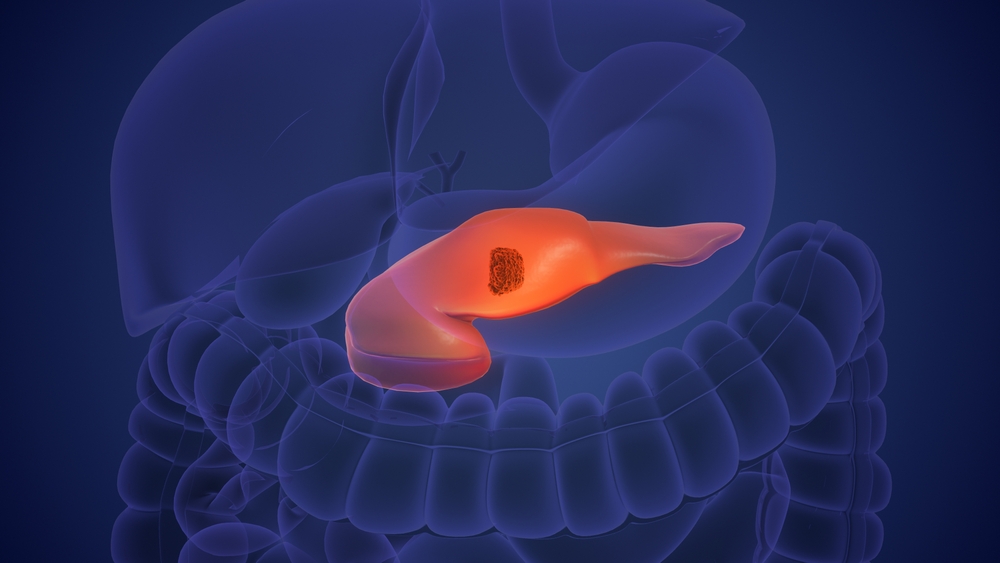
Pancreatic cancer has long been one of the bleakest diagnoses in medicine. Most patients are diagnosed late, treatments often stop working within months, and survival rates remain painfully low despite decades of research.
Contents
show
Now a team of scientists in Spain says it achieved something researchers almost never see in pancreatic cancer studies: complete tumor elimination in mice, with no relapse observed during long-term follow-up.
The breakthrough came from researchers at Spain’s National Cancer Research Centre (CNIO), led by world-renowned molecular biochemist Mariano Barbacid. Their findings, published in the journal Proceedings of the National Academy of Sciences (PNAS), have quickly attracted global attention because pancreatic cancer is considered one of the hardest cancers in the world to treat.
The Triple-Drug Therapy That Shocked Researchers
The CNIO team focused on pancreatic ductal adenocarcinoma, the most common form of pancreatic cancer. It is also one of the deadliest.
Scientists have spent years trying to target a mutation called KRAS, which appears in around 90% of pancreatic cancer cases. KRAS mutations help cancer cells grow aggressively and evade treatment.
For decades, many therapies tried to block a single pathway connected to KRAS. The problem was that tumors often adapted quickly.
Cancer cells are remarkably flexible. When one survival route is blocked, they frequently reroute themselves through another biological pathway.
Barbacid’s team decided to approach the problem differently.
Instead of shutting down one pathway, the researchers attacked three at the same time.
The experimental treatment combined:
- Daraxonrasib, an experimental KRAS inhibitor
- Afatinib, a drug already approved for certain lung cancers
- SD36, an experimental protein degrader
According to the researchers, the strategy worked across several mouse models.
The tumors did not merely shrink. In many cases, they disappeared entirely.
Researchers also reported that the mice tolerated the treatment surprisingly well. The animals maintained normal blood cell counts, did not experience dramatic weight loss, and showed limited signs of severe toxicity.
That matters because aggressive combination therapies often damage healthy tissue alongside cancer cells.
The authors wrote in PNAS that the therapy “induces the robust regression of experimental PDACs and avoids the onset of tumor resistance.”
In another statement, the team said the treatment was “well tolerated in mice.”
Those two details together are what turned this study into international news.
Cancer therapies that show strong effects in animals are not unusual. Cancer therapies that completely eliminate aggressive pancreatic tumors without immediate resistance are far rarer.
Why Pancreatic Cancer Is So Difficult To Treat

Pancreatic cancer has a terrifying reputation for a reason.
Many patients experience few symptoms during the early stages of the disease. By the time doctors discover the cancer, it has often already spread.
The disease also creates what scientists call a dense tumor microenvironment. In simple terms, pancreatic tumors build a kind of protective biological fortress around themselves.
That environment makes it harder for drugs and immune cells to penetrate the cancer effectively.
At the same time, pancreatic tumors mutate rapidly.
This ability to adapt is one of the main reasons treatments fail.
According to cancer organizations cited in reports surrounding the study, the five-year survival rate for pancreatic ductal adenocarcinoma remains between 8% and 12% globally.
In Spain alone, more than 10,000 people are diagnosed with pancreatic cancer every year.
Researchers have often described the disease as one of the biggest unsolved problems in oncology.
Why KRAS Became The Main Target
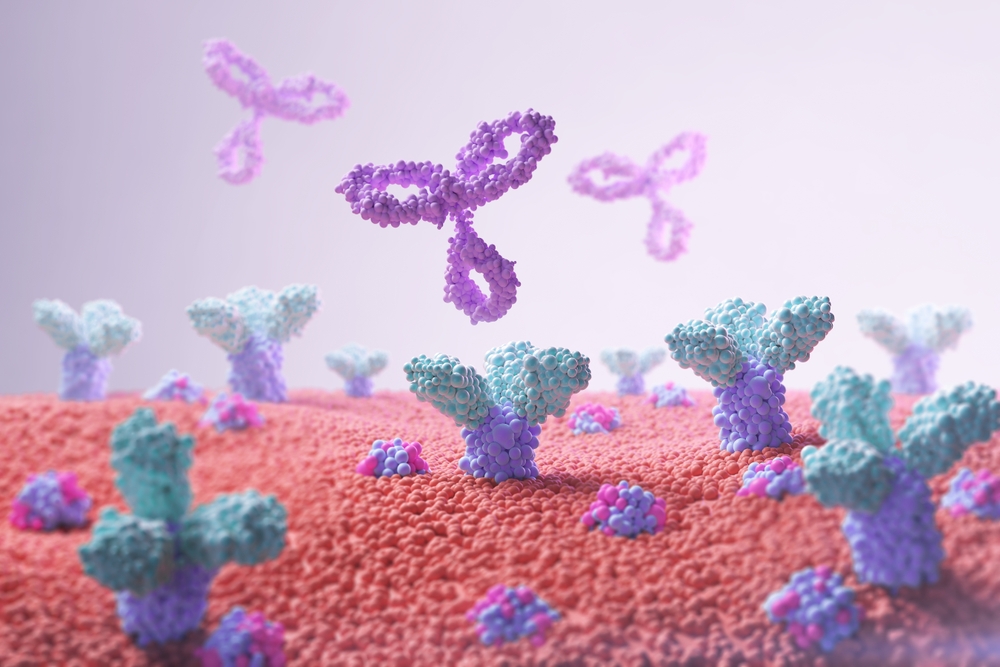
The KRAS mutation has haunted pancreatic cancer research for decades.
Scientists knew it played a central role in tumor growth, but the mutation proved notoriously difficult to target with drugs.
For years, researchers even referred to KRAS as “undruggable.”
That began changing in recent years as pharmaceutical companies developed new KRAS inhibitors.
Still, the early excitement quickly ran into another obstacle.
Patients frequently developed resistance after several months.
Tumors would initially respond to treatment, then reactivate alternative signaling pathways and continue growing.
Barbacid’s team designed the triple-drug strategy specifically to prevent that rewiring process.
The idea was simple in theory, but difficult in practice.
Instead of allowing cancer cells multiple escape routes, the therapy attempted to shut down several critical mechanisms simultaneously.
According to the researchers, that multi-pathway approach may explain why the tumors failed to return in the mouse models.
Mariano Barbacid Has Spent Decades Chasing This Problem

The scientist behind the study is not an obscure figure inside cancer research.
Mariano Barbacid is considered one of the pioneers of modern cancer genetics.
In the early 1980s, he helped identify the first human oncogene, HRAS, a landmark discovery that helped establish the genetic basis of cancer.
That achievement changed the direction of oncology research around the world.
Since then, Barbacid has spent decades studying KRAS-driven cancers and building experimental models to better understand how tumors behave.
His work has earned major scientific honors in Spain, including the Echegaray Medal from the Royal Academy of Exact, Physical and Natural Sciences.
Even with the excitement surrounding the latest findings, Barbacid has repeatedly urged caution.
He stressed that the therapy is still in the preclinical stage.
“Although experimental results like those described here have never been obtained before, we are still not in a position to carry out clinical trials with the triple therapy,” Barbacid said in a CNIO statement.
That warning has become an important part of the story.
Social media users quickly began describing the treatment as a “cure” for pancreatic cancer, but cancer researchers say that leap is premature.
Many therapies that perform well in mice fail during human trials.
The biology of human cancer is vastly more complicated.
Why Animal Success Does Not Guarantee Human Success
Cancer research is filled with treatments that looked promising in laboratory animals but ultimately failed in people.
Human tumors are more genetically diverse.
Human immune systems are more complex.
Drug toxicity can also behave very differently in people compared to mice.
David Tuveson, director of the Cancer Center at Cold Spring Harbor Laboratory and a leading pancreatic cancer researcher, has publicly warned many times that pancreatic cancer breakthroughs in mice often do not translate successfully into human patients.
That does not mean the CNIO findings are unimportant.
It simply means the hardest stage still lies ahead.
Researchers now need to determine whether the therapy can be administered safely in humans and whether it can produce similar anti-tumor effects outside controlled laboratory conditions.

The Study Also Triggered Controversy
The scientific excitement surrounding the research became more complicated after another development emerged.
The PNAS paper was later retracted by editors because of what the journal described as an undisclosed competing interest.
According to the retraction notice, Barbacid and two coauthors held financial interests in Vega Oncotargets, a biotechnology company connected to the research.
The journal stated that this relationship had not been properly disclosed during submission.
Importantly, the retraction was not based on accusations of fabricated data.
The issue centered on conflict-of-interest disclosure.
That distinction matters.
Scientific journals require researchers to disclose financial ties because those relationships could potentially influence how studies are interpreted or presented.
Even so, the controversy fueled heated debate online.
Some critics questioned whether the study’s findings should be trusted.
Others argued that undisclosed financial interests are a serious ethical issue but separate from the underlying scientific results.
The CNIO has continued discussing the research publicly, while emphasizing that the experiments underwent peer review and followed established scientific protocols.
For many observers, the situation became a reminder of how complicated modern medical research can be.
Groundbreaking discoveries often exist alongside corporate partnerships, patents, biotech investments, and funding pressures.
A Massive Funding Problem Is Now Standing In The Way

As the story spread globally, another detail began drawing attention.
The therapy cannot move toward human trials without enormous financial backing.
According to CNIO estimates reported by Spanish media, around €30 million may eventually be required to complete Phase 1 clinical trials.
The first urgent step alone could cost approximately €3.5 million.
That money would help cover toxicology testing, regulatory approvals, and the manufacturing of clinical-grade compounds.
Without those steps, human testing cannot begin.
The situation has pushed the project into an unusual position.
Instead of relying entirely on government or pharmaceutical funding, the research team and supporters turned to crowdfunding campaigns.
Fundación CRIS Contra el Cáncer, a nonprofit organization that has supported Barbacid’s work for years, began raising donations from the public.
Reports indicated that nearly €800,000 was raised within the first few days of the campaign.
The fundraising effort exploded across Spanish social media.
Thousands of people shared donation links while debating why a potentially important cancer therapy was struggling to secure large-scale institutional funding.
The “Valley Of Death” In Medical Research
Science policy experts say the situation reflects a broader problem in biomedical development.
Researchers often refer to it as the “valley of death.”
That phrase describes the dangerous gap between successful laboratory research and expensive human clinical trials.
Basic research funding may support early discoveries.
Private investors often prefer therapies that already have strong commercial evidence.
That leaves many promising projects trapped in the middle.
According to analysts cited in Spanish reporting, Europe’s public funding systems are not always designed to support the costly transition from laboratory science into patient testing.
As a result, researchers can end up relying on charities, biotech companies, or public donations.
The irony is difficult to ignore.
A therapy that generated headlines around the world for eliminating pancreatic tumors in mice is still struggling to secure enough funding to test whether it could help actual patients.

Scientists Are Excited, But They Are Also Careful
Inside oncology circles, the reaction to the study has been cautious optimism.
Researchers understand how brutal pancreatic cancer can be.
Any therapy capable of producing durable remission in animal models immediately attracts attention.
At the same time, scientists are trained to distrust hype.
History contains countless examples of “miracle” cancer treatments that collapsed during later testing.
That is why many experts have tried to keep the public conversation grounded.
The CNIO researchers themselves repeatedly emphasized that their work remains proof of concept.
The therapy has not been tested in human patients.
It has not passed safety trials.
It has not yet received regulatory approval.
Those details can easily disappear once a headline goes viral.
Still, there are several reasons the findings generated such strong reactions in the scientific community.
What Makes This Study Different

Several elements stand out.
First, the tumors reportedly disappeared completely in multiple mouse models.
Second, researchers observed long-term suppression without obvious relapse.
Third, the treatment appeared less toxic than many aggressive cancer combinations.
Finally, the strategy directly addresses one of pancreatic cancer’s most frustrating traits: resistance.
Many modern cancer therapies work briefly before tumors adapt.
The CNIO approach attempted to prevent adaptation itself.
That concept is attracting increasing interest across oncology.
Instead of targeting a single mutation, researchers are exploring ways to block multiple survival mechanisms simultaneously.
The challenge is doing so without overwhelming the body with toxic side effects.
Barbacid’s team believes its combination may represent one path forward.
What Happens Next Could Take Years
Even if additional funding arrives tomorrow, patients will not see this therapy immediately.
Researchers estimate it could take two to three years just to complete the necessary preparation for Phase 1 trials.
Those steps include:
- Toxicology studies
- Regulatory review
- Clinical manufacturing
- Safety validation
- Trial design and recruitment
If Phase 1 studies succeed, larger trials would still follow.
That process could stretch across many more years.
Drug development moves slowly because the stakes are enormous.
Researchers must prove not only that a treatment works, but that it does not create unacceptable harm.
For pancreatic cancer patients and their families, that timeline can feel devastating.
The disease often progresses rapidly.
Many people diagnosed today may never see the outcome of these trials.
That reality is part of why stories like this spread so quickly online.
People are desperate for hope against cancers that have resisted progress for generations.
The Spanish study offered something rare.
Not certainty. Not a cure.
But a glimpse of a possibility that many researchers had struggled to achieve for decades.
Whether the therapy ultimately succeeds in humans remains unknown.
What is already clear is that the research has exposed both the extraordinary potential and the painful limitations of modern cancer science.
One laboratory managed to produce results that stunned researchers around the world.
Now comes the harder part: proving those results can survive outside the lab.