
Your cart is currently empty!
Video Of Dad Cuddling His Son On A Train Ignites Unexpected Debate About Fatherhood
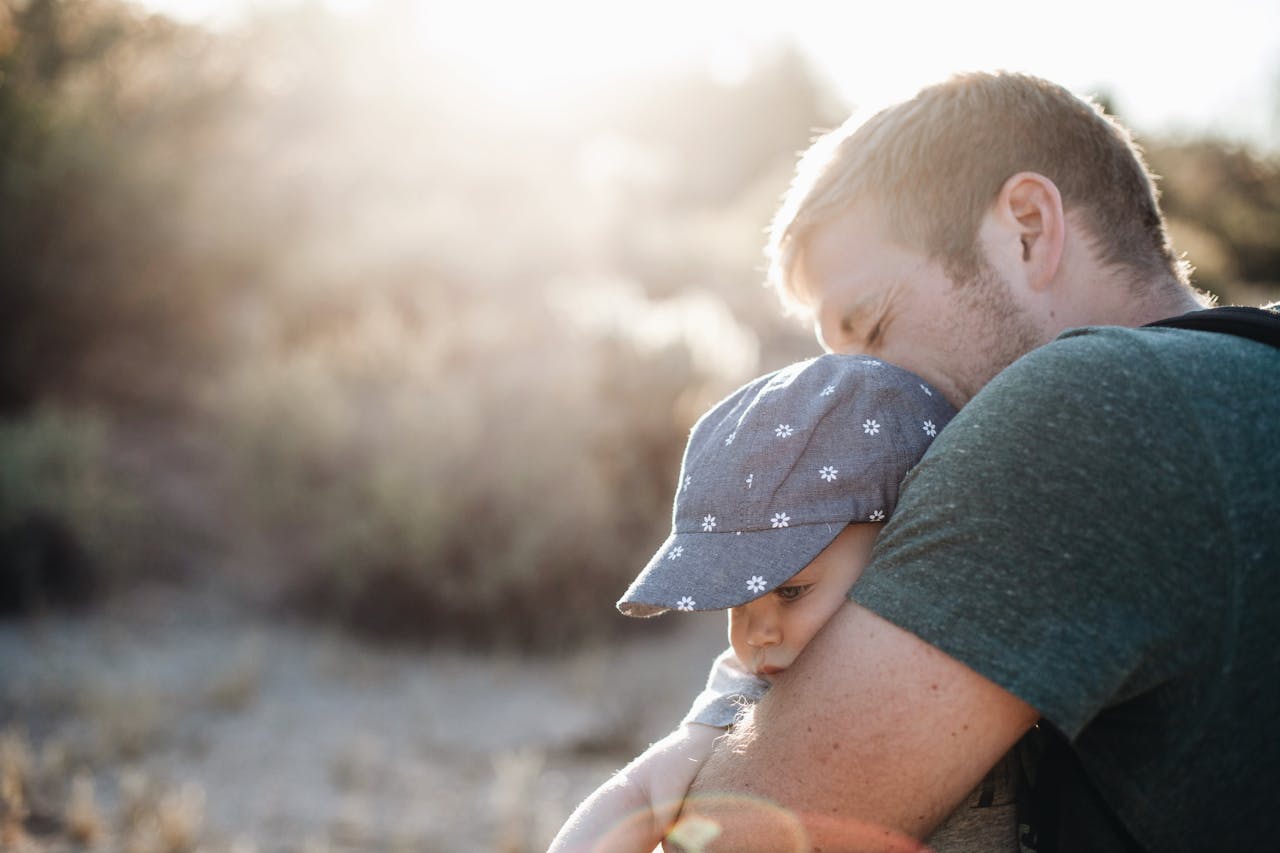
A quiet train ride in Japan has unexpectedly turned into a global conversation about parenting, gender expectations, and what society considers normal displays of affection between fathers and their children. What began as a seemingly ordinary moment between a parent and child quickly evolved into a topic that sparked passionate discussions across social media platforms.
Contents
show
The debate began after a photo and story involving a father and his young son riding together on a subway gained widespread attention online. To many people, the interaction appeared completely normal and reflected the kind of warmth and closeness that children often seek from their parents. However, some social media users viewed the father’s behavior differently, describing it as overly affectionate.
The reaction surprised countless parents who saw nothing unusual in the image. Many argued that children need emotional support and physical reassurance from both mothers and fathers. Yet the criticism revealed something deeper than a disagreement over one photograph. It highlighted the lingering assumptions many societies still hold about the role fathers should play in raising children.
For many observers, the story was never really about a train ride. Instead, it became a reflection of the challenges fathers face when they actively participate in caregiving. The discussion exposed how public perceptions of fatherhood continue to evolve and why some people still struggle to accept nurturing behavior from men.
A Simple Moment That Caught Everyone’s Attention
The controversy stemmed from a story shared by a Japanese father who was traveling on a train with his young son. During the journey, the child sat close to him and leaned against him in a way that many parents would instantly recognize. It was a simple interaction that reflected trust, comfort, and the natural bond between a parent and child.
According to the father’s account, the moment attracted attention from people around him. While some passengers appeared indifferent or supportive, others seemed to view the interaction with curiosity or judgment. What should have been an ordinary parenting experience suddenly felt like something being observed and evaluated by strangers.
As the story spread online, thousands of people began sharing their opinions. Many defended the father and argued that affection between parents and children should never be viewed negatively. They pointed out that emotional closeness is an important part of healthy child development and should be encouraged regardless of whether it comes from a mother or father.
Others believed the criticism reflected broader cultural attitudes rather than concerns about the specific interaction itself. The conversation quickly expanded beyond one family and became a discussion about societal expectations, parenting norms, and the evolving role of fathers in modern life.
Why Male Parenting Still Faces Unique Scrutiny
Despite major changes in family life, many cultures still associate caregiving primarily with mothers. Although fathers are becoming more involved in raising children, traditional beliefs continue to influence public perceptions of parenting roles. As a result, fathers performing routine childcare tasks often attract more attention than mothers.
Researchers have noted a clear double standard in how parental responsibilities are viewed. Fathers are frequently praised for childcare activities that would be considered ordinary if performed by mothers. While this recognition may seem positive, it highlights society’s unequal expectations of mothers and fathers.
Fathers may also face criticism when displaying tenderness or emotional vulnerability in public. Traditional views of masculinity often emphasize emotional restraint, causing some people to view public affection between fathers and children as unusual. These assumptions continue to shape public reactions to involved fatherhood.
Parenting often takes place under the observation of strangers, whether during a tantrum, a moment of comfort, or everyday caregiving. For many fathers, this public scrutiny can create additional pressure and self-consciousness. The Japanese father’s experience resonated with many men who reported facing similar judgments while caring for their children.
A Generation of Fathers Is Redefining the Role
Younger fathers are increasingly embracing a more hands-on approach to parenting. Rather than viewing childcare as primarily a mother’s responsibility, many see parenting as a shared commitment that requires equal participation from both parents.
These fathers often prioritize emotional connection and active involvement in their children’s lives. They attend school events, participate in daily routines, help with homework, and spend meaningful time with their children from an early age. Their approach reflects a broader shift in how fatherhood is understood.
This trend is not limited to Japan. Across many countries, fathers are becoming more engaged in childcare than in previous generations. Social expectations are gradually evolving as more families embrace flexible parenting roles that focus on cooperation rather than tradition.
As these changes continue, moments that once seemed unusual are becoming increasingly common. Stories like this demonstrate that while parenting practices have evolved significantly, public perceptions are still catching up with reality.
What Experts Say About Affection Between Fathers and Children
Child development experts have long emphasized the importance of secure emotional bonds between children and their caregivers. These relationships provide the foundation for healthy emotional growth and help children develop confidence and resilience.
Research consistently shows that affectionate relationships contribute to positive developmental outcomes. Children who feel loved and supported are often better equipped to manage stress, build relationships, and navigate challenges throughout life. Emotional security plays a critical role in overall well-being.
Physical affection is one of the many ways parents communicate love and support. Hugs, cuddles, hand holding, and comforting gestures help children feel safe and connected. These expressions of warmth can strengthen trust and reinforce a child’s sense of belonging.
Importantly, these benefits are not limited to mothers. Studies have repeatedly shown that children benefit greatly from strong emotional relationships with fathers as well. Active and affectionate fatherhood contributes positively to a child’s emotional, social, and psychological development.
The Hidden Cost of Outdated Parenting Stereotypes
Stereotypes about parenting affect far more than public perception. They can influence workplace policies, family expectations, and even the confidence parents feel in their ability to care for their children.
When society treats nurturing behavior as unusual for fathers, it can discourage men from fully embracing caregiving roles. Some fathers may hesitate to participate openly in childcare activities if they fear criticism or misunderstanding from others.
These assumptions can also place additional pressure on mothers. When childcare is viewed primarily as a maternal responsibility, women may feel obligated to carry a disproportionate share of parenting duties regardless of their personal circumstances or career goals.
The result is a system that limits both parents. Fathers may feel constrained by expectations that discourage emotional expression, while mothers may struggle under the weight of unequal responsibilities. Children ultimately benefit most when caregiving is shared and supported without judgment.
Healthy families thrive when parents are free to contribute according to their strengths and circumstances rather than outdated stereotypes. Encouraging active fatherhood benefits not only fathers themselves but also mothers, children, and society as a whole.
A Train Ride That Revealed Something Much Bigger
What started as an ordinary moment between a father and his son ultimately exposed a conversation many societies are still having behind the scenes. The image challenged assumptions about masculinity, caregiving, and what fatherhood should look like in the modern world.
For some people, the photograph represented nothing more than a loving parent comforting his child during a train ride. For others, it highlighted how deeply cultural expectations continue to shape perceptions of parenting and gender roles.
The widespread reaction demonstrated that attitudes toward fatherhood are changing, but not always at the same pace. While many people now embrace a more inclusive view of parenting, traditional beliefs still influence how fathers are perceived in public spaces.
As younger generations continue redefining family roles, moments like this may become increasingly common. The real question is not whether fathers should show affection to their children. Instead, it is why such a simple and loving act can still spark debate in the first place.