
Your cart is currently empty!
Science Says Keeping Your Inner Child Alive Is Good for You
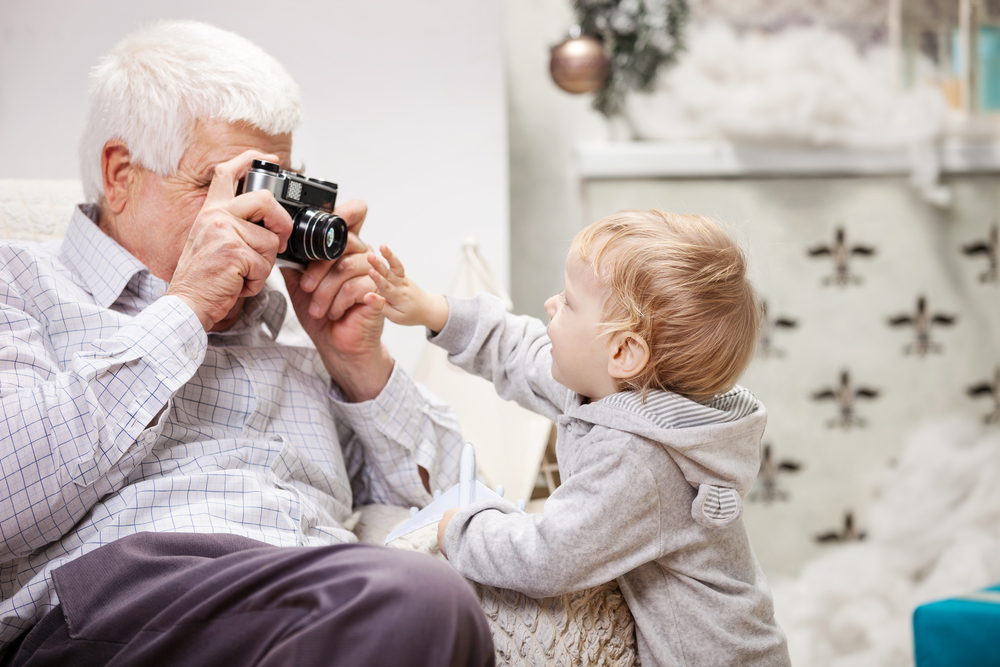
There was a version of you, not so long ago, who could spend an afternoon lost in imagination without a single thought about whether it was productive. Somewhere along the way, that version got crowded out. The carefree silliness, the made-up games, the doing things simply because they were fun gave way to seriousness, to busyness, to the endless project of being a responsible grown-up.
Contents
show
Most of us treat that trade as a natural and necessary part of maturing. A growing body of research suggests it may be one of the more costly mistakes we make as adults, and the reasons go deeper than you might think, reaching all the way into how our brains age and how long we stay sharp, connected, and content.
Play Is Not What You Think It Is
Before going further, it helps to clear up what researchers actually mean by play, because the word tends to mislead. Adult play has very little to do with action figures or scheduling a mandatory block of “fun time” into your calendar. It is far more about a mindset than any particular activity.
Play can be physical, social, creative, or imaginative. It might show up as movement, music, humor, storytelling, solving a puzzle for the sheer satisfaction of it, or doing something purely because it brings a simple, uncomplicated joy. What makes an activity playful is not its form but the attitude behind it: curiosity, openness, and a willingness to dive in without worrying about where it leads. For most adults, play tends to live in hobbies and moments of exploration that sit outside work and obligation, in the spaces we too often treat as optional.
This framing comes from an essay published in The Conversation by Scott Duncan of Auckland University of Technology and Melody Smith of the University of Auckland. Their central argument is one that many of us resist instinctively: adults benefit from playfulness just as much as children do, and quite possibly more than we are willing to admit in a world that expects grown-ups to either be deathly serious or to embarrass themselves the moment they let loose.
The Benefits Are Bigger Than They Sound

The case for play is not built on wishful thinking. Studies show that adults who regularly engage in playful activities cope better with stress, experience more positive emotions, show greater resilience when life gets difficult, and report higher overall satisfaction with their lives.
Playfulness also connects to emotional intelligence in measurable ways. If you are genuinely good at reading the mood of a room, managing your own feelings and other people’s at the same time, and responding to what is happening around you with empathy almost as second nature, there is a decent chance you are someone who has kept room for play in your life. Observational research backs this up, finding that playful adults tend to be more empathetic, more giving in their interactions, and more positive company, all of which strengthen their sense of connection and belonging.
In a culture that prizes constant busyness, play offers something we are quietly at risk of losing. As Duncan and Smith put it, “In a world that demands constant busyness, play offers essential qualities we are at risk of losing: spontaneity, togetherness and the freedom to have fun.”
How Play Bridges the Gaps Between Us
One of the more striking things about play is how easily it crosses lines that usually divide people. When adults and children play together, even ones who are not related, the differences in age, role, and status tend to dissolve, replaced by the simple fact of shared enjoyment. Research suggests these moments of cross-generational play strengthen relationships, support wellbeing, and chip away at the stereotypes we hold about people older or younger than ourselves. Play becomes a kind of shared language, bridging divides that modern life tends to reinforce.
Duncan and Smith saw this firsthand through a project in New Zealand involving three families who spent four weeks deliberately bringing unstructured, old-fashioned play back into their daily routines. The families reported that supporting this kind of free play reduced stress and strengthened their connection to one another. Just as importantly, it made playfulness feel like an ordinary part of family life rather than a rare treat to be carved out on special occasions. The finding that emerged was simple but meaningful: play does not have to be exceptional. It can be woven into the fabric of everyday life.
What Play Might Do for the Aging Brain

This is where the story gets genuinely surprising. Beyond the emotional and social benefits, researchers have begun to explore whether playfulness might actually help keep the brain healthy as we get older.
The idea works like this. Playful interactions are, by their nature, unpredictable. When you are improvising a silly story with someone or riffing on a joke, you have no script. You are constantly adapting, reading the other person, and responding to surprises in real time. That kind of mental juggling engages a particular system in the brain, one that handles uncertainty and keeps us alert and flexible when we cannot rely on our usual routines.
Here is the important part. That same brain system tends to weaken as we age, and its decline has been linked to cognitive impairment and even the earliest stages of Alzheimer’s. The emerging theory is that regularly putting this system to work through play, with all its built-in unpredictability, might help keep it active and resilient. Playing, in other words, may be a way of exercising a part of the brain that we otherwise let grow rusty, and doing so in a way that happens to be enjoyable rather than tedious.
What Happened When Older Adults Played

This is not just a theory floating in the abstract. A series of studies has tested short bursts of playful interaction on older adults, often involving people in their mid-eighties, and the results are encouraging.
In several experiments, playful activities lasting only 15 to 20 minutes, things like improvised movement games or co-creating a story with a partner, led to measurable improvements in memory, attention, and word-fluency tasks compared to control groups doing something more ordinary, like an exercise class. Longer playful programs built around improvisational theater and storytelling produced even broader benefits, lifting mood, easing depressive symptoms, deepening social connection, and in some cases reducing loneliness and raising levels of the bonding hormone oxytocin. Notably, these benefits showed up whether the play happened in person or over video, and similar approaches have shown real promise for people living with dementia, helping them communicate, engage, and find moments of genuine contentment.
Why Play Helps Instead of Stressing You Out
There is an obvious puzzle buried in all of this. If uncertainty is usually a source of stress, and play is full of uncertainty, why does play leave people feeling better rather than worse?
The answer lies in the safety that surrounds it. In daily life, the unexpected tends to trigger anxiety and a desire to avoid it. Play is different because it wraps that same uncertainty in warmth, cooperation, and an unspoken agreement that whatever you offer will be accepted and built upon rather than judged. Think of the difference between fumbling for words in a tense meeting and tossing out a ridiculous idea during a game where everyone is laughing and going along with it. The mental challenge is similar, but the emotional experience could not be more different.
That sense of safety is what transforms the unpredictability of play from something threatening into something exciting and rewarding. The constant back-and-forth, the reading of a partner and responding in kind, exercises our social instincts and builds closeness remarkably fast, even between people who have just met. It is this delicate balance, real stimulation cushioned by real safety, that makes play good for us rather than draining.
The Real Reason We Stop
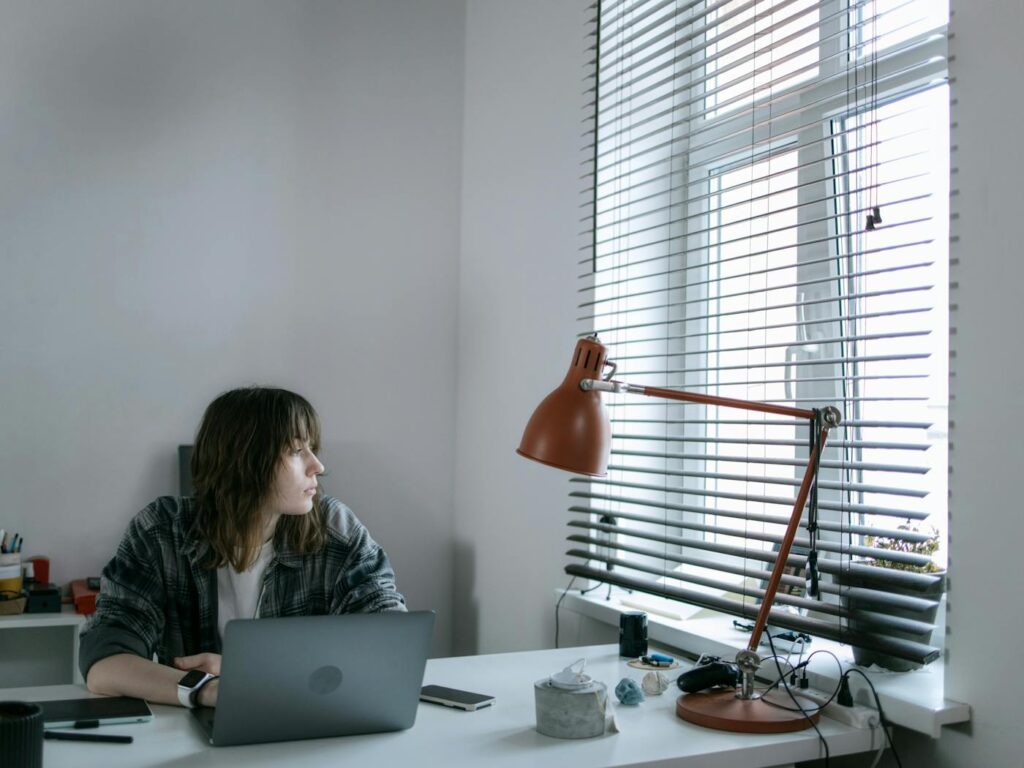
If play is this valuable, why do so many adults abandon it? The obstacle may have less to do with us as individuals and more to do with the culture we live in.
When play is treated as embarrassing, indulgent, or something to apologize for, it quietly vanishes. But when playful behavior is visible and treated as completely normal, it becomes easier for everyone around to join in, and it spreads. There is also a quieter discomfort at work. Play has a way of flattening hierarchies, of dissolving the roles and rankings that some people rely on to understand their place in relation to others. That can feel unsettling if status is how you define yourself. Set it aside, though, and what tends to follow is stronger relationships built on shared enjoyment rather than position.
Building a World That Lets Adults Play
The spaces we move through every day rarely help. Most public environments still treat play as something designed exclusively for children, with swing sets and slides cordoned off in their own little zones.
Research in urban design suggests the most effective playful spaces for adults are the ones that do not announce themselves as playgrounds at all. Instead, they fold playful possibilities into ordinary settings: oversized steps that invite climbing, stepping stones, seating you can interact with, winding paths that encourage wandering. Some cities have gone further, installing things like musical swings that turn a routine moment into something delightful. These remain the exception rather than the rule, but designing places that quietly invite grown-ups to play could be a genuinely worthwhile investment in connection and wellbeing.
Reclaiming Something You Never Actually Lost

Perhaps the most reassuring thread running through all of this research is a simple one. We do not outgrow our need for play. We simply forget how to make room for it.
Treating play as a legitimate part of adult life, rather than something we leave behind with childhood or permit ourselves only on rare occasions, opens up an entirely different way of thinking about what it means to live well over a lifetime. The spontaneity, the togetherness, the freedom to do something just because it brings joy, these are not frivolous extras. The evidence suggests they may be quietly essential, supporting our mood, our relationships, our resilience, and possibly even the long-term health of our minds.
The part of you that adulthood crowded out was never gone for good. It has simply been waiting, somewhat patiently, for you to remember it was worth keeping around.
adult play mindset, adult playfulness, benefits of play, brain health lifestyle, cognitive health aging, inner child, intergenerational play, locus coeruleus, play and aging brain, play and dementia, play and happiness, play and health, play and loneliness, play and relationships, play and stress relief, playfulness wellbeing, Scott Duncan AUT, social playfulness, unstructured play adults, urban play design