
Your cart is currently empty!
Trump Went To War Over Iran. Now He’s Chasing A Deal That Looks Strikingly Familiar
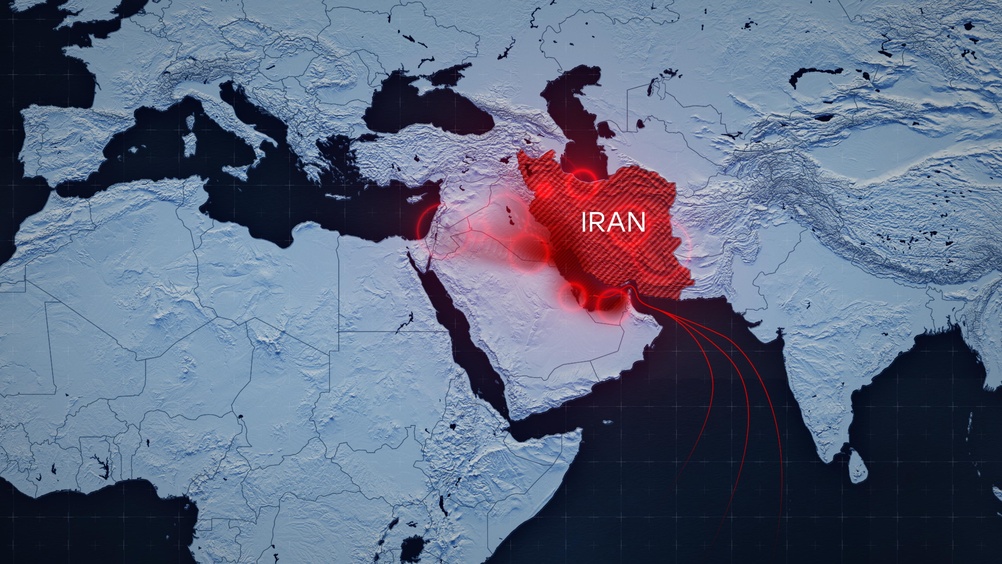
Donald Trump spent nearly a decade condemning Barack Obama’s Iran nuclear agreement. He called it disastrous, dangerous, and one of the worst deals ever negotiated by an American president. He withdrew the United States from the agreement during his first term, arguing that it gave Tehran too much freedom and put the country on a path toward developing nuclear weapons. Supporters of the decision celebrated it as a complete break from Obama’s foreign policy. Critics warned that tearing up the agreement would only create bigger problems later.
Contents
show
Now, after a war with Iran, months of failed negotiations, and growing pressure to find a diplomatic exit from a costly conflict, the White House appears to be chasing many of the same goals that formed the foundation of Obama’s original agreement. The names may be different and some of the details have changed, but the core objective remains remarkably familiar: limit Iran’s nuclear activities, subject the country to international inspections, and offer economic incentives in exchange for compliance. After years of insisting the Obama approach was unacceptable, Trump may ultimately end up signing a deal that looks surprisingly similar.
Trump Chose A Different Path Than Obama
The contrast between the two administrations could hardly be sharper.
Obama built an international coalition that included Britain, France, Germany, Russia, China, and the European Union. Together they negotiated the Joint Comprehensive Plan of Action, better known as the JCPOA. The agreement required Iran to limit uranium enrichment, reduce nuclear stockpiles, and accept inspections by the International Atomic Energy Agency. In return, sanctions were eased and billions of dollars in frozen Iranian assets became accessible again.
The deal sparked fierce opposition from Israeli Prime Minister Benjamin Netanyahu, who took the unusual step of addressing Congress in 2015 in an effort to stop it. Critics argued that Iran could eventually restart parts of its nuclear program after restrictions expired. Supporters argued that the agreement placed meaningful limits on Tehran’s capabilities and reduced the immediate threat of nuclear escalation.
Trump rejected that argument from the beginning. During his first term he withdrew the United States from the agreement and launched a maximum-pressure campaign designed to force Iran into accepting stricter conditions. When negotiations for a replacement agreement failed to produce results, military action followed. What began as an effort to secure a stronger deal eventually evolved into a regional conflict that left Washington searching for another diplomatic solution.
Trump Never Stopped Attacking Obama’s Deal
Even while pursuing new negotiations, Trump has continued to portray the original agreement as a historic mistake.
At a Cabinet meeting on March 26, he said, “Barack Hussein Obama, what he did, where he gave them the Iran nuclear deal, gave them free will toward a nuclear weapon. Basically, he chose Iran over Israel and others that didn’t want him to do it.”
Days later he repeated the same criticism while discussing Iran policy. The argument has remained a central part of Trump’s messaging for years. He has consistently claimed that Obama’s approach strengthened Tehran and weakened America’s position in the Middle East.
Trump has also repeatedly referenced the transfer of $400 million in cash that occurred as the nuclear agreement was finalized. Critics often describe the payment as part of the deal itself, although the money was tied to frozen Iranian funds dating back decades. Regardless of the legal details, the image of pallets of cash heading to Iran became a powerful political weapon that Trump used frequently on the campaign trail and throughout his presidency.
The problem for the White House today is that ending the current conflict may require concessions that look politically similar to the ones Trump spent years attacking. Any agreement will almost certainly involve sanctions relief, economic incentives, or access to financial resources that Iran has long demanded.
The New Deal Under Discussion Contains Familiar Elements
Despite years of criticism, the framework currently being discussed shares several major features with the JCPOA.
The original agreement imposed limits on uranium enrichment, established inspection requirements, and relied on verification by international nuclear experts. Current negotiations appear to revolve around many of those same principles. International monitoring remains a central demand. Verification remains essential. Restrictions on enrichment remain at the heart of the talks.
There are differences. Trump’s team wants tougher conditions than those accepted during the Obama years. Rather than limiting enrichment activities, Washington wants Tehran to abandon enrichment altogether and surrender existing stockpiles. Iran has shown little willingness to accept those demands, creating a major obstacle to reaching an agreement.
Even so, the similarities are difficult to ignore. The Obama deal capped enrichment for 15 years. Current discussions reportedly involve a potential 20-year pause. The original agreement relied on inspections by the International Atomic Energy Agency. Any future agreement would almost certainly require the same enforcement mechanism. The architecture may be modified, but many of the key building blocks remain unchanged.
That reality has fueled criticism from observers who argue that the United States may be moving toward a version of the same diplomatic solution that was available years ago before the agreement collapsed.
Iran’s Nuclear Program Expanded After The Deal Fell Apart
Supporters of the original agreement have long argued that the consequences of withdrawal were predictable.
While the JCPOA remained in force, international inspectors reported that Iran was generally complying with the restrictions imposed by the deal. American intelligence assessments reached similar conclusions. Tehran continued supporting regional proxy groups and maintaining missile programs, but evidence suggested the nuclear restrictions themselves were functioning largely as intended.
Everything changed after the agreement unraveled.
Iran gradually expanded uranium enrichment activities, increased stockpiles, and developed additional nuclear infrastructure. The country continued insisting that it was operating within its rights under the Nuclear Non-Proliferation Treaty and maintained that its nuclear activities were intended for civilian purposes. Western governments remained deeply skeptical of those claims.
Daryl Kimball, executive director of the Arms Control Association, believes any future agreement will inevitably contain familiar features. “Looking forward, any new agreement with Iran to constrain its nuclear capacity is going to have to look different from the JCPOA, but there will likely be some similar elements,” he said.
The biggest of those elements is verification. Without inspectors monitoring facilities and confirming compliance, any agreement would be little more than a political promise. That basic reality has not changed regardless of who occupies the White House.
The War Gave Iran A Powerful New Advantage
One major difference separates today’s negotiations from those of a decade ago.
Iran now holds leverage that did not exist when the original agreement was signed. The conflict elevated the importance of the Strait of Hormuz, one of the world’s most critical shipping routes. Roughly a fifth of global oil and natural gas supplies move through the narrow waterway, making it one of the most strategically valuable locations on Earth.
Control over that corridor gives Tehran influence far beyond its military capabilities. Disruptions in the strait can affect energy markets, shipping costs, and supply chains across multiple continents. As negotiations continue, Iran has the ability to use that position as a bargaining tool.
CNN’s Fareed Zakaria captured the significance of the situation when he said, “What this war has done is handed Iran a weapon that is far more usable than nuclear weapons, which is the Strait of Hormuz choking off global supplies.”
Retired General David Petraeus has also argued that reopening the strait must become a priority in any settlement. The issue extends beyond nuclear policy. It now touches global commerce, energy security, and economic stability. That gives Tehran a stronger negotiating position than it enjoyed during the Obama era.
Diplomacy May End Where It Started
One of the most striking aspects of the current situation is how close negotiators may have been to a breakthrough before the conflict began.
Omani Foreign Minister Sayyid Badr bin Hamad Al Busaidi revealed that Iran had signaled a willingness to make significant concessions. He described a proposal that would have reduced enrichment levels, eliminated stockpiling, and subjected the program to extensive monitoring. “There would be zero accumulation, zero stockpiling, and full verification. That is also equally important achievement, I think,” he said.
Trump’s negotiating team viewed the talks very differently. Special envoy Steve Witkoff argued that Tehran remained committed to maintaining enrichment capabilities and was unwilling to surrender what it considered a sovereign right. The gap between those competing interpretations helped drive events toward confrontation rather than compromise.
Months later, negotiators are once again searching for an agreement that limits Iran’s nuclear activities while providing incentives for compliance. The conflict has altered the balance of power, damaged infrastructure, and reshaped regional politics. Yet the central challenge remains almost exactly the same as it was ten years ago.
If a deal is eventually reached, Trump will undoubtedly present it as stronger and more effective than Obama’s agreement. The political branding may change. The sales pitch may change. The language may change. The underlying reality could look very familiar.
Barack Obama, Benjamin Netanyahu, Donald Trump, global politics, international relations, Iran, Iran nuclear deal, Iran nuclear program, Iran war, Israel, JCPOA, JD Vance, Middle East, nuclear negotiations, Obama Iran Deal, Steve Witkoff, Strait of Hormuz, Trump administration, US Foreign Policy, US Politics