
Your cart is currently empty!
Finland Wants to Teach the World How to Be Happy With a Free Weeklong Escape
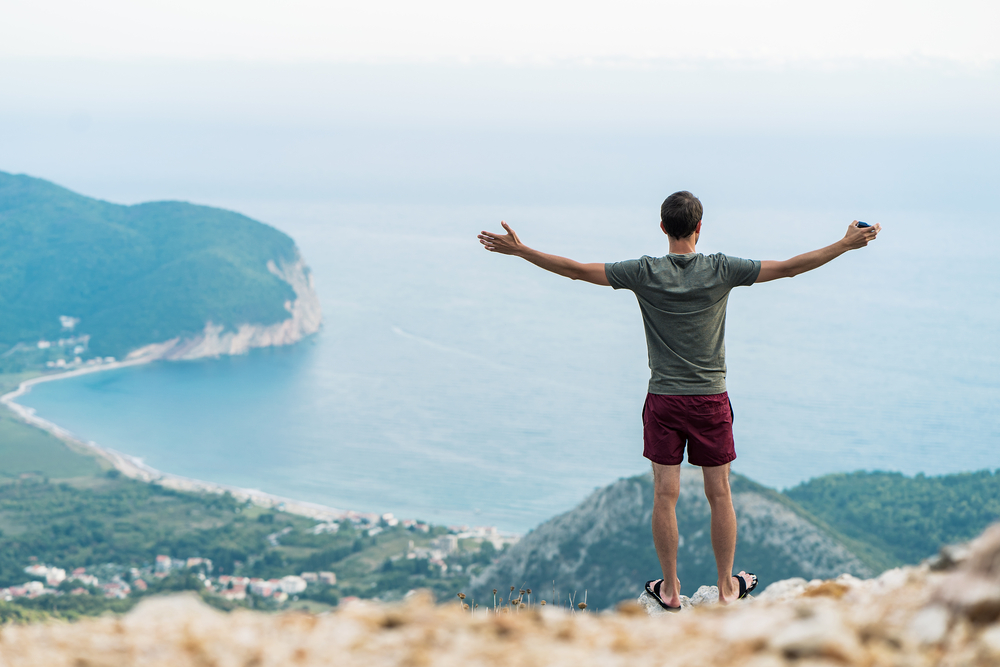
For the ninth year in a row, Finland has been named the happiest country in the world.
Contents
show
Most countries would use a title like that as a tourism slogan. Finland decided to do something more unusual. It is offering people from around the world the chance to experience its lifestyle firsthand through a free week-long stay designed around one simple goal: learning how to slow down.
The initiative arrives at a time when millions of people feel trapped in an endless cycle of work, notifications, financial stress, and digital overload. While much of the world is searching for happiness through productivity hacks and self-improvement routines, Finland is suggesting that the answer may be hiding in places many people have stopped looking.
Lakes.
Forests.
Saunas.
Silence.
And perhaps most importantly, time away from screens.
Finland Has Been Ranked the Happiest Country for Nine Consecutive Years
Finland’s latest victory in the World Happiness Report 2026 marks its ninth consecutive year at the top of the global rankings.
That kind of consistency has attracted attention far beyond Europe.
One good year can happen by chance. Nine years in a row is something entirely different.
The annual report, produced with support from the United Nations Sustainable Development Solutions Network, evaluates countries using a variety of measures related to wellbeing. Researchers examine factors such as social support, life expectancy, freedom to make life choices, perceptions of corruption, generosity, and overall life satisfaction.
The rankings are based largely on data collected through Gallup World Poll surveys conducted across the globe.
Finland’s continued dominance has become especially fascinating because many people assume happiness rankings should be led by the wealthiest nations.
Finland is certainly prosperous, but it does not possess the economic scale of countries such as the United States, China, or Germany. Yet it consistently scores higher when citizens are asked one simple question: how satisfied are you with your life?
That distinction has fueled growing curiosity about what Finland may be doing differently.
A Nation That Doesn’t Seem Obsessed With Chasing More
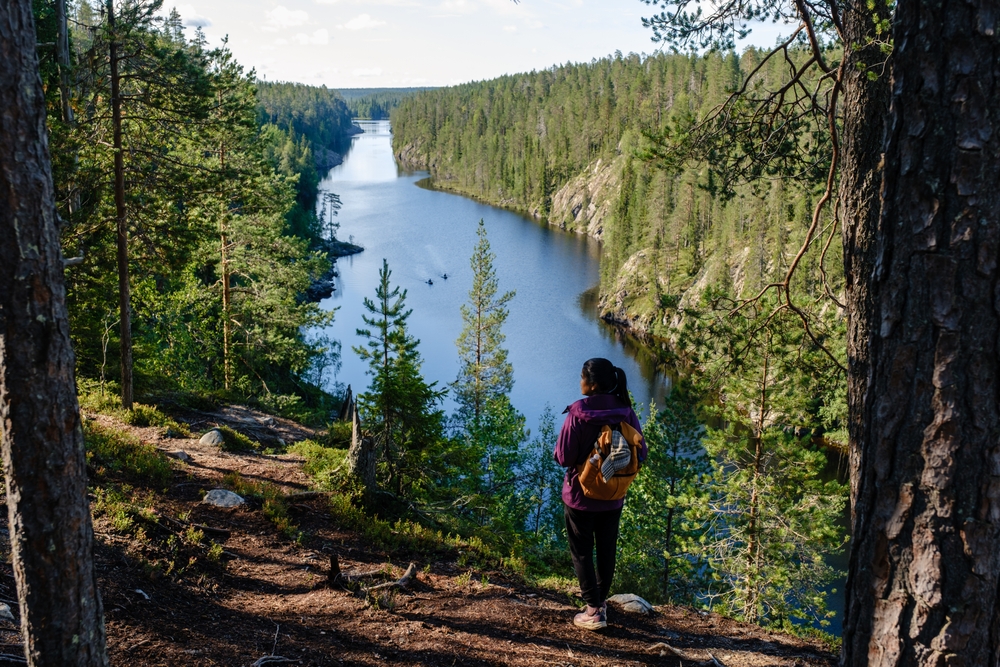
One of the most striking aspects of Finland’s success is how different its cultural values appear compared to many Western societies.
In many countries, success is often measured through constant growth.
A bigger salary.
A larger house.
More status.
More achievements.
More productivity.
Finland tends to emphasize something else.
Balance.
People who have spent time in the country frequently describe a culture that values moderation over excess and wellbeing over competition.
That does not mean Finns lack ambition or work ethic. Finland consistently performs well in education, innovation, and quality of life metrics.
The difference lies in how achievement is balanced against other priorities.
Free time is not always viewed as something that needs to be earned after exhausting yourself.
Rest is not treated as laziness.
Nature is not reserved for vacation days.
Many of the habits associated with Finnish happiness are woven directly into everyday life.
That philosophy may help explain why the country continues outperforming larger and wealthier nations when it comes to overall wellbeing.
The Free Trip That Has Captured Global Attention

To celebrate another year at the top of the rankings, Visit Finland has launched the “Chill Like a Finn” challenge.
The initiative invites a select group of international visitors to spend seven days in Finland’s Lakeland region during the summer.
Unlike luxury travel giveaways that focus on five-star indulgence, this experience is centered around simplicity.
Participants will stay in one of the most scenic parts of the country, surrounded by forests, lakes, and traditional Finnish summer culture.
The challenge is designed to help visitors experience firsthand the routines and habits that many Finns associate with happiness.
Rather than packing the schedule with sightseeing and entertainment, organizers want participants to embrace a slower pace.
According to Visit Finland, the goal is to help visitors disconnect from the pressures of everyday life and reconnect with experiences that often get overlooked in modern society.
The campaign is based on a simple idea.
If Finland continues ranking as the happiest country in the world, perhaps there is something worth learning from the way its people live.
What Participants Can Expect During the Experience

The seven-day experience focuses on everyday rituals rather than extraordinary adventures.
Visitors will spend time in Finnish Lakeland, one of Europe’s largest lake regions and an area that many locals consider the perfect summer escape.
Activities include:
- Traditional sauna sessions
- Swimming in clean freshwater lakes
- Exploring forests and hiking trails
- Staying in lakeside cottages
- Sharing meals inspired by Finnish traditions
- Spending time away from constant digital distractions
- Learning about Finnish approaches to wellbeing and balance
What makes the itinerary unusual is how ordinary it sounds.
There are no promises of life-changing seminars.
No celebrity motivational speakers.
No intense wellness boot camps.
No pressure to transform yourself.
Instead, participants are encouraged to experience the same simple activities that many Finns enjoy throughout the summer months.
That simplicity is exactly what has attracted attention around the world.
Finland’s Relationship With Nature Runs Deep

The country’s emphasis on nature is not a tourism invention.
It is deeply rooted in Finnish culture.
Finland contains approximately 188,000 lakes and vast stretches of forest that cover much of the country.
For many residents, spending time outdoors is not considered a special activity.
It is simply part of life.
Summer weekends are often spent at cottages near lakes.
Families gather outdoors.
People hike, swim, fish, and enjoy long evenings under the Nordic sun.
This connection to nature begins early and remains important throughout life.
Researchers have increasingly found links between time spent outdoors and improvements in mental wellbeing.
Studies suggest that access to green spaces can reduce stress, improve mood, and contribute to better overall health.
While Finland’s happiness cannot be explained by nature alone, the country’s outdoor culture appears to play an important role.
In Finnish society, nature is not something people visit occasionally.
It is something they live alongside.
Why Saunas Matter So Much
Any discussion about Finland eventually leads to one subject.
The sauna.
For outsiders, a sauna might seem like a luxury feature found in spas and high-end hotels.
In Finland, it is something far more meaningful.
The country is home to more than three million saunas despite having a population of around 5.6 million people.
Saunas can be found in homes, apartments, offices, lakeside cottages, and public facilities.
For generations, they have served as places for relaxation, conversation, reflection, and recovery.
Many Finns regularly alternate between the heat of a sauna and a plunge into cold water.
The practice may sound intimidating to visitors, but it has become one of the most recognizable aspects of Finnish culture.
Researchers have linked sauna use to several potential health benefits, including stress reduction and cardiovascular support.
For many Finns, however, the appeal is much simpler.
The sauna creates space.
Space to think.
Space to unwind.
Space to temporarily disconnect from the demands of modern life.
That experience remains central to the Finnish concept of wellbeing.
The World Happiness Report Is Paying Attention to Screen Time
One of the most interesting aspects of the 2026 World Happiness Report is its focus on digital life.
Researchers highlighted growing concerns about the impact of excessive screen time and social media use on wellbeing.
Many people spend hours each day switching between emails, messages, news alerts, videos, and social media feeds.
The result is a constant stream of information competing for attention.
While technology offers many benefits, there is increasing evidence that nonstop connectivity can contribute to stress, anxiety, and reduced life satisfaction.
Finland’s response to this challenge is surprisingly straightforward.
Step away from the screen.
Go outside.
Spend time with people face-to-face.
Allow yourself to be bored occasionally.
Those ideas may sound simple, yet they run counter to many modern habits.
The “Chill Like a Finn” campaign is essentially built around this philosophy.
Participants are encouraged to embrace experiences that do not require a screen, a notification, or an algorithm.
The Happiness Gap Between Finland and Other Countries

The popularity of Finland’s happiness story has also sparked discussions about how different nations approach wellbeing.
Many countries continue struggling with rising stress levels despite economic growth.
People are earning more money than previous generations in some cases, yet many report feeling overwhelmed, isolated, or burned out.
Financial security remains important.
Research consistently shows that poverty and economic instability can have serious negative effects on wellbeing.
But Finland’s success suggests that happiness cannot be explained by income alone.
The country has built social systems and cultural norms that help reduce certain forms of everyday stress.
Trust levels tend to be high.
Public services are generally accessible.
Work-life balance is valued.
People often feel connected to their communities.
These factors create an environment where wellbeing can flourish.
The lesson is not that money does not matter.
It clearly does.
The lesson may be that happiness requires more than financial success.
How to Apply for the Free Finnish Getaway

People interested in participating in the challenge must complete an application process.
Applicants are asked to create a video on Instagram or TikTok explaining what they imagine a Finnish summer holiday in Lakeland would look like.
The video must then be submitted alongside an application form through Visit Finland’s official website.
Participants may apply with a companion, which can include a partner, friend, family member, or another travel partner.
Both applicants must be at least 18 years old.
Selected participants will receive the opportunity to spend seven days in Finnish Lakeland experiencing the country’s approach to rest, relaxation, and wellbeing.
The initiative has attracted interest from travelers around the world who are eager to discover whether Finland’s reputation for happiness lives up to expectations.
Why This Story Has Resonated Across Social Media

The campaign has spread rapidly online because it touches on something many people are already feeling.
Exhaustion.
Across social media platforms, users frequently discuss burnout, stress, and the feeling that life has become overwhelmingly fast.
Many people spend their days moving from one obligation to another with little time to pause.
Against that backdrop, Finland’s message feels refreshing.
The country is not promising wealth.
It is not promising fame.
It is not promising a complete reinvention of your life.
Instead, it is promoting a week of slowing down.
That idea has become surprisingly powerful in a culture where slowing down often feels impossible.
The campaign has essentially transformed a national philosophy into an invitation.
Come spend a week living differently.
See what happens.
The Real Takeaway Goes Beyond a Free Vacation
The free trip is what grabs attention.
The deeper message is what keeps people talking.
After nine consecutive years as the happiest country in the world, Finland appears to be offering a challenge that extends far beyond tourism.
Its approach suggests that wellbeing is often built through ordinary experiences rather than extraordinary achievements.
A walk through a forest.
A conversation with friends.
An evening by a lake.
A few hours without notifications.
These moments rarely go viral. They do not generate headlines or social media clout.
Yet they are precisely the experiences Finland continues placing at the center of daily life.
That philosophy may not solve every problem facing modern society. It will not eliminate financial stress or fix global uncertainty.
What it does offer is a different perspective on happiness.
One that has helped a small Nordic nation remain at the top of the world’s happiness rankings for nearly a decade.
For the travelers selected for the challenge, that lesson comes with a free ticket to Finland.
For everyone else, the invitation is much closer than it appears. The core ideas require no passport, no application form, and no flight across the Atlantic.
They begin with something far simpler.
Slowing down long enough to notice what was already there.