
Your cart is currently empty!
Feeding Babies Eggs at Six Months Drives Down Allergy Rates, New Data Shows

Parents who feel anxious about putting scrambled eggs on their baby’s plate now have hard data to ease their minds. A major study of over 7,000 infants published in JAMA Pediatrics confirms that feeding babies well-cooked eggs around six months of age safely reduces their risk of developing an egg allergy by 17 percent.
Contents
show
Instead of waiting until after a child’s first birthday to introduce common trigger foods, pediatricians now know that early exposure actively trains the infant’s gut to accept the protein, a simple change in mealtime routine that is successfully preventing thousands of childhood allergies.
How Feeding Babies Eggs Sooner is Lowering Allergy Risks

For years, parents heard a strict rule at the pediatrician’s office: keep common trigger foods like eggs away from babies until they are at least a year old. Now, the guidance has completely flipped. Doctors recommend giving babies eggs around six months old, and new data shows this simple change is actively protecting children.
A study of over 7,000 infants published in JAMA Pediatrics looked at what happened when Australia updated its national feeding guidelines to encourage early allergen introduction. The results were highly encouraging for families. Researchers found a 17 percent drop in childhood egg allergies, with the overall rate falling from 9.2 percent to 7.6 percent.
Babies with early eczema saw the biggest benefit. In that high-risk group, egg allergies dropped from 34.6 percent to 21.9 percent.
“The immune system is ready to learn about foods in a helpful and normal way when the food is eaten and enters the gut,” explains Dr. Scott Sicherer, director of the Jaffe Food Allergy Institute at Mount Sinai. He points out that if the stomach does not process the food early on, the body cannot learn to accept it.
Sung Poblete, CEO of Food Allergy Research and Education, highlighted the importance of this shift. “It is exciting to see population level real-world evidence supporting early introduction of allergens,” she stated, noting that the data offers much-needed reassurance to parents planning their baby’s meals.
The Case for Serving Eggs Early and Often

While updated guidelines clearly show the benefits of early allergen introduction, many parents still feel nervous about putting eggs on the highchair tray. This hesitation is highly visible in global feeding habits. The Australian study revealed that 57 percent of parents introduced eggs before their baby turned seven months old. In contrast, data shows that only 15.5 percent of infants in the United States try eggs within that same timeframe.
Breaking decades of cautious advice takes time. Dr. Aaron Carroll of the nonprofit AcademyHealth points out that while medicine constantly evolves, the shift in allergy recommendations offers a broader lesson. “The lesson we should take from this story isn’t only that science self-corrects. It is that the original error was avoidable,” he notes.
For parents wondering how to navigate these updated rules, current pediatric guidelines suggest offering well-cooked eggs around six months of age. The goal is not to force solid foods before a baby is developmentally ready, but to prevent unnecessary delays before their first birthday. Experts stress that preparations must be thoroughly cooked, avoiding raw or undercooked egg dishes completely.
This early exposure works as a training program for a baby’s developing body. When infants regularly consume small amounts of cooked egg, their immune system learns to recognize the protein as harmless. This oral tolerance is especially crucial for babies with sensitive skin. If food proteins enter the body through damaged skin barriers, such as eczema patches, the immune system might mistakenly view the food as an invader. Eating the food directly ensures the stomach processes it correctly.
Safe and Simple Ways to Start Feeding Eggs
Knowing the science is one thing, but actually giving a baby their first taste of egg can still feel daunting. The process does not have to be complicated. Here are practical steps to make mealtime easier and safer.
- Start small and mash it well: Begin with a very small amount of fully cooked egg. Hard-boiled or scrambled eggs work best.
- Mix with familiar favorites: Blend a tiny portion of the cooked egg into a puree the baby already enjoys, like mashed banana or sweet potato.
- Choose the right time: Offer this new food at home during the morning or early afternoon. This schedule allows plenty of time to monitor the baby for any unusual reactions before bedtime.
- Keep it consistent: Once a baby tries eggs without any issues, keep the food in their regular meal rotation. Serving a baby-safe egg dish a few times a week helps the body recognize the protein as normal food.
- Consult a doctor for high-risk infants: Families dealing with severe eczema or an existing food allergy need a tailored approach. A pediatrician or allergist might recommend an allergy test first or suggest doing the initial taste test in the clinic.
- Watch for reactions: If a baby shows signs of an allergic reaction, such as sudden hives, swelling around the mouth, or vomiting shortly after eating, stop feeding the egg immediately and contact a doctor.
Being prepared helps ease the anxiety of mealtime, turning a stressful milestone into a routine part of a baby’s healthy development.
Building a Nutrient-Rich Diet Beyond Allergy Prevention
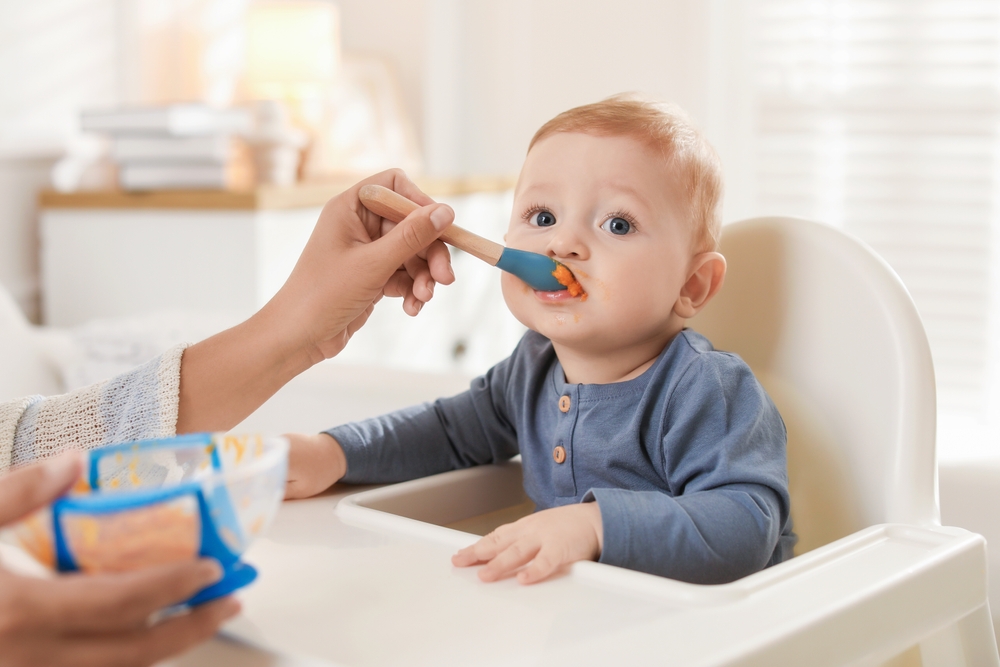
Getting eggs into a baby’s daily routine does more than just train their immune system. It also provides a significant boost to their overall growth. Eggs are packed with essential nutrients that infants need during their most rapid phase of development. They offer high quality protein, healthy fats, and a crucial nutrient called choline, which actively supports early brain health and memory.
This shift in how we feed babies extends beyond the egg carton. The success seen in lowering egg allergies mirrors a broader change in pediatric nutrition. The concept of introducing allergens early is now the gold standard for other common trigger foods, most notably peanuts. Just as with eggs, medical guidelines now advise parents to introduce infant safe peanut products, like thinned peanut butter or soft peanut puffs, around the six month mark.
The ultimate goal of these updated guidelines is to give parents confidence rather than a list of restrictions. Instead of fearing mealtime, families can focus on offering a wide variety of textures and flavors. By serving foods like eggs and peanuts early on, parents are not just checking an allergy prevention box. They are building a diverse, nutrient dense diet that sets a strong foundation for healthy eating habits as their child grows.
Moving Forward with Confidence at Mealtime
Feeding your baby for the first time is a big milestone, and it is completely normal for parents to feel a little nervous. But the latest allergy research brings a huge sigh of relief. Instead of keeping a mental list of banned foods, parents can now embrace a much simpler approach: serving everyday foods like eggs early and often.
By offering a bit of scrambled or mashed egg right around the six-month mark, families are actively training their baby’s immune system to stay strong and healthy.
Parents can now look at mealtime as a fun, messy, and exciting chance to explore new flavors. By serving up eggs with confidence, families are setting their little ones up for a lifetime of healthy, fearless eating.