
Your cart is currently empty!
Road-Tripping Visitors Capture the Soul of American Freedom on Social Media
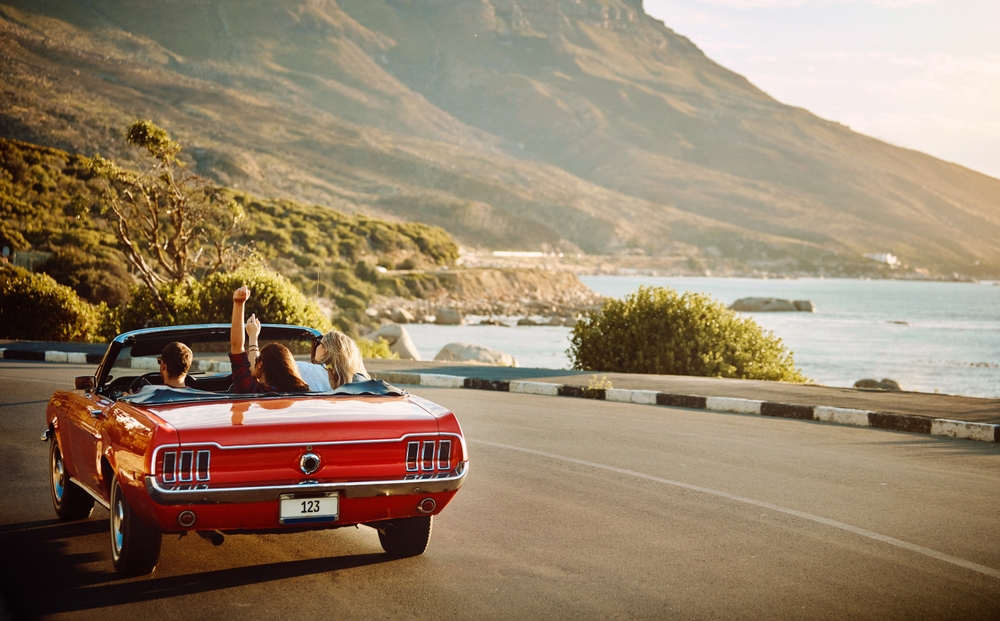
International tourists usually stick to the major cities and rely on quick flights to get from place to place. A recent crowd of global sports fans is doing the exact opposite. Instead of looking up train schedules, thousands of visitors are renting cars and hitting the highway.
Contents
show
They are trading the efficient transit systems they use back home for hours of open road and posting their genuine reactions online. A basic plan to drive to a soccer match has unexpectedly turned into a massive culture shock, offering a fresh look at a totally different way of life.
Hitting the American Road
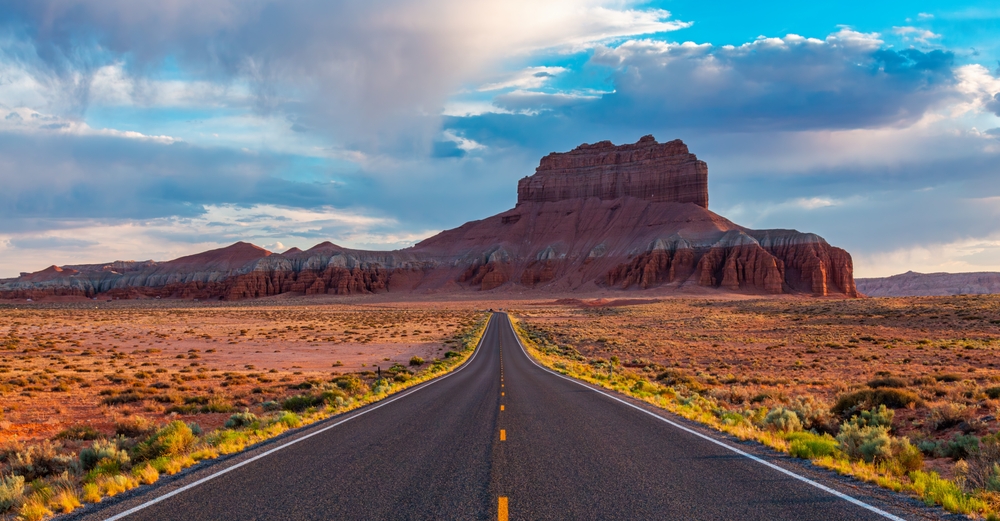
The 2026 World Cup brought international soccer to the United States, but it also sparked an unexpected travel trend among European visitors. Back home, these fans rely heavily on efficient public transit. Here, they are renting cars and driving hundreds of miles across the South and Midwest.
The United States road network covers over four million miles, according to the Federal Highway Administration. This massive system offers a type of personal mobility that feels completely different from European commuter trains. International travelers are suddenly in total control of their routes and schedules.
Social media is full of their stories. Visitors post about the sheer size of the country and the unique stops they find. One German traveler, known online as Freddy, shared his drive through the Deep South. He documented his shock at massive highway travel centers and his first taste of biscuits and gravy. For these tourists, the drive itself has become the main event.
Driving is a cultural habit just as much as a way to get around. The freedom to pick a direction and change plans on a whim offers a specific type of independence. By getting behind the wheel, these guests are seeing the small towns and roadside stops that exist far outside the major host cities.
Encountering Authentic Local Hospitality
Beyond the roadside attractions, traveling by car exposes visitors to a distinct brand of local hospitality. In many major cities across the globe, globalization has created a sense of uniformity. Urban centers often feature the same retail chains and predictable dining options. British musician Morrissey recently observed that highly efficient public transit networks in Europe have inadvertently contributed to this cultural blending, making historically distinct regions feel increasingly identical. Even major American cities are experiencing this same homogenization.
Driving into rural communities offers a sharp contrast. When international tourists venture off the interstate highways, they find towns that retain their unique character. This environment fosters direct, unscripted interactions with residents.
One clear example involves the German traveler mentioned earlier. While he was preparing to walk an hour in the rain to a stadium to avoid an expensive ride-sharing fare, his hotel receptionist simply offered to drive him there. This kind of spontaneous generosity is a familiar practice in regions like the Midwest and the Deep South. When a local resident offers a ride, it is an informal and genuine gesture, often complete with front-seat conversations and apologies for dog hair on the upholstery.
Exploring Roadside Culture and Commerce
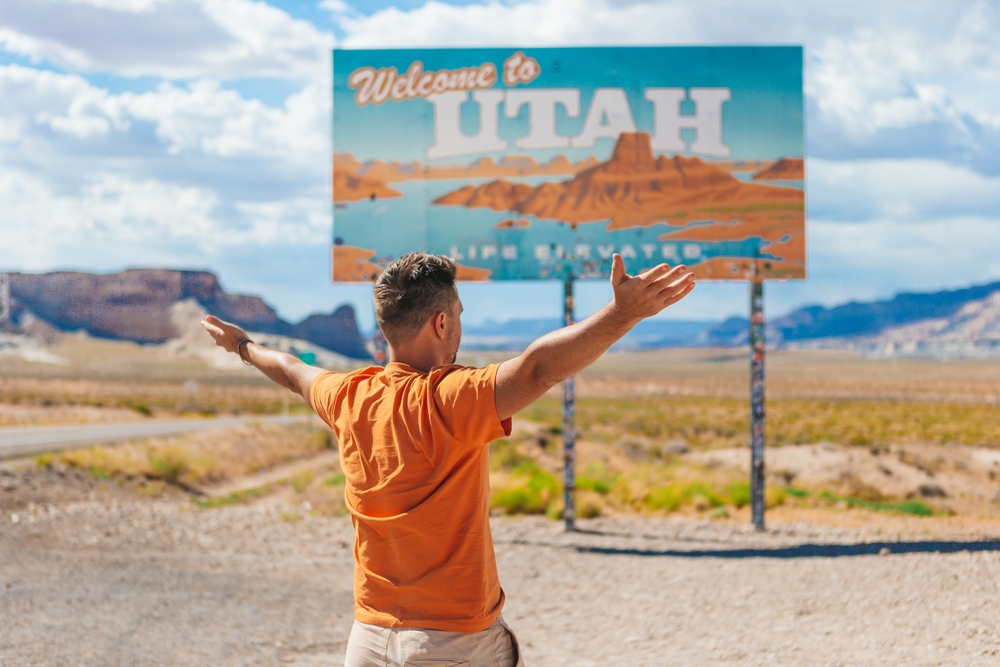
For many international visitors, the American road trip is defined as much by its pit stops as by its highways. European fans arriving for the World Cup are discovering a unique network of roadside commerce that simply does not exist across the Atlantic. Instead of standard transit stations, they are encountering massive travel centers and 24-hour diners that serve as local gathering places.
Social media posts from these travelers highlight a shared fascination with these roadside institutions. Tourists frequently document their first visits to regional staples like Buc-ee’s and Waffle House. To a visitor accustomed to compact European cafes, a travel center with dozens of fueling pumps, fresh barbecue counters, and endless aisles of snacks is a genuine cultural shock. Similarly, the all-night diner offers an egalitarian dining experience where people from all walks of life share coffee and meals at any hour.
These establishments are more than just places to refuel. They act as informal community hubs that anchor long stretches of interstate. According to the National Association of Convenience Stores, the industry serves approximately 160 million customers daily across the country. This makes the roadside stop a massive, central part of the daily domestic economy.
The Best Parts of Travel Are Unplanned
These international visitors highlight a simple truth about travel. The most memorable moments rarely happen on a strict transit schedule. They happen when people step away from curated tours and embrace the unpredictability of driving.
There is real value in taking an unfamiliar route. A wrong turn or a sudden detour often forces interaction with local communities. It strips away the polished tourist filter and exposes the authentic daily routine of a region. Instead of just rushing from one major landmark to the next, the drive itself becomes the main event.
For future trips, consider skipping the fastest transit option. Rent a car and leave empty blocks of time in the itinerary. Make room for small-town diners, quirky roadside attractions, and casual conversations at the gas pump. These unplanned stops almost always turn into the best stories.
Getting behind the wheel offers more than just transportation. It provides complete control over the journey. Taking charge of the route allows any traveler to experience true freedom and proves that the greatest discoveries happen when things do not go exactly as planned.